
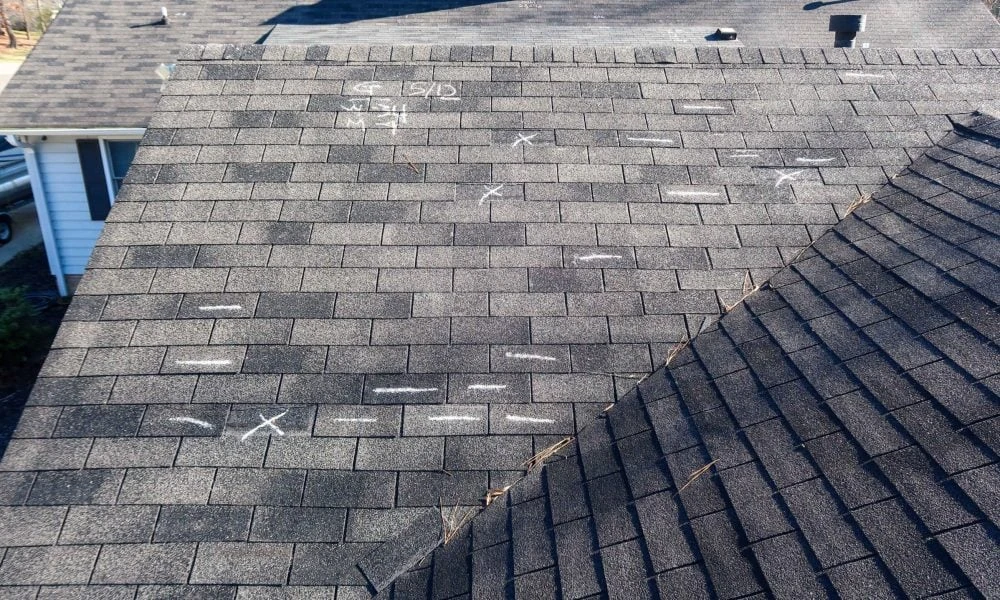
Asphalt shingle roofs are built to last for decades, but their actual lifespan depends heavily on how well they are maintained. With consistent care and a few proactive habits, homeowners can often add years of service life to their roof and delay the significant expense of full replacement.
Start With Proper Ventilation
Attic ventilation plays a bigger role in shingle longevity than many homeowners realize. Without adequate airflow, heat and moisture build up beneath the roof deck, causing shingles to age prematurely from underneath. Ensuring that soffit and ridge vents are clear and functioning properly helps regulate temperature and moisture levels throughout the year.
Keep Gutters Clean
Clogged gutters cause water to pool near the roof edge, which can lead to rot in both shingles and the underlying decking. Cleaning gutters at least twice a year, or more often if your property has significant tree coverage, prevents this kind of water damage and protects the fascia and roof edge from long term deterioration.
Trim Overhanging Branches
Branches that hang over or brush against the roof surface cause slow but steady damage through friction and debris accumulation. Trimming trees back from the roofline reduces the risk of physical damage and limits the amount of leaves and organic material that collects in valleys and gutters.
Address Small Repairs Quickly
Minor issues, such as a single cracked shingle or small area of lifted flashing, are far easier and cheaper to fix than the damage that results from ignoring them. Water intrusion tends to spread quickly once it finds a way in, so prompt attention to small problems prevents them from developing into larger structural concerns.
Schedule Regular Professional Inspections
Even a well maintained roof benefits from periodic professional evaluation. Trained roofers can identify subtle warning signs, such as early granule loss or slightly lifted shingle edges, that are difficult to spot from ground level. Catching these issues early allows for targeted repairs rather than reactive fixes after a leak has already caused damage.
Manage Moss and Algae Growth
In humid or shaded areas, moss and algae can take hold on shingle surfaces, retaining moisture and accelerating decay. Installing zinc or copper strips near the roof ridge can help prevent growth over time, as rainwater carries trace metal particles across the shingle surface that inhibit organic growth.
Maintain Proper Insulation
Insulation works hand in hand with ventilation to regulate attic temperature. Insufficient insulation allows heat to escape unevenly, which can contribute to ice dam formation in colder climates and additional stress on shingles near the roof edge. Keeping insulation at recommended levels supports both energy efficiency and roof longevity.
Avoid Unnecessary Foot Traffic
Every time someone walks across a shingle roof, there is a small risk of cracking or dislodging granules, particularly in extreme temperatures. Limiting rooftop access to necessary maintenance and repair work helps preserve the protective coating and structural integrity of the shingles.
Document and Track Roof Age
Keeping records of your roof’s installation date, materials used, and any past repairs helps you and any future contractor understand its history. This information is useful for warranty claims and for making informed decisions about when repair no longer makes sense compared to replacement.
Partnering With Experienced Professionals
Extending your roof’s lifespan is much easier with the guidance of experienced professionals who understand both preventive care and timely repair. The team behind asphalt roof repair works with homeowners to develop maintenance plans suited to their specific roof, climate, and budget, helping ensure the investment lasts as long as possible.
With attentive care and the right support, an asphalt roof can comfortably reach or even exceed its expected lifespan, saving homeowners significant money over the life of their home.

Comments are closed.