Category

Interior Design

Category

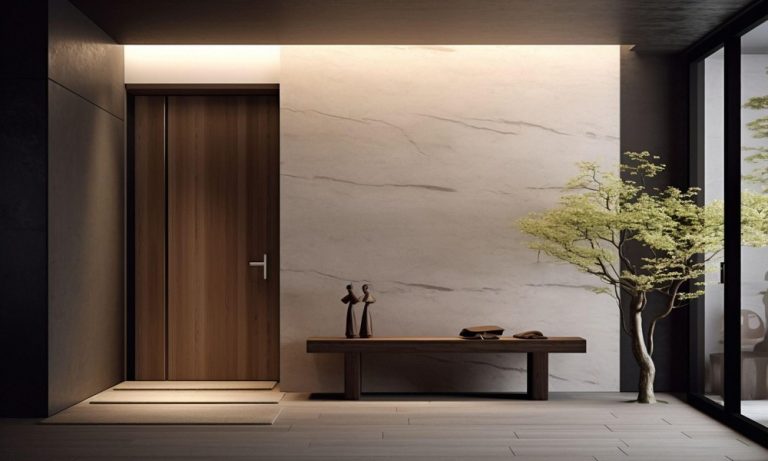
When it comes to interior designing, doors are usually overlooked as just functional necessity. However, when looking at classy interior décor themes, the design of a door speaks volumes about the space inside, the people, their personality, the mood and preferences and nothing beats this sentiment more than a veneer door.

What Are Veneers and Why Do They Matter?

Veneers are thin pieces of actual wood, glued over a core material like plywood or MDF to replicate the look and feel of solid wood, but only with enhanced durability, strength and longevity. Every veneer slice has a distinct grain pattern, making the surfaces appear unique. They also allow designers to employ exotic or rare wood species in a more environmentally friendly way, using less timber and still achieving the same luxury appearance.

Veneer Doors: Sophistication with Sturdiness

A veneer door elevates interior spaces in ways that solid or laminated doors cannot do. The natural wood grain brings warmth, richness, and sophistication into a space. Painted or artificial surfaces lack the character and depth of veneer doors, which reminds one of the majesty of nature itself.

The Role of Veneer Texture in Design

Veneer doors look elegant primarily due to their texture. Whether it is the high-gloss, smooth finishes. textured, rustic grain, veneers provide a choice of style that can be tailored to suit any liking. A walnut veneer provides a sleek, luxurious finish whereas a hand-rubbed oak veneer adds warmth and heritage.

Veneers are not only about the visual appeal, but also about the way one feels on touching them given their luxurious, elegant touch that smooth laminates cannot replicate. Designers prefer to take advantage of veneer texture by highlighting it through lighting, turning doors into statement pieces rather than mere backgrounds.

Sustainability and Smart Luxury

Homeowners today put equal emphasis on style and sustainability. Veneers allow access to the characteristics of rare wood species without wastage, as thin cuttings of wood are used. A veneer door is therefore an eco-friendly choice-giving the look of natural wood and minimizing environmental impact.

Veneer doors if taken care of well and maintained, will last for decades. They can be refinished or polished after a while, hence making them long-lasting and reducing the rate of replacements. This is due to increased demand for long-term, permanent interior environments.

Adaptability That Suits Every Environment

Veneer doors are the best option in any setting. In new-age apartments, glossy, bright veneers are a lavish addition of furniture. In high-end villas, embossed veneers add grandeur and elegance Even for business environments like offices or hotels, they offer an elegant, professional atmosphere. Their versatility also renders them easy to integrate into any other design elements. Veneer texture can be integrated into furniture, wall cladding, or flooring to provide a uniform look to the interior. The result is an interior that looks well-planned, from walls to even the smallest of things.

Veneer doors are the intersection of form and function. They invoke the wood’s inherent good looks, engineered strength, and versatility to bridge any design aesthetic. So the answer to the question – “what are veneers” is that these are simple design elements that are made from materials replicating solid timber. Either chosen for their high-end veneer finish texture or for their long-lasting functionality, veneer doors bring classic style to rooms. Durable, on-trend, and sustainable, they are quite literally the confluence of style and durability. Whether chosen for their high-end veneer finish texture or for their long-lasting functionality, veneer doors, especially those by Royale Touche bring classic style to rooms. Durable, on-trend, and sustainable, they are quite literally the confluence of style and durability.

Interior design in 2026 is set to become more personal, more sustainable and more connected to wellbeing than ever before. For homeowners working with an interior designer in Chester or across the UK, the focus is shifting away from fast trends and towards spaces that feel meaningful, long lasting and deeply comfortable. From natural materials to intelligent layouts, these are the interior design trends shaping homes in 2026.

1. Warm Minimalism Replaces Cold Modernism

Minimalist interiors are evolving into something softer and more welcoming. In 2026, warm minimalism is leading the way, combining clean lines with comforting textures and earthy tones.

Think soft plaster walls, natural wood finishes, linen upholstery and gentle curves. Homes are still uncluttered, but they feel lived in rather than stark. The focus is on quality over quantity, with fewer pieces chosen for their craftsmanship and longevity.

2. Nature Inspired Colour Palettes

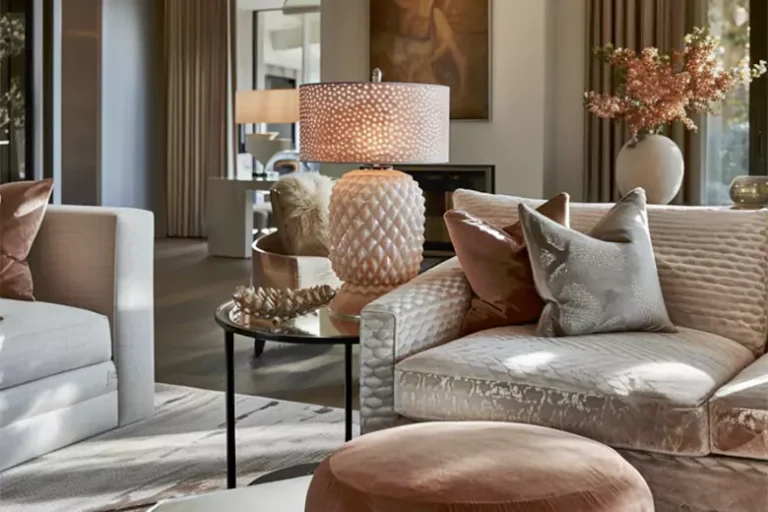
Colour trends in 2026 are heavily influenced by the natural world. Warm neutrals, clay tones, muted greens and soft blues are replacing cooler greys and bright whites.

These palettes create calming environments that support wellbeing and work beautifully in British homes where natural light changes throughout the year. Layering similar tones through walls, furnishings and accessories helps create depth without overwhelming a space.

3. Sustainable Design Becomes the Standard

Sustainability is no longer a niche choice. In 2026, it is a core part of good interior design. Homeowners are increasingly prioritising materials that are responsibly sourced, durable and low in environmental impact.

Reclaimed wood, recycled fabrics, natural stone and eco friendly paints are becoming standard choices. There is also a shift towards buying less but buying better, investing in furniture that will last for decades rather than following short term trends.

4. Multifunctional Spaces for Modern Living

With hybrid working firmly established, homes in 2026 are designed to adapt easily to different uses. Rooms are no longer defined by a single purpose.

Dining areas double as workspaces, guest bedrooms incorporate clever storage and living rooms are zoned for relaxation, entertainment and work. Thoughtful layouts, flexible furniture and integrated storage solutions help homes work harder without sacrificing style.

5. Statement Lighting as a Design Feature

Lighting in 2026 is about more than function. Statement lighting is being used as a focal point, adding personality and character to interiors.

Sculptural pendants, oversized floor lamps and layered lighting schemes are popular choices. Warm light tones are preferred, creating cosy atmospheres that suit evenings at home. Well planned lighting design is becoming an essential part of the interior process rather than an afterthought.

6. Curves and Organic Shapes Continue to Rise

Sharp edges are giving way to softer, more organic forms. Curved sofas, rounded dining tables and arched doorways are continuing to gain popularity in 2026.

These shapes help soften interiors and make spaces feel more relaxed and inviting. They work particularly well in open plan layouts, helping to guide movement and create visual flow throughout the home.

7. Personalisation Over Perfection

Perhaps the most important trend of 2026 is the move towards personal expression. Homes are becoming reflections of the people who live in them rather than showrooms designed to impress.

Mixing old and new, displaying meaningful artwork and incorporating bespoke elements are all key. This approach creates interiors that feel authentic, comfortable and timeless.

Looking Ahead

Interior design trends in 2026 focus on creating homes that support real life. Comfort, sustainability and individuality are at the heart of design decisions, resulting in spaces that are beautiful but also practical and enduring.

If you are planning a renovation or redesign, working with an interior designer can help you interpret these trends in a way that suits your home and lifestyle, ensuring your space feels relevant for years to come.

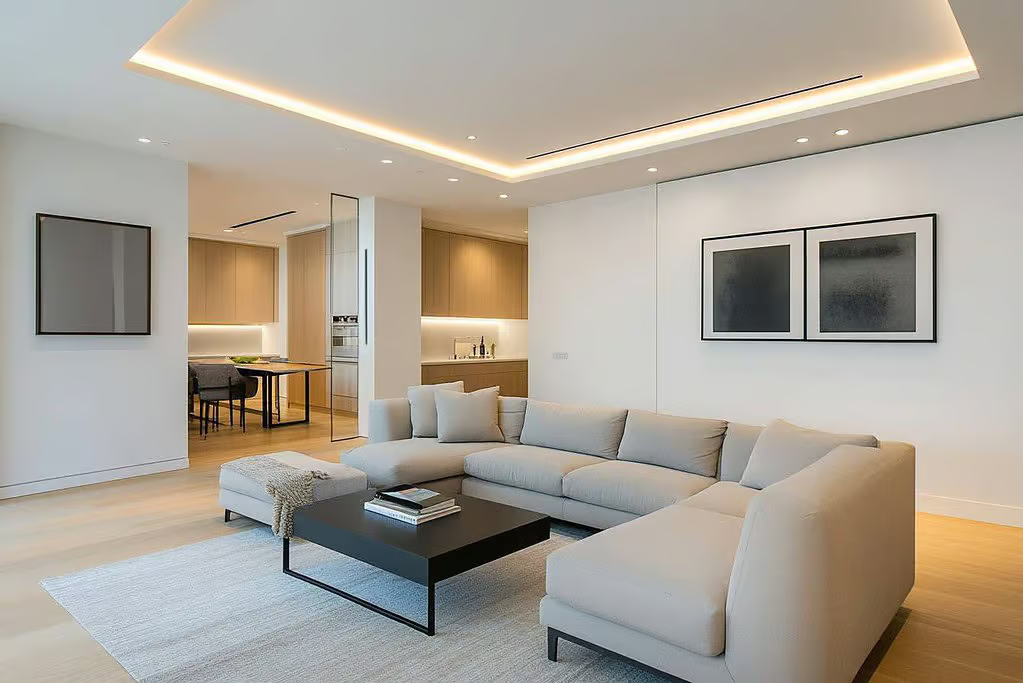
A well-lit home is not just about brightness; it’s about balance, comfort, and personality. Whether you’re designing a new space or refreshing your existing one, a smart lighting plan can completely transform how your home looks and feels. The best part? You don’t need a huge budget to make it happen.

Combining smart home lights with functional and decorative light options can create a lighting setup that fits your style, space, and budget. Here’s how to plan it step by step.

Plan Your Lighting Budget Smartly

Every home lighting project begins with a budget. Having a clear plan helps you make practical decisions without compromising on aesthetics.

Start by listing all the spaces in your home: living room, bedrooms, kitchen, bathroom, and balcony. Then, divide your budget into three categories:

  1. Essential lighting: Basic illumination for safety and function (like ceiling and wall lights).
  2. Accent or decorative light: For adding warmth, style, or highlighting features.
  3. Smart home lights: For flexibility, automation, and energy efficiency.

Even if your budget is limited, start with essential lighting and gradually add smart bulbs or accent lights later. Many smart lighting options are affordable today. They help save energy costs in the long run.

Always leave a small portion of your budget (around 10–15%) for last-minute adjustments or extra fittings you might discover during installation.

Decide the Lighting Type for Each Room

Different rooms serve different purposes, and the lighting should reflect that. When planning, think about what kind of light each space truly needs.

  • Living Room: This is where you relax and entertain, so layer lighting. Combine smart home lights for flexibility, ceiling fixtures for overall brightness, and a decorative light, such as a floor or wall lamp, for warmth.
  • Bedroom: Go for soft, soothing lights. Use warm white tones for rest and smart bulbs that can dim or change colour for reading or relaxation.
  • Kitchen: Focus on functionality. Install task lighting over counters or cabinets to make food preparation easy.
  • Bathroom: Bright, even lighting near mirrors helps during grooming. Use moisture-safe fixtures for safety.
  • Balcony or Dining Area: Decorative lighting like lanterns, string lights, or pendant lamps adds charm and personality.

The right combination of task, ambient, and accent lights ensures that every room feels both practical and beautiful.

Measure Ceiling Height and Room Size

Your ceiling height and room size greatly influence the type of lighting you should choose. A small room with a low ceiling requires a different approach than a spacious one with tall walls.

  • Low ceilings: Choose flush-mounted or recessed smart home lights that distribute light evenly without taking up space.
  • High ceilings: Pendant lights or chandeliers add depth and drama, making large rooms feel cosy.
  • Compact rooms: Use mirrors or light-coloured walls to enhance brightness. A single decorative light can serve both as illumination and a design statement.
  • Large spaces: Layer multiple light sources to avoid dark corners, as one ceiling fixture won’t be enough.

Before installation, sketch your room layout and mark where each light should go. This simple step prevents over-lighting or uneven shadows later.

Assess Natural Light

Natural light plays a huge role in shaping how artificial lighting appears. Before finalising your lighting plan, spend some time observing how sunlight moves through your home during the day.

Rooms with large windows might only need artificial lighting in the evenings, while darker areas may need constant illumination.

  • Use smart home lights in rooms that get variable sunlight. You can easily adjust brightness levels as daylight changes.
  • Place decorative light fixtures near darker corners or spots where sunlight doesn’t reach, to keep the space balanced.
  • Avoid blocking windows with heavy curtains or furniture. Let natural light be part of your overall design.

A well-balanced mix of daylight and artificial lighting makes your home feel natural, spacious, and energy-efficient.

Choose Your Look and Style

Lighting doesn’t just brighten your home; it defines your home’s personality. The final step in your plan is to select fixtures and tones that reflect your taste.

If you prefer a modern look, go for sleek, minimal smart home lights with neutral tones and geometric shapes. For a cosy or traditional feel, choose warm-coloured decorative lights like wall sconces, lanterns, or lamps with fabric shades.

Don’t forget to consider the lighting colour temperature:

  • Warm white (2700K–3000K): Soft and inviting, ideal for living rooms and bedrooms.
  • Neutral white (3500K–4000K): Balanced and versatile, suitable for dining areas and kitchens.
  • Cool white (5000K+): Bright and focused, great for study rooms and bathrooms.

Mixing tones across your home creates mood and variety without overwhelming the senses.

Bringing It All Together

Designing a smart lighting plan isn’t about spending more; it’s about planning wisely. The right blend of smart home lights and decorative lights can make your home look stylish, functional, and comfortable, no matter your budget.

When you thoughtfully match lighting to your space, height, and natural brightness, you not only enhance your interiors but also improve how you feel in them.

So, start simple. Adjust one room at a time, play with tones, and upgrade gradually. With a well-planned approach, your home can shine beautifully: bright where you need it, warm where you want it, and smart everywhere in between.

For centuries, architecture has been about shelter—protection from the elements, comfort, and security. Yet in today’s most exclusive homes, the idea of separation is evolving. High-end residential design is increasingly defined by its ability to merge interiors with the natural world, creating spaces where living rooms flow seamlessly into gardens, kitchens spill out onto terraces, and entire walls disappear to reveal panoramic views. This approach, known as indoor-outdoor living, has become one of the most sought-after hallmarks of luxury home design.

The Allure of Connection

At its core, indoor-outdoor living speaks to a timeless desire: the need to connect with nature. Urbanization and modern lifestyles often separate people from the outdoors, but architectural design is finding ways to bring that connection back—without sacrificing comfort or style. For homeowners, the result is a more fluid lifestyle, one where entertaining, relaxing, and dining are enriched by fresh air, natural light, and the beauty of landscaped surroundings.

High-end residences embrace this concept with designs that make boundaries feel almost invisible. When done well, a home can feel both expansive and intimate, offering the openness of the outdoors and the refinement of interior comfort.

Disappearing Walls and Expansive Views

One of the most striking features of indoor-outdoor living is the use of large, retractable glass walls. These operable systems allow entire façades to slide away, erasing the division between inside and out. For residents, it means that a living room can open to a pool deck in seconds, or a dining space can extend into a lush courtyard for an al fresco experience.

High-performance glazing ensures that even when closed, these walls provide uninterrupted views, insulation, and protection. This technology allows architects to design homes that embrace openness without compromising efficiency or safety.

Outdoor Rooms as Extensions of the Home

Gone are the days when outdoor areas were limited to a patio or a simple lawn. Today’s luxury residences feature outdoor “rooms” complete with kitchens, dining areas, lounges, and even wellness spaces. These areas are designed with the same attention to detail as their interior counterparts, featuring high-quality finishes, integrated lighting, and climate-control solutions such as retractable awnings or heated flooring.

Fireplaces, water features, and sculptural landscaping add ambiance, ensuring outdoor spaces feel just as refined as the interiors. In effect, the home’s footprint extends seamlessly, with no drop in comfort or sophistication.

Blending Natural and Built Environments

Indoor-outdoor living goes beyond open walls and terraces. It also reimagines how nature itself is integrated into the architecture. Courtyards, green roofs, and interior gardens blur the line between built space and landscape, creating immersive environments that surround occupants with greenery.

Biophilic design—an approach that emphasizes the human connection to nature—plays a key role here. Elements like natural wood, stone, and water features help soften transitions and create a holistic sense of harmony between the home and its environment.

Climate-Sensitive Design

Indoor-outdoor living requires sensitivity to climate. In tropical or coastal regions, shade and airflow are prioritized to keep spaces cool and inviting. In cooler climates, heated outdoor areas and insulated glazing extend the usability of terraces and patios year-round.

Smart systems also play a role, with retractable shading, motorized screens, and automated heating or cooling responding to weather conditions in real time. These innovations ensure that outdoor spaces are not just seasonal luxuries but practical, comfortable areas throughout the year.

Entertaining Without Boundaries

For those who love to entertain, indoor-outdoor living offers unmatched possibilities. Guests can move seamlessly between indoor lounges, outdoor kitchens, and landscaped gardens, enjoying a cohesive environment without crowding or constraints.

Architects often design these spaces with a central flow in mind, ensuring that indoor and outdoor zones complement one another. The result is not just visual harmony but also functional efficiency—a hallmark of high-end design.

Wellness and Lifestyle Benefits

The integration of outdoor living is more than an aesthetic choice; it also supports health and well-being. Natural light and ventilation improve air quality and support circadian rhythms, while access to outdoor spaces encourages physical activity and relaxation. For many residents, the ability to wake up, step onto a terrace, and enjoy the sunrise is as much a luxury as any high-end finish or technology.

The Role of Luxury Residential Architects

Indoor-outdoor living requires vision, precision, and innovation. It demands more than simply adding sliding doors or patios—it calls for a thoughtful reimagining of spatial flow, materiality, and environmental context. This is why the expertise of luxury residential architects is so crucial. Their role is to create seamless transitions that enhance lifestyle while ensuring structural integrity, energy efficiency, and aesthetic distinction.

By balancing artistry and engineering, architects design homes that capture the essence of modern luxury: spaces that celebrate openness, connection, and harmony with the natural world.

Indoor-outdoor living represents the next evolution in high-end residential design. It allows homes to become sanctuaries that are at once open and private, expansive and intimate, natural and sophisticated. By erasing boundaries, architects are redefining how people experience luxury living.

In these spaces, the walls may disappear, but the sense of comfort, beauty, and refinement only grows stronger. It is proof that true luxury lies not in isolation, but in connection—connection to the environment, to community, and to the simple joys of living both indoors and out.

Designing your own space can be an exciting and creative experience. By creating your own interior plan, you can express yourself, take thoughtful decisions and bring your vision to life. It is important to have a plan before you begin looking at furniture and paint samples.

Why make your own interior design plan?

When you design your own interior, you are in total control of the look and feel of your home. You know best what you like, how you live and what your daily routines are. By planning your design, you can create a space that is both functional and aesthetic.

It is also cost-effective to create your own space. You can plan carefully to save money, reuse furniture that you already have and avoid costly mistakes. Enjoy the thrill of seeing your ideas come to life, one step at a time.

Step One: Determine Your Purpose

Before choosing colors or furniture, define the purpose of your space. Ask yourself: “What is the purpose of this space?” You can use it for sleeping, relaxing, working or entertaining. Each room’s layout, lighting, furniture, and decorative items can be determined by its purpose.

For example, a home office may need practical storage and task lighting, while a living room may focus more on comfort and ambience.

Step Two: Know your style

Your personal style will influence your design choices. Are you more attracted to minimalist or modern design? Do you prefer rustic textures or bold colors and eclectic patterns, or a combination of both? Find inspiration by browsing magazines, online galleries and social media platforms.

Your design decisions can be guided by a mood board or digital collage with images, textures and colors.

Step Three: Measure and map the project

A successful design plan is built on good measurements and careful planning. Measure the space, including windows, doors, and ceiling height. Plan where to place large furniture, and ensure there is space for movement.

Before moving anything, you can draw out a plan on graph paper or digital design software. You can also avoid buying furniture that’s too big for your room.

Step Four: Choose colors and materials

The color of an area can significantly impact its mood. Neutral colors can be calming, while brighter colors bring personality and energy. Select a color scheme that is cohesive and consider how each room interacts with the others.

Consider materials that match your lifestyle–easy-to-clean fabrics for busy households, natural textures for a warm, inviting vibe, or sleek finishes for a modern look.

You need to have a vision, pay attention to detail and time to develop an interior design plan for your home. This will improve the quality of your life and transform your home. With a little creativity and planning, you can make your home.

This post was written by a professional at Miracle Furniture. Miracle Furniture is your destination for creating beautiful, comfortable living spaces in Tampa and St Petersburg furniture stores. We pride ourselves on offering a thoughtfully curated collection of high-quality furniture and decor to suit every style, from timeless classics to sleek modern designs. Whether you’re looking to refresh a room or furnish an entire home, our wide selection combines exceptional craftsmanship with affordable options to fit any budget. Our friendly, knowledgeable team is dedicated to helping you find pieces that reflect your personality and enhance your daily life. Visit our showroom today and let us help you turn your house into the home of your dreams.

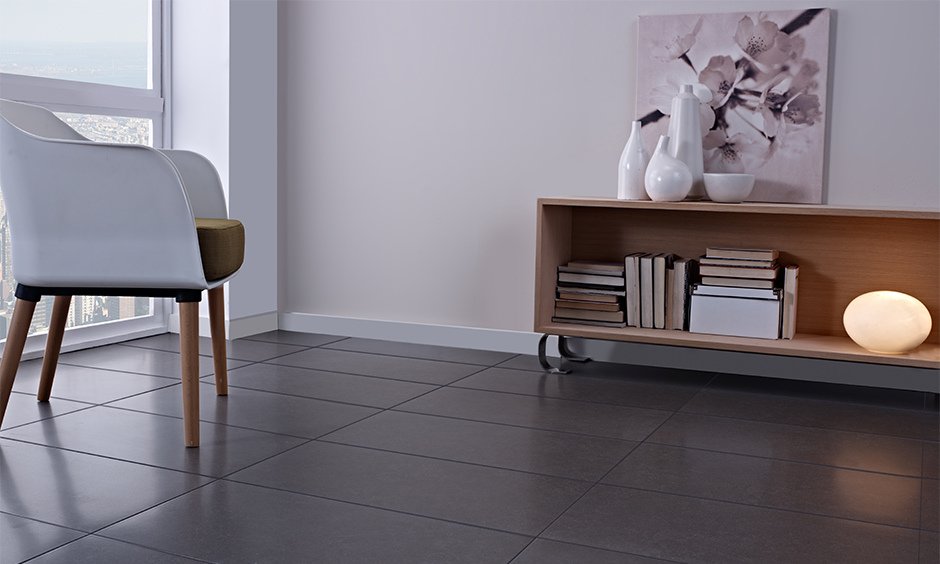
Choosing the right tiles for your space is a task in itself. One needs to involve in thorough research and understanding before coming to picking tiles models for their space. There are plenty of designs and models out there and one needs to take some time out to find out the ultimate model that fits in your space and makes you feel best. Be it a residential space or commercial space, one need to be cautious in choosing the best tiles model as it can make or break the look of the entire space. It needs to be understood that there are some stunning range of floor tiles models that are being introduced in the market from time to time.

Ultimate tiles designs

When you choose professional tiles company, they make sure to provide you with the best of support no matter what.One needs to check with the latest of designs that have come by going with a trusted and reliable ceramic tiles company. Bezen is a trusted ceramic tiles provider for floors and walls. They have a huge range of collections to choose from and there are endless designs that are best for both interior and exterior designing with tiles.

Hexagon tiles

Hexagon tiles are quite popular tiles range of the lot that has a lot of advantages as well. It comes as one of the exotic tiles collections which includes romestreet, square, Vienna and other such models. It is specifically built for sturdiness and also gives the perfectly stunning look. It is known that Vienna offers for the best finish for tiles. Also, Square tiles give a luxurious classy and stunning look as well in every way. Hexagon tiles (กระเบื้องหกเหลี่ยม, term in Thai) are known to have garnered widespread reach and attention over the years. It comes with a unique style and class at every level and it reflects elegance. Known to offer a different whole new life to the region. Used both on the interiors and exteriors of the building, it is extensively preferred by one and all. Perspective, it adds up a personality to the interior space and brings a

Hexagon tiles have a separate character in itself and it is impeccable both on floors and walls as well. Most commonly known as Japan Hexagonal tiles, it comes as an essential part of the design offering the much-needed outlook that one is known to achieve in the present-day buildings. Both Japan classic version and Japan Nano coated version are quite popular tiles design that are now being used widely by many across the world.Bezennot only has a large collection of quality tiles in all designs and shapes butit also comes across as the best option when one checks and compares with other such models available in the market. When it comes to budget, quality, design and output of this unique style of hexagon tiles, Bezen comes across as the best and most preferred one of the lots. Check out the official site to know more about what it has to offer.


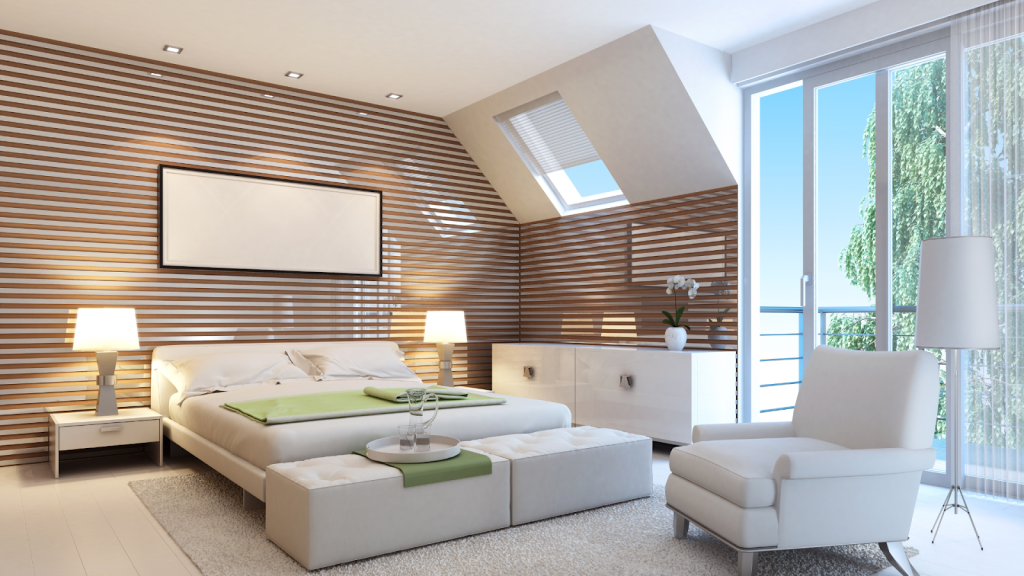
Interior design transcends mere aesthetics, playing a pivotal role in enhancing the quality of our daily lives. Carefully curating space, color, and texture can transform a simple bedroom into a sanctuary that embodies tranquility and joy. By embracing principles of harmony and functionality, one can craft an environment that reflects personal style and supports well-being. This synergy between design elements and emotional comfort is the cornerstone of creating a rejuvenating home that aligns with one’s lifestyle.

A harmonious home is not just about visual appeal; it’s about creating spaces that resonate with the inhabitants’ sense of peace and happiness and a good Aurora remodeling contractor can craft it for you. The bedroom, being the cornerstone of personal retreat, demands special attention.

Through a thoughtful selection of furnishings, lighting, and decor, one can forge a restful ambiance that promotes relaxation and reflects the homeowner’s unique tastes. Striking the right balance between elegance and coziness ensures the bedroom is not just a place to sleep but a bastion of renewal and personal joy.

For additional insights on choosing the perfect bed to enhance your bedroom’s comfort and style, visit this guide by Casa Concetto, a renown luxury furniture store in Singapore.

Understanding Bedroom Dynamics

The Role of the Bedroom in Home Vitality

The bedroom is not just a place for rest; it’s a cornerstone of home vitality. It’s where the day’s stress is shed, and restorative sleep occurs, impacting our energy and mood. A thoughtfully designed bedroom, harmonious in function and aesthetics, acts as a personal retreat that can enhance the quality of life. It’s a sanctuary where one can unwind, reflect on personal tastes, and support well-being.

The Psychology of Color and Mood

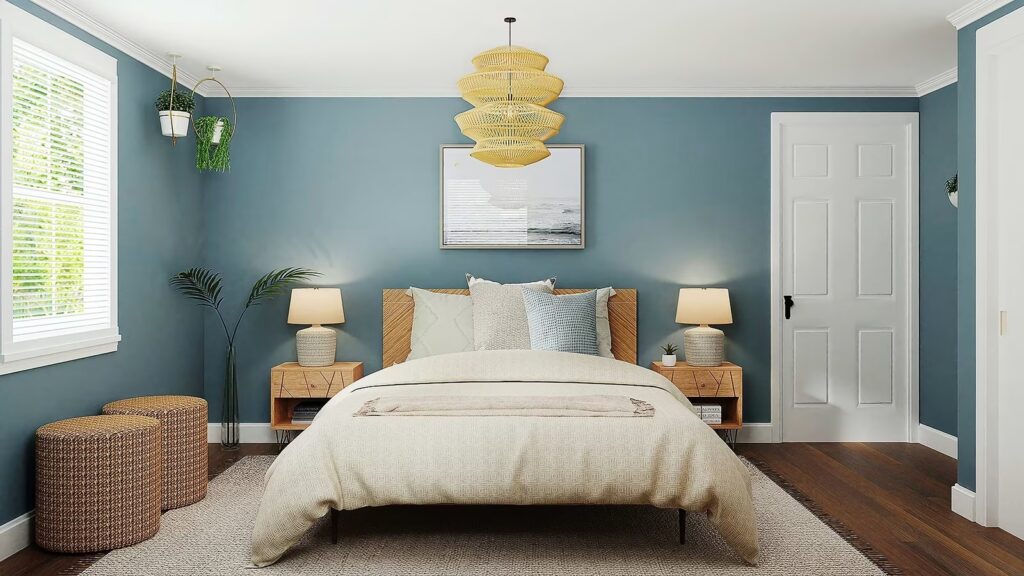
The hues chosen for a bedroom’s walls and decor are not merely a matter of taste but play a significant role in emotional and psychological health. Color choices in the bedroom can either soothe or energize. For instance, blues evoke tranquility, making them perfect for creating a restful space. On the other hand, vibrant colors like red stimulate the mind, which is better suited for accent pieces rather than primary wall colors.

The Importance of Personal Space and Sanctuary

Creating a personal haven within the bedroom balances aesthetics and individual needs. Mental health must have a personal space that feels uniquely ours, a sanctuary where we can be at ease. This space should cater to relaxation and self-care, equipped with cherished personal items, comfortable seating, and areas for reading or meditation, promoting a sense of peace and solitude.

Essential Elements of Bedroom Design

Choosing the Right Color Palette

Selecting the right color palette for a bedroom is about more than following design trends; it’s about creating a personalized atmosphere. Neutrals can serve as a calming backdrop, while strategic pops of color can add character without overwhelming the senses. The palette should resonate with the inhabitant’s personality while fostering the room’s intended mood of relaxation and serenity.

Selecting Comfortable and Supportive Furnishings

Comfort and support are paramount when it comes to bedroom furnishings. A quality mattress and ergonomic pillows are investments in comfort that can significantly improve sleep quality. Furniture should be scaled to the room’s size to avoid a cluttered environment, with each piece serving a functional or decorative purpose. The arrangement should promote easy movement and a sense of order.

Incorporating Natural Light and Ventilation

Incorporating natural light and proper ventilation into a bedroom’s design can improve its livability. Natural light can boost mood and help regulate sleep cycles, while good ventilation promotes fresh air circulation, which is essential for a healthy sleeping environment. Thoughtful placement of windows, as well as the use of airy, light-permeable window treatments, can maximize these elements’ benefits.

Organizational Strategies for Serenity

Clutter-Free Environments and Mental Well-being

A bedroom free of clutter is a canvas for mental serenity. It’s not just about organizing your belongings; it’s about freeing up space for your thoughts to flow freely. When each item is intentionally placed, the mind can relax, unfettered by the chaos of visual noise. This intentional approach to living space can significantly decrease stress levels, leading to better focus, improved sleep quality, and a profound sense of personal sanctuary.

Storage Solutions for Peace and Order

Peace and order in the bedroom begin with smart storage. Imagine drawers that smoothly close, containing your essentials, and wardrobes that keep your clothes neatly hung or folded, out of sight but accessible. Utilizing vertical space with shelves or choosing beds with built-in storage can maintain aesthetic appeal without sacrificing functionality. This level of organization creates a flow in the room that is both practical and peaceful, offering a visual and mental respite from the outside world.

The Impact of Minimalism on Relaxation

Minimalism in the bedroom goes beyond style; it’s a philosophy that fosters relaxation. By selecting fewer items of higher quality, you’re designing a space and crafting an experience. A minimalist room from Centennial Colorado home remodeling contractor with ample space allows for effortless movement and an uncluttered mind. It encourages a restful environment where the lack of disorder reflects and promotes inner peace, proving that sometimes, less is more when it comes to relaxation.

Integrating Technology for Enhanced Comfort

Smart Lighting Systems for Better Sleep

The transformative power of innovative lighting systems with home renovation Lakewood can create a sleep-conducive environment in your bedroom. These systems adapt to your personal sleep cycle, gently dimming as the night progresses, inviting a natural sense of drowsiness. You can program them to simulate sunrise, gradually brightening to wake you gently, contributing to a restful night and an energized morning, all in harmony with your body’s circadian rhythms.

Automated Climate Control for Optimal Relaxation

Automated climate control systems ensure your bedroom environment is always set to your ideal temperature. With a button, you can adjust settings for a more relaxed ambiance for restful sleep or a warmer one for cozy evenings. This personalization is a game-changer for comfort, allowing the room to become an adaptable comfort zone that responds to your needs throughout the year.

Sound Systems and White Noise for Tranquility

Sound systems and white noise machines can create a tranquil atmosphere in your bedroom. The right sounds can mask disruptive noises from the outside world, enveloping your tranquility. Whether it’s the gentle crash of ocean waves, the steady patter of rain, or the consistent whisper of white noise, these auditory cues can significantly enhance the quality of your relaxation and sleep.

Personal Touches that Inspire Joy

Incorporating Art and Personal Memorabilia

Elevating your bedroom’s aesthetic can be as simple as showcasing art and personal keepsakes that resonate with your story. A gallery wall featuring a mix of your favorite prints and photographs can become a focal point, offering a daily dose of inspiration. Display treasured mementos on shelves or a dresser, turning them into decorative pieces that narrate your journey. This approach personalizes your space and surrounds you with memories that spark joy.

The Role of Plants and Greenery

Introducing plants to your bedroom invites a slice of nature indoors, creating a serene and oxygen-rich environment. The presence of greenery, from a statement potted tree to a collection of succulents on a windowsill, can elevate mood and enhance air quality. Choose low-maintenance varieties that thrive indoors to ensure longevity. Caring for them can also become a soothing ritual that nurtures your space and well-being.

Curating a Personal Reading Nook or Meditation Space

Creating a dedicated nook in your bedroom for reading or meditation can serve as a private sanctuary for tranquility and reflection. Start with a comfortable chair or floor cushions, add soft lighting, and a side table to hold books or a cup of tea. This curated corner should be a clutter-free zone reserved for moments of relaxation. It’s a simple luxury that can significantly enrich your daily routine and overall joy at home.

Embracing Denver remodeling to revitalize your bedroom is a transformative step towards enhanced well-being and joy. You create a refuge that offers more than sleep by personalizing your space with thoughtful touches like art, greenery, and a serene reading nook. It becomes a tailored expression of your unique style and a catalyst for daily rejuvenation. Upgrading your bedroom amplifies home vitality and infuses your life with peace and contentment throughout your living space.