
Category

Home

Category

Table of Contents

  • Eco-Design in Septic Systems
  • Biochar Integration for Enhanced Treatment
  • Smart Monitoring Technologies
  • Decentralized Wastewater Treatment
  • Eco-Friendly Toilet Alternatives
  • Upcycling Human Waste
  • Final Thoughts

As communities and industries increasingly focus on environmental responsibility, wastewater management systems are undergoing substantial innovation. Previously, traditional septic systems were often viewed as necessary yet inefficient methods for handling household and industrial waste in areas lacking access to centralized sewage treatment. Now, advancements rooted in sustainability and efficiency are transforming the design, manufacture, and implementation of septic systems for long-term viability. The integration of modern septic tank manufacturing approaches is driving this shift, prioritizing materials and methods that reduce environmental impact while meeting the evolving needs of users.

Septic systems that once relied heavily on conventional, non-renewable resources are now benefitting from novel materials, energy-saving monitoring technologies, and proven scientific research. These changes not only address the direct environmental concerns related to septic effluent but also offer a scalable model adaptable to diverse communities and regulatory frameworks. Developers, homeowners, and municipal stakeholders now have more options to choose from—balancing resource conservation, cost-effectiveness, and regulatory compliance within progressive septic system frameworks.

Eco-Design in Septic Systems

Modern septic system designs emphasize environmental stewardship by incorporating renewable materials and regionally sourced components. A leading example is the Ecoflo linear biofilter, which utilizes natural, renewable materials and locally sourced sand to reduce both its carbon footprint and operational costs significantly. This design’s NSF certification not only ensures compliance with rigorous health and safety standards but also facilitates its adoption across various regional climates and regulatory conditions. By focusing on sustainability during the design phase, these systems benefit from increased durability, reduced maintenance, and overall lifecycle savings, aligning with modern construction and renovation philosophies.

Biochar Integration for Enhanced Treatment

Recent studies from institutions like the University of North Carolina at Chapel Hill have demonstrated the potential of biochar—a carbon-rich material produced from organic biomass, such as oak wood chips—to improve wastewater treatment within septic tanks significantly. Biochar filters capture nutrients and organic matter before they reach drainfields or groundwater, resulting in notable reductions in nitrogen, phosphorus, and other harmful contaminants. Beyond improved environmental outcomes, biochar is easily integrated into existing systems and leverages a sustainable waste-to-resource cycle. Working with a knowledgeable septic tank supplier can help ensure proper installation and integration of biochar systems into your septic setup. As discussed in a Scientific American report, the global adoption of biochar in wastewater treatment could play a vital role in circular economy models that prioritize resource efficiency and environmental quality.

Smart Monitoring Technologies

The rise of the Internet of Things (IoT) in septic system monitoring provides homeowners, builders, and service providers with exceptional insights. Modern septic tanks can now be equipped with remote sensors that measure water levels, detect leaks, and flag early warning signs for maintenance or repairs. Data from these systems is transmitted in real time, empowering proactive system management and reducing the risk of costly failures and ecological contamination. Remote monitoring is particularly beneficial for properties in remote or rural areas, ensuring optimal performance and compliance with environmental standards.

Decentralized Wastewater Treatment

Decentralized systems are ideally suited for small-scale sites, rural communities, and new developments, offering effective, low-energy, and chemical-free treatment close to the source. These setups are especially attractive for new residential areas and eco-conscious developments, as they reduce the need for extensive infrastructure investments. Decentralized solutions also minimize chemical usage, carbon emissions, and energy consumption, making them a highly sustainable alternative to conventional wastewater management approaches.

Eco-Friendly Toilet Alternatives

The quest for water savings and nutrient management has led to a surge in popularity for eco-friendly toilet options—such as urine-diverting and composting toilets. These systems drastically reduce water consumption and prevent nitrogen and phosphorus pollution by separating waste streams at the source. Not only are such technologies practical in remote and off-grid locations, but they are also gaining traction in urban “green builds” where a reduced environmental footprint is essential. These alternatives increasingly appeal to municipalities seeking to meet new sustainability targets and protect sensitive water bodies.

Upcycling Human Waste

Beyond safe containment and treatment, innovative composting systems now facilitate the upcycling of human waste. Research indicates that composted excrement undergoes a transition in its microbiome, transforming from a gut-like to a soil-like ecosystem. This process recycles nutrients efficiently back into agricultural and landscaping soils, reducing reliance on synthetic fertilizers and contributing to improved global food security. In high-density or water-scarce regions, composting toilets and similar waste recycling systems offer sustainable pathways for managing both sanitation and resource scarcity.

Final Thoughts

Septic tank solutions have undergone a radical transformation in recent years, driven by eco-design, advanced treatment materials, smart monitoring, and decentralized systems. With continued innovation and support from responsible manufacturers and suppliers, septic systems now provide a sustainable, practical foundation for wastewater management worldwide. These advancements not only protect public health and the environment but also establish a baseline for resilient, adaptable infrastructure that is suited for modern communities.

Quality sleep is no longer seen as a luxury in 2026; it is recognized as a fundamental pillar of physical health and mental well-being. As our understanding of ergonomics and spinal health improves, more people are moving away from traditional flat mattresses toward more customizable solutions. The ability to tilt, elevate, and contour the sleeping surface allows for better circulation, reduced snoring, and a significant improvement in chronic back pain. Transforming your bedroom into a personalized recovery zone starts with selecting a foundation that can adapt to your body’s unique requirements.

For the modern consumer in India, the variety of choices can be overwhelming, with different technologies offering varying levels of support and durability. Whether you are a side sleeper who needs pressure relief or a back sleeper who requires lower lumbar support, the right frame can make a world of difference. Investing in a high-quality adjustable bed frame India ensures that you have a durable and technologically advanced piece of furniture that supports your health for decades. Choosing the right system involves a balance of mechanical precision, aesthetic design, and the quality of the motor systems used in the assembly.

The Benefits of Customizing Your Sleeping Posture

The primary advantage of moving away from a static surface is the ability to achieve “zero gravity” positioning, which takes all pressure off the spine and heart. This level of customization is what makes the best adjustable beds so effective at treating conditions like acid reflux and poor circulation in the lower legs. By raising the head slightly, you can open the airways, significantly reducing or even eliminating snoring for many users. This proactive approach to sleep hygiene leads to deeper, more restorative rest and more energy during your waking hours.

Selecting a Frame for Long-Term Durability

When exploring the market, it is important to focus on the build quality of the internal frame and the quietness of the lifting motors. A premium adjustable bed frame India should operate almost silently, allowing you to change your position without disturbing your partner in the middle of the night. Look for frames that are made from high-grade steel and feature reinforced joints to prevent creaking over time. A robust foundation is essential for supporting the weight of a heavy mattress and the sleepers while maintaining a smooth and steady movement.

Finding the Right Aesthetic for Your Bedroom

Modern technology doesn’t have to look like a hospital piece, as today’s designs are sleek and upholstered to match any high-end interior. The best adjustable beds available today feature “wall-hugging” technology, which ensures that the mattress stays close to the nightstand even when the head is elevated. This attention to detail ensures that your bedroom remains a sanctuary of style and comfort rather than a cluttered medical room. You can choose from various fabric colors and headboard styles to ensure the bed integrates seamlessly with your existing decor.

Enhancing Comfort with Integrated Technology

Many top-tier frames now come equipped with extra features like under-bed lighting, USB charging ports, and dual-zone vibration massage. When you choose a high-end adjustable bed frame India, you are getting a multi-functional piece of furniture that enhances your evening ritual of reading or watching television. These integrated features provide a touch of luxury that makes the bed the most enjoyable place in your home. Smart home integration allows you to adjust your bed through voice commands or a smartphone app, providing the ultimate level of convenience.

Matching Your Mattress to the Adjustable System

It is important to remember that not all mattresses are compatible with a moving foundation, so you must choose one with the right flexibility. The best adjustable beds work most effectively with memory foam, latex, or specialized hybrid mattresses that can bend without losing their internal structure. Avoid using old-fashioned innerspring mattresses, as the rigid wires can snap or become permanently deformed when the bed is tilted. A perfectly matched system ensures that you get the maximum benefit of the adjustable technology while maintaining the comfort of the cushioning layers.

Investing in Your Long-Term Vitality

Ultimately, the price of a high-end bed is a small investment when compared to the decades of better health and reduced pain it provides. By choosing adjustable beds, you are making a commitment to your long-term recovery and overall vitality. As we age, our bodies require better support and improved circulation, making this technology a wise choice for both young professionals and seniors. There is no greater luxury than waking up every morning feeling refreshed, pain-free, and ready to take on the challenges of a new day.

Veneer furniture has been a defining feature of stylish interiors for generations, providing the appearance of wood. Crafted from thin cuts of wood veneer sheets bonded to a strong core, these pieces of furniture are elegant as well as long-lasting. From dining tables to closet and cabinet space, veneer furniture not only is stunning but contributes to the warmth and character of a home. But like any luxury product, veneer wears off and needs to be properly maintained in order to retain its deep appearance. With some attention, veneer furniture can be maintained glossy for generations.

Understanding Veneer Furniture

Prior to discussing tips on care, it’s interesting to know what makes veneer stand out. Compared to artificial finishes or laminates, veneers are made of real wood. This means each individual piece contains natural grain and tone inconsistencies. Wood veneer sheets may also render furniture environmentally friendly with negligible use of timber. Veneers have actual wood surfaces and require the same attention and maintenance as any other fine wooden finish. Proper cleaning and care are the keys to your veneer design looking as luxurious as the day it was installed.

Everyday Cleaning for Regular Care

One of the easiest and best methods of maintaining the veneer furniture in good condition is cleanliness of the furniture. Dust particles and dirt will make the surface dull with time, and thus wiping furniture with a soft dry or damp cloth is most ideal. Avoid soaking the surface in water because excess water has a potential of seeping through veneer and ruining material underneath. Use gentle, soft cleaning chemicals. Avoid scrubbing or use of strong chemicals, as they will strip the veneer of its finish and damage the smooth surface of the veneer. Be gentle when handling the veneer to preserve the natural shine.

Preserving the Shine

Sunlight, heat, and moisture can affect the veneer finish of the furniture. Fading results from exposure to direct sunlight. One can place furniture far from the window, or make use of curtains and blinds. Make sure to prevent too much contact with water, and constant presence of moisture and humidity to prevent warping. Placemats, coasters, and tablecloths also keep unnecessary scratches, water rings, and heat marks at bay, thus maintaining the veneer design at its best.

Polishing the furniture occasionally with a veneer-friendly polish will restore its glow. Make sure to use products specifically designed for veneers.

Handling Scratches and Stains

Even with proper handling, scratches and stains may occur on the surface. One of the benefits of veneers is that they can usually be refinished or polished to appear as good as new. Small scratches on the surface can be reduced by soft buffing with a soft cloth and the proper polish. Refinishing professionally will restore the lustre on larger damage without having to replace the whole piece. Spills must be wiped immediately to prevent the deposit of permanent stains.

Long-Term Durability Through Care

The durability of veneer furniture is no less due to its design composition. Caring for it the right way not only extends its lifespan by years but also keeps the natural beauty of wood veneer panels at the focal point of your living area’s aesthetic. Being careful with more delicate considerations such as positioning, upkeep, and protection, owners can maintain the visual appeal of veneers without excess worries of deterioration.

Veneer furniture is an investment in luxury and sophistication. Its rich tones, natural texture, and adaptability in use make veneer a coveted selection for contemporary interiors. With consideration and gentle maintenance, wiping off dust, careful placement, preventing scratches to polishing and removing scratch marks, protecting from spills one can keep the veneer design looking its best for decades ahead. By choosing high-quality wood veneer sheets like those offered by Royale Touche, one can enjoy the work of beauty along with its long-lasting strength to your home environment.

Metal doors are the quiet multitaskers of the commercial building world. They secure warehouses, protect inventory, resist weather, handle traffic, and look good doing it — all without demanding attention or snacks.

Whether you’re upgrading, repairing, or replacing one, understanding how commercial metal doors differ from their wooden or aluminum cousins can save you a lot of guesswork (and a few dollars).

Solid vs. Hollow Metal Doors: The Showdown

The first decision commercial property owners face sounds like a trick question: solid or hollow?
Spoiler: both are useful, depending on the job.

Solid metal doors shine where privacy, sound-dampening, or security matter.
Hollow metal doors, meanwhile, offer strength without excessive weight — a blessing for hinges and heavy traffic environments.

Choosing wrong isn’t catastrophic, but choosing right makes the door’s whole lifespan easier.

Function Dictates Form (Not the Other Way Around)

Before anyone gets excited about aesthetics, it’s smart to think about application.
For example:

  • Industrial spaces: prefer strong, self-respecting metal
  • Offices: need quieter, smoother operation
  • Public buildings: need durability + fire ratings + hardware compatibility

The best doors don’t just look appropriate — they behave appropriately.

Repair vs. Replacement: The Honest Question

Metal doors are durable, but they’re not indestructible. Impact damage, rust, hardware fatigue, and misalignment can push owners to decide between metal door repair and a full replacement.

Repair makes sense when the door’s structure is intact and issues are hardware-related. Replacement makes more sense when corrosion has gone from “quirky patina” to “structural liability.”

Installation: The Part No One Talks About (But Should)

Here’s a secret of the industry: a great door performs terribly when installed poorly. Frame alignment, hinge calibration, threshold tolerances, and hardware integration matter — a lot.

Professional metal door installation ensures the door swings, seals, and latches the way it was engineered to — not the way gravity and luck decide.

More Than Just Security

Commercial metal doors are known for strength, but they also contribute to:

  • Fire safety
  • Climate control
  • Noise reduction
  • Access management

They’re basically the Swiss Army knives of commercial entrances.

Final Take

Whether you’re replacing a metal door, repairing one, or specifying metal doors for new construction, the key is matching material and configuration to performance demands. Solid, hollow, insulated, galvanized — the options are there for a reason.

Because in a building full of moving pieces, choosing the right door means getting one less thing to worry about.

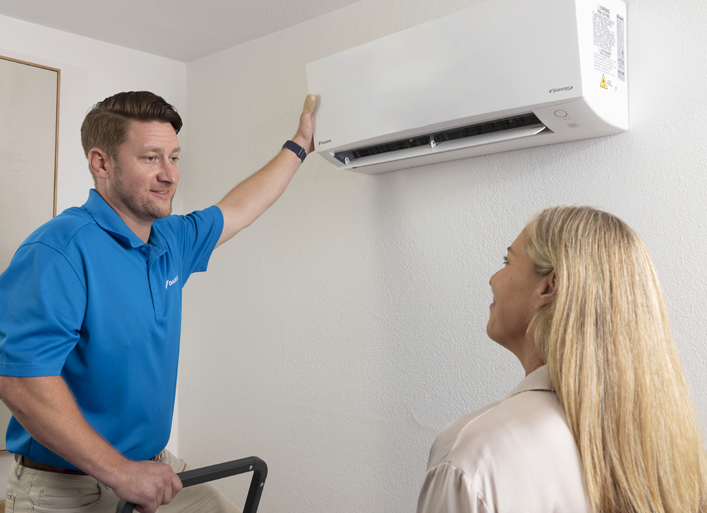
When something goes wrong with your heating, cooling, or plumbing, it often happens at the worst possible time. A broken furnace in winter, a failing air conditioner during a heatwave, or an unexpected leak can disrupt your entire day. That’s why so many homeowners and businesses search for HVAC near me solutions that are fast, dependable, and handled by experienced professionals who understand local needs.

Complete HVAC Services for Year-Round Comfort

A properly functioning HVAC system is essential for indoor comfort, energy efficiency, and air quality. Professional technicians provide comprehensive services ranging from routine maintenance to emergency repairs and full system replacements. Whether you’re dealing with uneven temperatures, strange noises, or rising energy bills, expert HVAC support ensures your system operates at peak performance.

HVAC installation is especially important when building a new property or upgrading an outdated system. Modern units are designed to be more energy-efficient and environmentally friendly, but they must be correctly sized and installed to deliver optimal results. A professional installation helps extend system lifespan, reduce long-term costs, and improve overall comfort.

Fast and Effective Heating Repair

When temperatures drop, heating problems can quickly become critical. Prompt heating repair services help restore warmth and safety to your home or workplace. Trained technicians can diagnose issues with furnaces, heat pumps, or boilers, addressing everything from faulty thermostats to worn-out components.

Timely heating repair not only keeps you comfortable but also prevents minor issues from turning into expensive breakdowns. Regular inspections and maintenance are a smart way to ensure your heating system is ready when you need it most.

Expert Air Condition Repair for Hot Days

During the warmer months, a malfunctioning air conditioner can make indoor spaces unbearable. Professional air condition repair services focus on quick diagnostics and efficient solutions to restore cool air flow. Common problems such as refrigerant leaks, clogged filters, or electrical faults are handled safely and effectively by trained specialists.

Routine maintenance combined with prompt repairs helps improve cooling efficiency, lower energy consumption, and extend the life of your air conditioning unit.

More Than HVAC: Plumber Near Me Services

Heating and cooling systems often work alongside plumbing infrastructure, making it convenient to rely on one trusted provider for both. When you search for a plumber near me, you’re looking for someone who can handle leaks, clogged drains, pipe repairs, and water heater issues without delay.

Having access to both HVAC and plumbing expertise ensures seamless service coordination, especially during emergencies. Whether it’s a burst pipe or a failing water heater, professional plumbers deliver fast, effective solutions that protect your property from further damage.

Why Local 24/7 Service Matters

Emergencies don’t follow a schedule. That’s why round-the-clock availability is so important when choosing HVAC and plumbing services. Local technicians understand regional climate challenges, building codes, and common system issues, allowing them to respond quickly and work efficiently.

Choosing a reliable local provider means:

Faster response times

Personalized service

Knowledge of local systems and regulations

Long-term support and maintenance options

A Smarter Choice for Your Home or Business

From HVAC installation and heating repair to air condition repair and dependable plumber near me services, having one trusted team simplifies property maintenance. Professional service not only fixes immediate problems but also improves system reliability, energy efficiency, and overall comfort.

When you search for HVAC near me, you’re not just looking for a quick fix—you’re looking for peace of mind. Experienced technicians, modern tools, and a commitment to quality ensure that your heating, cooling, and plumbing systems are in expert hands, no matter the season or situation.

Renovating your home is an exciting opportunity to transform your living space, improve functionality, and increase property value. However, a successful renovation requires more than just picking out new paint colors or furniture. Hiring the right professionals and utilizing essential services can make the process smoother, more efficient, and ensure a high-quality outcome. From exterior improvements to energy efficiency upgrades, understanding the services you need is critical for a renovation that truly enhances your home.

Stucco Contractor: A Strong and Attractive Exterior

A stucco contractor can play a pivotal role in giving your home a polished, durable exterior finish. Stucco is not only aesthetically versatile but also provides excellent weather resistance and long-term protection for your walls. A professional stucco contractor ensures that the surface is applied correctly, preventing cracks and moisture damage. Whether you are looking to repair existing stucco or completely resurface your home, engaging a skilled contractor guarantees a lasting finish that adds both beauty and value to your property.

Spray Foam Insulation: Enhancing Energy Efficiency

Upgrading insulation is a smart investment for any renovation, and spray foam insulation is one of the most effective options available. Spray foam insulation seals gaps and cracks that traditional insulation might miss, providing superior thermal protection. This service can significantly reduce heating and cooling costs while keeping your home more comfortable year-round. Hiring experts to install spray foam insulation ensures proper application, maximizes energy efficiency, and contributes to a healthier living environment by minimizing air leaks and moisture intrusion.

Kitchen and Bathroom Remodeling: Functional and Stylish Spaces

Kitchens and bathrooms are among the most important areas to upgrade during a renovation. Professional remodeling services can help you reconfigure layouts, install modern fixtures, and select durable materials that enhance both style and functionality. Expert remodelers ensure that plumbing and electrical systems are handled safely and efficiently, while also helping homeowners choose finishes that match their design vision. Investing in these upgrades not only improves your daily living experience but also significantly increases your home’s resale value.

Roofing Services: Protection and Longevity

Your roof is essential to the structural integrity of your home, making roofing services a critical consideration during renovations. Whether you need repairs, replacement, or a complete upgrade, professional roofers provide expertise that ensures your home is protected from leaks, weather damage, and energy loss. A quality roofing service uses high-grade materials and proper installation techniques, offering peace of mind that your home will remain safe and durable for years to come.

Flooring Installation: Durable and Beautiful Surfaces

Replacing or upgrading your floors can completely transform the look and feel of your home. Flooring installation services cover a wide range of materials, including hardwood, laminate, tile, and vinyl, each offering unique benefits. Professionals ensure proper subfloor preparation, precise installation, and finishing touches that enhance durability and visual appeal. Well-installed floors not only improve the aesthetics of your home but also provide a foundation for long-term comfort and functionality.

Electrical and Plumbing Services: Safety and Efficiency

During a renovation, updating or upgrading electrical and plumbing systems is crucial for both safety and convenience. Licensed electricians and plumbers ensure that wiring, outlets, pipes, and fixtures meet current standards and function efficiently. From installing modern lighting solutions to upgrading water systems, these services prevent future issues, reduce the risk of hazards, and improve the overall performance of your home.

Landscaping and Exterior Upgrades: First Impressions Matter

Finally, exterior services such as landscaping, hardscaping, and outdoor lighting can dramatically improve the curb appeal of your home. Professional landscapers help design and execute outdoor spaces that complement your home’s architecture while adding functionality for relaxation and entertainment. These upgrades are often the finishing touch in a renovation project, creating a welcoming and polished appearance that enhances your property’s value.

Conclusion

Renovating a home involves careful planning, skilled professionals, and the right combination of services. From hiring a stucco contractor to applying spray foam insulation, every decision contributes to a safer, more energy-efficient, and visually appealing home. Incorporating kitchen and bathroom remodels, roofing, flooring, electrical, plumbing, and landscaping services ensures that your renovation addresses both aesthetic and functional needs. By selecting the right experts for each task, you can enjoy a seamless renovation process and a home that is beautifully updated and built to last.

If you’ve ever worked on or have dealt with a civil or commercial project, you know how much pressure there is to get things right the first time, especially once you start dealing with anything that’s happening underground. Whether you’re laying out stormwater drainage or setting up electrical pits for power and communications, how well the whole system performs can be affected by even the smallest components over a period of time. One of the pieces that is often ignored can be as little as a PVC pipe cap, which turns out to do more of the heavy lifting than most people realise. 

Understanding the Role of Caps in Underground Infrastructure

A pipe cap may look like nothing more than a lid at first glance, but anyone who has spent time around trenches or conduits knows it’s basically the best insurance money can buy. During the installation, the cap keeps the conduit ends protected by blocking dirt, rocks, slurry, and even unnecessary water entry. Things tend to get messy fast once the pipes are filled with debris. Crews on the site may have to flush out the line, replace sections, or even dig up everything again. None of it is cheap, and none of it is going to give your project manager anything to smile about.

You may consider pipe caps to be a temporary solution. Until the system is commissioned and sealed well, their job is to keep your underground assets clean and ready for whatever is to come next. Furthermore, when it comes to major infrastructure work like road upgrades, rail corridors, and utility relocations, this simply protects and helps keep things predictable, and avoids the stress that would come from preventable rework.

Why Caps Matter for Long-Term Electrical Safety

Electrical conduits are supposed to be clean and dry. It sounds obvious at first, but you’d be surprised at how easily problems can sneak in when the caps aren’t installed early. Cables can get scratched during installation, even with a handful of grit inside the conduit. Moisture can be worse, leading to corrosion, electrical faults, or cable degradation over time. Once water finds its way into a system, it’s rarely a quick fix.

Preventing Ingress of Dirt and Moisture

What’s considered a magnet for open conduits? Debris. Anything from soil to even small stones can find its way inside if the ends are left open. Once buried, that debris can create friction points, narrow the conduit, or even interfere with future upgrades.

Maintaining Compliance With Standards

In Australia, electrical and communications conduit systems are governed by AS/NZS 2053. To ensure everything is safe and functional, these standards matter, even during installation. One thing that leads to failed inspections and rework that halts the whole project is leaving the conduits unprotected.

Supporting Safe Cable Pulling

Only when the conduit is clean and clear are smooth cable pulls possible. It only takes one blocked pipe to stop the progress across an entire trench, which means pulling in more equipment, labour, and time than anyone budgeted for. Good caps remove a lot of unwanted risk, saving both time and cash down the road.

Protecting Stormwater Networks From Cross-Contamination

Stormwater systems are made to handle rainfall and not the debris that tends to float around construction sites. Just like it’s important to cap electrical conduits, capping stormwater pipes during installation is just as important. 

Caps help:

  • Keep silt, debris, and garbage out of the system
  • During nearby pours, prevent wet concrete from entering the pipes
  • Maintain proper hydraulic performance from the moment the system goes online

Anyone who’s dealt with a downstream clog that caused water to back up knows how a small oversight during installation can create major issues later on. The simplest way to comply with AS/NZS 3500 is to start using caps early, which helps with long-term flow efficiency.

The Cost of Neglect: Real-World Consequences of Missing Caps

It’s very easy for small items like caps to get overlooked on busy worksites. Crews tend to focus on pits, conduits, cables, and machinery, understandably so. But uncapped conduits tend to cause problems that stop everyone in their tracks.

1. Backfilling Over Uncapped Conduits

Once soil starts to fill an uncapped conduit, you’re in for a rude awakening. Crews typically have to excavate, clear, flush, or replace the conduit entirely.

2. Concrete or Slurry Infiltration

Wet concrete can easily sneak into open conduit ends during pours. Once it hardens, that section is done. Rerouting or replacing the conduit can mess up your timelines and budgets.

3. Flooding of Electrical Corridors

When it tends to rain a lot, uncapped conduits might become tiny water channels. Water can sometimes reach pits or enclosures and cause corrosion or electrical concerns because it travels farther beneath than most people think.

All of these problems can be avoided if proper caps were installed from day one.

What to Look for in High-Quality Pipe Caps

Not every cap on the market was designed to handle the pace and conditions of civil work. Choosing the right ones keeps your conduits protected even when the site gets busy or the weather turns unappealing.

  • Strong, Durable Material

Caps should be able to withstand harm from UV rays, temperature fluctuations, and general site usage. Flimsy plastics tend to break or fall off.

  • Fit and Seal Quality

A cap should stay put, meaning no slipping, no wobbling, no falling loose due to vibration or movement.

  • Selecting Appropriate Conduit Caps

Select conduit caps that meet the same standards as the conduit they protect, and source them from a reputable supplier with reliable stock levels, clear technical and sizing information, and consistent delivery, support that’s especially important for staged projects or jobs spread across multiple sites. They should also come in bright, high-visibility colours to improve safety in trenches.

Even before using the conduit, choosing the right cap early on can save you a lot of headaches down the line. 

Why the Right Supplier Makes All the Difference

Even the highest-quality materials won’t help you if they don’t arrive when you need them. Civil projects move fast, and delays in small components can ripple across your whole program.

A responsible supplier can offer:

  • steady stock across different conduit sizes
  • detailed product data and compliance information
  • timely deliveries to keep crews on schedule
  • guidance on compatibility for complex installations

When you’re co-ordinating multiple trades, machinery, and milestones, having a supplier you can rely on reduces unnecessary stress.

A Practical Takeaway for Contractors and Project Teams

PVC pipe caps may not be the most striking item in a project plan, but their job is essential. They protect conduits during the most vulnerable stages of construction, reduce the risk of contamination, and help maintain compliance with Australian standards. In other words, they save time, cash, and frustration.

Choosing strong, compliant caps and partnering with a knowledgeable supplier ensures your electrical and stormwater systems start on the right foot. With a bit of care at installation, you can help build underground infrastructure that’s safe, resilient, and ready to last for decades.

White grout looks clean and modern, but in the city-state’s humidity it can quickly turn dull, yellow, or mould-stained. Many homeowners underestimate how fast moisture, daily foot traffic, and cleaning habits affect the appearance of grout lines. However, with simple and consistent upkeep, white grout can stay bright for years without requiring frequent regrouting.

Clean Regularly Before Stains Set In

Daily exposure to moisture and soap residue allows dirt to settle into the pores of grout filler in Singapore, especially in bathrooms and kitchens. Regular cleaning prevents discolouration from becoming permanent. A weekly scrub using a soft brush and a mild cleaner helps lift grime before it hardens into darker patches. Avoid harsh chemicals too often, as they can damage grout or make it brittle over time.

Use pH-Neutral Cleaners to Avoid Yellowing

Many homeowners unknowingly cause premature yellowing when they use strong bleach or acidic products. While these may seem effective at removing obvious stains, they weaken the surface of tile grout and make it more porous. A pH-neutral cleaner protects the integrity of the grout while still removing dirt and oils. This quality is particularly important in areas exposed to frequent cleaning, such as kitchen backsplashes or bathroom floors, where aggressive chemicals can accelerate ageing.

Address Mould Growth Early

The region’s humidity makes mould one of the biggest threats to white grout filler. Once mould settles into grout lines, it spreads quickly and is difficult to remove completely without professional help. Regular ventilation and keeping surfaces dry after use reduce the likelihood of mould formation. Once early spots appear, a gentle mould-removal solution paired with a stiff brush can stop it from spreading. Reapplying a thin layer of grout or using a mould-resistant grout filler may be necessary for persistent cases.

Seal the Grout for Long-Term Protection

Unsealed grout absorbs liquids easily, which leads to stains and premature darkening. Sealing creates a protective barrier that reduces absorption and keeps white grout looking cleaner for longer. Most sealants last between six months to a year, depending on the level of foot traffic and moisture exposure. Applying a penetrating sealer is particularly useful for tile grout in Singapore, especially those located in bathrooms, where water exposure is unavoidable. A clear sealer also preserves the natural white tone without changing the grout’s finish.

Avoid Abrasive Tools That Scratch the Surface

Many people use hard brushes or scrubbing pads to remove stubborn stains, but abrasive tools scratch grout and create micro-grooves that trap dirt. Over time, this makes the grout appear darker and more uneven. Opt for nylon brushes or soft sponges for regular cleaning, reserving tougher brushes only for isolated deep-cleaning. Taking a gentler approach ensures the grout surface stays smooth, making it easier to maintain.

Regrout Strategically for High-Wear Areas

Even with proper maintenance, certain areas of the home experience more wear and may eventually require touch-ups. Shower corners, kitchen sink splash zones, and areas around cooking appliances often show signs of deterioration earlier. Spot regrouting allows homeowners to refresh only the affected areas without replacing all the grout. Using a high-quality white grout filler ensures a consistent appearance and better resistance against humidity.

Conclusion

White grout maintenance takes discipline, especially in the city-state’s humid climate, but it is manageable with the right cleaning habits, protective measures, and timely interventions. Homeowners can slow down discolouration and reduce mould issues by using suitable products and sealing the grout regularly. Keeping white grout clean is less about heavy scrubbing and more about consistent care that prevents problems from settling in.

Contact Grout ProTech today and explore a professional regrouting service to restore your tiles.

Buying a flat, whether it’s a shiny new BTO or a charming resale, is thrilling. It’s the beginning of a whole new chapter! The moment the keys are in your hand, a tiny bit of panic sets in. That’s because the renovation journey can feel like navigating a maze, especially with all the HDB rules and regulations. You’re thinking about colours, layouts, and that perfect kitchen island, but the first, and most crucial step, is getting the right people for the job. You wouldn’t want to inadvertently flout the rules, would you?

Why Do You Need an HDB Approval?

You might think any old contractor can do the work. And technically, they can do some of it. But for structural changes, hacking, or anything that affects the bones of your flat, HDB approval isn’t just a suggestion; it’s the law. Ignoring this can land you in a serious pickle, potentially forcing you to undo costly works or, heaven forbid, face a fine. The HDB has a system to protect the structural integrity and safety of all its blocks, and that’s where the HDB-Registered Renovation Contractors (RRC) Scheme comes in. Think of it as a quality assurance stamp.

Finding the Right People

It’s actually easier than you might think to check if your contractor is legitimate. The HDB keeps an official list of approved contractors and builders. This list is your bible! It’s publicly available on the HDB website—just a few clicks, and you can verify their status. Don’t ever rely on a contractor’s word alone; cross-checking is essential. Remember, an HDB-approved contractor knows the ropes: they understand the complex by-laws, the noise restrictions, and, most importantly, what can and cannot be done to your flat’s structure. This saves you so much headache down the road.

If you’re buying a new BTO package from a developer, sometimes the renovation scope is already locked in, but even then, it’s wise to know who’s handling the finishings. For resale flats, the process is more hands-on.

Knowing Your Contractor Types

When you’re sifting through potential contractors, you’ll encounter a few terms. Generally, you’re looking at HDB-Registered Renovation Contractors (RRCs) or maybe even Design and Build firms. The RRCs are the ones officially sanctioned to carry out the structural and major works. Design and Build firms handle everything, from drawing up plans to execution, often packaging it all up nicely.

If you’re comparing a renovation package for a resale flat against the flexibility of working with an RRC directly, consider your own level of involvement. A package offers convenience, but a direct RRC gives you more control over materials and design choices. It’s a classic trade-off: speed and simplicity versus customisation. Which one speaks more to your style?

What to Look Out for Beyond the Registration

Registration is non-negotiable, but what separates a decent contractor from a truly excellent one? Firstly, look at their track record. Ask to see photos of their previous HDB projects, not just the glossy portfolio shots, but maybe some mid-project snaps too, which often tell a more honest story. Also, transparency in pricing is key. A good contractor won’t lowball you only to spring “unexpected” costs later. Get everything, and we mean everything, in writing, down to the brand of the hinges.

And hey, a little cultural understanding goes a long way. Are they familiar with the local feng shui requirements? Do they know how to work around the typical challenges of an older kopitiam (coffee shop) flat versus a newer, smaller unit? These details show that they’re genuinely experienced with the Singaporean context. Getting the perfect renovation package for a resale flat or a BTO requires this kind of thoughtful consideration. Don’t be shy about asking pointed questions; after all, it’s your hard-earned money and your future home!

Conclusion

The renovation journey should be exciting, not stressful. By making sure you only hire an HDB-approved contractor, you’re building a foundation of peace of mind. You’re ensuring safety, compliance, and a smoother process overall. Whether you’re navigating a straightforward BTO package or planning an extensive overhaul, getting the right RRC is half the battle won. Don’t leave this critical decision to chance—do your homework! Ready to stop dreaming and start building your perfect home? Contact Hamid & Sons Interior Design today to get connected with trusted HDB-approved experts who understand your needs.

Selecting tile adhesive rarely feels exciting. It sits quietly behind the tiles, unseen and often unconsidered, yet it decides whether floors remain firm, walls stay intact, and finishes age well. In Singapore’s climate, where humidity, heat, and frequent cleaning are part of daily life, choosing the right tile adhesive is not a detail to rush. It is a practical decision that shapes durability, safety, and long-term maintenance.

Rather than focusing on brand names or sweeping claims, it helps to understand how tile types and surfaces interact with adhesive performance. That clarity makes selecting tile adhesive in Singapore more predictable and far less stressful.

Start with the Tile, Not the Adhesive

Tiles behave differently once installed. Ceramic tiles tend to be lighter and slightly porous, which allows adhesives to grip more easily. Porcelain tiles, by contrast, are dense and less absorbent. Natural stone brings its own considerations, including weight and sensitivity to moisture movement.

Because of these differences, tile adhesive in Singapore must match the physical properties of the tile. Porcelain tiles often require higher bonding strength to prevent slippage or hollow spots. Large-format tiles demand adhesives that maintain consistent coverage to avoid uneven setting. Skipping this alignment risks cracks, tile movement, or early failure.

Tile grout in Singapore then plays a secondary but critical role. Even when grout appears flawless, weak adhesive beneath the tile undermines the entire surface.

Match Adhesive Type to Surface Conditions

Surfaces tell their own story. Concrete screeds offer solid support but still require proper preparation. Existing tiles present smoother, less porous surfaces. Wet areas such as bathrooms, kitchens, and balconies introduce moisture exposure that never fully disappears.

Tile adhesive in Singapore must accommodate these realities. Flexible adhesives work better on substrates that experience slight movement, including areas exposed to temperature shifts. Water-resistant properties become essential for wet zones, where moisture infiltration can weaken bonds over time.

Ignoring surface conditions often leads to tiles lifting quietly, then suddenly. By the time grout cracks appear, the problem has already progressed beneath the surface.

Consider Indoor and Outdoor Applications Separately

Indoor installations usually focus on stability and clean finishes. Outdoor spaces add another layer of complexity. Heat expansion, rain exposure, and surface drainage place constant stress on tile systems.

For outdoor areas, tile adhesive in Singapore should support flexibility and strong bonding without becoming brittle. This prevents tiles from loosening during temperature fluctuations. Tile grout in Singapore for outdoor use must also resist moisture penetration to protect the adhesive layer below.

Understand Setting Time and Workability

Not all projects move at the same pace. Some installations require longer open time to allow adjustments. Others demand fast setting to reduce downtime, especially in commercial or high-traffic areas.

Tile adhesive in Singapore offers varied setting profiles. Choosing based on workability rather than convenience improves installation quality. Adhesives that set too quickly increase alignment errors. Those that set too slowly may struggle in humid environments.

Do Not Overlook Compatibility with Tile Grout

Tile grout in Singapore completes the system rather than standing alone. Adhesive choice influences grout performance by affecting tile alignment and joint consistency. Poor adhesion leads to uneven joints, which then stress grout lines.

Grout cannot compensate for weak bonding. It only performs as well as the adhesive beneath it. Treating adhesive and grout as a coordinated system rather than separate products leads to cleaner finishes and longer service life.

Think Long Term, Not Just Installation Day

Tiles are not temporary. Once installed, they should remain functional for years with minimal intervention. Choosing tile adhesive in Singapore based solely on price or availability often creates hidden costs later, including repairs, replacements, and downtime.

Durability, compatibility, and suitability matter more than speed or shortcuts. The right adhesive quietly supports the surface day after day, absorbing stress and maintaining bond strength without attention.

Final Thoughts

Selecting tile adhesive is not about guesswork. It is about understanding tiles, surfaces, and environments, then making a clear, informed decision. When adhesive selection aligns with real-world conditions, tiles stay secure, grout remains intact, and maintenance becomes simpler.

If you are planning a tile installation and want guidance from a trusted, leading producer of adhesives and specialised chemical products for construction, contact Mapei Far East to discuss the right solution for your project with confidence.