
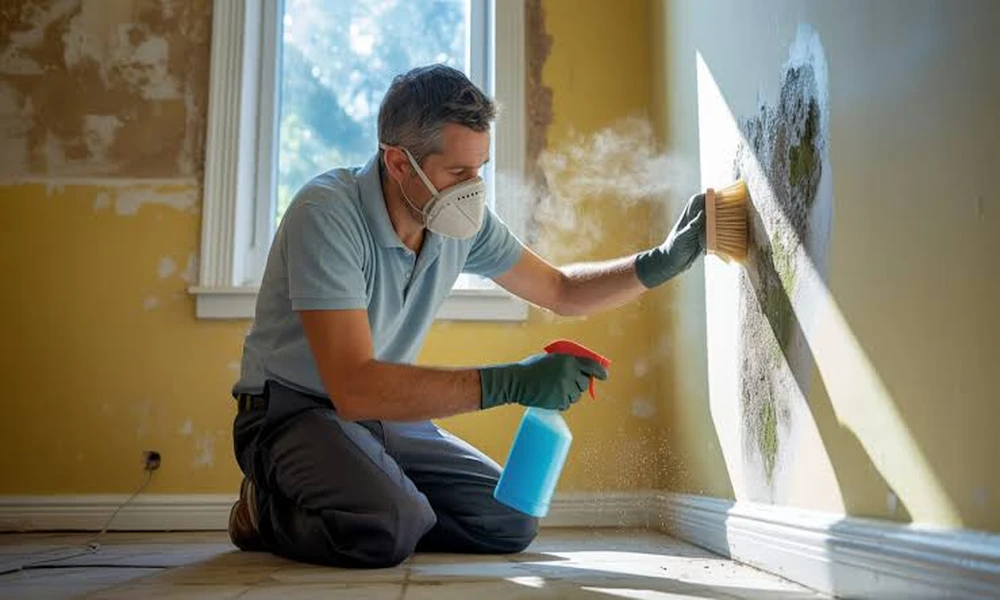
Renovating an older home? check for damp before you start. So, you’ve got your heart set on that charming Victorian terrace or that quaint Georgian cottage in Merseyside. The allure of old-world charm, high ceilings, and intricate cornices is undeniable.
But before you dive into cladding the walls with fresh paint or sourcing the perfect period fireplace, there’s a soggy villain you need to tackle first: damp. Ignoring this age-old enemy could lead to costly consequences.
So, before we arrange for a specialist local damp surveyor let’s take a deep dive into why damp proofing should be the first step in your renovation journey.
Have you ever considered that your dream renovation might crumble-literally-without addressing the hidden moisture lurking within your home’s bones?
Damp Patches or Condensation in Old Houses
When you step into an older property, you’re not just stepping into history-you’re entering a space that may have its own set of challenges, with damp often leading the pack. Understanding the nature of dampness in these gems is crucial to preserving their beauty and functionality.
What Causes Damp in Older Properties?
Older properties are often victims of their own age and outdated construction methods. Back in the day, builders weren’t as clued up on moisture management as they are now. As a result, these homes frequently suffer from damp conditions due to several factors.
Dealing With Wet Walls in Kitchens and Bathrooms
First off, the external walls in older houses were often constructed without a cavity, making them more susceptible to moisture ingress. Combine this with poor ventilation-common in properties with smaller windows and fewer vents-and you’ve got a recipe for damp especially in kitchens and bathrooms where the walls are often damp.
Get your home checked for Hidden Damp and mould
When rain relentlessly beats down on these structures, water can easily seep in, particularly if the roof or guttering has seen better days. High humidity levels and inefficient drainage systems further exacerbate these problems, causing water to pool around the foundations and seep into the building.
Types of Damp Found in Historic Buildings
Damp isn’t a one-size-fits-all problem. It comes in several guises, each requiring a tailored approach. Rising damp is perhaps the most notorious, occurring when groundwater travels up through the walls-a common plight for properties without an adequate damp-proof course. You might notice wet patches or damp walls as tell-tale signs.
Then there’s penetrating damp, caused by water infiltrating through defects in the exterior, such as cracked walls or leaky roofs.
Old Houses Often Lack Sufficient ventilation
This type can lead to wet walls and is often exacerbated by heavy rain. Lastly, condensation damp is a frequent visitor in homes with inadequate heating or ventilation, manifesting as condensation on windows and damp patches on walls. Each type of damp not only demands attention but also requires a specific strategy for effective management.
An older properties solid walls can trap moisture which results in
Modern Living can cause excess damp and condensation
Everyone wants that cosy home feeling, however, everyday tasks like washing, using tumble dryers or drying clothes indoors can all cause increase condensation on cold surfaces and damp resulting in cold walls, damp surfaces and even structural changes
The Importance of a Damp Survey Before Renovation
Before you even think about knocking down a wall or installing that dream Aga, it’s crucial to conduct a damp survey. This step not only identifies existing moisture problems but also informs the trajectory of your entire renovation project.
What is a Damp Survey and How is it Conducted?
A damp survey is an in-depth inspection conducted by a damp specialist to assess any moisture issues in your property. These professionals use specialised tools to measure moisture levels in the walls and floors, ensuring no stone is left unturned.
A comprehensive survey also involves checking for signs of structural damage that might be linked to dampness, such as rotting wood or crumbling plaster.
The outcome of this survey is a detailed report, pinpointing the source of any moisture and offering guidance on damp proofing measures.
This invaluable tool equips you with the knowledge needed to tackle damp issues head-on, ultimately saving time and money during your renovation.
Common Signs of Damp in Older Properties
Spotting damp early is like catching a rogue weed in your garden before it takes over. And just like with gardening, some signs of damp are more obvious than others.
Visual Indicators of Damp
One of the first things you’ll notice is peeling wallpaper. This is often a tell-tale sign that there’s moisture lurking behind those decorative layers. Similarly, stains or discolouration on walls, especially after rain, usually suggest water ingress, requiring immediate attention.
Mould growth on walls and ceilings is another red flag, often pointing to condensation issues or leaks. If you spot crumbling plaster on internal walls, you might be dealing with rising damp.
These visual cues are your home’s way of telling you there’s a damp problem that needs addressing.
Odours and Other Sensory Signs of Damp
Your nose can be just as telling as your eyes when it comes to identifying damp. A musty smell in your home often signals hidden moisture problems. This odour is typically caused by mould, which thrives in moist air.
Moreover, if you notice cold or clammy walls, it’s a sign that moisture is being retained within the building fabric. High humidity levels, resulting from poor ventilation, might also lead to an increase in respiratory issues, especially if there’s mould present.
These sensory signs should prompt you to investigate further, as they often indicate more significant underlying issues.
The Risks of Ignoring Damp Problems in Renovations
Turning a blind eye to damp is akin to building on shaky ground. The consequences can be both financially and structurally devastating.
Financial Implications of Neglecting Damp
Ignoring damp can lead to costly structural repairs down the line. Moisture can weaken the building fabric, causing damage to walls or floors that will eventually require extensive remediation. The financial burden doesn’t stop there; damp-related issues can significantly reduce your property’s market value, making it less attractive to potential buyers.
Repeated renovation expenses become a reality if moisture issues are left unaddressed. By tackling damp problems early, you not only protect your investment but also save money in the long run by avoiding repair costs and further roof repairs.
When to Call a Damp Specialist
Sometimes, despite your best DIY efforts, damp persists. This is when calling in a damp specialist becomes essential. If you notice extensive mould growth or suspect significant structural damage, a specialist can provide the professional assessment needed to address these issues.
Signs of serious damp in homes include a damp smell in furniture and soft furnishings, windows and doors with constant condensation, wall surfaces and concrete floors that are cold to the touch.
Persistent damp is often a sign of hidden moisture problems that require expert intervention. A specialist can conduct a damp survey to identify these hidden issues and recommend a damp proof course tailored to your property’s needs. Many homeowners find peace of mind in knowing their damp problems are being handled by a professional.
What to Expect from a Professional Damp Assessment
A professional damp assessment typically involves a detailed inspection of your home’s potential problem areas. Surveyors use advanced tools to detect hidden moisture levels, ensuring a comprehensive evaluation of your property.
The assessment culminates in a detailed report, outlining the extent of the damp issues and providing clear guidance on remediation and prevention strategies.
You’ll receive practical steps to address any identified problems, along with recommendations for damp treatment that will safeguard your home for the future.
Long-Term Benefits of Damp Proofing
Effective damp proofing can do wonders for your home’s overall health and value. By addressing damp issues, you can enhance your home’s structural integrity and improve indoor air quality. A damp-free environment not only feels more comfortable but also contributes to better health outcomes for you and your family.
Moreover, proper damp management can increase your property’s value, making it a more attractive prospect for future buyers. With improved insulation and ventilation, you’ll also find that maintenance and repair costs are significantly reduced over time.
By tackling damp head-on, you breathe new life into your old home, preserving its charm for years to come.
In conclusion, damp proofing is an essential first step in any renovation of an old house. It protects your investment, preserves the property’s integrity, and ensures a healthier living environment.
So, before you pick up that sledgehammer or paintbrush, consider the importance of damp proofing. After all, wouldn’t you rather deal with a problem before it turns into a disaster?
What’s your next big renovation project, and how do you plan to tackle potential damp issues? Share your thoughts and experiences in the comments below!
Frequently Asked Questions
Is it normal for old houses to have damp?
Yes, it’s quite common for older homes to experience damp issues. These houses often have outdated construction materials and methods that aren’t as effective at keeping moisture out as modern techniques and often trap moisture
Over time, wear and tear can also lead to cracks and gaps, allowing moisture to seep in. It’s essential to address these issues promptly, as prolonged dampness can cause structural damage and health problems due to mould growth.
What do surveyors use to check for damp?
Surveyors typically use a combination of tools to detect damp. Moisture meters are a common choice, as they can measure excess moisture levels in walls and floors even in old buildings . Infrared cameras are also used to identify cold spots that might indicate damp areas.
Additionally, surveyors might inspect for visible signs like mould, peeling wallpaper, or musty odours. Their expertise ensures a thorough assessment, helping homeowners understand the extent of any damp issues.
How much does it cost to damp proof an old house?
The cost of damp proofing an old house varies based on several factors, such as the extent of the damp problem, the size of the property, and the specific methods used.
On average, homeowners might expect to pay anywhere from £500 to £3,000. It’s wise to get multiple quotes from reputable contractors to ensure you’re getting a fair price. Remember, investing in damp proofing can save you money in the long run by preventing costly structural damage.
Can you put a damp proof course in an old house?
Absolutely, you can install a damp proof course (DPC) in an old house. While older properties might not have had one originally, modern techniques allow for retrofitting.
A DPC is a barrier, typically made of plastic or slate, inserted into the walls to block rising damp. The process involves some disruption, as parts of the wall need to be drilled or cut into. However, it’s a highly effective way to combat damp issues in older homes.
About North West Damp Proofing
North West Damp Proofing are experienced damp and mould specialists serving homeowners, landlords and businesses throughout Greater Manchester and the wider North West.
The team provides professional damp surveys alongside solutions for rising damp, penetrating damp, condensation, black mould, timber problems and basement waterproofing.
If you’re concerned about damp or mould in your property, get in touch with your local North West Damp Specialist to learn more or arrange a professional damp survey.

Comments are closed.