Author

Michael Massey

Browsing

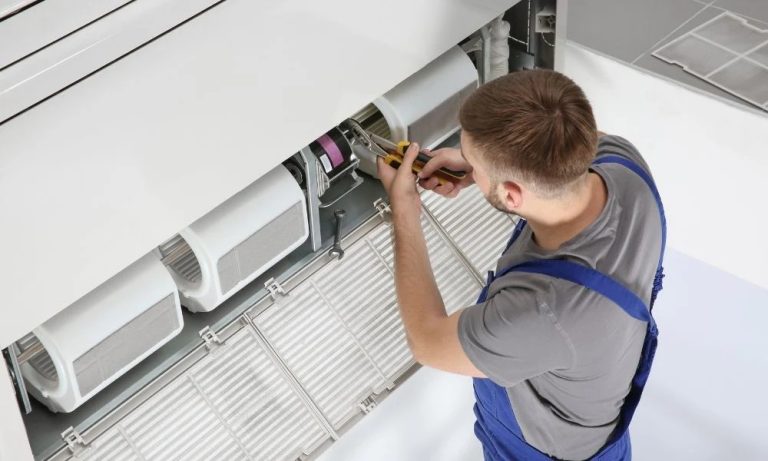
Bloomington winters test heating systems hard, while summers push air conditioners to their limits with sticky humidity. When an HVAC unit starts struggling, the discomfort hits fast-cold spots in January or muggy rooms in July. Alpha Plumbing Heating and Cooling experts can spot trouble early and address it with skilled repairs, keeping families comfortable and preventing small issues from snowballing into expensive replacements.

How Bloomington Weather Puts Extra Strain on HVAC Equipment

Minnesota’s wide temperature swings create constant demand for both heating and cooling components. Furnaces run long hours during sub-zero stretches, while air conditioners battle high humidity that forces them to work harder just to remove moisture. Dust and pollen from local trees and fields add another layer of stress, coating coils and filters faster than in drier climates.

Older Bloomington neighborhoods with homes built decades ago often have aging ductwork and oversized or undersized equipment that no longer match modern insulation standards. These mismatches show up as uneven temperatures, higher energy bills, and more frequent breakdowns.

Warning Signs That Signal HVAC Repair Time

Unusual noises like grinding, rattling, or high-pitched squeals usually mean worn bearings, loose parts, or a failing blower motor. Short cycling-where the system turns on and off rapidly-often points to thermostat problems, dirty coils, or low refrigerant. Weak airflow from vents, strange odors, or sudden spikes in utility costs are other clear red flags.

In humid summer months, ice forming on the indoor coil or water leaking near the furnace frequently indicates restricted airflow or drainage issues. Ignoring these symptoms in Bloomington’s climate usually leads to complete system failure at the worst possible moment.

Why Professional HVAC Repair Matters in Bloomington

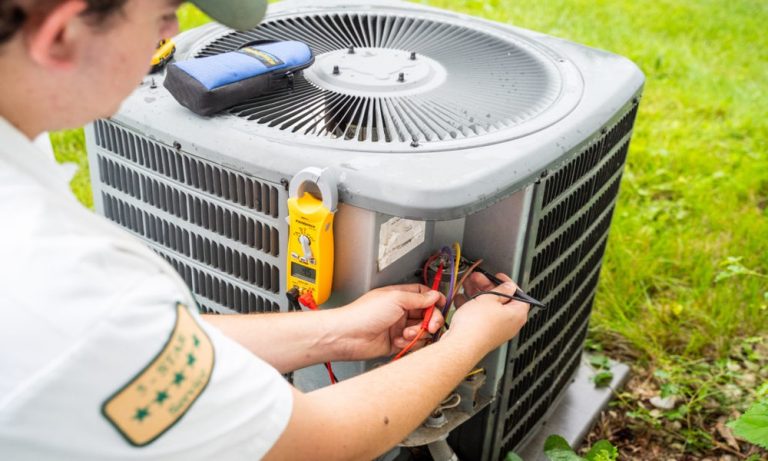
Local technicians understand exactly how Minnesota’s weather and water chemistry affect equipment longevity. They arrive with the right tools and parts to diagnose issues quickly, whether it’s a cracked heat exchanger, faulty capacitor, or refrigerant leak that requires precise handling.

Professional repairs go beyond swapping a part. Technicians check the entire system-electrical connections, duct integrity, combustion safety on gas furnaces, and proper drainage on cooling units-to ensure everything operates efficiently together. This thorough approach prevents repeat failures and extends the life of the equipment.

Practical Steps Homeowners Can Take

Change air filters monthly during heavy use seasons to maintain strong airflow and protect internal components. Keep outdoor units clear of snow, leaves, and debris so they can breathe properly. Schedule professional tune-ups in spring and fall so minor wear gets caught before peak seasons arrive.

Simple habits like using ceiling fans to circulate air and sealing obvious duct leaks help the system work less hard. When repairs become necessary, choosing a trusted local provider ensures the job gets done right the first time.

Bloomington families rely on dependable HVAC performance year-round. Alpha Plumbing Heating and Cooling delivers prompt, expert HVAC repair in Bloomington, MN, with a focus on lasting solutions, transparent pricing, and the technical knowledge that keeps local homes comfortable through every season.

Finding a spider in your Hannibal, MO home may not always be a cause for concern, as most indoor spiders are harmless. However, identifying a brown recluse correctly is important. In such situations, homeowners often rely on Reliable Pest Solutions for accurate identification and safe handling.

Brown recluse spiders are more commonly found in parts of the United States like Missouri, making awareness even more important in Hannibal, MO. Their bite can cause serious skin damage if not treated promptly, so proper identification is essential.

Look for the Violin-Shaped Marking on the Back

The most recognized feature of a brown recluse is the violin-shaped marking on its cephalothorax, the front part of the body.

The neck of this marking points toward the abdomen, while the wider base sits near the head. The visibility of this pattern can vary depending on the spider’s age, with younger spiders showing less distinct markings.

Count the Eyes

Most spiders have eight eyes, but brown recluse spiders have six eyes arranged in three pairs.

This unique pattern forms a semicircle on the front of the head. While it can be difficult to see without magnification, this feature helps distinguish them from most other household spiders.

Examine the Leg and Body Uniformity

Brown recluse spiders have a smooth and uniform appearance:

Their legs do not have stripes, bands, or visible patterns
The body color is consistent, usually light to medium brown
The abdomen lacks markings commonly seen in other spiders

This clean, uniform look is a key identifying feature.

Note the Size and Body Shape

Brown recluse spiders are medium-sized with a distinct body structure:

Body length ranges from about 6 to 20 millimeters
The abdomen is oval and smaller compared to the leg span
The legs are long and give the spider a flat, low-profile appearance

These proportions help differentiate them from bulkier or heavily patterned spiders.

Observe Where You Found It

Brown recluse spiders prefer quiet, undisturbed spaces. Common hiding spots include:

Cardboard boxes in garages, attics, or basements
Closets or storage areas that are rarely opened
Behind furniture or inside dark corners
Crawl spaces or utility areas with minimal activity

Final Thoughts

Brown recluse spiders are more relevant to regions like Hannibal, MO, making correct identification important for homeowners. While sightings are not always common, knowing what to look for can prevent unnecessary panic and ensure proper action.

If you suspect the presence of a brown recluse, Reliable Pest Solutions can provide professional inspection and targeted solutions to keep your home safe.

From minor drips to major pipe failures, local plumbers respond to leaks, clogs, and water heater problems common in Twin Cities homes. Bloomington residents deal with hard water, aging pipes in established neighborhoods, and seasonal stresses that lead to unexpected breakdowns. Our professional plumbers in Bloomington, MN, provide accurate diagnostics and lasting repairs, keeping systems running smoothly year-round.

The area’s mix of older homes and newer developments means plumbing challenges vary. Older properties often face corrosion or root intrusion in sewer lines, while newer ones might encounter installation-related issues over time.

Frequent Plumbing Problems Bloomington Homeowners Encounter

Slow or clogged drains top the list, especially in kitchens where grease builds up or bathrooms where hair accumulates. These blockages cause backups and unpleasant odors if ignored. Sewer line issues follow closely, with tree roots seeking moisture and cracking pipes or creating obstructions that require camera inspections for precise location.

Leaky faucets, running toilets, and dripping pipes waste water and inflate bills. Low water pressure signals sediment buildup in fixtures or larger line restrictions. Water heaters lose efficiency from mineral deposits in hard water conditions, leading to lukewarm showers or strange noises from the tank.

Benefits of Working with a Local Plumber in Bloomington, MN

Technicians familiar with local building codes and common home layouts deliver targeted solutions. They use tools like hydro-jetting for stubborn clogs and trenchless methods for sewer repairs, minimizing disruption to yards and driveways.

Emergency availability matters when problems strike at inconvenient times. On-site assessments and upfront pricing clarify expectations before work begins. A warranty on repairs adds assurance that the fix holds up.

Maintenance programs catch small issues early through scheduled inspections, filter checks, and drain cleaning. These plans often include priority response and reduced rates on additional services.

Alpha Plumbing Heating and Cooling brings this level of expertise to Bloomington residents, focusing on clear communication and dependable results.

Steps to Keep Plumbing Systems in Good Condition

Flush drains monthly with hot water to reduce grease buildup. Install strainers in sinks and tubs to catch debris before it enters pipes. Avoid chemical drain cleaners that can damage older plumbing.

Check exposed pipes in basements or crawl spaces for signs of moisture or corrosion. Insulate vulnerable lines to protect against freezing.

Monitor water usage patterns; sudden spikes often indicate hidden leaks. Test toilets for silent leaks by adding food coloring to the tank and watching for color in the bowl.

Schedule periodic professional inspections, particularly for water heaters and main sewer lines. Regular attention extends component life and prevents emergency calls.

When to Call a Professional in Bloomington

Persistent slow drains after basic efforts, recurring backups, or visible water damage warrant expert evaluation. Unusual sounds from water heaters or fluctuating pressure also signal the need for inspection.

Gas line concerns tied to plumbing upgrades require licensed handling for safety. Backflow prevention and appliance connections benefit from professional installation to meet code requirements.

Alpha Plumbing Heating and Cooling serves Bloomington and the surrounding Twin Cities communities as a locally owned provider. The company offers comprehensive plumbing services alongside heating and cooling, with transparent pricing, a one-year warranty on work, and a focus on building trust through quality repairs and maintenance. This approach supports homeowners in maintaining reliable home systems without unnecessary complications.

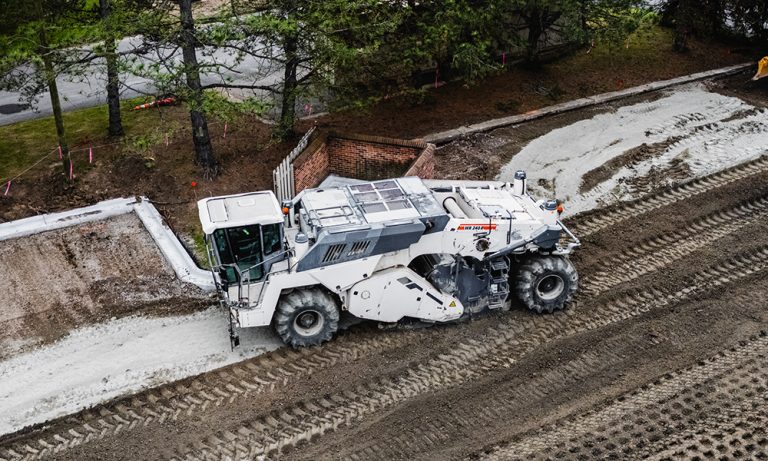
Commercial properties such as warehouses, distribution centers, and business complexes across Utah rely on durable and well-constructed parking and access areas. These facilities experience heavy traffic from delivery trucks, service vehicles, and employee vehicles daily, making strong asphalt paving essential. Professional asphalt paving Utah services provide businesses with reliable, long-lasting surfaces designed specifically for high-traffic commercial environments.

The Importance of Asphalt Paving for Commercial Sites

For warehouses and distribution centers, functional pavement is critical for efficient operations. Delivery trucks, forklifts, and other large vehicles require smooth, stable surfaces to prevent accidents and avoid damage to vehicles or goods. A poorly maintained or inadequately constructed parking lot or access road can slow operations, increase maintenance costs, and create safety hazards.

High-quality asphalt paving Utah services are tailored to meet these demands. Professionals ensure that commercial parking lots, loading zones, and access roads are built to handle heavy loads while providing a safe and organized layout for vehicle movement.

Why Asphalt Is Ideal for Industrial and Commercial Facilities

Asphalt is widely used for commercial and industrial paving projects because it combines strength, flexibility, and cost efficiency. It can withstand heavy traffic and frequent vehicle turning, which is common at warehouses and distribution hubs. Asphalt is also durable in varying weather conditions, including the hot summers and cold winters experienced in Utah, making it a practical solution for businesses.

Additionally, asphalt allows for quick installation and easy repairs, minimizing downtime for commercial operations. Clear markings, such as traffic lanes, parking spots, and pedestrian walkways, can be applied on asphalt surfaces to improve traffic organization and safety.

Planning and Constructing Commercial Asphalt Pavement

Proper planning is essential for commercial asphalt paving projects. Contractors evaluate the volume of traffic, type of vehicles, soil conditions, and drainage needs before beginning construction. A strong base and proper grading are crucial to prevent shifting or cracking under the weight of trucks and daily operations.

Companies like Top Job Asphalt specialize in commercial and industrial paving in Utah. Their experience with warehouses, distribution centers, and other large-scale commercial properties ensures that each project meets the specific operational requirements of the business. From construction to final striping, their professional approach guarantees a durable and efficient asphalt surface.

Maintenance for Long-Lasting Asphalt Surfaces

Even professionally installed asphalt requires regular maintenance to ensure longevity and safety. Commercial sites are constantly exposed to heavy vehicles, weather, and environmental wear. Without proper upkeep, cracks and potholes can form, creating safety risks and operational delays.

Routine maintenance services, including sealcoating, crack repair, and surface inspections, extend the life of commercial asphalt pavement. Preventative care keeps the property safe, functional, and visually appealing, while avoiding costly replacements in the future.

Choosing a Trusted Asphalt Paving Partner

For warehouses, distribution centers, and large commercial properties, choosing an experienced contractor is critical. Business owners need professionals who understand the structural demands of high-traffic areas and can deliver durable, reliable asphalt solutions.

Top Job Asphalt provides expert asphalt paving Utah services tailored to commercial and industrial sites. Their experience ensures long-lasting, safe, and well-organized pavement that supports efficient operations and protects the business investment.

Supporting Utah Businesses with Reliable Asphalt Infrastructure

Durable asphalt parking lots and access roads are essential for the smooth operation of warehouses, distribution centers, and commercial facilities. They improve safety, reduce operational disruptions, and enhance the professional image of the property.

The holidays have passed, the decorations are stashed away, and your Fort Lee apartment feels less inviting than it has in weeks. Well, January and February are the sneaky season for rodents in multi-unit buildings. In short, after the holidays, food waste, reduced building maintenance, and lower temperatures invite rodents into apartments.

In high-rise and mid-rise Fort Lee, with an increasingly dense grid, a one-unit problem becomes everybody’s problem very quickly. These rodents do not just appear; they have been residing in our homes. After the holiday season, they give us plenty of reasons to stay active & be in the light.

Spotting signs of a rodent infestation in your unit is a reason to contact a qualified pest professional from Alliance Pest Services as soon as possible, as it can prevent the issue from spreading.

Why January and February Are Peak Rodent Months in Fort Lee?

Rodent activity is a perfect storm during the post-holiday window, and it starts with food. During the holiday, visitors will cook more at home, host more guests, and generate at least 30% more food waste than usual.

More than 133 billion pounds of food are wasted in the United States each year, according to the Natural Resources Defense Council, and we waste an outsized share of that food during the holidays. For apartment complexes, this means chutes overflowing with rubbish, recycling bins filled beyond capacity, and crumbs and spills that don’t get tidied up as quickly as they do in the quieter months.

Then January hits. Temperatures in Fort Lee often fall into the 20s and 30s, with rodents, especially Norway rats and house mice, in search of warmth. Building maintenance crews typically work on less regular schedules over the holidays, so trash areas, basement spaces, and shared mechanical rooms receive less attention precisely when rodent activity is starting to ramp up.

With ample food supplies, cold outdoor temperatures, and reduced maintenance of apartment building facilities, a perfect storm exists for the rapid and silent expansion of rodent colonies within the walls of complexes.

Where Rodents Are Getting In (It Is Not Where You Think)

Many Fort Lee residents believed that if rodents were entering, it was likely through entrances such as front doors or windows. As is so often the case with these matters, the reality is less transparent than we would like, which is why the problem persists.

In apartment complexes, rodents use the building’s internal infrastructure rather than external entry points that residents can see or manage. The pathways they use include:

  • Vertical plumbing chases and pipe penetrations, rising through each floor, often with voids around the water and gas lines, are never caulked during construction.
  • HVAC and ventilation ducts between the units, especially in older Fort Lee buildings, where ductwork was compromised, or screens have worn away.
  • Unsealed openings in walls and floors where contractors ran cable and internet lines to homes.
  • Trash chute areas and laundry rooms on each floor.
  • Continuous vertical shafts from the basement to the top floor: elevator shaft surrounds and utility closets.
  • Basement mechanical rooms and crawl spaces, which is were rodents first settle, before moving upward.

Protecting Your Apartment Before the Problem Grows

Rodent pressure in Fort Lee apartment complexes is not a problem over which a few residents can wield control. The building’s common systems are a rat highway, and even if one unit is sealed, the next door still allows pests to move back and forth. Despite this, residents can take important action while also pressuring building management to step up.

On the building side, the conversation must be held at the management level. Fort Lee apartment complexes can attest to this type of post-holiday rodent spike, and this is exactly some of the work people have completed with Alliance Pest Services. Instead of just looking at individual units, they conduct assessments of the entire building, specifically the common infrastructure and areas where rodents run and reproduce.

In cities like Des Moines and Cedar Rapids, pigeons are a very common sight. You see them on the ledges of downtown buildings and under the eaves of suburban homes. While these birds might seem harmless, they leave behind a major mess.

Pigeon droppings and nesting materials are more than just an eyesore for Iowa property owners. They carry hidden dangers that can affect your health and the value of your building.

Keeping your property clean is a big job that requires constant attention. Reliable Pest Solutions understands the specific challenges that Iowa families and businesses face when birds move in. They can provide the professional help needed to clear out the mess safely.

The Hidden Health Risks in Iowa Cities

One of the biggest reasons to clean up after pigeons is the risk of disease. Pigeon droppings can carry fungi and bacteria that are dangerous to humans. When the droppings dry out in the Iowa sun, they turn into a fine dust.

If you move this dust while walking or cleaning, you can breathe it into your lungs. This can lead to serious lung issues that feel like a bad case of the flu. In crowded areas of Des Moines or Cedar Rapids, this risk is even higher.

It is important to treat any area covered in bird waste as a health hazard. You should never sweep dry droppings without wearing a mask and wetting the area down first.

Protecting Your Property from Damage

Pigeon waste is very acidic. Over time, it can eat through the paint on your car and the stone on your porch. In our Iowa cities, many older buildings have beautiful brick and limestone. If bird droppings sit for too long, they cause permanent staining.

They can even erode the surface of the building itself. This leads to very expensive repair bills for homeowners. The nests themselves are also a major problem.

Pigeons build nests out of twigs, grass, and trash. These nests often block gutters and drainage pipes. When heavy Iowa rains hit, those clogged gutters overflow and cause water damage to your roof.

Dealing with Secondary Pests

Pigeons do not travel alone. They often carry “hitchhikers” like mites, ticks, and lice. When birds nest on your windowsill or near your vents, these tiny bugs find their way inside. They are looking for a new host, and your family or pets could be next.

Even after the birds fly away, these pests stay behind in the nesting material. If you do not clean up the area properly, you might find insects inside your house. Removing the nest and the waste is the only way to make sure these bugs do not settle into your living space.

Safe Cleaning Practices for Iowans

Cleaning up a pigeon mess requires a lot of care. You should always wear gloves and a protective mask before you start. The best way to begin is by soaking the area with a mixture of water and disinfectant.

This stops the dangerous dust from floating into the air. Once the mess is wet, you can carefully scrape it into a sturdy plastic bag. Be sure to seal the bag tightly before putting it in your trash bin.

After you finish, wash your tools and your clothes thoroughly. Taking these steps helps keep the germs from spreading to the rest of your property.

Preventing Future Bird Problems

Pigeons are creatures of habit, so preventing their return is key. You can use bird spikes, sloped strips, or netting to block nesting spots on ledges and porches. Keeping trash cans sealed also removes food sources that attract them.

If a mess is too large to clean safely, Reliable Pest Solutions can help. Their team provides professional sanitation and installs effective deterrents to keep your Iowa property clean and bird-free for the long term.

Owning a home in Seattle means embracing the city’s lush beauty, but also its persistent pest challenges fueled by relentless rain and mild temperatures. From ants marching through kitchens to rodents nesting in damp attics, exclusion, the strategic barrier against intruders, is your first line of defense.

Companies like United Pest Solutions excel here, delivering Seattle-specific strategies that blend prevention with precision. Mastering this art empowers homeowners to create a fortress, minimizing invasions without constant battles.

Why Exclusion Matters in Seattle

Seattle’s microclimate, over 150 rainy days a year, creates moist havens for pests. Exclusion seals vulnerabilities, preventing access rather than reacting to infestations.

Key Seattle pests include:

  • Rats and Mice: Urban roof rats proliferate in garbage-strewn alleys and overhanging evergreens.
  • Ants: Pavement and odorous house ants exploit tiny cracks, thriving on sweet spills
  • Spiders: Hobo and orb weavers lurk in garages, drawn to cluttered, humid spaces.
  • Termites: Dampwood varieties target soggy wood in basements near Lake Washington.

Proactive exclusion cuts infestations by 80%, per University of Washington extension data, preserving your home’s integrity.

Fortify the Perimeter: Exterior Defenses

Start outside, where most pests gain entry. Seattle’s wet winters demand robust barriers.

Essential steps:

  • Seal Cracks and Gaps: Inspect siding, foundations, and vents; use expanding foam for holes larger than a pencil eraser. Rain swells cracks, caulk annually.
  • Screen Openings: Install 1/4-inch mesh on vents, chimneys, and dryer exhausts. Roof rats squeeze through dime-sized gaps.
  • Door and Window Sweeps: Add brush sweeps to garage doors and weatherstripping to frames. Test by sliding paper underneath, if it moves freely, pests can too.
  • Tree and Shrub Trimming: Keep branches 6 feet from the roof; Seattle’s madrones and maples provide pest highways.

Interior Barriers: Everyday Vigilance

Inside, exclusion hinges on habits that deny pests food, water, and shelter.

Adopt these protocols:

  • Kitchen Fortification: Store grains and sugars in glass jars; sweep floors nightly. Seattle’s humidity fosters moldy crumbs that ants detect from afar.
  • Bathroom Moisture Control: Run exhaust fans 20 minutes post-shower and fix drips. Spiders breed in standing water.
  • Attic and Crawl Space Checks: Insulate pipes to prevent condensation; add vapor barriers. Rodents chew insulation for nests.
  • Declutter Ruthlessly: Donate unused items; stack boxes off floors. Pests nest in Seattle basements amid holiday decorations.

Natural Exclusion Tools and Techniques

Embrace low-impact methods that align with Seattle’s eco-conscious ethos.

Effective options:

  • Diatomaceous Earth: Dust baseboards and thresholds, it shreds insect exoskeletons without chemicals.
  • Essential Oils: Peppermint or eucalyptus on entry points repels ants and spiders naturally.
  • Copper Mesh: Stuff it into wall voids; rats can’t chew through it like steel wool.
  • Electromagnetic Repellers: Plug-in devices disrupt rodent navigation in walls, ideal for Capitol Hill rowhouses.

Test efficacy over weeks, adjusting for your home’s layout. These tools support Seattle’s pollinator-friendly ethos.

Monitoring and Professional Reinforcement

Exclusion shines with vigilance. Track success and know when to escalate.

  • Bait Stations and Traps: Place non-toxic monitors quarterly; droppings signal breaches.
  • Seasonal Deep Dives: Spring for ants, fall for rodents, Seattle’s equinox rains trigger surges.
  • Tech Aids: Smart cameras in garages detect early activity; apps log patterns.

For entrenched issues, pros apply industrial-grade exclusions like aerated foam injections. Local experts navigate Seattle’s strict pesticide rules, ensuring compliance.

Sustaining the Art Long-Term

Exclusion evolves with your home.

Integrate it into Seattle living:

  • Annual Audits: Hire certified inspectors post-rainy season.
  • Neighborhood Intel: Share tips via apps like Nextdoor, Queen Anne rat spikes affect blocks.
  • Sustainable Upgrades: Solar attic fans reduce moisture; permeable pavers manage yard runoff.
  • Family Buy-In: Teach kids to report sightings, fostering collective defense.

Ultimately, exclusion transforms pest control from reaction to artful prevention. Your Seattle sanctuary stays serene, letting you savor Pike Place views without worry.

Interior design in 2026 is set to become more personal, more sustainable and more connected to wellbeing than ever before. For homeowners working with an interior designer in Chester or across the UK, the focus is shifting away from fast trends and towards spaces that feel meaningful, long lasting and deeply comfortable. From natural materials to intelligent layouts, these are the interior design trends shaping homes in 2026.

1. Warm Minimalism Replaces Cold Modernism

Minimalist interiors are evolving into something softer and more welcoming. In 2026, warm minimalism is leading the way, combining clean lines with comforting textures and earthy tones.

Think soft plaster walls, natural wood finishes, linen upholstery and gentle curves. Homes are still uncluttered, but they feel lived in rather than stark. The focus is on quality over quantity, with fewer pieces chosen for their craftsmanship and longevity.

2. Nature Inspired Colour Palettes

Colour trends in 2026 are heavily influenced by the natural world. Warm neutrals, clay tones, muted greens and soft blues are replacing cooler greys and bright whites.

These palettes create calming environments that support wellbeing and work beautifully in British homes where natural light changes throughout the year. Layering similar tones through walls, furnishings and accessories helps create depth without overwhelming a space.

3. Sustainable Design Becomes the Standard

Sustainability is no longer a niche choice. In 2026, it is a core part of good interior design. Homeowners are increasingly prioritising materials that are responsibly sourced, durable and low in environmental impact.

Reclaimed wood, recycled fabrics, natural stone and eco friendly paints are becoming standard choices. There is also a shift towards buying less but buying better, investing in furniture that will last for decades rather than following short term trends.

4. Multifunctional Spaces for Modern Living

With hybrid working firmly established, homes in 2026 are designed to adapt easily to different uses. Rooms are no longer defined by a single purpose.

Dining areas double as workspaces, guest bedrooms incorporate clever storage and living rooms are zoned for relaxation, entertainment and work. Thoughtful layouts, flexible furniture and integrated storage solutions help homes work harder without sacrificing style.

5. Statement Lighting as a Design Feature

Lighting in 2026 is about more than function. Statement lighting is being used as a focal point, adding personality and character to interiors.

Sculptural pendants, oversized floor lamps and layered lighting schemes are popular choices. Warm light tones are preferred, creating cosy atmospheres that suit evenings at home. Well planned lighting design is becoming an essential part of the interior process rather than an afterthought.

6. Curves and Organic Shapes Continue to Rise

Sharp edges are giving way to softer, more organic forms. Curved sofas, rounded dining tables and arched doorways are continuing to gain popularity in 2026.

These shapes help soften interiors and make spaces feel more relaxed and inviting. They work particularly well in open plan layouts, helping to guide movement and create visual flow throughout the home.

7. Personalisation Over Perfection

Perhaps the most important trend of 2026 is the move towards personal expression. Homes are becoming reflections of the people who live in them rather than showrooms designed to impress.

Mixing old and new, displaying meaningful artwork and incorporating bespoke elements are all key. This approach creates interiors that feel authentic, comfortable and timeless.

Looking Ahead

Interior design trends in 2026 focus on creating homes that support real life. Comfort, sustainability and individuality are at the heart of design decisions, resulting in spaces that are beautiful but also practical and enduring.

If you are planning a renovation or redesign, working with an interior designer can help you interpret these trends in a way that suits your home and lifestyle, ensuring your space feels relevant for years to come.

Selecting tile adhesive rarely feels exciting. It sits quietly behind the tiles, unseen and often unconsidered, yet it decides whether floors remain firm, walls stay intact, and finishes age well. In Singapore’s climate, where humidity, heat, and frequent cleaning are part of daily life, choosing the right tile adhesive is not a detail to rush. It is a practical decision that shapes durability, safety, and long-term maintenance.

Rather than focusing on brand names or sweeping claims, it helps to understand how tile types and surfaces interact with adhesive performance. That clarity makes selecting tile adhesive in Singapore more predictable and far less stressful.

Start with the Tile, Not the Adhesive

Tiles behave differently once installed. Ceramic tiles tend to be lighter and slightly porous, which allows adhesives to grip more easily. Porcelain tiles, by contrast, are dense and less absorbent. Natural stone brings its own considerations, including weight and sensitivity to moisture movement.

Because of these differences, tile adhesive in Singapore must match the physical properties of the tile. Porcelain tiles often require higher bonding strength to prevent slippage or hollow spots. Large-format tiles demand adhesives that maintain consistent coverage to avoid uneven setting. Skipping this alignment risks cracks, tile movement, or early failure.

Tile grout in Singapore then plays a secondary but critical role. Even when grout appears flawless, weak adhesive beneath the tile undermines the entire surface.

Match Adhesive Type to Surface Conditions

Surfaces tell their own story. Concrete screeds offer solid support but still require proper preparation. Existing tiles present smoother, less porous surfaces. Wet areas such as bathrooms, kitchens, and balconies introduce moisture exposure that never fully disappears.

Tile adhesive in Singapore must accommodate these realities. Flexible adhesives work better on substrates that experience slight movement, including areas exposed to temperature shifts. Water-resistant properties become essential for wet zones, where moisture infiltration can weaken bonds over time.

Ignoring surface conditions often leads to tiles lifting quietly, then suddenly. By the time grout cracks appear, the problem has already progressed beneath the surface.

Consider Indoor and Outdoor Applications Separately

Indoor installations usually focus on stability and clean finishes. Outdoor spaces add another layer of complexity. Heat expansion, rain exposure, and surface drainage place constant stress on tile systems.

For outdoor areas, tile adhesive in Singapore should support flexibility and strong bonding without becoming brittle. This prevents tiles from loosening during temperature fluctuations. Tile grout in Singapore for outdoor use must also resist moisture penetration to protect the adhesive layer below.

Understand Setting Time and Workability

Not all projects move at the same pace. Some installations require longer open time to allow adjustments. Others demand fast setting to reduce downtime, especially in commercial or high-traffic areas.

Tile adhesive in Singapore offers varied setting profiles. Choosing based on workability rather than convenience improves installation quality. Adhesives that set too quickly increase alignment errors. Those that set too slowly may struggle in humid environments.

Do Not Overlook Compatibility with Tile Grout

Tile grout in Singapore completes the system rather than standing alone. Adhesive choice influences grout performance by affecting tile alignment and joint consistency. Poor adhesion leads to uneven joints, which then stress grout lines.

Grout cannot compensate for weak bonding. It only performs as well as the adhesive beneath it. Treating adhesive and grout as a coordinated system rather than separate products leads to cleaner finishes and longer service life.

Think Long Term, Not Just Installation Day

Tiles are not temporary. Once installed, they should remain functional for years with minimal intervention. Choosing tile adhesive in Singapore based solely on price or availability often creates hidden costs later, including repairs, replacements, and downtime.

Durability, compatibility, and suitability matter more than speed or shortcuts. The right adhesive quietly supports the surface day after day, absorbing stress and maintaining bond strength without attention.

Final Thoughts

Selecting tile adhesive is not about guesswork. It is about understanding tiles, surfaces, and environments, then making a clear, informed decision. When adhesive selection aligns with real-world conditions, tiles stay secure, grout remains intact, and maintenance becomes simpler.

If you are planning a tile installation and want guidance from a trusted, leading producer of adhesives and specialised chemical products for construction, contact Mapei Far East to discuss the right solution for your project with confidence.

The Immediate Impact of Fire Damage

When a fire wreaks havoc on a property, the primary damage is immediately visible. Charred walls, destroyed belongings, and the smell of smoke are clear indicators of the disaster. However, what often escapes immediate attention is the looming threat of secondary damage. Secondary damage occurs after the flames are out, sometimes even weeks later, and can cause significant long-term issues if not addressed promptly.

What is Secondary Damage?

Secondary damage refers to the indirect effects of a fire incident that are not a direct result of the flames themselves. This damage can arise from exposure to elements such as smoke, soot, moisture, and structural instability. It is often exacerbated by the delay in taking remedial actions after the fire.

Understanding the Risks of Secondary Damage

Smoke and Soot Residues

After a fire, smoke and soot can permeate every nook and cranny of a building. They can discolor walls, corrode metal surfaces, and embed deeply into flooring materials and furniture. Even after the fire is extinguished, the acidic properties of soot continue to cause damage. The longer these residues remain, the deeper they penetrate and the more challenging their removal becomes.

Structural Instability

Fires can compromise the integrity of a building’s structure. Beams that have been weakened by flames may pose a risk of collapse. Moreover, the addition of water during firefighting efforts can add weight and stress to structural elements. If not quickly assessed and reinforced by professionals, these weaknesses can lead to unsafe living or working conditions.

Learn more about Coventry Services’ commitment to restoring safe environments.

Mold and Mildew Growth

One of the most insidious forms of secondary damage is mold growth. The water used to extinguish a fire creates a moist environment, ideal for mold spores to flourish. Mold can spread rapidly, affecting air quality and causing health issues for the occupants. Addressing water damage promptly by experts like Coventry Services can mitigate this risk.

Electrical Hazards

Electrical systems often sustain damage during a fire. Wiring might melt or become exposed, elevating the risk of electrocution or further fires. Immediate inspection and repairs by certified technicians are crucial in ensuring the safety and functionality of electrical systems post-fire.

Read more about fire safety tips and prevention.

The Importance of Immediate Action

Time is of the essence when dealing with fire damage. The longer the response time, the greater the potential for secondary damage. Swift action can significantly mitigate long-term repair costs and health risks. Professional fire remediation services are equipped to handle the entire process, from damage assessment to restoring property integrity.

How Coventry Services Can Help

Coventry Services recognizes the urgent need for rapid intervention post-fire. With a team of experienced professionals, they offer comprehensive solutions tailored to address both primary and secondary fire damages. Their expertise ensures that issues such as smoke residue, structural weaknesses, and water damage are handled efficiently and effectively.

Explore the expertise and history of Coventry Services.

The Coventry Services Advantage

Expert Assessment and Cleanup

The team at Coventry Services begins with a thorough assessment of the damage to determine the necessary steps for restoration. Their approach includes state-of-the-art equipment and techniques for smoke and odor removal, deep cleaning, and structural repair. This attention to detail helps address all aspects of secondary damage promptly.

Comprehensive Restoration Solutions

Beyond immediate repairs, Coventry Services offers complete restoration solutions to return the property to its pre-fire condition. This includes working closely with property owners to ensure their needs are met and delivering a seamless experience from start to finish.

Professional and Certified Team

Certified by industry standards, the team at Coventry Services is knowledgeable and trained in the latest fire damage restoration techniques. Their commitment to excellence and customer satisfaction ensures that properties are safe, secure, and restored efficiently.

Discover more about home fire risks and prevention strategies.

Why Choose Coventry Services?

With years of proven experience in the field, Coventry Services stands out as a leader in fire damage restoration. Their dedication to swift, effective service ensures that property owners can quickly move past the disaster and resume their lives. Choosing Coventry Services means choosing peace of mind in the wake of a fire.

For more information or to request immediate assistance, visit their website at Coventry Services.