
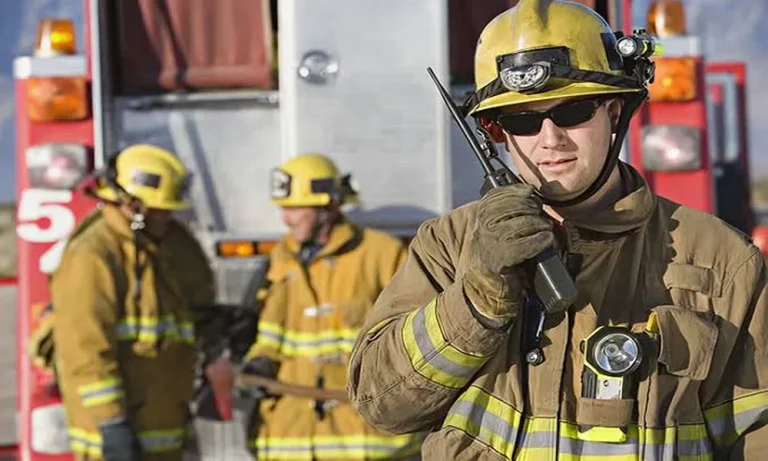
Fire protection systems can become temporarily unavailable due to maintenance, repairs, construction, or failures. During such interruptions, fire watch services provide additional monitoring and support safety compliance.
To minimize financial risk and liability during these vulnerable windows, implementing professional fire watch services plays a vital role in keeping property insurance policies compliant and active. Most commercial insurers require property owners to take immediate, documented precautions as soon as an impairment is identified. By deploying trained personnel to maintain continuous physical oversight, building management demonstrates due diligence, ensures continuous coverage, and satisfies strict policy conditions regarding risk management.
Understanding a Fire Protection System Impairment
A system impairment occurs when part or all of a building’s fire protection equipment cannot perform as intended. Even a temporary interruption can increase the potential consequences of a fire. Depending on the property and circumstances, the impairment may involve a sprinkler system, fire alarm, suppression equipment, or another important safety component.
Property managers should respond promptly when an impairment occurs. Typical actions may include:
- Identifying which protection system is affected
- Notifying responsible personnel about the outage
- Limiting tasks that may create additional fire hazards
- Arranging suitable temporary precautions
- Recording the beginning and end of the impairment
- Contacting the appropriate fire protection professionals or authorities
How Fire Watch Supports Risk Management
Fire watch personnel provide active surveillance while a protection system is unavailable. Their primary responsibility is to identify signs of fire or hazardous conditions and initiate an appropriate response.
During patrols, trained personnel may look for smoke, unusual heat, combustible materials, blocked exits, unsafe electrical conditions, or activities that could create ignition hazards. If a problem is discovered, they can follow established emergency procedures and contact emergency responders when necessary.
This active monitoring helps reduce the period during which a building is left without its normal fire protection measures.
Maintaining Documentation for Insurance Purposes
Insurance requirements vary between policies and providers, so property owners should review their specific policy conditions rather than assume that fire watch automatically satisfies every requirement. However, detailed documentation can help demonstrate that reasonable precautions were taken during an impairment.
Fire watch records may include:
- Patrol times and locations
- Names of assigned personnel
- Observed hazards
- Corrective actions taken
- Emergency notifications
- Details about when the system became unavailable and was restored
Maintaining organized records can also make it easier for property managers to demonstrate how the impairment was handled if questions arise later.
Communication With Insurers and Safety Professionals
When a fire protection system is impaired, communication should not be overlooked. Depending on the policy and circumstances, the property owner may need to notify an insurance representative, fire protection contractor, building management team, or local authority.
Professional fire watch providers can support this process by maintaining clear records and following established procedures. However, property owners remain responsible for understanding the notification and risk-control requirements that apply to their insurance coverage.
Restoring the Fire Protection System
Fire watch should generally be treated as a temporary measure rather than a replacement for a functioning fire protection system. Repairs should be completed as quickly as reasonably possible, and the system should be tested before normal protection procedures are resumed.
Once the equipment is operational, documentation should record the restoration and the conclusion of the fire watch period.