
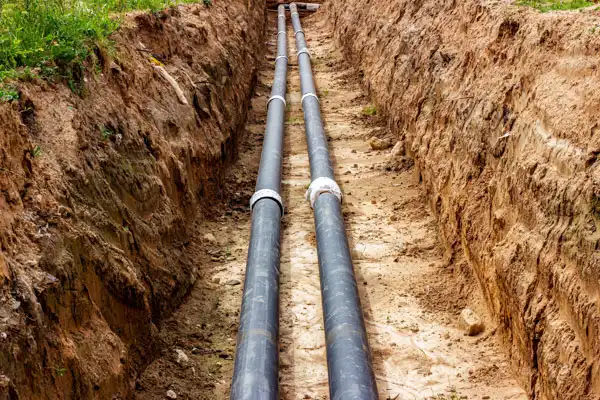
Extreme temperature shifts across seasons and soil shifting caused by freeze-thaw cycles often impact drainage systems across homes in Twin Falls. There are also other concerns, such as mineral buildup due to hard water inside lines, and tree root intrusion in drains and sewers. Homeowners often notice signs like kitchen sink backups and slow showers before bigger problems emerge.
When there is a drainage issue, you have to hire a professional service like masterrooter.com. The Master Plumbing team offers instant same-day support for drainage issues in Twin Falls, and their technicians can further offer guidelines on how you can avoid similar problems. In this guide, we will discuss how professional drain cleaning works.
Initial Inspection
The first thing you should know about professional drain cleaning is the detailed process. This is much beyond using plungers and DIY chemicals. Experts will come over and talk to you about the signs you have noticed. Next, they will check the plumbing system components, including drain locations across kitchens and bathrooms, along with the main sewer line. They will also evaluate whether recent repairs were done and look for details like frequency and the overall backup options.
The process relies on a security camera, which is connected to a cable and inserted into access points. The camera inspection helps find the location and depth of blockages. They will also check for other issues, such as joint damage, pipe cracks, and root intrusion. The findings will guide plumbers to find the right cleaning methods.
Types of Cleaning
- Mechanical Clearing: Mechanical clearing of the drainage system involves using a snake/auger, which is a long and flexible cable that has a cutting head. If the blockage is due to grease, hair, and soil, this can help clear the drain. Professionals have different types of snakes, including 300-ft-plus cable rigs.
- Hydro Jetting: As the name suggests, this process uses water at a very high pressure, which helps push debris and buildup from pipe walls. If there is grease or mineral scale inside pipes, hydro jetting is a great option. It also works well for smaller root fragments. Unlike mechanical snaking, water pressure can clean the entire pipe surface rather than creating a hole through a clog.
- Root Intrusion Management: Mature tree roots often cause massive damage to drainage systems in Twin Falls. Roots can exploit cracks or joints in sewer lines, especially in older sewer lines, and block the flow. Cameras help plumbers and technicians find the exact root entry points, and treatment options can include hydro jetting or mechanical cutting. After the cleaning is done, you can consider root barriers if suggested by the technicians, which will prevent intrusion-related failure and clogs.
Sewer Line vs Fixture Drain Cleaning
Professionals use different techniques for fixture drains and sewer lines. Fixture drains include the sink, shower, and tub, which usually clog near the entrance, and for such issues, augers are more useful. For main sewer line blogs, camera inspections and longer snakes are always the norm, while hydro jetting is used for deeper obstructions. After cleaning, plumbers will rinse lines with clean water, which will flush debris and suggest how you can schedule maintenance to prevent further problems based on root intrusion and grease patterns.
Takeaways
As a homeowner, you shouldn’t wait for drainage issues to call a plumbing service in Twin Falls. What you need is a mix of seasonal plumbing checks and a scheduled cleaning routine according to recommendations. Emergency repairs cost a lot more, as technicians will have to work harder to restore function. Make sure to select a company that has local expertise and doesn’t mind sharing insurance and other relevant details.

Comments are closed.