
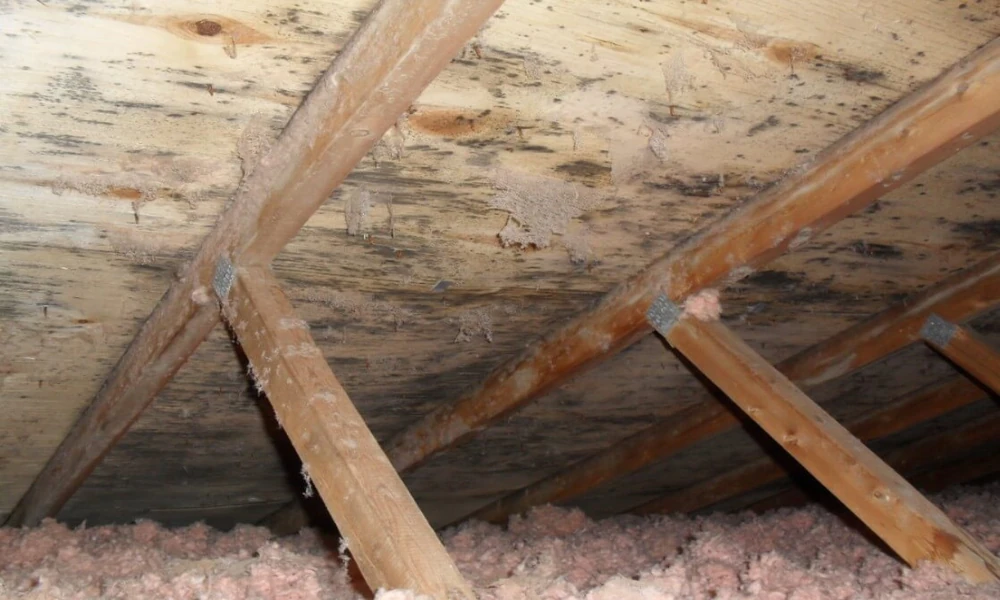
Dark stains creeping along attic beams, a musty odor on the upper floor, and a persistent tickle in the throat, these are classic signs of attic mold at work. Ottawa homeowners are no strangers to mold, especially given the city’s unpredictable climate and older housing stock. But attic mold is more than an unsightly nuisance. Its presence can drastically undermine indoor air quality, putting your family’s health at risk.
What Is Attic Mold and How Does It Develop in Ottawa Homes?
Attic mold is a fungal growth that thrives in dark, humid conditions, particularly where air circulation is limited. Ottawa’s residential attics, often under-insulated or poorly ventilated, create an ideal environment for mold to flourish.
Common Causes of Mold Growth in Attics
Mold spores settle and grow when they find moisture. In Ottawa attics, moisture typically comes from roof leaks, blocked or inadequate vents, condensation due to temperature shifts, and even the aftermath of wildlife or water damage. Insulation that traps rather than resists moisture can further aggravate the problem.
The Role of Ottawa’s Climate in Mold Formation
Ottawa’s climate swings, from humid summers to frigid, snowy winters, put unique stress on home structures. Warm indoor air meeting a cold attic roof can cause condensation, leading to persistent dampness that mold loves. Spring thaws and heavy rainfall can also seep through vulnerable roofing, giving mold another opportunity to take hold.
How Does Attic Mold Affect Indoor Air Quality?
Mold doesn’t stay confined to the attic. As it grows, it releases microscopic spores that drift through the air, eventually making their way into living spaces below.
Mold Spores and Airborne Contaminants Explained
These spores are invisible but potent. Once airborne, they blend with household dust, increasing the load of indoor air contaminants. High levels of spores can overwhelm a home’s ventilation and filtration systems, especially if the attic is directly connected to central air ducts.
Health Risks Linked to Poor Indoor Air Quality from Mold
For sensitive individuals, even brief exposure can trigger allergic reactions, itchy eyes, coughing, headaches, and respiratory distress. Children, elderly residents, and those with asthma or weakened immune systems face higher risks. Long-term exposure has also been linked to chronic sinus infections and more severe respiratory issues.
What Are the Signs of Mold Presence in Your Attic?
Sometimes mold makes itself visible, other times it hides behind insulation or drywall.
Visible Indicators and Odors to Watch For
Look for black or greenish patches on wood or insulation, peeling paint, or a persistent earthy or musty smell, especially after rain. Increasing humidity or condensation on attic windows is another warning.
Impact on Home Structure and Insulation
Unchecked, mold can degrade wood beams and joists, weakening structural integrity. It also destroys attic insulation, reducing your home’s energy efficiency and causing heating or cooling bills to spike.
Why Is Professional Attic Mold Removal Crucial?
Tempted to tackle attic mold with DIY sprays or bleach? That approach rarely delivers lasting results.
Risks of DIY Mold Removal
Improper handling spreads spores further into your home. Household cleaners don’t penetrate deep enough, and disturbing insulation can expose you to hidden wildlife droppings and bacteria.
How Experts Ensure Thorough Decontamination
Professional teams use specialized equipment to isolate, remove, and neutralize mold colonies. They follow strict safety protocols, ensuring that spores, mold fragments, and contaminated insulation are thoroughly removed. This process restores both the attic’s structure and your home’s air quality.
How Does Attic Mold Removal Improve Indoor Air Quality?
Eradicating attic mold goes beyond surface cleaning.
Removing Contaminants vs. Temporary Solutions
Professionals eliminate both visible mold and invisible spores. Unlike stopgap measures, this process addresses the root of poor air quality, leading to measurable improvements in respiratory comfort.
The Role of Attic Insulation Replacement in Air Quality
Old, contaminated insulation harbors mold spores long after visible colonies are gone. Full remediation often includes removing and replacing insulation. With modern, mold-resistant materials, new insulation acts as both a barrier to moisture and a filter for airborne particles.
What Does a Typical Attic Mold Removal and Restoration Process Involve?
Restoring a healthy attic takes a methodical approach.
Inspection and Mold Assessment
Experts start with a comprehensive inspection, identifying all affected areas and underlying sources of moisture.
Mold Decontamination Techniques
Depending on severity, they may use HEPA vacuums, antimicrobial sprays, and negative air machines to contain and remove contaminants.
Insulation Removal and Replacement
Moldy insulation is safely extracted and disposed of, then replaced with high-quality products designed for Ottawa’s climate.
Final Cleanup and Air Quality Testing
The process concludes with meticulous cleaning and air quality testing, confirming that mold counts have dropped to safe levels.
How Can Ottawa Homeowners Prevent Future Mold Problems?
The key to mold-free attics lies in ongoing vigilance.
Best Practices for Attic Ventilation and Moisture Control
Ensure attic vents are never blocked. Use vapor barriers and consider dehumidifiers during humid months. Repair roof leaks promptly and monitor for signs of condensation during temperature swings.
Regular Maintenance and Inspection Tips
Schedule professional inspections after storms, wildlife intrusions, or water leaks. Replace old insulation promptly, and keep eaves and soffits clear of debris.
Where to Find Reliable Attic Mold Removal Services in Ottawa?
Choosing a reputable service provider ensures not just mold removal, but lasting protection for your home and health.
What to Look for in a Service Provider
Look for companies with deep experience in attic decontamination, up-to-date certifications, and a strong track record in the Ottawa area. They should offer comprehensive services, including assessment, removal, insulation replacement, and air testing.
Questions to Ask Before Hiring
– What specific mold removal techniques do you use?
– Do you handle insulation replacement and cleanup?
– Is air quality testing included after remediation?
– Can you provide references from recent local jobs?
Overview of Local Experts and Their Offerings
Among local providers, Insulation Services Ottawa stands out for its expertise in attic decontamination, restoration, and insulation upgrades. Their experience in handling both post-disaster cleanup and routine maintenance makes them a reliable choice for homeowners seeking peace of mind.
A mold-free attic isn’t just about protecting the top level of your house, it’s a step toward a healthier, safer home for everyone inside.

Comments are closed.