Author

Gregory Brown

Browsing

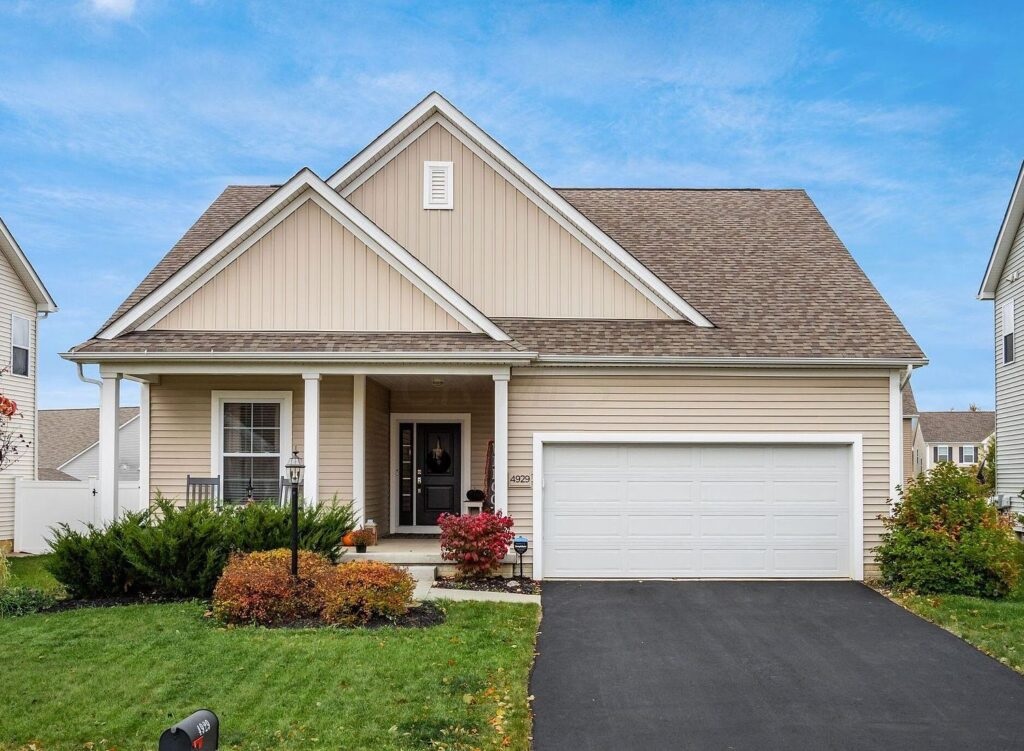
You are enjoying the aesthetics and the functionality of the sidings, but from exposure, elements take a toll. Your pristine siding will start looking dull after years of exposure. You will need to fight with three major culprits to keep your siding pristine, clean, and last long.

Although the sidings are durable and last for many years, you must not forget to do some minimal maintenance to prevent fading and deterioration. You may have used the best installers like the Alpine Siding Pros, the top siding installation service Bellingham WA and have completed hundreds of residential projects. However, you must take care of your investment with proper maintenance. Sidings are the important elements of your home exteriors that not only improve the aesthetics but also constantly fight the harsh climatic conditions.

Culprit no 1 – Dirt, dust and debris


You must fight consistently with dirt, dust and debris to maintain clean sidings. The sidings get battered from various sources –

  • Wind & rain – The force from nature can propel dust, pollen and other airborne particles onto your siding panels.
  • Road traffic – The vehicles driving by your home kick up dirt and dust, especially if you live near a busy road.
  • Lawn care activities – Trimming, mowing, and leaf-blowing can send yard debris toward your siding. 

If you leave the dust, dirt and debris unattended, it can build up damaging your home aesthetics but can also trigger long-term consequences. Dirt is rough and can slowly wear off the finish or paint on your siding, making the exterior look dull and lifeless. 

Accumulated debris can trap moisture against the siding, thus accelerating premature deterioration. Dirt piles are a breeding ground for insects and pests leading to bigger concerns [pest infestation].

How to Clean Vinyl Siding and Keep It Looking Pristine This 2022 | Siding

Solution


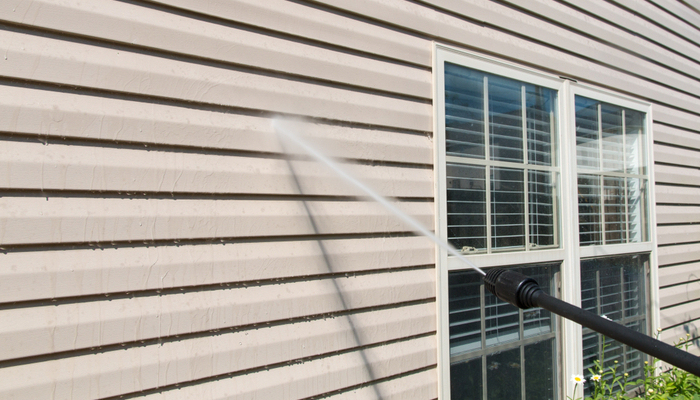
A gentle wash once a year with a garden hose and mild detergent is sufficient. For stubborn grime, use a soft-bristled brush, but avoid harsh chemicals. For heavily soiled siding choose power washing. Call professionals because they know how much pressure to use for your siding material. 

You need to plant trees and shrubs away from your house to create a natural barrier against dust and debris.

Culprit no 2: Mold & mildew


Mould and mildew thrive in damp and shaded areas. If the condition is right, your siding can become a breeding ground. 

  • If an area of your siding does not get sufficient sunlight or dries slowly after rain the environment is ideal for mold and mildew to flourish.
  • If there is poor air circulation behind the siding panel or around the foundation, moisture can get trapped, which fosters mould growth.
  • The build-up of organic matter like leaves and pollen close to the sidings can nourish mould spores. 

Mould and mildew don’t just damage home appearance but are a health risk for occupants with allergies or respiratory issues. Eventually, if ignored, it can damage the siding.

Solution


Ensure proper ventilation, such as installing vents near the foundation to promote airflow behind the siding. Trim overgrown bushes and shrubs near the house to allow air circulation. Fix leaky gutters and downspouts to prevent water from pooling around the foundation. Just like dirt, clean it with water and bleach to remove mould spores regularly. 

Culprit no 3 – Environmental pollutants


Your location may be near factories, heavy-traffic roads, or coastal regions. These can make the sidings susceptible to airborne pollutants, road dust, or salt spray. These can cause sidings to soil or corrode.

Solution


Environmental pollutants cannot be completely removed, but you can take steps to reduce their effects, such as regular cleaning and applying a protective coating to create a barrier. If you are planning siding replacement, then your siding contractor will recommend a suitable material. For example, vinyl siding is resistant to salt spray and needs less maintenance. 

Besides regular cleaning, you must inspect sidings for damage or mould growth signs. Addressing the issues quickly will prevent them from amplifying into expensive repairs or replacements. 


When you invest in real estate, you are entering into what can be a lucrative venture. Before you jump into property ownership, you want to assess whether or not investing in real estate aligns with your financial goals. You also want to take a look at the risk tolerance and if that goes along with your comfortability and lifestyle. Let’s dive in so you can take a look at some of the key considerations you should take to determine if investing in real estate is right for you.

How To Know If Investing In Real Estate Is Right For You

STEP 1-Define Your Financial Goals:

You want to begin by clearly outlining your financial objectives. Real estate offers a variety of opportunities. Some of these are long-term appreciation, rental income, or short-term flipping profits. You want to consider your short-term and long-term goals, whether you are building wealth or generating passive income.

STEP 2-Assess Your Risk Tolerance:

When you invest in real estate it comes with risks. These are market fluctuation, property deprivation, and unexpected expenses. You want to evaluate your risk tolerance by considering things like your age, financial stability, and comfort with the ever-changing market.

STEP 3-Understand Your Investment Horizon:

Green Bay Realtors offer this: “Real estate investments require a long-term commitment. If you are looking for a quick return then the real estate market might not be the most ideal choice for you. Assess your investment to determine if you are willing to hold onto the property for several years.”

STEP 4-Evaluate Your Financial Health:

Before you enter into the real estate market you want to assess your current finances. Make sure you have a stable income, emergency fund, and manageable debt levels. Real estate can be expensive on capital so having a solid financial foundation is very important.

Step 5-Educate Yourself:

Knowledge is truly power in real estate. You want to familiarize yourself with the market, property types, financing options, and local regulations. You can do this by reading, attending worship, and seeing advice from experienced investors. You want to equip yourself wot make a sound investment.

STEP 6-Consider Your Time Commitment:

Real estate can be time-consuming if you are managing the property yourself. You want to assess if you have the time and energy to handle the tasks that need to be looked over. These tasks are property attendance, tenant management, and market research. If your time is limited then you may want a property manager, but this comes with additional costs.

STEP 7-Analyze Market Trends:

Real estate markets are subject to the current economic trends. You want to research the current state of the market in your desired location. Look for certain indicators like job growth, population trends, and development plans. Understanding your market dynamics will help you make an informed investment decision.

STEP 8-Diversification:

When you invest consider you it fits into your overall invest, ent portfolio. Diversification is key to managing risk, so you want to evaluate whether adding real estate along with our existing investments or not. A well-diversified portfolio will provide stability and avoid potential losses.

STEP 9-Financing Options:

Explore all of your financing options to determine how much capital you can commit to in real estate. You want to understand the various mortgage options, interest rates, and loan terms. Using adequate financing is crucial for a successful real estate investment.

STEP 10-Plan for Unexpected Expenses:

Real; estate ownership involves a lot of unforeseen costs like repair, maintenance, and property management fees. You want to prepare for these by setting aside a contingency fund to be prepared for the unexpected.

In Conclusion

Investing in real estate is a rewarding adventure but it requires careful consideration and planning, You want to assess your financial goals, risk tolerance, and commitment level before you jump into the real estate market. Make sure to educate yourself and stay informed to be prepared for unexpected challenges. When you take a thoughtful and strategic approach you can determine if a real estate investment is the right path for you.


Westerville is often called “The City of Otterbein,” about the prominent Otterbein University located within its boundaries, contributing to the town’s vibrant intellectual and cultural atmosphere. Westerville residents prioritize home security by investing in state-of-the-art alarm systems, smart locks, and surveillance cameras. It contributes to the town’s reputation as a safe and secure living place. In the peaceful suburb of Westerville, Ohio, homeowners value the safety and security of their homes above all else. As the demand for improved home security continues growing, residents must explore various ways to fortify their properties. Whether you’re a new homeowner or have been residing in Westerville for years, enhancing your home security should be a top priority. To achieve this, consider the services of a handyman Westerville who can assist you in implementing the essential upgrades and installations needed to protect your home effectively.

Reinforcing Entry Points

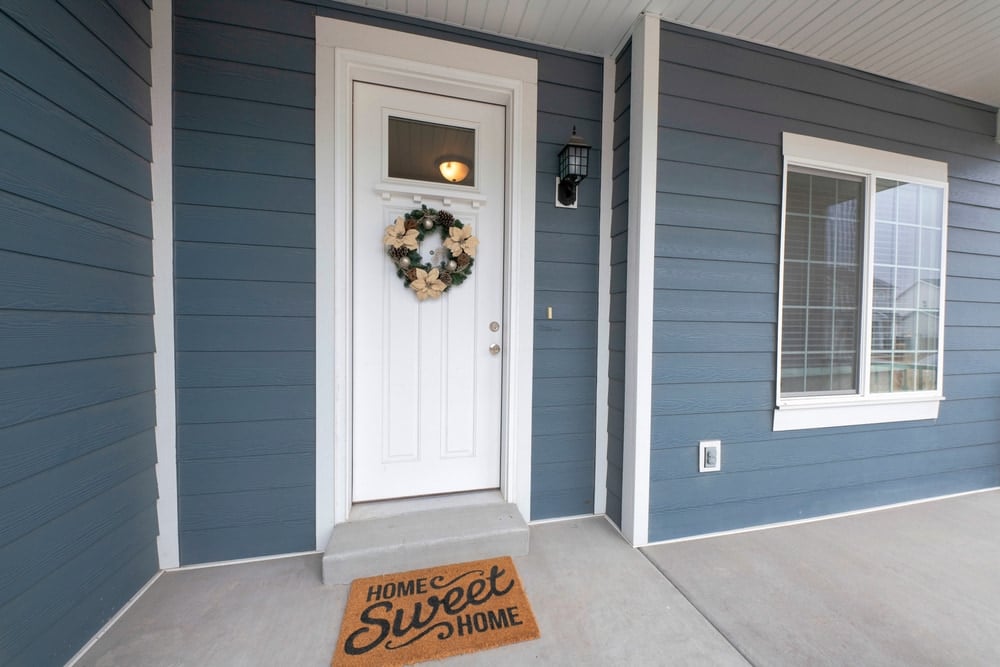
Burglars often target vulnerable entry points, and one of the most practical ways to enhance home security is by reinforcing these areas. A Westerville handyperson can be a valuable resource in this regard. They can install solid core or metal doors, which are much more resilient than standard wooden doors. These robust doors provide an extra layer of protection against forced entry attempts, making it significantly more challenging for intruders to break in.

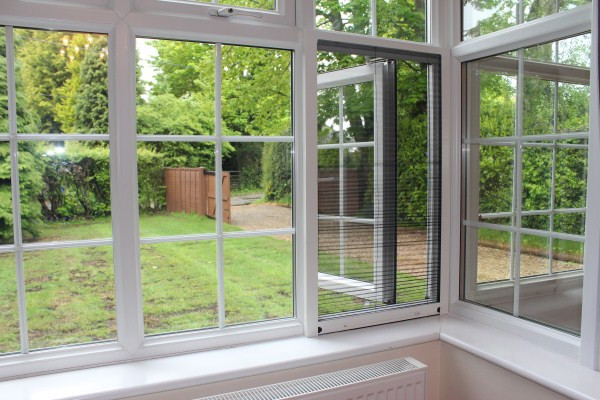
Moreover, a handyman can fortify your windows with laminated glass or security film. Laminated glass is a strong, shatter-resistant material that can withstand considerable force. On the other hand, security film is a transparent layer applied to existing glass, making it harder to break. These enhancements deter potential burglars and give you peace of mind, knowing your home’s entry points are well-protected.

Installing Outdoor Lighting

Outdoor lighting is a simple yet highly effective security measure that can deter criminals and improve safety around your property. A Westerville handyperson can strategically install motion-activated lights in critical areas, such as pathways, driveways, and entrances. When motion is detected, these lights instantly illuminate the surroundings, exposing any suspicious activity.

The psychological impact of well-placed outdoor lighting should be considered. Intruders prefer darkness to conceal their movements, and sudden bright lights disrupt their plans, often discouraging them from attempting a break-in. Additionally, well-lit exteriors make it safer for you and your family to navigate your property at night, reducing the risk of accidents and falls.

Surveillance Systems

Modern technology has revolutionized home security with the advent of advanced surveillance systems. A handyman in Westerville can guide you in selecting the correct security camera setup. Outdoor cameras can monitor your property’s exterior, while doorbell cameras provide a view of anyone approaching your front door. Indoor surveillance ensures that you have eyes on the inside of your home.

These cameras are a deterrent and valuable evidence in a security breach. Some systems even offer remote viewing capabilities, allowing you to check on your home from your smartphone or computer. Investing in a surveillance system gives you round-the-clock monitoring, enhancing your overall security and providing peace of mind.

Alarm Systems

Alarm systems are a critical in any comprehensive home security strategy. A Westerville handyperson can install a professionally monitored alarm system that connects to a security company. These systems usually have door and window sensors, motion detectors, and panic buttons.

Door and window sensors trigger an alarm when unauthorized entry is detected, while motion detectors can sense intruders moving within your home. Panic buttons provide an immediate way to alert authorities in an emergency. When the alarm is triggered, the monitoring center is notified, and they can dispatch help promptly, preventing potential break-ins or providing assistance during medical emergencies.

Secure Access Control

Controlling who enters your home is a fundamental aspect of security. A handyman can assist in implementing advanced access control systems to enhance your safety and convenience. Keyless entry systems, electronic locks, and intercoms are all valuable components of secure access control.

Keyless entry systems let you to enter your home using a unique code or even your smartphone, eliminating the need for traditional keys. Electronic locks can be remotely controlled, enabling you to grant access to trusted individuals or lock the doors from anywhere. Intercom systems provide a way to communicate with visitors at your front door, allowing you to screen and verify their identity before granting entry.

Landscaping and Perimeter Security

Your property’s exterior plays a significant role in your overall security. A handyperson can help you make strategic landscaping improvements to eliminate hiding spots for potential intruders. This includes trimming overgrown shrubs and trees near windows and pathways reducing blind spots that criminals could use to approach your home unnoticed.

The handyperson can assist in installing perimeter security features, such as fences and gates. Fences provide a physical barrier that deters unauthorized access, while gates can be equipped with locks and access control systems for added security. Thorny bushes or plants with prickly foliage can also be strategically placed near windows or fences to discourage anyone from attempting to breach your property’s boundaries.

Conclusion

In conclusion, safeguarding your home in Westerville, Ohio, requires a multifaceted approach. Engaging the services of a handyman can streamline the process of implementing essential security upgrades and installations. By reinforcing entry points, enhancing outdoor lighting, investing in surveillance and alarm systems, implementing secure access control, and optimizing your property’s landscaping and perimeter security, you can create a safer and more secure environment for your family. In this digital age, it’s crucial to stay proactive and prioritize home security, and these upgrades will provide you with peace of mind and protect your home from potential threats.


 

In the world of construction, landscaping, and agriculture, both skid steers and tractors are invaluable machines. Each has its unique strengths and applications, making the choice between them dependent on specific needs and tasks. For those considering adding to their fleet, understanding the differences and advantages of each is crucial, especially when looking at used skid steers for sale or contemplating the purchase of a tractor.

Skid Steers: Versatility and Maneuverability

Skid steers are compact, motorized machines known for their agility and versatility. They are equipped with lift arms to which various attachments can be connected, making them suitable for a wide range of tasks.

Advantages of Skid Steers

1. Maneuverability

Skid steers are highly maneuverable and can turn within their own footprint, making them ideal for tight spaces and intricate maneuvering.

2. Versatility

With a wide range of attachments available, skid steers can perform numerous tasks, from excavation and grading to debris removal and snow plowing.

3. Size

Their compact size makes them easy to transport and suitable for indoor and urban environments.

Considerations

When looking at used skid steers for sale, consider the machine’s versatility and how it aligns with your specific needs. Skid steers are excellent for projects that require a variety of tools and functions in a compact package.

Tractors: Power and Agricultural Proficiency

Tractors, on the other hand, are primarily designed for agricultural use but are also utilized in construction and landscaping. They are known for their power and ability to handle large-scale tasks.

Advantages of Tractors

1. Power

Tractors are generally more powerful than skid steers and are capable of pulling and pushing heavy loads.

2. Agricultural Efficiency

They are ideal for plowing, planting, and harvesting in agricultural settings.

3. Attachment Range

Tractors can be equipped with a variety of attachments, though these are typically more focused on agricultural applications.

Considerations

When considering a tractor, think about the scale and nature of your projects. Tractors are best suited for open-field work and large-scale farming operations.

Comparing Skid Steers and Tractors

1. Application Specificity

The choice between a skid steer and a tractor largely depends on the application. For diverse construction or landscaping tasks, especially in confined spaces, a skid steer is preferable. For agricultural tasks and large-scale fieldwork, a tractor is more suitable.

2. Investment and Cost

Cost is another factor. Used skid steers for sale can be a more budget-friendly option, offering versatility without a hefty price tag. Tractors, typically more expensive, are a significant investment and are justified if their robust capabilities are required regularly.

3. Learning Curve and Ease of Use

Skid steers generally have a gentler learning curve compared to tractors. They are easier to maneuver and adapt to various tasks, making them a good choice for those who need a multi-purpose machine with ease of use.

Conclusion

Deciding whether a skid steer is better than a tractor depends on your specific needs. If you require a machine that is versatile, easy to maneuver, and capable of performing a variety of tasks in confined spaces, then a skid steer, especially considering the options among used skid steers for sale, might be the ideal choice. However, if your work involves more agricultural tasks or you need a machine with more power for large-scale fieldwork, a tractor would be more appropriate.

Ultimately, the decision should be based on a careful assessment of your project requirements, budget constraints, and long-term equipment needs. Both skid steers and tractors offer unique benefits, and choosing the right one can significantly impact the efficiency and productivity of your work.

With their playful antics and furry tails, Squirrels are often considered charming inhabitants of nature. The issue and concerns arise when these agile creatures decide to make themselves home in your attic or crawl spaces. It is time to seriously consider effective squirrel pest control solutions.

Let’s explore the signs of a squirrel infestation and examine the importance of seeking professional pest control Manchester services to address this increasingly common issue.

Signs of a Squirrel Infestation

Squirrel infestation may go unnoticed until significant damage has already occurred. Recognizing the signs early on can help homeowners in Manchester take swift action. Here are key indicators that squirrels may have taken up residence in your home:

  1. Unusual Noises: Squirrels are not the most discreet houseguests. It could be a sign of a squirrel infestation if you hear persistent scratching, thumping, or scampering sound, particularly in your attic or walls.
  2. Droppings and Urine Odor: Squirrel droppings are typically small and pellet-shaped. If you find these around your home, especially in confined spaces, it’s a clear indication of their presence. Additionally, the smell of squirrel urine may become noticeable, signalling the need for intervention.
  3. Gnaw Marks and Damage: Squirrels constantly need to gnaw to keep their teeth from overgrowing. If you observe chew marks on wooden structures, electrical wires, or insulation, it’s a strong indication that squirrels are present and causing damage.
  4. Nesting Materials: Squirrels use leaves, twigs, and insulation to build nests. If you discover a collection of these materials in your attic or other secluded spaces, it’s a sign that squirrels are making themselves at home.

The Importance of Professional Squirrel Pest Control

While some homeowners may be tempted to tackle a squirrel infestation independently, but professional pest control services in Manchester offer a range of benefits that make them the preferred choice for effective and humane resolution.

  1. Comprehensive Inspection: Pest control professionals conduct a thorough inspection of your property –
  • To identify entry points
  • Assess the extent of the infestation
  • Formulate a tailored plan of action

This level of detail ensures no stone is left unturned in addressing the issue.

  1. Humane Removal Methods: Professional pest control services prioritize humane treatment of animals.
  • They employ traps and exclusion methods that safely capture and remove squirrels without causing harm.
  • This ethical approach ensures the well-being of the animals and aligns with local wildlife regulations.
  1. Repairs and Exclusion Techniques: Beyond removing the existing infestation, pest control experts implement measures to prevent future incursions. This includes –
  • Sealing entry points
  • Reinforcing vulnerable areas
  • Providing recommendations for long-term prevention.
  1. Safe and Effective Pest Control Products: Pest control professionals have access to industry-approved products and tools that are safe for the environment and effective in addressing squirrel infestations. DIY solutions may lack the same level of efficiency and safety.

Conclusion

Squirrel infestation is a challenge that many homeowners in Manchester face. It is vital to address them promptly and effectively to prevent extensive damage. While squirrels might be charming in outdoor settings, their presence within your home demands professional intervention.

Taking help from pest control professionals ensures a comprehensive and humane resolution in safeguarding your home from the destructive tendencies of these active creatures. Don’t let squirrels turn your attic into their playground – invest in professional squirrel pest control for a secure and peaceful living environment.

Although many people view owning a home as a lifetime goal, only some are destined for this path. Today, several countries have high percentages of homeownership, however, this has only sometimes been the case.

Historically, families had to construct houses or rent residences from other people. Given their financial situation, renting might make more sense for some people. Purchasing a house is sometimes viable, so many people look for rented homes with the best neighborhoods in Houston for young professionals.

Although most working adults and students choose to rent since the payments are smaller, there are numerous additional advantages. Stay here to know about reasons why you need to live in a rental house:

Access to amenities

Renters also profit financially from access to amenities that would otherwise be costly. In many midscale to upmarket apartment buildings, tenants are not charged extra for amenities like an in-ground pool or a fitness facility.

A homeowner would have to pay thousands of dollars for installation and upkeep if they wanted to use these amenities. Owners are also not spared from these expenses. All of these costs are included in the monthly homeowner’s association payments.

Low maintenance costs

Renters generally do not have to pay any maintenance or repair expenditures, an additional benefit to homeowners. Renters are responsible for paying for repairs if there is a malfunction or breakdown in the rental property.

In contrast, when you buy a house, you have additional charges to pay for maintenance, property taxes, society fees, renovations, and repaying the home loan. But to prevent any problems in the future, the renters need to make sure that this is clearly stated in their lease agreement.

Living with friends

The opportunity to live with friends is another advantage of renting. Students like living in residences with their friends, and young professionals prefer to share rental homes to save costs and maximize social opportunities.

If you are looking for a rental home, choose a rental service provider who shows homes with the best neighborhoods in Houston for young professionals.

Freedom 

While renting an apartment gives you flexibility and freedom, living in a shared housing community or a hostel has numerous restrictions.

Renting gives you the flexibility to avoid the commitment of buying a property, which calls for a long-term residence.

Flexibility to downsize

At the end of their lease, tenants can move to more reasonably priced homes. This kind of flexibility is particularly crucial for elders wishing to downsize to a smaller, more affordable option that fits their budget.

The costs of purchasing and selling a home make it far more difficult to escape a costly residence. Furthermore, a homeowner may only be able to sell and move if they have made large renovation expenditures and the selling price does not reimburse them.

Summing it up

The above details are about the reasons why you need to live in a rental house. For those who would rather not deal with the headaches of homeownership, maintenance fees, and real estate taxes, renting can be a preferable choice. So, when looking for a rental house, choose one with the best neighborhoods in Houston for young professionals.

Maintaining the exterior surfaces of your home or business is crucial for both aesthetic appeal and longevity. One effective way to achieve this is through regular pressure washing. This powerful cleaning method utilizes high-pressure water to remove dirt, grime, mold, and other contaminants from various surfaces. Let’s explore the top five surfaces that significantly benefit from regular pressure washing.

  • Exterior Walls and Siding

The exterior walls of your home or commercial building are constantly exposed to the elements. Over time, dirt, algae, and mildew can accumulate, diminishing the appearance of the property. Pressure washing not only restores the vibrant look of your walls but also helps prevent long-term damage. 

  • Concrete Driveways and Walkways

Concrete surfaces, such as driveways and walkways, are susceptible to staining from oil, grease, mildew, and other substances. These stains not only detract from the curb appeal but can also pose safety hazards. Pressure washing is highly effective in lifting these stubborn stains and restoring the clean, polished look of your concrete surfaces. Additionally, it helps prevent the growth of moss and algae, reducing the risk of slips and falls.

  • Wooden Decks and Patios

Wooden decks and patios provide an inviting outdoor space but are prone to weathering, mold, and mildew. Regular pressure washing is essential for preserving the natural beauty of wood and preventing decay. The high-pressure water removes accumulated grime and prepares the surface for resealing or staining. This not only enhances the appearance but also protects the wood, extending its lifespan.

  • Roofs

The roof is often overlooked when it comes to regular cleaning, yet it is a surface that greatly benefits from pressure washing. Moss, algae, and debris can accumulate on the roof, leading to potential damage and reducing its efficiency. Pressure washing removes these contaminants, preventing issues like water damage, leaks, and deterioration of roofing materials. A clean roof not only improves the aesthetics but also contributes to the overall health of your property.

  • Fencing

Whether it’s a decorative wooden fence or a practical chain-link one, regular pressure washing can revitalize the appearance of your fencing. Over time, fences can accumulate dirt, mold, and discoloration. Pressure washing not only cleans the surface but also helps in preserving the structural integrity of the material. 

In this way, by incorporating pressure washing into your routine maintenance plan, you not only protect your investment but also create a welcoming and well-maintained environment.

In this regard, Zachs Pressure Washing delivers exceptional cleaning results for your home and office.

A smooth, efficient house move relies on the systems and expertise of your removalists. Professional removalist companies have procedures refined over years of service to optimize the moving process and save you time. A quality removalist will outline an exact timeline for move day, so you know what to expect at each stage. It allows you to coordinate with other professionals like cleaners and utilities. They should confirm arrival times, the sequence of loading possessions into the truck, estimated driving time based on the route, and expected arrival at your new home for unloading. Unexpected delays derail a move, so choose a punctual removalist known for sticking closely to timeframes to keep your relocation on track.

Allocate tasks efficiently 

An efficient workflow relies on a removalist team clearly understanding their roles. Experienced removalists assign tasks like packing, loading, and cleaning based on workers’ abilities to maximize productivity. For example, a worker skilled at safely moving large furniture will be in charge of carrying those items. Someone detail-oriented is ideal for safely wrapping and packing fragile possessions. When the team has a plan for which tasks to focus on, the move progresses swiftly and smoothly. 

How a removalist packs the truck significantly impacts efficiency. Items should be packed tightly without compromising safety to avoid shifting during transit. Fragile, light goods typically go on top of heavier items for protection. The furniture is strapped down and secured. A tidy, compact packing method saves time unloading as movers know exactly where your possessions are located in the truck. Decluttering beforehand assists the removalists by reducing excess items to pack and move.

Utilize efficient routes

Your removalist should evaluate traffic conditions and map out the most direct, quickest route for your moving day. For long-distance moves from Melbourne to Sydney removalist, they will identify optimal stops for breaks while keeping delays to a minimum. GPS systems allow companies to access the latest traffic updates and modify the planned route if needed. Choosing a local removalist familiar with the area’s roads also prevents time wasted navigating. Communicate any specific route requirements you have to ensure an efficient journey.

Provide specialist equipment

Removalist companies invest in top-quality gear designed to speed up the moving process. For example, using professional trolleys allows workers to quickly wheel multiple items like boxes and furniture out at once. Packing tape guns helps securely seal boxes faster. Straps, furniture pads, and dollies safely shift bulky possessions in one trip. Having the right specialist equipment on hand means your removalist can handle items with greater ease and speed. Choose a removalist company that offers key extras that make move day faster and simpler. For instance, having the option for them to disconnect and reconnect appliances saves you time handling utilities. Some even offer cleaning after moving furniture out so you don’t have to come back later. The most efficient removalists have a suite of services to progress every stage promptly under one contract.

Imagine sinking into the buttery softness of a leather sofa after a long day’s work – the supple touch against your skin, the rich aroma filling the air, and the feeling of indulgence it inspires. Leather upholstery has an innate ability to merge style with comfort, creating a harmonious balance that instantly draws admiration and envy from your guests.

The allure of leather lies in its unique ability to age gracefully, gaining character and patina over time. Unlike other materials, leather gets better with age, making it a lifelong investment for your living space. With a wide range of textures, colors, and finishes available, leather upholstery allows you to personalize your furniture and tailor it to match your aesthetic preferences flawlessly.

The durability of leather upholstery is yet another remarkable aspect that sets it apart from conventional fabrics. Its resistance to wear and tear, spills, and stains ensures that your furniture remains in pristine condition for years to come, even with daily use. The ease of cleaning and maintenance is a boon for busy households, allowing you to spend more time enjoying your space rather than worrying about its upkeep.

Beyond the Ordinary: Exploring Exotic Leather Upholstery for Unconventional Opulence

Exotic leather upholstery transcends the boundaries of traditional design, offering an array of fascinating options like a genuine ostrich, python, alligator, or stingray leather. Each of these leathers boasts distinct patterns, textures, and colors, making every furniture piece a work of art in its own right. Their rare and exclusive nature ensures that your living space stands out as a testament to individuality and refined taste.

The craftsmanship involved in working with exotic leather is an art form in itself. Skilled artisans meticulously handle each piece, ensuring that the inherent beauty of the leather is preserved while being tailored to your unique design vision. The result is a masterpiece that not only speaks of luxury but also honors the natural beauty of these magnificent creatures.

Beyond its aesthetic appeal, exotic leather upholstery also stands as a symbol of eco-consciousness and sustainability. The use of exotic leathers is often regulated by strict conservation laws and ethical practices, ensuring that they are sourced responsibly and without harm to endangered species. By choosing exotic leather, you become part of a movement that values the preservation of wildlife and their habitats.

From Past to Present: Unraveling the Timeless Allure of Vintage Leather Upholstery

The allure of vintage leather upholstery lies in its ability to transcend trends and fads. These pieces were built to withstand the test of time, showcasing the superior craftsmanship of artisans from generations past. Owning a vintage leather sofa or armchair means owning a piece of history, a tangible connection to a time when furniture was created with passion, dedication, and attention to detail.

Each vintage leather piece carries a unique patina, a result of decades of use and exposure to life’s experiences. This patina gives the leather a distinct personality, rendering it, unlike any other piece in the world. With every scratch and mark, the leather gains character, becoming a living testament to the memories and stories of those who have enjoyed its embrace over the years.

Beyond its aesthetic appeal, vintage leather upholstery offers a sense of sustainability and eco-friendliness. By giving new life to existing furniture, you contribute to the reduction of waste and the conservation of resources. Moreover, vintage pieces are often handcrafted using high-quality materials, making them sturdier and more enduring than their modern counterparts.


Many homeowners turn to a free lease agreement template when renting out a home. It feels quick, easy, and avoids the stress of dealing with long legal documents. Since a lease agreement template may look similar, downloading a template is a smart and time-saving choice.

However, a lease is not just a form. It is a legal document that protects both the homeowner and the rental property. A basic template may not cover important details that apply to your home, your city, or your state. Missing or unclear terms can later cause disputes, financial loss, or legal trouble. That is why it is always best to speak with a local lawyer or rental expert before signing any lease. Whether you choose to edit a template or have one prepared for you, there are seven key clauses and disclosures that should always be included.

Why a Lease Agreement Is Important

A proper lease sets clear rules and expectations from the start. It explains who is responsible for the home, how payments work, and what is allowed during the rental period. This clarity helps prevent confusion, protects your property, and reduces the risk of conflict between you and your tenant.

The 7 Clauses and Disclosures Every Lease Should Include

1. Occupancy details and conditions

The lease must clearly list all adults who will live in the home. Only those named on the lease are legally responsible for rent and following the rules. The agreement should state that only approved tenants and their children may live in the property. It should also block subletting and unapproved occupants to prevent misuse of the home.

2. Rent and security deposit payment terms

The lease should clearly explain how much rent is due, when it must be paid, and how it can be paid. It should also explain what happens if rent is late, if a payment fails, or if a check bounces. Details about the security deposit should include the amount, where it is held, whether interest applies, and when it will be returned. Any nonrefundable fees must be clearly stated.

3. Rules on how the home may be used

Tenants should understand how the home and surrounding areas may be used. The lease should explain parking rules, storage limits, and who pays for utilities. It should also cover maintenance duties, garden care, noise rules, smoking policies, and rules for making changes to the home. Clear rules help avoid problems later.

4. Required legal disclosures

Many states and cities require landlords to include specific disclosures in the lease. These may involve mold, lead paint, flood risks, pests, safety devices, or local rent rules. Leaving out required disclosures can lead to fines or legal claims, so this section is very important.

5. Insurance requirements

A landlord’s insurance does not cover a tenant’s personal belongings. The lease should clearly state that tenants must carry renter’s insurance. This protects both the tenant and the homeowner in case of damage, loss, or injury.

6. Pet policy

If pets are allowed, the lease must include a clear pet policy. This should list the approved pet, any added deposit, and the tenant’s responsibility for damage, noise, and cleaning. Unauthorized pets should be treated as a lease violation.

7. Right to enter the property

The lease should explain when and how the landlord may enter the property, such as for repairs or inspections. It should also state how much notice is required, based on local laws. This helps protect tenant privacy while allowing proper property care.

Finally, the lease should explain when and how a landlord may enter the property. State laws control how much notice is required and for what reasons entry is allowed. Including this information in the lease helps avoid privacy disputes and protects everyone involved.