A retaining wall does more than hold back soil. When properly designed and installed, it can help control erosion, improve drainage, create usable outdoor space, and provide structural support for sloped properties. For homeowners and property managers in Passaic County, choosing the right retaining wall material is an important part of creating a durable landscape that can handle changing weather conditions.
Two of the most common choices are poured concrete and concrete block walls. Both can provide reliable support, but they differ in construction, appearance, maintenance requirements, and suitability for different properties.
Understanding these differences can make it easier to choose a retaining wall system that fits your property, budget, and long-term plans.
What Is a Poured Concrete Retaining Wall?
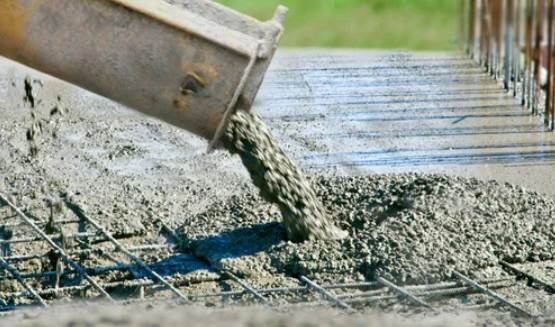
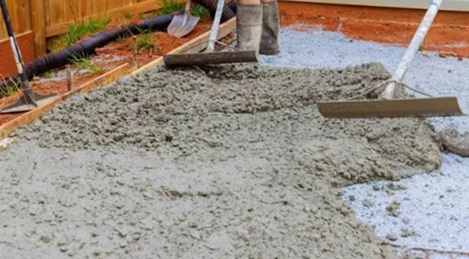
A poured concrete retaining wall is constructed by installing forms and reinforcement before pouring concrete directly into the prepared area. Once the concrete cures, the forms are removed, leaving a solid and continuous wall.
Because poured concrete creates one unified structure, it can provide substantial strength when properly engineered.
Advantages of Poured Concrete
One of the biggest benefits of poured concrete is structural stability. There are fewer joints compared with block construction, which can help create a strong barrier against soil pressure.
Other potential benefits include:
- Strong structural performance
- Clean and modern appearance
- Ability to accommodate different wall shapes
- Long service life with proper installation
- Fewer joints where water may potentially enter
- Suitable for substantial soil-retention requirements
Drainage remains extremely important. Even a strong concrete wall can experience unnecessary pressure when water becomes trapped behind it.
When Poured Concrete May Be the Better Choice
Poured concrete is often considered for properties where strength and structural consistency are major priorities. It can work especially well when a retaining wall must support a significant amount of soil or when the property has challenging grade changes.
Property owners researching a concrete retaining wall in passaic county nj should consider more than the visible portion of the structure. Footing preparation, reinforcement, drainage, soil conditions, wall height, and grading can all influence the wall’s long-term performance.
A properly constructed wall should be viewed as a complete system rather than simply a concrete barrier.
What Is a Concrete Block Retaining Wall?
Concrete block retaining walls are assembled using individual manufactured masonry units. Depending on the type of system, the blocks may be reinforced and combined with additional structural components.
Block walls are popular because they offer greater flexibility in appearance. They are available in different shapes, textures, and finishes, allowing the retaining wall to become part of the property’s overall landscape design.
Advantages of Concrete Block Walls
Concrete block walls can offer several practical benefits, including:
- Wide range of design options
- Attractive finished appearance
- Easier integration with landscaping
- Flexible installation for certain layouts
- Individual units that create a defined architectural look
- Potentially simpler access for certain future repairs
The right block system depends on the height of the wall, soil pressure, drainage conditions, and intended use.
Poured Concrete vs. Block Walls: Which Is Stronger?
There is no universal answer because wall strength depends heavily on design and installation.
A poured concrete wall can offer impressive structural strength because it forms a continuous mass. Reinforcement can also be incorporated to help the wall withstand lateral pressure from the soil behind it.
Block retaining walls can also be strong when they are properly designed, reinforced, and installed. However, using the correct type of block system is essential. Decorative landscape blocks should not automatically be treated as suitable replacements for structural retaining wall systems.
This is one reason professional property evaluation is important before construction begins.
Drainage Is Critical for Either Wall Type
Water is one of the biggest concerns when building a retaining wall.
Rainwater and groundwater can collect behind the wall. Without an appropriate drainage system, hydrostatic pressure can increase and place unnecessary stress on the structure.
A well-planned retaining wall may incorporate:
- Properly graded backfill
- Drainage stone
- Perforated drainage pipe
- Suitable outlets
- Filter fabric where appropriate
- Surface grading that directs water correctly
These components may not always be visible after construction, but they play an important role in long-term wall performance.
The same considerations apply when property owners research a concrete retaining wall in morris county nj or other areas of North Jersey. Local terrain, drainage patterns, freeze-thaw cycles, and soil characteristics should all be considered before selecting a wall system.
Which Retaining Wall Looks Better?
Appearance depends largely on the style of the property.
Poured Concrete Appearance
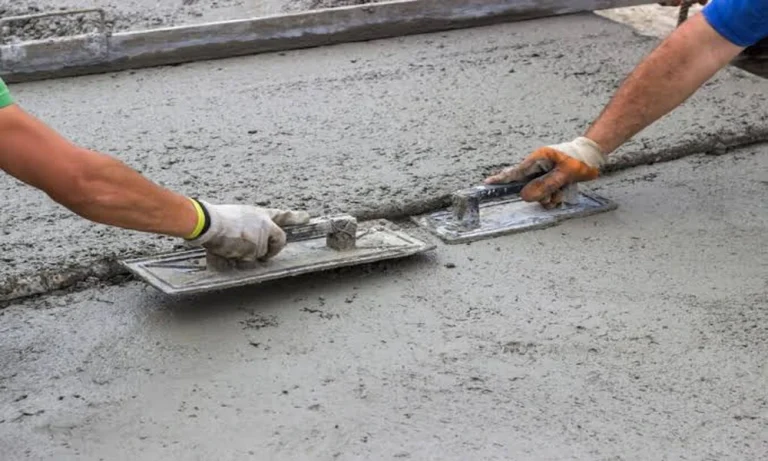
Poured concrete typically provides a clean, solid look. Depending on the project, the surface can be finished or treated to create a more decorative appearance.
It can complement properties where homeowners prefer a simple and contemporary design.
Concrete Block Appearance
Concrete blocks generally provide more decorative choices without requiring extensive surface treatments. Various block sizes, textures, colors, and patterns can be used to complement walkways, patios, landscaping, and other outdoor features.
For homeowners who prioritize visual variety, block walls may offer more flexibility.
Maintenance and Long-Term Durability
Both poured concrete and block retaining walls can last for many years when properly designed and installed.
However, durability begins before the wall itself is constructed.
Contractors need to consider excavation depth, foundation preparation, reinforcement, backfill, drainage, and surrounding grade. Cutting corners on these areas can lead to movement, cracking, leaning, or drainage problems regardless of the material used.
Property owners should also periodically inspect retaining walls for noticeable changes, such as:
- New cracks
- Wall movement
- Bulging or leaning
- Standing water
- Soil erosion
- Block separation
- Drainage problems
Identifying a developing issue early may make it easier to address before it becomes more serious.
Choosing the Right Retaining Wall for Your Passaic County Property
Choosing between poured concrete and concrete block should depend on the specific conditions of your property rather than appearance alone.
Consider factors such as:
- Wall height
- Amount of soil being retained
- Property slope
- Drainage conditions
- Available installation space
- Desired appearance
- Long-term maintenance
- Budget
- Structural requirements
For smaller decorative applications, concrete blocks may provide the flexibility and appearance a homeowner wants. For projects requiring substantial structural support, poured concrete may be worth considering.
Every property is different, so the best approach is to have the site evaluated before deciding which construction method is appropriate.
Build a Retaining Wall With Long-Term Performance in Mind
A retaining wall is a significant property improvement, and the material is only one part of the decision.
Poured concrete offers structural continuity, strength, and a clean appearance. Concrete blocks provide design flexibility and can create an attractive landscape feature while still delivering reliable soil retention when the correct system is used.
Whichever option you choose, proper engineering, excavation, foundation preparation, reinforcement, backfill, and drainage should remain the priority. A well-planned retaining wall can help protect your property, improve usable outdoor space, and create a more organized landscape for years to come.