
Author

Michael Massey

Browsing

Mobile technology is transforming the pest control industry. Already, Bend Exterminator Services and traditional pest management companies are being supplemented by smartphone applications designed to make pest identification and control easier for homeowners. This sudden shift is opening up the doors to new concepts in pest management, complete with technological tools that promise an easier pest problem solution technology, including digital identification, treatment suggestions, and direct integration with Bend Exterminator Services.

As these new applications grow in popularity, many are left wondering if they genuinely provide insights that improve pest control effectiveness or if all that technology just makes a hands-on problem more complicated to solve.

History of Technology in Pest Control

From simple tools to advanced integrated pest management systems, pest control methods have evolved greatly from the earliest days. Professionals and homeowners alike have been well served by the most recent evolution, an expanding crop of mobile apps. These applications range in functionality from basic pest identification to robust platforms that link users with local exterminators, offer treatment recommendations, and track pest activity over time.

This is another step at a time when digital solutions for home maintenance are on the rise. About 47 percent of homeowners currently utilize some form of digital resource when dealing with pest issues. The speed at which these technologies are being adopted indicates an increasing confidence in technology-assisted pest control strategies.

The Advantages of Pest Control Applications

The benefits of technology in pest management are:

  • Early detection 

The sooner you identify a pest through the use of apps that help users visually identify materials, the sooner you can intervene and this can be used in the prevention of full infestations. Such forward-thinking can help minimize both property damage and the cost of treatment.

  • Informed Decisions

Immediate access to information about pests and treatment options enables homeowners to decide better whether to handle a problem themselves or hire pros.

  • Professional Efficiency

Pest control businesses can use apps to optimize operations through improved scheduling, digital documentation, and more accurate initial assessments.

  • Long-term Pest Tracking

Certain apps monitor pest activity over time, enabling data-driven prevention and treatment methods.

  • Considerations of the Environment

Many current apps utilize integrated pest management principles, encouraging less-toxic solutions as needed.

Limitations and Challenges

Though it has its benefits, pest control apps have their roadblocks:

  • Accuracy Concerns

No identification app is 100 percent accurate, most especially with a comparable species or when you submit a low-quality picture. Misidentification may result in ineffective treatment strategies.

  • Need for Professional Assessment

Some infestations may require assessment beyond what an app can provide, such as structural evaluations or consideration of local regulations.

  • Too Much Do-It-Yourself

The apps could give homeowners a lot of information and potentially lead to homeowners attempting to fix problems that need pro-intervention, resulting in a lingering infestation.

  • Technology Barriers

Older homeowners may not be adept at using smartphone applications for pest management.

  • Security and Privacy Risks

The information collected by these apps about homes and pests poses risks to data security and privacy.

This is not to say that these smart pest control devices are bound to fail; however, it does underscore some limitations and that technology can improve pest control but never completely take over a professional in most cases.

Finding Balance Between Technology and Professional Expertise

The best approach to pest management is probably a combination of high-tech tools and professional know-how. Homeowners may use apps for first identification, rudimentary prevention, and surveillance but will seek certified professionals in the face of difficult infestations, safety issues, or compliance concerns.

Our best defense is to have a clear understanding of the limitations of tech. Software is more effective if used within a broader pest management strategy than a single solution. Companies that adopt emerging technologies while treating their customers with integrity may also gain a competitive edge.

When it comes to protecting your home, your roof is the first line of defense. Metal roofs are known for their durability, energy efficiency, and long lifespan. However, even the strongest roofing systems eventually need replacing. Knowing when it’s time to replace your metal roof can help you avoid costly damage and ensure your home stays protected.

Here are the top signs it’s time for a metal roof replacement:

1. Rust and Corrosion Are Spreading

Metal roofs are coated to prevent rust, but over time, that protection can wear away. If you begin to notice rust patches or corroded areas across your roof, it’s a red flag. Surface rust may be manageable, but widespread corrosion can weaken the structure, leading to leaks and further damage.

2. Frequent Leaks or Water Damage

Metal roofs are designed to be water-resistant, but aging materials and worn-out seams can cause persistent leaks. If you’ve noticed water spots on ceilings or walls, mold growth, or soggy insulation in the attic, it may be time to consider a full roof replacement instead of repeated repairs.

3. Loose or Warped Panels

Over time, exposure to temperature extremes can cause metal panels to warp, loosen, or buckle. You might hear rattling during strong winds or notice visible lifting along seams and edges. This compromises the roof’s integrity and can allow water and pests to enter your home.

4. Your Roof is 40+ Years Old

One of the biggest benefits of a metal roof is its longevity—often 40 to 70 years depending on the material. If your roof is approaching the upper end of its lifespan and you’re starting to see performance issues, now is the time to plan for a replacement before problems worsen.

5. Increased Energy Bills

Metal roofs are known for their energy efficiency, especially when they’re properly insulated and coated with reflective finishes. If your utility bills have started to climb without a clear reason, your roof’s efficiency may be compromised, indicating it’s time for a newer, more advanced metal roofing system.

6. Storm or Hail Damage

Severe weather can take a toll on even the most durable metal roofs. If your area has recently experienced hail, hurricanes, or heavy windstorms, have your roof professionally inspected. Dents, punctures, or hidden structural damage can significantly reduce your roof’s effectiveness and lifespan.

Don’t Wait—Schedule Your Metal Roof Replacement Today!

Ignoring the signs of roof failure can lead to costly repairs, interior damage, and safety concerns. If you’ve noticed any of the symptoms listed above, it’s time to talk to a professional.

Contact Florida Roofing and Gutters today for a free roof inspection and expert advice on metal roof replacement. We’ll help you choose the right materials and install a long-lasting, beautiful roof that protects your home for decades to come.

This post was written by a professional at Florida Roofing and Gutters. https://floridaroofingandgutters.com/ , founded by Tri-Town Construction, is the best roofing company to turn to for residential and commercial roof replacements and repairs in Southwest Florida.

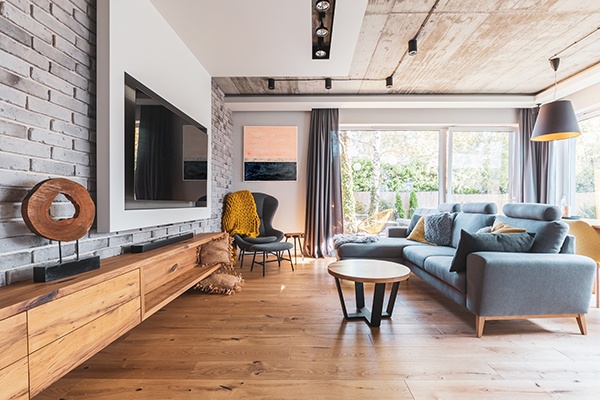
The home is more than just a structure; it is a sanctuary, a retreat from the chaos of the outside world. Yet, in today’s fast-paced, noisy environment, our homes often fail to provide the tranquility we crave. Designing spaces that foster peace and quiet can have profound effects on our mental and physical well-being. By carefully considering layout, materials, and design principles, we can transform our living spaces into serene havens that nurture relaxation and mindfulness.

Our surroundings shape our emotions, productivity, and overall health. A cluttered, noisy, and disorganized space can heighten stress levels, disrupt sleep, and contribute to feelings of unease. Conversely, a thoughtfully designed, quiet home provides a refuge where the mind can rest, recharge, and find clarity. By integrating intentional design elements, we can cultivate an atmosphere that supports emotional balance and well-being.

Why Quiet Spaces are Important Home Design

Noise pollution is often an overlooked aspect of home design. Whether it’s the hum of household appliances, outside traffic, or digital noise from screens, unwanted sound can disrupt concentration, increase anxiety, and even affect cardiovascular health. Quiet spaces, carefully integrated into home design, create pockets of peace that allow for uninterrupted relaxation, reading, meditation, or simple contemplation.

Research has shown that prolonged exposure to noise triggers the release of stress hormones like cortisol, which can negatively impact overall health. Silence, on the other hand, has been linked to cognitive restoration, improved mood, and enhanced focus. A home that minimizes noise pollution can serve as a powerful antidote to daily stressors, helping individuals achieve a greater sense of calm and well-being.

Designing a home that embodies the essence of a retreat involves more than just aesthetics; it requires intentionality in every aspect of space planning. Thoughtful selection of materials, strategic placement of furniture, and the incorporation of natural elements all play a role in crafting a tranquil environment. Soft lighting, neutral colors, and cozy textures can further enhance the sense of comfort and relaxation.

Understanding Noise Pollution in the Home

Many homes unknowingly harbor a range of disruptive noises. Household appliances, HVAC systems, thin walls, and even electronic devices contribute to an underlying hum of distraction. Open floor plans, while popular, can sometimes amplify sound rather than contain it. Recognizing these sources is the first step toward designing a quieter home.

Home Design

Persistent background noise, especially at night, can interfere with deep sleep cycles, leading to fatigue, irritability, and decreased cognitive function. Over time, excessive noise exposure has been linked to increased risks of anxiety and depression. Creating an environment that minimizes disturbances, particularly in the bedroom, is crucial for maintaining overall health.

Conducting a sound audit of your living space can help pinpoint the noisiest areas. Stand in different rooms at various times of the day and note where sound seems most intrusive. External noises, such as street traffic, should be addressed with insulation and window treatments, while internal noises can often be mitigated through thoughtful layout and material choices.

Design Principles for a Peaceful Home

  • Open vs. closed layouts – While open-concept living fosters connectivity, it can also lead to increased noise levels. Introducing partitions, sliding doors, or designated quiet zones can create balance, allowing for both communal and private spaces.
  • Minimalism – A minimalist approach to design naturally reduces noise by eliminating clutter and excess furniture that can contribute to sound reverberation. Simplicity in design fosters a sense of calm and makes spaces feel more open and breathable.
  • Colors and textures – Soft, muted tones and natural textures promote relaxation and sensory comfort. Earthy hues, such as warm whites, gentle greens, and soft blues, evoke a sense of serenity, while textured elements like wool, linen, and natural wood absorb sound and add warmth to a space.

Soundproofing Basics: Blocking Out the Chaos

Acoustic panels, dense insulation, and thick carpeting can significantly reduce noise transfer between rooms. Cork, rubber underlays, and heavy curtains can also serve as effective sound barriers.

High ceilings and empty spaces tend to amplify sound. Adding bookshelves, upholstered furniture, and wall tapestries can help absorb excess noise, preventing echo and creating a more soothing environment. Reducing echo and improve acoustics naturally can be done by:

  • Using rugs, curtains, and soft furnishings. Textiles play a crucial role in dampening sound. Layering rugs, using blackout curtains, and incorporating plush furniture can help muffle unwanted noise while enhancing the cozy feel of a space.
  • Choosing the right window and door features. Double-glazed windows, solid-core doors, and weatherstripping can make a significant difference in keeping external noise at bay. Investing in quality materials ensures long-term peace and comfort.

Creating Quiet Rooms

A dedicated space for reflection, reading, or meditation should be free from distractions. Positioning a comfortable chair near a window, adding dimmable lighting, and incorporating calming scents can enhance the experience.

If space allows, transforming an unused room into a designated quiet space can provide a true retreat within the home. Soundproofing, warm lighting, and minimal décor can contribute to a deeply restorative atmosphere.

The bedroom should be the quietest space in the home. Positioning the bed away from noisy areas, using blackout curtains, and incorporating soft bedding materials can promote a restful night’s sleep.

The Power of Nature in Creating a Calm Home

Plants not only purify the air but also help dampen noise. Large leafy plants like rubber trees, ferns, and peace lilies absorb sound waves, reducing background noise.

Fountains and indoor water features provide a natural white noise effect, masking disruptive sounds while adding an element of tranquility. Outdoor retreats, such as a Zen garden or a secluded patio, can offer additional areas of calm and relaxation, enhancing overall home serenity.

Smart Technology for a Quieter Home

While white noise machines can help drown out distractions, natural soundscapes such as gentle rain or ocean waves provide a more organic, immersive experience. Noise-canceling devices, automated window treatments, and soundproofing smart panels offer innovative solutions for maintaining a quiet home environment.

Conclusion

Creating a quiet home doesn’t require drastic renovations. Thoughtful adjustments, from rearranging furniture to incorporating calming elements, can yield significant benefits. By blending mindful design with intentional lifestyle habits, homeowners can cultivate a space that not only looks beautiful but also nurtures the soul.

In the realm of kitchen renovations, eco-friendly flooring options are gaining traction, appealing to homeowners who prioritize sustainability without sacrificing style. Modern advancements in flooring technology are broadening the horizons for those looking to make environmentally responsible choices. Here’s a look at some of the top eco-friendly kitchen flooring materials that offer both durability and design versatility.

Bamboo: Fast-Growing and Durable

Bamboo flooring is a favourite among eco-conscious homeowners due to its rapid regrowth rate and hardwood-like qualities.

Advantages of Bamboo Flooring

  • Sustainability: Bamboo can regenerate to its full mass in just six months, making it a highly renewable resource.
  • Strength and Durability: It is harder and more durable than many traditional hardwoods, making it suitable for the high traffic of kitchens.
  • Style Versatility: Bamboo flooring comes in various shades and can be stained to fit any kitchen style.

Cork: Soft and Sustainable

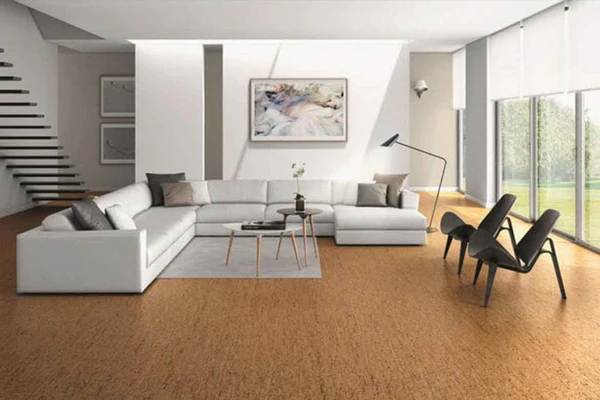
Cork is not only sustainable but also offers unique benefits that are particularly advantageous for kitchen settings.

Advantages of Cork Flooring

  • Eco-Friendly Material: Cork is harvested from the bark of the cork oak tree, which regrows, making it a sustainable choice.
  • Comfort and Safety: The softness of cork provides comfort underfoot and can relieve strain from standing. It’s also naturally fire retardant.
  • Noise Reduction: The porous nature of cork helps in reducing noise, a beneficial feature for busy household kitchens.

Eco-Friendly Floors

Recycled Glass Tiles: Vibrant and Versatile

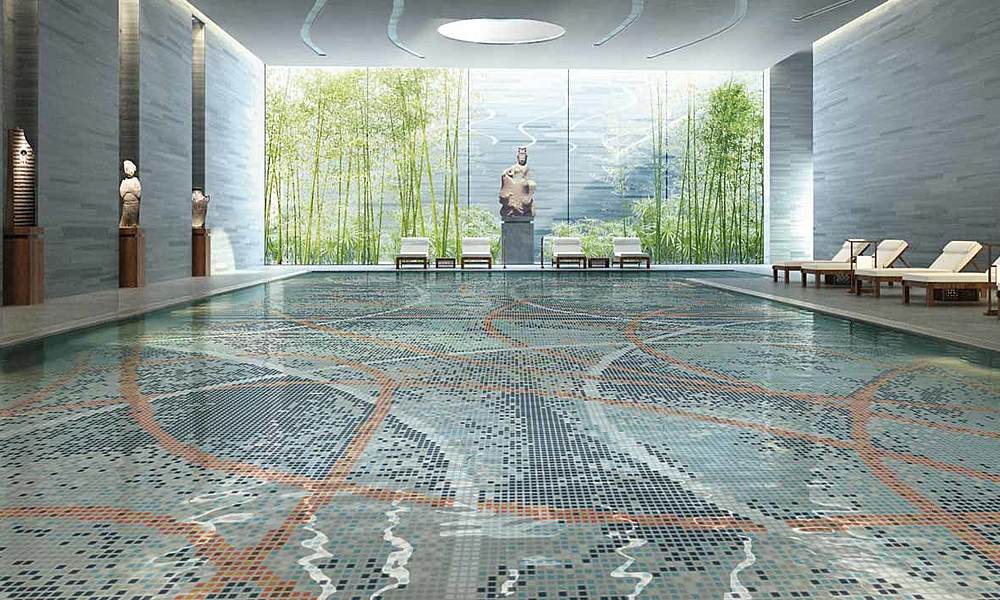
For those looking for a bit of sparkle and vibrancy, recycled glass tiles offer an eco-friendly way to add colour and reflect light in the kitchen.

Advantages of Recycled Glass Tiles

  • Reduced Waste: Made from recycled bottles and other glass products, these tiles keep glass out of landfills.
  • Wide Range of Colours: Glass tiles come in a plethora of colours and designs, perfect for creating a custom backsplash or flooring.
  • Easy to Maintain: Glass tiles are non-porous and resist stains and spills, making them ideal for the mess-prone kitchen environment.

Linoleum: Natural and Biodegradable

Linoleum is experiencing a resurgence, gaining popularity for its sustainable ingredients and retro appeal.

Advantages of Linoleum Flooring

  • Made from Natural Materials: Linoleum is made from linseed oil, wood flour, and jute, all of which are natural and biodegradable.
  • Durability: It is incredibly durable and can last up to 40 years if properly maintained.
  • Antibacterial Properties: Linoleum is naturally antibacterial, making it a great flooring option for kitchens.

Making the Eco-Friendly Choice

When selecting the best eco-friendly flooring for your kitchen, consider the sustainability of the material as well as its performance in a high-use area like the kitchen.

  • Consider Your Lifestyle: Think about your kitchen’s traffic and activities. Materials like bamboo and linoleum are durable and can handle more intense usage.
  • Aesthetic Fit: Choose a material that complements the design of your kitchen. Recycled glass tiles can add a modern touch, while bamboo provides a classic warmth.
  • Maintenance Needs: Go for flooring that matches your willingness to maintain it. Cork and linoleum require regular sealing to stay waterproof and durable.

Opting for eco-friendly kitchen flooring doesn’t mean compromising on style or functionality. Materials like bamboo, cork, recycled glass, and linoleum not only offer beautiful, unique flooring options but also promote a healthier environment through sustainable practices. Choosing one of these materials ensures your kitchen floor is not only visually appealing but also a testament to your commitment to environmental conservation.

Creating a beautiful and functional outdoor space can significantly enhance the appeal and value of your home. Landscape construction is a thoughtful process that involves transforming outdoor areas into aesthetically pleasing, functional, and sustainable environments. Here are some essential tips and considerations to help you master the art of landscape construction.

Understanding Your Landscape Vision

Before starting any landscape construction project, it’s crucial to have a clear vision of what you want to achieve. Consider the following:

  1. Purpose of the Space: Are you creating a garden, patio, walkway, or driveway?
  2. Style and Theme: Do you prefer a modern, rustic, or traditional look?
  3. Budget: Determine how much you are willing to invest in your project.
  4. Climate and Environment: Choose materials and plants that can withstand local weather conditions.

Having a clear vision will guide your choices and ensure a cohesive design.

Choosing the Right Materials

Selecting the right materials is essential for the success of your landscape construction project. Some popular options include:

  • Concrete: Durable and versatile, concrete can be molded into various shapes and sizes.
  • Brick: Classic and timeless, brick adds a rustic charm to any space.
  • Natural Stone: Options like granite, limestone, and slate provide a luxurious and natural look.
  • Porcelain: Known for its durability and low maintenance, porcelain is ideal for high-traffic areas.

For a comprehensive selection, consider exploring Urban Stone landscape construction, which offers a range of high-quality options to suit different design preferences.

Key Elements of Landscape Construction

Site Analysis

Before you start designing, assess your outdoor space thoroughly. Consider factors such as the size and shape of your yard, soil quality, drainage, and climate. Understanding these elements will help you make informed decisions about plant selection and layout.

Functionality

Think about how you want to use your outdoor space. Do you envision it as a place for relaxation, entertaining guests, gardening, or all of the above? Determining the primary functions will guide your design choices.

Aesthetic Appeal

The visual aspect of your landscape is crucial. Consider color schemes, textures, and the overall style you want to achieve. Do you prefer a formal, structured garden, or a more natural and organic look?

Hardscaping Elements

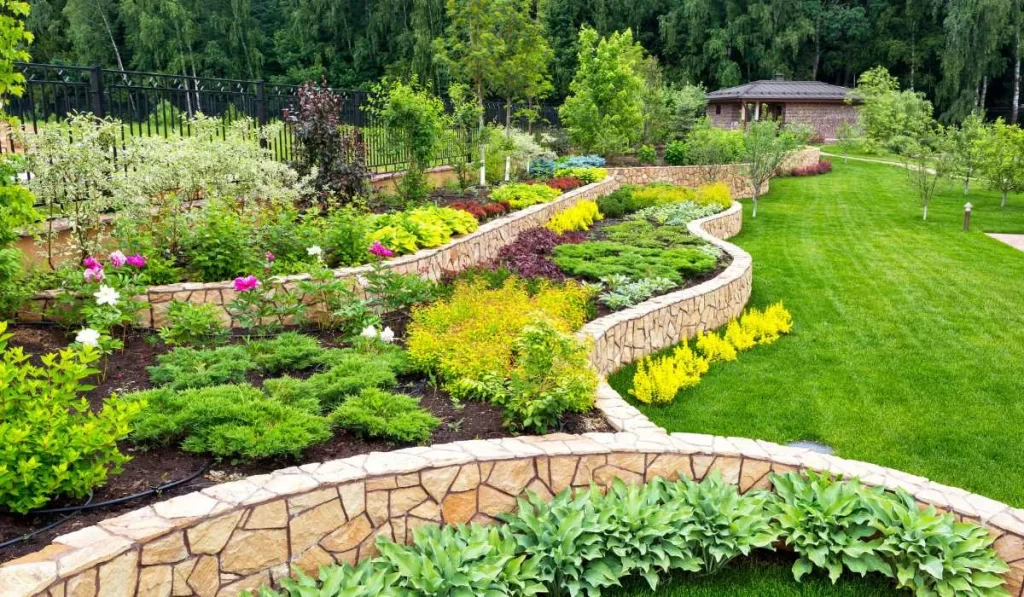
Incorporate hardscape features like pathways, patios, and retaining walls to add structure and functionality to your design. These elements can also serve as focal points in your landscape.

Sustainability

Implement eco-friendly practices in your design, such as water-efficient irrigation systems, native plants that require less maintenance, and materials that have a minimal environmental impact.

Maintenance

Consider the level of maintenance you’re willing to commit to. Your landscape design should be manageable and sustainable in the long run.

The Design and Construction Process

Initial Consultation

Start with an in-depth consultation to discuss your ideas, preferences, and vision for your outdoor space. This step is crucial for understanding your needs and setting the foundation for the project.

Conceptualization and Design

Once you have a clear understanding of your vision, create a custom landscape design tailored to your preferences and the unique characteristics of your property. Pay close attention to detail, incorporating elements such as plant selection, hardscaping features, and outdoor living areas.

Implementation

Once the design is finalized and approved, the construction phase begins. Use high-quality materials and skilled craftsmanship to ensure that every aspect of the design is executed with precision and attention to detail.

Final Walkthrough

After construction is complete, conduct a final walkthrough to ensure that every detail meets your satisfaction. Address any remaining concerns or questions and provide guidance on proper maintenance to ensure the longevity and beauty of your new landscape.

Conclusion

Mastering the art of landscape construction involves careful planning, attention to detail, and collaboration with experienced professionals. By understanding your vision, choosing the right materials, and incorporating key design elements, you can create a stunning and functional outdoor space. Explore the possibilities with Urban Stone landscape construction to find the perfect fit for your project. With careful planning and execution, your yard can become a beautiful oasis that you and your guests will enjoy for years to come.

In today’s fast-paced world, reliable water systems are essential for both residential and commercial needs. Whether it’s ensuring that your well pump system is functioning correctly or providing high-end amenities for events through luxury bathroom trailers, water solutions play a critical role in maintaining convenience and comfort. This article delves into the intricacies of well pump system repair and the burgeoning trend of luxury bathroom trailers, highlighting how both services contribute to comprehensive water solutions.

Understanding Well Pump Systems

The Importance of Well Pumps

Well pump systems are a lifeline for many homes and businesses, especially in rural areas where municipal water supplies are unavailable. These systems draw water from underground sources, making it accessible for everyday use. A well-functioning pump system is crucial for ensuring a steady water supply for drinking, cooking, cleaning, and irrigation.

Common Issues and Repairs

Well pump systems, like any other mechanical system, are prone to wear and tear. Common issues include:

  • Low Water Pressure: This can be caused by clogged pipes, a failing pressure tank, or problems with the pump itself.
  • No Water Flow: Often due to electrical issues, a dry well, or a broken pump.
  • Strange Noises: Unusual sounds can indicate motor or pump malfunctions.
  • Air Spitting from Faucets: This is usually a sign of a leak in the suction line or a lowering water table.

Addressing these issues promptly through professional well pump system repair services can prevent further damage and ensure a continuous water supply.

Maintenance Tips

Regular maintenance can extend the life of your well pump system and reduce the likelihood of major repairs. Some tips include:

  • Regular Inspections: Schedule annual inspections by a certified technician to catch potential problems early.
  • Water Quality Testing: Regular testing can identify contaminants that might damage the system.
  • Pressure Checks: Ensure that the pressure settings are optimal to prevent strain on the pump.

The Rise of Luxury Bathroom Trailers

What Are Luxury Bathroom Trailers?

Luxury bathroom trailers are high-end, portable restroom solutions designed to offer the comforts of a traditional bathroom in a mobile format. These trailers are equipped with modern amenities such as flushing toilets, running water, climate control, and upscale finishes, making them ideal for weddings, corporate events, festivals, and other large gatherings.

Features and Benefits

Luxury Bathroom Trailers provide several advantages over traditional portable toilets:

  • Enhanced Comfort: Features like air conditioning, heating, and hot water make these trailers comfortable in any weather.
  • Aesthetic Appeal: Stylish interiors with high-quality fixtures create a pleasant experience for users.
  • Accessibility: Many luxury trailers are designed with ADA-compliant features, ensuring accessibility for all guests.
  • Hygiene: With proper plumbing and sanitation systems, these trailers offer a cleaner and more hygienic option compared to standard portable toilets.

Applications

The versatility of luxury bathroom trailers makes them suitable for a variety of applications:

  • Weddings and Private Events: Offering guests a comfortable and elegant restroom option.
  • Corporate Functions: Enhancing the professionalism of events by providing high-quality facilities.
  • Outdoor Festivals: Ensuring that large crowds have access to clean and comfortable restrooms.
  • Construction Sites: Providing workers with a reliable and pleasant restroom option.

Integrating Well Pump Systems with Luxury Bathroom Trailers

Ensuring a Reliable Water Supply

One of the key challenges with luxury bathroom trailers is ensuring a reliable water supply, especially in remote or temporary locations. Well pump systems can be an effective solution for this problem. By integrating a well pump system, event organizers can provide a consistent and clean water source for their luxury trailers, enhancing the overall experience for users.

Maintenance and Troubleshooting

Just as with residential well pump systems, regular maintenance and prompt repairs are essential for keeping the water supply to luxury bathroom trailers uninterrupted. Technicians skilled in well pump system repair can ensure that the water supply remains steady and that any issues are addressed swiftly.

Sustainable Water Solutions

Combining well pump systems with luxury bathroom trailers also promotes sustainable water usage. By utilizing groundwater sources efficiently and ensuring that plumbing systems are well-maintained, event organizers can minimize water waste and reduce their environmental impact.

Conclusion

Comprehensive water solutions encompass a wide range of services, from ensuring the reliability of well pump systems to providing high-end amenities through luxury bathroom trailers. Both aspects are essential for maintaining comfort, convenience, and hygiene in various settings. By understanding the importance of well pump system repair and the benefits of luxury bathroom trailers, individuals and businesses can make informed decisions that enhance their water usage and overall experience. Whether it’s for a home, a construction site, or a glamorous event, reliable water solutions are the backbone of modern living.

The maintenance tips asphalt and bitumen is Asphalt is a mixture of aggregates (stone, sand, and gravel) and bitumen, a sticky, black, and highly viscous liquid or semi-solid form of petroleum. Bitumen acts as a binder, holding the aggregates together and providing a water-resistant layer.

Regular inspection

The most crucial aspect of maintaining asphalt and bitumen surfaces is regular inspection. Walk around your property and examine the surface for any signs of damage, such as cracks, potholes, or uneven areas. Identifying issues early on prevents them from escalating into more significant problems that require costly repairs.

Crack sealing

Cracks are a common issue with asphalt and bitumen surfaces. They occur due to various factors, including temperature fluctuations, heavy traffic, and tree root growth. If left unaddressed, cracks widen and deepen, allowing water to seep into the base material and cause further damage. To prevent this, it’s essential to seal cracks promptly. Crack sealing involves cleaning the crack, removing debris or vegetation, and filling it with a specialized sealant. This sealant is designed to adhere to the edges of the crack, preventing water infiltration and minimizing the risk of further deterioration.

Pothole repair

Potholes are another common issue that develops on asphalt and bitumen surfaces. They occur when water seeps into cracks and erodes the base material, leading to a depression in the surface. Potholes pose a safety hazard for vehicles and pedestrians and should be repaired immediately. Remove any loose material and debris from the area to repair a pothole. Then, fill the pothole with a suitable patching material, such as cold or hot mix asphalt, depending on the size and depth of the hole. Compact the material to ensure a smooth and level surface.

Sealcoating

Sealcoating is a preventive maintenance technique that involves applying a protective layer over the asphalt or Bitumen driveways surface. This layer acts as a barrier against the elements, preventing water, UV rays, and chemicals from penetrating the surface and causing damage. Sealcoating also enhances the appearance of the surface, giving it a fresh, black finish sealcoating asphalt and bitumen surfaces every 2-3 years is recommended, depending on the level of traffic and exposure to the elements.

Proper drainage

Ensuring proper drainage is crucial for maintaining the integrity of asphalt and bitumen surfaces. Standing water seeps into cracks and erodes the base material, leading to potholes and other damage. To prevent this, ensure that your surface has adequate slope and drainage channels to direct water away from the area.

Regularly clean and maintain drainage systems, such as gutters and catch basins, to prevent clogs and ensure efficient water flow. If you notice any areas of standing water, address the issue promptly by improving drainage or filling in low spots.

Pressure washing

Asphalt and bitumen surfaces accumulate dirt, grime, and stains, detracting from their appearance and potentially causing damage. Pressure washing is an effective way to remove these contaminants and restore the surface’s appearance. When pressure washing, use a suitable nozzle and maintain a safe distance from the surface to avoid damaging the material. Be cautious when using cleaning agents, as some chemicals harm asphalt and bitumen. Opt for mild, eco-friendly cleaners and rinse the surface thoroughly after washing.

Asphalt and bitumen surfaces are designed to withstand regular traffic, but exposure to heavy loads causes damage. Large vehicles, such as trucks and construction equipment, exert excessive pressure on the surface, leading to cracks, rutting, and other issues.

In-home interiors, the staircase is more than just a functional feature; it’s a central piece of architectural art. Among the myriad of materials available, the pine staircase stands out for its natural beauty and warmth. In this age of digital sophistication, the allure of pine brings a refreshing touch of nature and simplicity to our homes.

·      The Timeless Appeal Of Pine

Pine is a wood favoured for centuries for its warm tones and inviting texture. Its light colour palette ranges from creamy white to a gentle yellow, brightening any space and complementing various interior styles. Whether in a rustic country house or a modern urban loft, a pine staircase adds a touch of timeless elegance.

·      Durability Meets Affordability

One of the main draws of pine is its balance between durability and affordability. Pine is a softwood, but don’t let that fool you. It is sufficiently durable for the everyday wear and tear of home life, making it an excellent choice for staircases. Moreover, its affordability makes it an accessible option for many homeowners without compromising quality or aesthetics.

·      Eco-Friendly And Sustainable

In today’s environmentally-conscious world, pine is a sustainable choice. It is a fast-growing wood, making it a more renewable resource than hardwoods. Choosing a pine staircase means making a responsible decision for the planet without sacrificing style or quality.

·      Versatility In Design

Pine’s versatility is unmatched. It can be left natural for a rustic look, stained to enhance its grain, or painted to fit any colour scheme. This adaptability seamlessly integrates pine staircases with any design, from traditional to contemporary.

·      The Warmth Factor

The natural warmth of pine creates a welcoming atmosphere in any home. Its soft tones and natural grain bring a cosy, homely, comforting, inviting feeling. This warmth is not just visual; pine also has excellent insulating properties, contributing to a warmer home environment.

·      Easy To Work With

For those who love DIY projects, pine is a dream material. Its soft nature makes it easy to cut, shape, and finish, allowing for custom designs and personal touches. Whether you’re a professional carpenter or a weekend warrior, working with pine is a satisfying experience.

·      Maintenance And Longevity

Maintaining a pine staircase is straightforward. Regular cleaning and occasional treatment will keep it looking beautiful for years. With proper care, a pine staircase can withstand the test of time, becoming a cherished feature of your home.

Conclusion

A pine staircase is more than just a set of steps. It’s a statement of natural beauty, warmth, and sustainable living. In our fast-paced, digital world, it brings a touch of the natural world into our homes, creating a beautiful and comforting space. Whether building a new home or renovating an old one, consider the charm and versatility of pine for your staircase. It’s a choice that combines aesthetics, functionality, and environmental responsibility in one elegant package.

Persian rugs, renowned for their exquisite beauty and unparalleled craftsmanship, have captivated people around the world for centuries. These masterpieces of woven art not only adorn floors but also hold a deep cultural significance. In this article, we will explore fascinating facts and figures about Persian rugs, shedding light on their history, characteristics, and the enduring legacy they have left on the world of design.

●    Historical Significance

Persian rugs trace their origins back to ancient times, with evidence of rug weaving dating as far back as 500 BCE. The art of rug-making flourished during the Safavid dynasty in Persia (now Iran) in the 16th century, reaching its zenith in terms of design, craftsmanship, and innovation. These rugs were not only woven for utilitarian purposes but also served as a form of artistic expression and a symbol of status and wealth.

●    Traditional Weaving Techniques

Persian rugs are predominantly hand-woven, a laborious process that requires immense skill and patience. Artisans use a variety of techniques, including the knotting method, to create intricate patterns and designs. The most common knot used in Persian rug weaving is the asymmetrical or Persian knot, known for its durability and ability to produce highly detailed motifs. Each rug is a testament to the weaver’s expertise, often taking several months or even years to complete.

●    Diverse Regional Styles

Persian rugs exhibit a rich diversity of regional styles, each reflecting the cultural heritage and artistic traditions of their respective areas. Some of the well-known styles include the luxurious and intricately patterned Kashan rugs, the bold and geometric designs of Heriz rugs, and the floral motifs found in Tabriz rugs. Each style carries its distinct characteristics, colors, and motifs, making Persian rugs a captivating tapestry of cultural narratives.

●    Natural Materials and Dyes

One of the distinguishing features of Persian rugs is the use of natural materials and dyes. Traditional Persian rugs are typically crafted from high-quality wool, which offers durability and a luxurious feel underfoot. Silk is also used, often in combination with wool, to add a lustrous sheen and enhance intricate detailing. The natural dyes derived from plants, insects, and minerals create a vibrant and enduring color palette that ages beautifully, acquiring a rich patina over time.

●    Investment Value

Persian rugs are not just exquisite works of art but also valuable investments. Renowned for their longevity, these rugs often appreciate in value over time, making them sought-after collectibles. Factors such as age, condition, design, and rarity play a significant role in determining their worth. Some exceptional antique Persian rugs have fetched staggering prices at auctions, reflecting their enduring appeal and status as prized possessions.

Persian rugs continue to captivate admirers worldwide, with their timeless beauty, intricate craftsmanship, and rich cultural heritage. From their ancient origins to their enduring value as art and investments, these rugs stand as enduring testaments to the skill and creativity of Persian artisans. Owning a Persian rug is not merely possessing a floor covering but owning a piece of history and artistry.

Sisal carpets have become increasingly popular in recent years due to their natural beauty, durability, and sustainability. Made from the fibers of the agave plant, sisal carpets are not only stylish but also environmentally friendly. But what makes sisal carpets the best choice for your home? Let’s explore some of the reasons.

Firstly, sisal carpets are extremely durable and long-lasting. Unlike synthetic carpets, which can wear and tear easily, sisal carpets are made from natural fibers that are resilient and strong. They can withstand heavy foot traffic, making them an ideal choice for high-traffic areas such as hallways and living rooms. Sisal carpets are also resistant to stains and spills, making them easy to clean and maintain.

In addition to their durability, sisal carpets are also stylish and versatile. The natural tones and textures of sisal fibers add a touch of elegance to any room. They can complement any decor style, from traditional to modern, and can be easily paired with other natural materials such as wood, stone, and leather. Sisal carpets also come in a range of weaves and patterns, allowing you to choose the perfect design for your space.

Another major advantage of sisal carpets is their sustainability. Sisal plants are grown without the use of pesticides or synthetic fertilizers, making them an eco-friendly choice. The fibers are also biodegradable, meaning they can be composted at the end of their life cycle. Sisal carpets are also produced using minimal energy and water, reducing their carbon footprint.

Overall, sisal carpets are a smart investment for any homeowner who values durability, style, and sustainability. With their natural beauty and resilience, they can transform your home into a cozy and elegant space.

How Sisal Carpets Can Transform Your Space: A Complete Guide?

Sisal carpets are a popular choice for homeowners looking to add natural beauty and durability to their space. But how can sisal carpets transform your home? Let’s take a closer look.

One of the main benefits of sisal carpets is their ability to add texture and warmth to any room. Sisal fibers have a natural, earthy texture that can create a cozy and inviting atmosphere. They also come in a range of natural hues, from beige to deep brown, that can complement any decor style.

Another way sisal carpets can transform your space is by creating a seamless transition between indoor and outdoor areas. Sisal carpets are commonly used in outdoor spaces such as patios and decks, as they are naturally resistant to moisture and mildew. By using sisal carpets inside and outside, you can create a cohesive design that blurs the line between indoor and outdoor living.

Are Sisal Carpets visual friendly?

Sisal carpets can also add visual interest to your space by creating unique patterns and designs. The fibers can be woven in a range of patterns, from herringbone to diamond, to create a distinctive look that can elevate any room. Sisal carpets can also be layered with other natural materials such as jute or wool to create a custom, textured look.

In addition to their aesthetic benefits, sisal carpets are also extremely durable and long-lasting. They can withstand heavy foot traffic and are resistant to stains and spills, making them an ideal choice for high-traffic areas such as hallways and living rooms. Sisal carpets are also easy to clean and maintain, making them a practical choice for busy households.