
Author

Michael Massey

Browsing

The cost of maintaining a pool varies based on many factors, including its size, location, type, type of equipment used to construct it, and region of residence. When budgeting for maintaining and upgrading a pool it’s essential to take both routine maintenance and any unexpected repair/upgrade expenses into consideration – here are some typical expenses associated with pool ownership:

Chemicals

One of the ongoing expenses in pool maintenance is purchasing pool chemicals such as chlorine, pH balancers, algaecides, and shock treatments to keep the water clean and safe for swimming. On average, expect to spend between $50-100 monthly depending on the size and needs of your pool.

Water and Energy

Filling your pool can add to your water bill, particularly during initial setup or draining. In addition, running its pump and filter system requires electricity which increases monthly energy costs depending on factors like pool size, local water and electricity rates, and duration of pump usage (typically $30 to $100 monthly) among others.

Cleaning and Maintenance

Regular pool maintenance tasks, such as skimming the surface, vacuuming debris from underneath the pool floor, and brushing walls to clear any lingering grit, as well as emptying the skimmer and pump baskets are essential to keeping your pool in top shape. You can perform these yourself or hire professional pool service providers; the latter option could cost anywhere from $75-200 monthly depending on the frequency of visits and type of services provided.

Repairs and Upgrades

Your pool will require occasional repairs or upgrades, such as fixing leaks, replacing equipment, or resurfacing the interior surface. Costs associated with these tasks can vary significantly based on both their scope and quality of materials used; to prepare yourself financially for repairs ranging anywhere from several hundred to several thousand dollars it’s wise to create an appropriate budget for any potential issues that may arise.

Insurance and Permit Costs

When considering owning a pool, it’s essential to factor in both insurance and permit costs. Your homeowner’s policy may require additional coverage for it, which could increase premiums. Furthermore, certain areas require permits before installing or maintaining one and may charge fees accordingly.

Florida Pool Patio is a second-generation company that comprises of engineering professionals with a top-notch team. Our team has built a reputation for providing a positive experience and satisfied clientele with the latest technology. Our luxury pool builders in Dade County FL will not settle merely building pools and patios; we want to positively impact the environment and benefit our clients from our knowledge. From construction to maintenance to outstanding customer service, we will never settle for less than the best.

Experiencing a severe storm can be a stressful event, especially when it comes to assessing potential damage to your home. The roof, being the most exposed part of your house, is particularly vulnerable to storm-related issues. To help you effectively evaluate the condition of your roof after a storm, here is a comprehensive checklist:

Safety First

Before conducting any inspection, prioritize your safety. Ensure the storm has completely passed, and it is safe to venture outside. Watch out for any downed power lines or loose debris that could pose a hazard.

Exterior Inspection

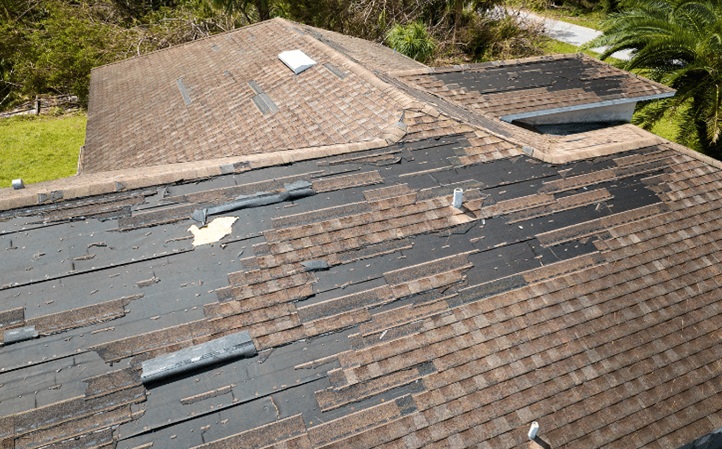
Start by visually inspecting your roof from the ground. Look for any obvious signs of damage, such as missing or shifted shingles, dented gutters, or fallen tree limbs. Note any potential areas of concern for a closer inspection.

Interior Inspection

Check the ceilings and walls inside your home for any signs of water leaks or water stains. Inspect attic spaces for visible signs of water intrusion, such as dampness, mold, or mildew. These could indicate roof damage that needs immediate attention.

Shingle Damage

Carefully climb a ladder to get a closer look at your roof. Examine each shingle for signs of cracks, tears, curling, or missing pieces. Pay attention to any areas where shingle granules have accumulated, as excessive granule loss can indicate roof aging or damage.

Flashing and Sealant

Inspect the flashing around chimneys, vents, skylights, and any other roof penetrations. Ensure that the flashing is securely in place and shows no signs of damage. Check for deteriorated sealant or caulking that may need to be repaired or replaced.

Gutters and Downspouts

Examine the gutters and downspouts for any debris buildup, blockages, or damage caused by falling branches or strong winds. Proper drainage is essential to prevent water from backing up and causing further roof damage.

Document and Report

Take clear photographs of any visible damage you find during your inspection. These images will serve as evidence for insurance claims and help roofing professionals better understand the extent of the damage.

Consult a Professional

If you notice significant damage or are unsure about the condition of your roof, it is recommended to seek the expertise of a professional roofing contractor. They can provide a thorough assessment and guide you through the repair or replacement process.

Remember, addressing roof damage promptly is crucial to prevent further issues like water leaks, structural damage, and increased repair costs. By following this roof storm damage checklist, you can ensure a comprehensive evaluation and take appropriate steps to restore the integrity of your roof.

This post was written by a roofing specialist at All Star Roofing. We offer the best Tampa roof repair in the Bay. We are a family-owned and operated roofing business, striving to be the best in our industry. Our family has been in the Tampa Bay area for over 60 years, and our objective has always been to provide roofing services at a fast, reliable, and competitive rate. All Star has a tradition of quality workmanship, servicing residential and commercial properties.

Do you want to get the best rugs for your place? Get shaggy rugs because Shaggy rugs have become increasingly popular over the years due to their unique texture and style. These rugs can add a cozy and warm feeling to any room in your home. However, with so many options available in the market, it can be challenging to know which one to choose. Here are twelve tips to help you make sure you’re buying the best shaggy rug for your space.

  1. Consider the size of the rug: The size of the rug should be in proportion to the size of your room. A small rug can make a room look cramped, while a large rug can overwhelm it.
  2. Check the material: The material of the rug is important because it affects its durability and texture. Shaggy rugs can be made from various materials such as wool, synthetic fibers, or blends.
  3. Look at the density: A dense shaggy rug will have more fibers per square inch, which can make it more comfortable and durable.
  4. Consider the pile height: The pile height refers to the length of the fibers on the rug. A higher pile height can make a rug look more luxurious, but it can be harder to clean.
  5. Choose the right color: The color of the rug should complement the colors in your room. Consider the overall color scheme of your space before making a choice.
  6. Look for non-slip backing: A non-slip backing can prevent the rug from sliding around on smooth surfaces.
  7. Check the maintenance requirements: Some shaggy rugs require special cleaning techniques, while others can be easily vacuumed.
  8. Consider the shape of the rug: Shaggy rugs come in various shapes such as rectangular, square, or round. Consider which shape will work best in your space.

How Shaggy Rugs Have Evolved over Time?

Shaggy rugs have been around for centuries, and they have evolved significantly over time. In the early days, shaggy rugs were made by hand, using traditional weaving techniques, and were typically made from wool or other natural fibers. These rugs were thick and plush, with long, loose strands of yarn that created a fluffy, shaggy texture.

In the mid-20th century, shaggy rugs became extremely popular, and they began to be produced in mass quantities using new manufacturing techniques. These new methods allowed for the creation of shaggy rugs made from synthetic materials, which were less expensive and easier to care for than their natural fiber counterparts.

In the 1970s, shaggy rugs became even more popular as part of the shag carpet trend. These rugs featured longer, thicker piles than traditional shaggy rugs, and they were often made from brightly colored synthetic fibers.

In recent years, shaggy rugs have continued to evolve, with designers experimenting with new textures, materials, and colors. Today, shaggy rugs can be found in a wide variety of styles, from traditional to modern, and they are made from a range of materials, including wool, silk, cotton, and synthetic fibers.

One of the latest trends in shaggy rugs is the use of eco-friendly materials, such as bamboo or recycled plastic, to create rugs that are both stylish and sustainable. Additionally, new manufacturing techniques allow for the creation of shaggy rugs with a range of textures, from ultra-soft and fluffy to dense and tightly woven. Overall, shaggy rugs have come a long way since their early days, and they continue to evolve and adapt to the changing needs and preferences of consumers.

A shaggy rug is a type of rug that is known for its long, plush pile. Here are some features of a shaggy rug:

Pile height and Material:

The pile height of a shaggy rug is usually longer than that of other types of rugs, often ranging from 1-3 inches in length. This creates a soft, fluffy texture that feels luxurious underfoot. Shaggy rugs can be made from a variety of materials, including wool, polyester, cotton, and synthetic fibers. Wool shag rugs are known for their durability and natural resistance to stains, while synthetic shag rugs are often more affordable and easier to clean.

Color and design:

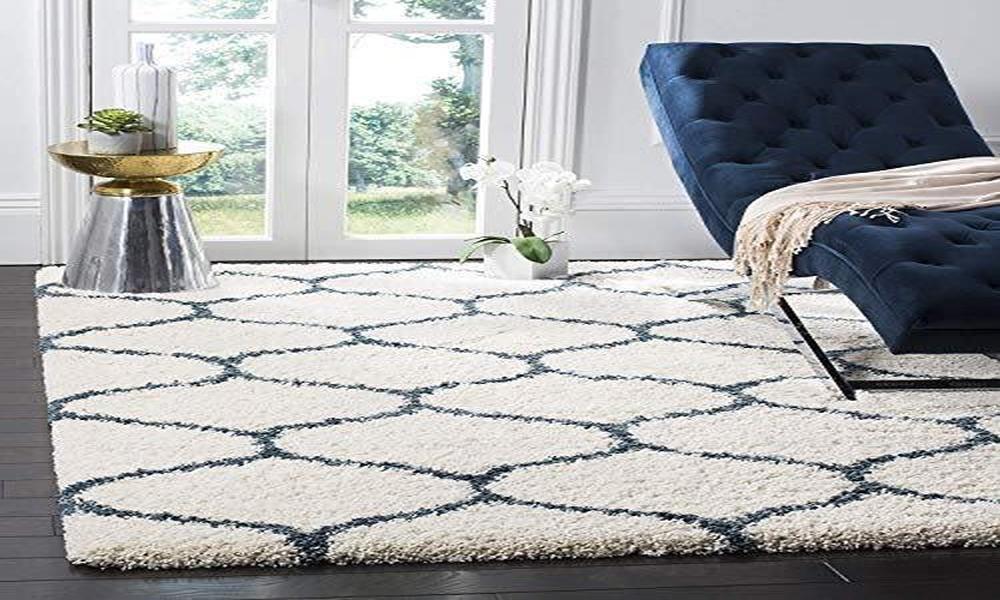
Shaggy rugs are available in a wide range of colors and designs, from solid neutrals to bold patterns. Some shaggy rugs feature a mix of colors or have a gradient effect, which adds visual interest and texture.

Comfort and Maintenance: 

Shaggy rugs are known for their comfort and softness underfoot. They can add warmth and coziness to a room, making them a popular choice for bedrooms, living rooms, and other areas where comfort is important. Shaggy rugs require regular vacuuming to keep the pile looking fresh and fluffy. They can be more difficult to clean than other types of rugs, especially if they are made from wool or have a high pile height. Overall, shaggy rugs are a stylish and comfortable addition to any home, but it’s important to consider the maintenance requirements before making a purchase.

Things You Should Know About Shag Rugs

Sure, here are some things you should know about shag rugs:

Shag rugs have a deep pile height: Shag rugs are known for their deep pile height, which can range from 1 inch to over 3 inches. The longer pile height adds extra comfort and softness underfoot, making them a popular choice for living rooms and bedrooms.

They come in a variety of materials: Shag rugs can be made from a variety of materials, including wool, synthetic fibers, and even leather. Wool shag rugs are known for their durability and natural resistance to stains, while synthetic shag rugs are often more affordable and easier to clean.

They require regular maintenance: Shag rugs require regular vacuuming to keep the pile looking fresh and fluffy. They can be more difficult to clean than other types of rugs, especially if they are made from wool or have a high pile height.

They add warmth and texture to a room: Shag rugs can add warmth and texture to a room, making them a great choice for creating a cozy and inviting atmosphere. They are available in a range of colors and designs, from solid neutrals to bold patterns.

They can be difficult to move: Due to their size and weight, shag rugs can be difficult to move or clean. It’s important to consider the placement of the rug before making a purchase, as it may be difficult to move it to another location once it’s in place. Some shag rugs may shed initially due to loose fibers, but this should decrease over time with regular vacuuming.

Overall, shag rugs are a popular choice for adding comfort, warmth, and texture to a room. However, it’s important to consider the maintenance requirements and placement of the rug before making a purchase.

When managing household wastewater in areas without access to centralized sewer systems, septic tanks provide an efficient and reliable solution. Proper installation is crucial to ensure the long-term functionality and effectiveness of your septic system. Before installing a septic tank, conduct a percolation test and site evaluation. A percolation test helps determine the soil’s absorption rate and its ability to treat and filter wastewater efficiently. During testing, holes are dug, filled with water, and the percolating time is measured. This information helps determine the appropriate size and design of the septic system. Additionally, a site evaluation considers factors such as soil type, topography, proximity to water sources, and local regulations to ensure compliance and minimize potential environmental impact.

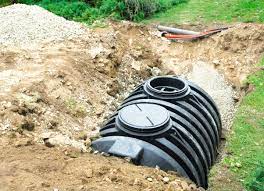
Selecting the right tank size is crucial for the proper functioning of your septic system. The tank size should be based on the number of bedrooms in your home, daily water usage, and the percolation rate of the soil. A larger tank allows for more wastewater storage and longer intervals between pump-outs. However, strike a balance to avoid excessive tank sizes that lead to inadequate wastewater treatment or unnecessary costs. The material used for your septic tank is crucial in its durability and longevity. Common materials for septic tanks include concrete, fiberglass, and plastic. Concrete tanks are durable and withstand high groundwater levels but may be susceptible to cracking over time. Fiberglass tanks are lightweight, resistant to corrosion, and offer a longer lifespan. 

Consider factors such as durability, maintenance requirements, and local regulations when selecting the appropriate tank material for your installation. The distribution box and drain field are critical components of the septic system, responsible for evenly distributing the treated wastewater into the soil for further filtration and absorption. Proper design and installation of the distribution box and drain field are essential for optimal performance. The distribution box ensures equal flow to each drain field line, preventing overloading and ensuring even distribution. Regulations may include setback distances from property lines, wells, water bodies, or other sensitive areas. Septic system needs to comply with these regulations to protect the environment and function properly. 

Septic tank installation is a complex process that requires professional expertise. Hire a reputable septic system installer with experience in design, installation, and maintenance. Professional installers have the necessary skills and equipment to construct the tank, distribution box, and drain field. They provide valuable guidance on maintenance practices to keep your septic system functioning efficiently for years to come. Once your septic tank installation is complete, regular inspections and maintenance are crucial to its long-term success. Schedule periodic inspections by a professional septic service provider to assess the system’s health, check for any signs of issues, and perform necessary maintenance tasks such as pump-outs and filter cleanings. Following a regular maintenance schedule helps prevent septic tank problems, prolongs the life of your septic system, and ensures its continued functionality.


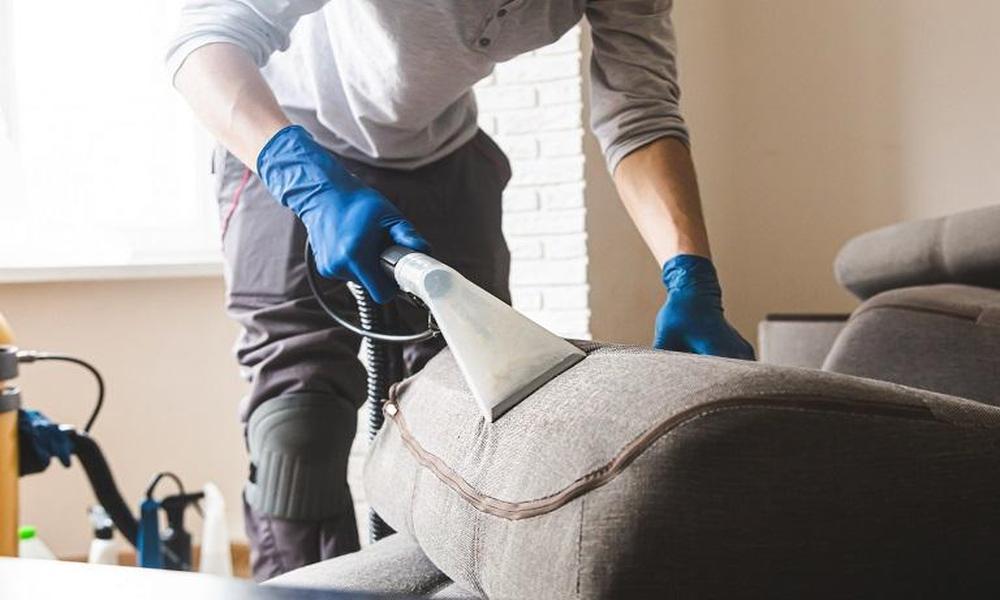
A broken leg on a sofa repair can be a frustrating issue, especially if the sofa is otherwise in good condition. Fortunately, repairing a broken sofa leg is often a simple and cost-effective solution that can extend the life of your furniture. In this article, we will discuss the steps involved in repairing a broken sofa leg and explore some of the factors you should consider before attempting the repair.

Assess the Damage

The first step in repairing a broken sofa repair leg is to assess the damage. Depending on the severity of the break, you may be able to repair the leg yourself or you may need to seek professional help. If the leg is simply loose or wobbly, you may be able to fix it by tightening the bolts or screws that hold it in place. However, if the leg is completely broken or cracked, you will need to replace it.

Purchase a Replacement Leg

Once you have assessed the damage and determined that you need to replace the leg, you will need to purchase a replacement. It is important to choose a leg that matches the style and size of your existing legs to ensure that your sofa remains balanced and level. You can find replacement legs at most furniture stores, as well as online retailers.

Remove the Broken Leg

Before you can install the replacement leg, you will need to remove the broken leg. This may involve unscrewing or unbolting the leg from the sofa frame. Be sure to keep any hardware or screws in a safe place so that you can use them to attach the new leg.

Install the Replacement Leg

Once you have removed the broken leg, you can install the replacement leg. This may involve screwing or bolting the leg into place, depending on the design of your sofa. Be sure to use the hardware that came with the replacement leg, or use hardware that is compatible with the size and style of your sofa.

Consider Reinforcing the Leg

Depending on the design of your sofa and the severity of the break, you may want to consider reinforcing the new leg to prevent future breaks. One way to do this is to add a metal bracket or corner brace to the joint where the leg attaches to the sofa frame. This will help distribute weight and stress more evenly across the joint, reducing the risk of another break.

Conclusion

Repairing a broken sofa leg is a simple and cost-effective solution that can extend the life of your furniture. By assessing the damage, purchasing a replacement leg, removing the broken leg, installing the replacement leg, and considering reinforcing the leg, you can restore your sofa to its former glory and enjoy many more years of comfortable seating. However, if you do not feel comfortable attempting the repair yourself, or if the damage is too severe, it is always best to seek professional help to ensure that the repair is done safely and correctly.

One of the primary benefits of office carpets is their ability to enhance the overall appearance of the workplace. A well-designed carpet can add to the decor and make the workspace more inviting, which can have a positive effect on employees’ productivity and morale.

Office carpets also provide safety benefits. They can help prevent slip and fall accidents, which are common in workplaces with hard floors. Carpets with non-slip backing and padding can reduce the risk of injuries caused by falls, making them an excellent investment for any office.

Another significant benefit of office carpets is their ability to improve indoor air quality. Carpets trap allergens and other particles, preventing them from circulating in the air. Regular cleaning of carpets can also help remove dust, dirt, and other debris that may be harmful to employees with allergies or respiratory problems.

What Types of Office Carpets are Available?

Office carpets come in different types, each with its unique features and benefits. Some of the most common types of office carpets include:

  1. Loop Pile Carpets: These carpets have a dense, looped pile that is durable and suitable for high-traffic areas. They come in a variety of colors and patterns, making them an excellent choice for any office decor.
  2. Cut Pile Carpets: Cut pile carpets have a pile that is cut to a uniform height, creating a soft, plush feel. They are available in different textures and patterns and are ideal for areas where comfort is a priority.
  3. Berber Carpets: Berber carpets have a looped pile that is both durable and stain-resistant. They come in a range of colors and patterns and are suitable for high-traffic areas.
  4. Carpet Tiles: Carpet tiles are modular, allowing them to be installed in various patterns and configurations. They are easy to replace and maintain and are an excellent choice for offices that require frequent renovation.

What Factors Should You Consider When Choosing an Office Carpet?

Choosing the right office carpet requires careful consideration of various factors. Here are some of the key factors to consider:

  1. Durability: The carpet’s durability is a crucial factor to consider, especially in high-traffic areas. Durable carpets can withstand heavy foot traffic and last longer, reducing the need for frequent replacement.
  2. Comfort: The comfort of the carpet is also essential, particularly in areas where employees spend a lot of time standing or walking. Soft, plush carpets can provide cushioning, reducing the strain on employees’ feet and legs.
  3. Maintenance: The ease of maintenance is another factor to consider when choosing an office carpet. Carpets that are easy to clean and maintain can save time and money in the long run.

Office carpets are an essential investment for any workplace. They provide comfort, safety, and aesthetic appeal, enhancing the overall work environment. When choosing an office carpet, it’s important to consider factors such as durability, comfort, and maintenance. With the right carpet, you can create a welcoming and productive workspace that promotes employee well-being and satisfaction.

Pattern blinds are a popular window treatment option that combines style and functionality. They are designed to provide privacy, and light control, and add a touch of elegance to your home decor. Pattern blinds come in a wide range of designs and colors, making them a versatile and attractive option for any room in your home.

Pattern blinds come in a wide range of designs and colors to suit any style of decor. Whether you prefer a bold, eye-catching pattern or a subtle, understated design, there is a pattern blind to meet your needs. Some popular patterns include stripes, florals, geometrics, and abstract designs. Pattern blinds are a great investment in your home with their versatile designs and colors, light control and privacy features, and easy maintenance. You can also choose from various colors, including neutrals, pastels, bold hues, and metallic shades. With so many options available, it’s easy to find a pattern blind that complements your home decor.

Valuable Benefits of pattern blinds

Pattern blinds offer excellent light control and privacy. They are designed to block out the sun’s rays and provide privacy when you need them. Depending on the design and fabric of the blind, you can adjust the amount of light that enters the room. For example, some pattern blinds have a blackout lining, which blocks out all light, making them ideal for bedrooms or home theaters. Other pattern blinds have a sheer fabric, which allows some light to filter through, providing a soft, diffused glow in the room.

Pattern blinds are easy to clean and maintain. Most blinds can be wiped down with a damp cloth to remove any dust or dirt that may accumulate. You can spot clean with a mild detergent and water for more stubborn stains. It’s important to follow the manufacturer’s instructions for cleaning and maintenance to ensure that your pattern blinds last for many years.

Tips for Choosing Pattern Blinds

When choosing pattern blinds for your home, consider the following tips:

  1. Think about the purpose of the room. If you need maximum privacy and light control, choose a pattern blind with a blackout lining. If you want to let in some natural light, choose a sheer or semi-sheer fabric.
  2. Consider the color scheme of the room. Choose a pattern blind that complements the existing color scheme of the room. If you have neutral walls, you can choose a bold pattern blind to add a pop of color and interest.
  3. Choose the right size. Measure the window carefully before ordering pattern blinds to ensure a proper fit. If you’re unsure about the size, consult with a professional installer.

Pattern blinds are a stylish and functional option for any home decor. Pattern blinds are a great investment in your home with their versatile designs and colors, light control and privacy features, and easy maintenance. By following the tips above, you can choose the perfect pattern blinds to add style and functionality to your living space.

There are a lot of different types of granite flooring  available on the market, each with its unique features and benefits. It can be difficult to decide which one is right for your flooring needs, but by following these tips you should be able to make a smart decision.

First, it’s important to consider the type of flooring you’re installing. If it’s a concrete or tile floor, then you’ll need something that’s compatible with those materials. Granite is an excellent choice for both types of floors because it has a high resistance to moisture and wear and tear. It also looks great and feels smooth underfoot, making it an ideal choice for any kind of indoor or outdoor space.

If you’re installing wood floors, then you’ll want to avoid granites that are too hard or too soft. A good choice would b in the middle ground – something that’s both hard and easy to work with. And finally, if you have carpeted floors, make sure not to choose granite that contains silica – this can cause problems with your carpet over time.

A Look at Different Sealing Methods for Granite Flooring

There are several different sealing methods that can be used to protect granite floors from water damage. The most common and effective method is sealer spraying. This involves coating the floor with a sealant solution and then spraying it onto the surface. The sealant will bond to the granite and form a layer of protection against moisture and other contaminants.

Another popular sealing method is liquid sealing. This involves pouring a sealant solution onto the surface of the floor, and then waiting for it to dry. Once it’s dry, you can apply an abrasive pad to it to remove any excess sealant. This will leave the floor with a smooth finish that’s resistant to water damage.

Sealing methods like these are ideal for high-traffic areas where water leaks are common. They’re also suitable for use in commercial settings where sanitation is a top priority.

What Are the Benefits of Granite Flooring?

Granite flooring is a popular choice for both homes and businesses because of its versatility and many benefits. Granite flooring has a number of bens several can make it a popular choice for those looking for a flooring option. Some of these include:

  • Granite is a durable flooring material that can last for many years without requiring any special care or maintenance.
  • Granite is a strong and durable material that can last for many years without needing any maintenance.
  • It’s easy to clean, which means you won’t have to worry about cleaning it every day or every week like other flooring types.
  • It has a warm and inviting appearance, which makes it perfect for spaces that are used primarily for social gatherings or professional functions.
  • Granite is resistant to moisture and corrosion, making it a perfect choice for areas where high humidity or salt-laden air are common.
  • It’s also easy to install, so you won’t need any specialized skills to get it up and running.

Sure, the iciness weather may be on its manner, however it’s in no way too early to begin thinking about the imminent summer. In case you’re inquisitive about having a pool installed on your own home, you have to begin the planning process now so that you’re fully prepared in terms of getting performed all the research and understanding what you can commonly assume out of the pool set up system.

For the duration of this time, it’s additionally a terrific concept to begin learning who you would love to get the activity carried out for you, once the time comes to start the installation. With this in thoughts, right here are a few recommendations that will help you select the right pool contractor:

Browse websites:

Do a quick web search for pool contractors to your vicinity, and check the websites for the diverse contractors that arise. There you’ll be capable of find statistics about the styles and designs they provide, study some testimonials from previous clients and take a look at to peer that the contractor has all the insurance and certifications wished for them to be a truthful accomplice in this task.

Search for referrals:

Do everybody who’s had a pool installed? They have to be the primary human beings you ask for recommendation—buddies and own family aren’t going to persuade you incorrect. Ask how they felt approximately the entire method, both earlier than installation started and after the method was all executed. You can additionally examine on-line opinions on third-birthday party sites like google reviews, yelp and angie’s list.

Don’t be in a rush:

This is specifically proper in case you’re starting your seek within the fall—don’t feel such as you need to rush right into a choice. Take some time to examine potential contractors and get prices for the venture from feasible alternatives. You need to make sure the entirety feels proper before you positioned within the financial investment that a new swimming pool requires.

Examine statistics supplied by way of the contractor:

Most pool developers have all sorts of pamphlets and different available written materials you could peruse that complement the information also available on their internet site. Take all the facts you may get so that you can make sure you’re making an knowledgeable selection.

Get all gives in writing:

When you have a shop clerk who makes you any guarantees approximately fees or any other claims affecting the development, buy or assurance of the pool, ensure you get that information in writing. If the Pool builder mobile al isn’t at ease setting those promises in writing, this must be a major crimson flag indicating you need to look elsewhere for a business enterprise that’s surely going to face through what it says it’ll do.

Need to realize greater approximately why we’re the precise pool contractor to your upcoming pool set up? Give a-1 pools & spas a name today and we’ll be happy to give you a top level view of our diverse pool layout options and the types of offerings we provide.