
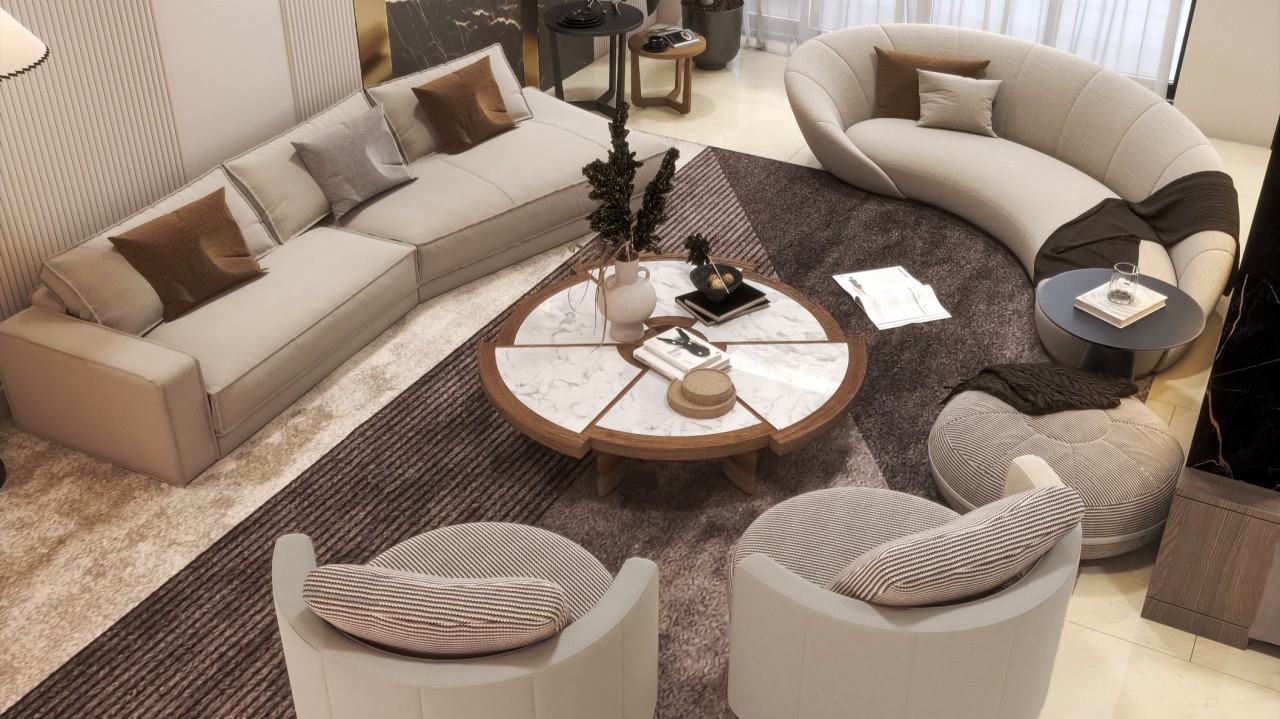
Ever walked into a room and instantly felt calm — or, on the flip side, oddly anxious without knowing why? That’s not magic; it’s interior psychology at work. The way you design and decorate your home directly impacts how you think, feel, and even behave. From colors that soothe your mind to layouts that energize your spirit, your environment plays therapist more often than you realize.
Color Therapy at Home
Color is one of the biggest mood influencers. Blue tones lower stress and invite tranquility, while yellows boost optimism and energy. Earthy shades ground you, while white can offer a mental “reset.” If you’re working from home or trying to stay motivated, hanging a piece of motivational wall art can create a subtle yet powerful mental nudge — like a pep talk from your décor. The art you choose doesn’t just decorate your walls; it sets the emotional temperature of your day.
The Shape of Serenity
The human brain loves harmony. Rounded furniture and curved edges feel welcoming and safe, while sharp lines and angles can stimulate alertness. Want focus? Go geometric. Want calm? Opt for soft silhouettes. Even the flow of your furniture arrangement — how easily you can move through a space — affects your sense of peace and control. A cluttered layout can lead to a cluttered mind, while open pathways invite clarity and calm.
Lighting: The Unsung Hero of Mood
Lighting doesn’t just illuminate your space; it dictates your emotional rhythm. Warm lighting mimics the sunset and promotes relaxation, while cool lighting can enhance alertness and productivity. Natural light, of course, is the gold standard — it regulates your circadian rhythm and boosts happiness levels. So throw open those curtains and let the sunshine do its therapy work.
Textures That Talk to You
Ever notice how a soft rug or a velvet cushion instantly makes a room feel more inviting? Textures evoke emotions on a subconscious level. Rough textures add depth and authenticity, while smooth finishes bring polish and refinement. Mixing textures — say, a plush throw against a sleek coffee table — creates a dynamic, sensory balance that engages you emotionally.
Declutter Your Space, Declutter Your Mind
Minimalism isn’t just a design trend; it’s a mental reset button. Too much visual noise can overwhelm the senses, leading to stress and fatigue. Organizing your space helps organize your thoughts. Think of every object as a guest — if it doesn’t serve a purpose or bring joy, it’s overstaying its welcome.
Your Environment Shapes Your Energy
Design is not about aesthetics alone — it’s about energy. A home that aligns with your emotional needs can lift your spirits, inspire creativity, and improve well-being. When your surroundings are intentional, your mind naturally follows suit. The next time you redecorate, remember: you’re not just designing your home — you’re designing your mood.

Comments are closed.