Category

Home Improvement

Category

Color temperature is a crucial aspect to consider when designing an outdoor lighting system. It determines the warmth or coolness, as well as the overall effect of the light. By understanding the nature of light and its various effects, you can make informed decisions about the color temperature and light sources for your outdoor space.

Choosing the Best Color Temperature

The best color temperature for your landscape lighting ultimately depends on your personal preference and the desired effect you want to create. However, there are some considerations to keep in mind.

Avoid using cooler color temperatures for outdoor landscapes as they can make the environment appear unnatural and unsettling. Instead, choose lighting with very warm color temperatures such as 2700K or 3000K. These temperatures provide a soothing and natural tone, reminiscent of a warm, comforting campfire glow, creating a relaxing and comfortable outdoor atmosphere.

Specific Lighting Suggestions

For entertainment areas, consider using lights on the lower end of the Kelvin scale, around 2000K. These lights emit a warm reddish glow, similar to candles or a bonfire, perfect for creating a romantic or rustic ambiance.

To achieve a moonlighting effect, use artificial moonlight lights with a color temperature of 4000K. These lights are placed high in trees and directed downward, providing a broad wash of light over the area. Make sure to use glare shields to ensure the light is focused downward.

For overall outdoor and landscape lighting, opt for soft white lights that are gentle and relaxing to the eye. Warm White (2700K) is the most preferred color temperature for landscape lighting, offering a welcoming and soothing atmosphere. Warm or Natural White (3000K) can accentuate greens and blues in vegetation. Cool White (4000K) is bluish and can be used to illuminate blue-colored vegetation like blue spruce.

This article was written by a lighting specialist at LD lighting. LD Lighting was Established in 2017 and is located in Central Florida, LD Lighting offers services in screen enclosure lighting, pool lighting, outdoor entertainment, and landscape lighting Windermere. We promise to give you the best quality of work and bring your ideas to life. 


There are several types of window shades available for homes, and the best type for you will depend on your specific needs and preferences. Here are some popular options:

Cellular shades:

These are also known as honeycomb shades, and they are a popular choice due to their energy efficiency. They are designed to trap air in the cells, which can help to insulate your windows shades and keep your home cooler in the summer and warmer in the winter.

Roller shades:

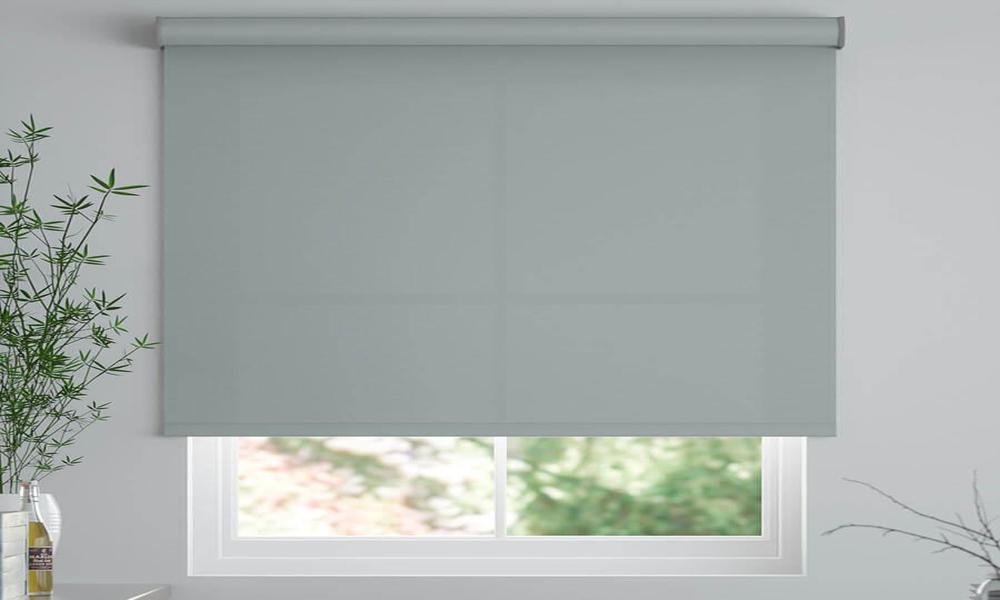
These are classic options that can provide a clean, streamlined look for your windows. They are available in a wide range of colors and fabrics, so you can find a style that fits your décor.

Roman shades:

These shades are similar to roller shades, but they fold up into neat pleats when raised. They can add a touch of elegance to your windows, and they are available in various fabrics, including light-filtering and blackout options.

Sheer shades:

These shades are made from a lightweight, translucent fabric that allows light to filter through while still providing privacy. They can be a good option if you want to maintain your view while still controlling the amount of light entering your home.

Ultimately, the best type of window shade for your home will depend on your specific needs and preferences. Consider factors such as energy efficiency, privacy, light control, and style when selecting window shades for your home.

How do you use window shades?

Using window shades is generally straightforward. Different types of window shades may have different mechanisms for raising and lowering them, so it’s important to know what type of has. Most window shades will have cords or controls that allow you to adjust them. These may be located on the side, bottom, or back of the shade, depending on the type of shade.

To lower the shade, gently pull the cords or controls downwards. Some shades may require you to pull the cord at an angle to release the lock. To raise the shade, gently pull the cords or controls upwards. Again, some shades may require you to pull the cord at an angle to release the lock. Once the shade is lowered or raised, you can adjust it to the desired position. For example, you can adjust cellular or Roman shades to control the amount of light entering the room or adjust roller or solar shades to block out UV rays or reduce glare.

Do window shades help insulate?

Yes, window shades can help to insulate your home and improve its energy efficiency. This is especially true for certain types of shades, such as cellular shades (also known as honeycomb shades).

Cellular shades are designed with a series of small, honeycomb-shaped pockets that trap air between the window and the shade. This air acts as an insulator, helping to keep warm air inside during the winter and cool air inside during the summer. By reducing the amount of heat transfer through your windows, cellular shades can help to lower your heating and cooling costs and make your home more comfortable.

When it comes to finding and purchasing your dream house, the process can be both exciting and overwhelming. However, enlisting the help of a professional real estate agent can be the crucial link that bridges the gap between your aspirations and the reality of homeownership. In the case of Richmond, Virginia, where the real estate market is thriving with a wide range of residential properties, having a knowledgeable real estate agent by your side becomes even more important.

Remodeling your apartment is a great way to enhance your lifestyle and make the most of the space you have. Whether you’re looking to make a few changes or completely overhaul the look and feel of your place, there are plenty of ways to improve your apartment’s interior design. From rearranging furniture, adding new lighting fixtures, or even painting walls, there are plenty of options for transforming your home into a more comfortable and enjoyable living space. With careful planning and thought, you can create an atmosphere that complements both your lifestyle and budget. Check out apartments for rent in montgomery al.

Here is how a real estate agent can help you navigate the residential real estate market when searching for Richmond homes for sale:

Expert knowledge of the real estate market

A reputable real estate agent possesses in-depth knowledge of the local market. They can provide valuable insights into the current trends, neighborhoods, pricing, and availability of homes for sale. By understanding your preferences, budget, and requirements, an agent can narrow your search and present you with viable options matching your dream house criteria.

Access to a broad network and listings

Real estate agents have access to multiple listing services (MLS) that provide comprehensive databases of available properties in Richmond real estate. This means they can quickly identify suitable options that align with your preferences. Additionally, real estate agents often have extensive networks within the industry, making them aware of off-market listings or upcoming properties that may not be publicly advertised.

Skillful negotiation and advocacy

One of the most crucial roles of a real estate agent is to act as your advocate during the negotiation process. They have the expertise to negotiate on your behalf, ensuring you secure the best possible real estate deal. Real estate agents understand the intricacies of the market, including pricing trends and comparable sales, and can guide you in making informed decisions. Their negotiation skills can help you navigate counteroffers and other complex aspects of the transaction, ultimately working towards your best interests.

Assistance with documentation and legalities

Purchasing a home involves a significant amount of paperwork and legal procedures. A real estate agent can guide you through this process, ensuring that all necessary documents are accurately completed and submitted on time. From drafting purchase agreements to reviewing contracts and disclosures, their expertise can help you avoid potential pitfalls and protect your interests throughout the transaction.

Streamlined home search experience

Searching for a home can be time-consuming and overwhelming, especially if you have specific requirements or are unfamiliar with your intended area. A real estate agent can streamline the process by pre-screening properties, scheduling showings, and accompanying you on property visits. By leveraging their experience and knowledge, they can help you focus on properties that align with your needs, saving you time and effort.

Guidance throughout the home buying process

Buying a home involves multiple steps, from conducting property inspections to securing financing and coordinating with various parties. A real estate agent will guide you through each stage, providing expert advice and support. They can recommend reputable home inspectors and mortgage lenders, ensuring a smooth and efficient home buying process.

The real estate market in Richmond offers many opportunities for those seeking their dream home. Partnering with a professional real estate agent can significantly enhance your chances of finding the perfect property.

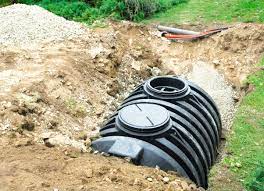
When managing household wastewater in areas without access to centralized sewer systems, septic tanks provide an efficient and reliable solution. Proper installation is crucial to ensure the long-term functionality and effectiveness of your septic system. Before installing a septic tank, conduct a percolation test and site evaluation. A percolation test helps determine the soil’s absorption rate and its ability to treat and filter wastewater efficiently. During testing, holes are dug, filled with water, and the percolating time is measured. This information helps determine the appropriate size and design of the septic system. Additionally, a site evaluation considers factors such as soil type, topography, proximity to water sources, and local regulations to ensure compliance and minimize potential environmental impact.

Selecting the right tank size is crucial for the proper functioning of your septic system. The tank size should be based on the number of bedrooms in your home, daily water usage, and the percolation rate of the soil. A larger tank allows for more wastewater storage and longer intervals between pump-outs. However, strike a balance to avoid excessive tank sizes that lead to inadequate wastewater treatment or unnecessary costs. The material used for your septic tank is crucial in its durability and longevity. Common materials for septic tanks include concrete, fiberglass, and plastic. Concrete tanks are durable and withstand high groundwater levels but may be susceptible to cracking over time. Fiberglass tanks are lightweight, resistant to corrosion, and offer a longer lifespan. 

Consider factors such as durability, maintenance requirements, and local regulations when selecting the appropriate tank material for your installation. The distribution box and drain field are critical components of the septic system, responsible for evenly distributing the treated wastewater into the soil for further filtration and absorption. Proper design and installation of the distribution box and drain field are essential for optimal performance. The distribution box ensures equal flow to each drain field line, preventing overloading and ensuring even distribution. Regulations may include setback distances from property lines, wells, water bodies, or other sensitive areas. Septic system needs to comply with these regulations to protect the environment and function properly. 

Septic tank installation is a complex process that requires professional expertise. Hire a reputable septic system installer with experience in design, installation, and maintenance. Professional installers have the necessary skills and equipment to construct the tank, distribution box, and drain field. They provide valuable guidance on maintenance practices to keep your septic system functioning efficiently for years to come. Once your septic tank installation is complete, regular inspections and maintenance are crucial to its long-term success. Schedule periodic inspections by a professional septic service provider to assess the system’s health, check for any signs of issues, and perform necessary maintenance tasks such as pump-outs and filter cleanings. Following a regular maintenance schedule helps prevent septic tank problems, prolongs the life of your septic system, and ensures its continued functionality.


Not only does it shield your possessions from harsh weather conditions, but it also amplifies the worth of your property. Roofs become damaged, worn out, or outdated, compromising their functionality and appearance. Restoration entails revitalizing and refurbishing your current possessions to restore them to their original splendor. This comprehensive process encompasses various tasks such as cleaning, repairing, re-coating, and occasionally replacing specific components. While it may require an upfront investment, roof restoration offers numerous benefits that make it a worthwhile expense in the long run. The primary reason why roof restoration is worth the investment is that it extends the lifespan of your roof. It develops issues such as leaks, cracks, missing shingles, or damaged flashing. These problems, if left unattended, worsen and lead to more significant damage, potentially requiring a full replacement. By investing in restoration at the early signs of deterioration, you address these issues and prevent further damage, thereby prolonging the lifespan of your roof.

The roof restoration enhances the overall energy efficiency of your home. A deterioration often allows air leaks, leading to drafts and temperature fluctuations inside the house. It will likely put additional stress on your heating and cooling systems, leading to elevated energy usage and prolong the life of your roof. During the restoration process, the roof is inspected, sealed, and insulated properly, ensuring that it provides optimal thermal performance. Eliminating air leaks and enhancing insulation, one can establish a more comfortable living environment and effectively reduce energy expenses. In addition to improving functionality, restoration also has a significant impact on the aesthetics of your home. An old, worn-out make your entire property look dated and unappealing. On the other hand, a beautifully restored enhances its curb appeal and makes it stand out in the neighborhood. They often involve cleaning, repairing, or replacing damaged tiles or shingles, and applying a fresh coat of paint or protective sealant.

When considering a restoration, hire a professional roofing contractor with expertise in this area. They will assess the condition of your roof, identify any underlying issues, and recommend the most appropriate restoration techniques. Experienced roofing professionals possess access to top-notch materials and state-of-the-art equipment, guaranteeing that the restoration is executed to the standards of excellence. They provide warranty or guarantees on their work, giving you peace of mind knowing that your investment is protected. It’s important to note that roof restoration is not suitable for every situation. If the roof sustains extensive damage or has exceeded its expected lifespan, opting for a complete replacement may be the suitable resolution. By depending on the knowledge and proficiency of a competent roofing contractor, you can ensure an educated decision by evaluating the present condition of your roof.

Understanding the Importance of Asbestos Management Surveys

Asbestos, once admired for its heat resistance and insulating properties, has since been recognised for its profound health implications. Consequently, having an asbestos management survey is no longer a choice but a necessity, particularly for older buildings. So, what are the essential steps for asbestos management surveys?

  1. Identifying Potential Asbestos-Containing Materials (ACMs): These are commonly found in roofing sheets, insulation materials, floor tiles, and more. Always remember, any building built before 2000 could contain asbestos.
  2. Inspecting and Sampling Suspected ACMs: This involves taking a small sample from the suspected areas for lab testing. Remember, professionals must carry out this task to avoid asbestos exposure.
  3. Assessing the Condition and Risk: The professional then evaluates the condition of the ACMs and determines their risk level.
  4. Reporting and Developing a Management Plan: A comprehensive report is produced, highlighting the asbestos locations, its conditions, and recommendations for managing the risk.

The Role of Compliance in Asbestos Surveys

Ensuring compliance through asbestos surveys is paramount to your organisation’s health and safety obligations. But why is compliance so essential? Non-compliance can lead to severe legal implications, substantial fines, and even closure of premises. Moreover, there’s an ethical obligation to protect those using the building from potential asbestos-related health risks.

Implementing Effective Strategies for Asbestos Surveying

To effectively manage asbestos within your premises, a few practical strategies for asbestos surveying can come in handy:

  • Engage a Licensed Professional: Asbestos surveys should never be a DIY project. It requires a trained and licensed professional to ensure safety and accuracy.
  • Regular Asbestos Audits: Routine asbestos audits are essential for keeping your asbestos management plan up-to-date.
  • Emergency Procedures: Establish clear protocols for accidental disturbances of ACMs, including evacuation plans and professional cleanup procedures.
  • Asbestos Awareness Training: Everyone in the organisation should understand the risks associated with asbestos and the procedures in place.

So, what’s your asbestos management strategy like? Are you confident that you’re doing enough to protect everyone in your building from asbestos exposure?

A Proactive Approach to Asbestos Management

proactive stance in maintaining asbestos management surveys can go a long way in ensuring a safe environment. Regular monitoring and inspections can identify changes in the condition of any known ACMs or highlight new areas of concern. By maintaining up-to-date asbestos registers and management plans, you can respond promptly and appropriately to any potential asbestos risks.

Learning from Past Experiences

Lessons from past asbestos exposure incidents illustrate the vital importance of robust asbestos management. For instance, schools built during the 1960s-1980s frequently used ACMs in construction. A lack of awareness and leadership led to numerous cases of asbestos exposure among staff and students, resulting in severe health impacts and costly legal battles.

Embracing Your Responsibility

So, how about your establishment? Is it equipped with the right measures to manage and monitor asbestos effectively? Remember, it’s not just about adhering to regulations – it’s about taking responsibility for the safety and well-being of people who trust you with their health every day.

In conclusion, a robust, proactive, and thoughtful approach is critical to effective asbestos management surveys. By recognising the importance of these surveys and incorporating the essential steps, you ensure compliance and create a safer and healthier environment.


A broken leg on a sofa repair can be a frustrating issue, especially if the sofa is otherwise in good condition. Fortunately, repairing a broken sofa leg is often a simple and cost-effective solution that can extend the life of your furniture. In this article, we will discuss the steps involved in repairing a broken sofa leg and explore some of the factors you should consider before attempting the repair.

Assess the Damage

The first step in repairing a broken sofa repair leg is to assess the damage. Depending on the severity of the break, you may be able to repair the leg yourself or you may need to seek professional help. If the leg is simply loose or wobbly, you may be able to fix it by tightening the bolts or screws that hold it in place. However, if the leg is completely broken or cracked, you will need to replace it.

Purchase a Replacement Leg

Once you have assessed the damage and determined that you need to replace the leg, you will need to purchase a replacement. It is important to choose a leg that matches the style and size of your existing legs to ensure that your sofa remains balanced and level. You can find replacement legs at most furniture stores, as well as online retailers.

Remove the Broken Leg

Before you can install the replacement leg, you will need to remove the broken leg. This may involve unscrewing or unbolting the leg from the sofa frame. Be sure to keep any hardware or screws in a safe place so that you can use them to attach the new leg.

Install the Replacement Leg

Once you have removed the broken leg, you can install the replacement leg. This may involve screwing or bolting the leg into place, depending on the design of your sofa. Be sure to use the hardware that came with the replacement leg, or use hardware that is compatible with the size and style of your sofa.

Consider Reinforcing the Leg

Depending on the design of your sofa and the severity of the break, you may want to consider reinforcing the new leg to prevent future breaks. One way to do this is to add a metal bracket or corner brace to the joint where the leg attaches to the sofa frame. This will help distribute weight and stress more evenly across the joint, reducing the risk of another break.

Conclusion

Repairing a broken sofa leg is a simple and cost-effective solution that can extend the life of your furniture. By assessing the damage, purchasing a replacement leg, removing the broken leg, installing the replacement leg, and considering reinforcing the leg, you can restore your sofa to its former glory and enjoy many more years of comfortable seating. However, if you do not feel comfortable attempting the repair yourself, or if the damage is too severe, it is always best to seek professional help to ensure that the repair is done safely and correctly.

One of the primary benefits of office carpets is their ability to enhance the overall appearance of the workplace. A well-designed carpet can add to the decor and make the workspace more inviting, which can have a positive effect on employees’ productivity and morale.

Office carpets also provide safety benefits. They can help prevent slip and fall accidents, which are common in workplaces with hard floors. Carpets with non-slip backing and padding can reduce the risk of injuries caused by falls, making them an excellent investment for any office.

Another significant benefit of office carpets is their ability to improve indoor air quality. Carpets trap allergens and other particles, preventing them from circulating in the air. Regular cleaning of carpets can also help remove dust, dirt, and other debris that may be harmful to employees with allergies or respiratory problems.

What Types of Office Carpets are Available?

Office carpets come in different types, each with its unique features and benefits. Some of the most common types of office carpets include:

  1. Loop Pile Carpets: These carpets have a dense, looped pile that is durable and suitable for high-traffic areas. They come in a variety of colors and patterns, making them an excellent choice for any office decor.
  2. Cut Pile Carpets: Cut pile carpets have a pile that is cut to a uniform height, creating a soft, plush feel. They are available in different textures and patterns and are ideal for areas where comfort is a priority.
  3. Berber Carpets: Berber carpets have a looped pile that is both durable and stain-resistant. They come in a range of colors and patterns and are suitable for high-traffic areas.
  4. Carpet Tiles: Carpet tiles are modular, allowing them to be installed in various patterns and configurations. They are easy to replace and maintain and are an excellent choice for offices that require frequent renovation.

What Factors Should You Consider When Choosing an Office Carpet?

Choosing the right office carpet requires careful consideration of various factors. Here are some of the key factors to consider:

  1. Durability: The carpet’s durability is a crucial factor to consider, especially in high-traffic areas. Durable carpets can withstand heavy foot traffic and last longer, reducing the need for frequent replacement.
  2. Comfort: The comfort of the carpet is also essential, particularly in areas where employees spend a lot of time standing or walking. Soft, plush carpets can provide cushioning, reducing the strain on employees’ feet and legs.
  3. Maintenance: The ease of maintenance is another factor to consider when choosing an office carpet. Carpets that are easy to clean and maintain can save time and money in the long run.

Office carpets are an essential investment for any workplace. They provide comfort, safety, and aesthetic appeal, enhancing the overall work environment. When choosing an office carpet, it’s important to consider factors such as durability, comfort, and maintenance. With the right carpet, you can create a welcoming and productive workspace that promotes employee well-being and satisfaction.

Pattern blinds are a popular window treatment option that combines style and functionality. They are designed to provide privacy, and light control, and add a touch of elegance to your home decor. Pattern blinds come in a wide range of designs and colors, making them a versatile and attractive option for any room in your home.

Pattern blinds come in a wide range of designs and colors to suit any style of decor. Whether you prefer a bold, eye-catching pattern or a subtle, understated design, there is a pattern blind to meet your needs. Some popular patterns include stripes, florals, geometrics, and abstract designs. Pattern blinds are a great investment in your home with their versatile designs and colors, light control and privacy features, and easy maintenance. You can also choose from various colors, including neutrals, pastels, bold hues, and metallic shades. With so many options available, it’s easy to find a pattern blind that complements your home decor.

Valuable Benefits of pattern blinds

Pattern blinds offer excellent light control and privacy. They are designed to block out the sun’s rays and provide privacy when you need them. Depending on the design and fabric of the blind, you can adjust the amount of light that enters the room. For example, some pattern blinds have a blackout lining, which blocks out all light, making them ideal for bedrooms or home theaters. Other pattern blinds have a sheer fabric, which allows some light to filter through, providing a soft, diffused glow in the room.

Pattern blinds are easy to clean and maintain. Most blinds can be wiped down with a damp cloth to remove any dust or dirt that may accumulate. You can spot clean with a mild detergent and water for more stubborn stains. It’s important to follow the manufacturer’s instructions for cleaning and maintenance to ensure that your pattern blinds last for many years.

Tips for Choosing Pattern Blinds

When choosing pattern blinds for your home, consider the following tips:

  1. Think about the purpose of the room. If you need maximum privacy and light control, choose a pattern blind with a blackout lining. If you want to let in some natural light, choose a sheer or semi-sheer fabric.
  2. Consider the color scheme of the room. Choose a pattern blind that complements the existing color scheme of the room. If you have neutral walls, you can choose a bold pattern blind to add a pop of color and interest.
  3. Choose the right size. Measure the window carefully before ordering pattern blinds to ensure a proper fit. If you’re unsure about the size, consult with a professional installer.

Pattern blinds are a stylish and functional option for any home decor. Pattern blinds are a great investment in your home with their versatile designs and colors, light control and privacy features, and easy maintenance. By following the tips above, you can choose the perfect pattern blinds to add style and functionality to your living space.

Are you tired of manually opening and closing your curtains every day? Do you want to add a touch of luxury and convenience to your home decor? If so, motorized curtains may be just what you need.

Motorized curtains, also known as electric curtains, are automated window treatments that can be controlled with the push of a button or a remote control. They are typically powered by a motor that is hidden inside the curtain track, which allows the curtains to open and close smoothly and quietly.

motorized curtains offer a unique and attractive solution for homeowners who want to add convenience, luxury, and energy efficiency to their home decor. With their sleek design, customizable options, and advanced features, motorized curtains are a worthwhile investment that will enhance your home and simplify your life. So, why not upgrade your curtains today and experience the benefits of motorized curtains for yourself?

What Makes Motorized Curtains more convenient?

Motorized curtains offer several unique features that set them apart from traditional curtains. Firstly, they provide unparalleled convenience. With motorized curtains, you can open and close your curtains from the comfort of your couch or bed, without having to get up and manually adjust them. This feature is especially useful for people with mobility issues, as well as for those who want to save time and energy.

In addition to convenience, motorized curtains offer a touch of luxury to your home decor. They are sleek and modern and can be customized to fit your style. You can choose from a variety of fabrics and colors to create a look that is both functional and aesthetically pleasing. Motorized curtains are also ideal for hard-to-reach windows or high ceilings, as they can be easily controlled with a remote.

Another unique feature of motorized curtains is their energy efficiency. By using motorized curtains, you can regulate the amount of natural light and heat that enters your home, which can help you save on your energy bills. For example, you can program your curtains to close during the hottest part of the day, which will prevent the sun from heating your home and reduce the need for air conditioning.

What are the Benefits of Motorized Curtains?

In addition to their unique features, motorized curtains offer several benefits that make them an attractive choice for homeowners. Firstly, they provide added privacy and security. With motorized curtains, you can easily close your curtains when you leave the house, which will prevent anyone from peeking inside. This is especially important for homes that are located on busy streets or in areas with high foot traffic.

Motorized curtains also offer enhanced light control. With traditional curtains, you may have to adjust them manually throughout the day to prevent glare or to let in more light. With motorized curtains, you can easily adjust the amount of light that enters your home with the push of a button. This is especially useful for rooms that receive a lot of sunlight, such as bedrooms or living rooms.

Finally, motorized curtains are easy to install and maintain. They can be easily integrated into your existing home automation system, which will allow you to control them along with your other smart devices. They also require very little maintenance, as the motor is designed to last for many years with minimal upkeep.