
Tag

freeze

Browsing

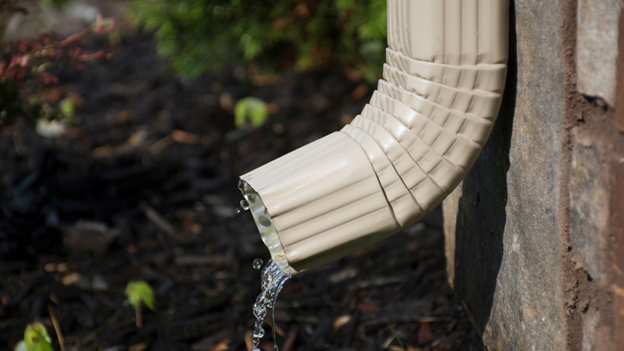
Downspouts play a crucial role in protecting your home by channeling water safely away from your foundation, siding, and landscaping. While gutters often get most of the attention, downspouts are equally important — and without them, even the cleanest gutters can lead to costly water damage. The good news is that downspouts are relatively simple to care for, and a few seasonal checks can extend their lifespan significantly.

Here’s a season-by-season guide to keeping your downspouts in top condition year after year.

Spring: Clear Away Winter’s Leftovers

After a long winter, your downspouts may be clogged with leaves, sticks, and other debris left behind by storms. Snow and ice can also cause hidden cracks or bends.

Key steps for spring care:

  • Flush the system: Run water from a hose through each downspout to ensure proper flow. Any sluggish drainage indicates a blockage that needs clearing.

  • Check for cracks: Look closely for small splits caused by freezing and thawing cycles. These can worsen as the weather warms.

  • Inspect connections: Winter winds and ice buildup sometimes loosen brackets and joints. Tighten or replace hardware as needed.

  • Assess foundation drainage: Make sure extensions or splash blocks are still diverting water far enough away from your home.

Spring cleaning ensures your downspouts are ready to handle heavy seasonal rains without backing up.

Summer: Guard Against Heat and Storm Damage

Summer brings strong thunderstorms, heavy rain, and scorching sun — all of which can strain your downspouts. UV exposure can weaken certain materials, while sudden downpours can reveal hidden weaknesses.

Key steps for summer care:

  • Test during storms: Watch your downspouts during heavy rainfall. Look for water spilling over the sides or pooling at the base, which may signal misalignment or hidden clogs.

  • Secure fasteners: High winds can rattle downspouts loose. Re-check brackets to keep them snug against the house.

  • Trim landscaping: Plants, vines, or shrubs that press against downspouts can trap moisture and accelerate rust or corrosion. Keep them trimmed back.

  • Apply UV protection: Some metal or vinyl downspouts benefit from protective coatings or paint touch-ups to reduce sun damage.

Staying proactive in summer reduces the chance of emergency repairs when storms roll in.

Fall: Prepare for Leaves and Seasonal Debris

Fall is the most challenging season for gutter and downspout systems. Falling leaves, acorns, and pine needles can quickly clog your downspouts if left unchecked.

Key steps for fall care:

  • Install gutter guards (if needed): While not foolproof, guards reduce the amount of debris that reaches your downspouts.

  • Perform mid-season checks: Don’t wait until every tree is bare; inspect and clear your downspouts at least twice during fall.

  • Clear elbows and bends: Debris often gathers at joints where water changes direction. Disassemble if necessary to clean thoroughly.

  • Watch for pests: Birds and rodents sometimes nest in sheltered downspouts. Removing early signs of nesting prevents blockages.

Taking these steps ensures your downspouts won’t fail when seasonal rains hit hardest.

Winter: Protect Against Ice and Snow

Cold weather is tough on downspouts. Ice dams, frozen blockages, and heavy snow can all cause cracks, separations, or even full detachments.

Key steps for winter care:

  • Check for ice dams: When snow melts and refreezes, it can block both gutters and downspouts. Remove snow buildup from the roof edge when possible.

  • Keep exits clear: Make sure the bottom openings of your downspouts are free from snow piles. Water needs a clear path away from your home.

  • Use heating cables if necessary: In very cold climates, heating cables can prevent freeze-ups and reduce stress on downspouts.

  • Inspect after storms: After each major snow or ice event, do a quick walk-around to ensure downspouts are still secure and flowing properly.

By staying vigilant, you’ll minimize winter damage and avoid costly replacements come spring.

Why Seasonal Care Matters

Skipping seasonal checks may not seem like a big deal, but small issues add up quickly. A minor clog in fall can freeze and expand in winter, leading to cracks. A loose bracket in summer can cause a full detachment during the next storm. Over time, these small oversights shorten the lifespan of your downspouts and increase the risk of water damage to your home.

Regular downspout maintenance helps you:

  • Prevent water pooling near your foundation

  • Protect siding and landscaping from overflow

  • Extend the lifespan of your entire gutter system

  • Save money on major repairs and replacements

Downspouts may not be the most glamorous part of your home, but they are one of the most important. By committing to seasonal care — clearing debris in spring, reinforcing in summer, unclogging in fall, and protecting in winter — you’ll ensure they last for years to come.

Think of these checks as a routine tune-up. A few minutes each season can save you from thousands in potential water damage. With consistent care, your downspouts will continue doing their job quietly and effectively: keeping your home safe and dry no matter what the weather brings.

Roof leaks are one of the most frustrating issues homeowners face, often leading to damage that can affect the house’s structural integrity. A leaking roof may result from various factors, some of which can be easily overlooked. To address these concerns effectively, it’s essential to consult a roofing contractor in Atlanta for timely repairs and guidance on maintenance. Roof leaks are often symptoms of larger problems, and getting expert help is crucial for long-term roof health.

Damaged Shingles or Tiles

One of the most common causes of roof leaks is damaged or missing shingles. Shingles protect the roof from harsh weather conditions like heavy rain or snow. Over time, shingles can crack, curl, or break due to exposure to extreme temperatures or constant wear and tear. When shingles become damaged, they allow water to seep into the underlying layers of the roof, which can lead to leaks. Regular roof inspections and maintenance can prevent small issues from becoming bigger problems.

Poorly Installed Flashing

Flashing is critical to any roof, particularly around chimneys, skylights, and vents. It seals the gaps between the roof and other structures, preventing water from entering. When flashing is improperly installed or damaged, water can easily penetrate these areas, causing leaks. This is a common issue, especially in homes where the roof has been repaired or replaced without attention to detail. Proper flashing installation prevents water damage and ensures long-lasting roof integrity.

Clogged Gutters

Gutters play an important role in directing rainwater away from the roof and foundation of your home. Water can back up and pool on the roof when it becomes clogged with leaves, debris, or dirt. Over time, this can lead to leaks, especially if the water finds its way under shingles or through cracks in the roof. Regular gutter cleaning is essential for preventing leaks caused by water buildup. Discover more about managing gutter issues and fixing minor roof problems by checking out this article.

Cracked or Worn Seals Around Roof Penetrations

Roof penetrations, such as vent pipes, chimneys, or skylights, are necessary for any roofing system. However, these areas are vulnerable to leaks if the seals around them wear out or crack over time. The sealant around these structures can deteriorate due to weather conditions, leaving gaps where water can infiltrate. Checking these seals regularly and resealing them when necessary can help prevent roof leaks.

Ice Dams

In colder climates, ice dams can form on the edges of roofs during the winter. Ice dams occur when heat from the attic melts snow on the roof, causing the water to run down and refreeze at the roof’s edge. This ice buildup can prevent proper drainage, causing water to pool on the roof. When the water has nowhere to go, it can seep under shingles, leading to leaks. Insulating the attic properly and ensuring good ventilation can help prevent ice dams from forming.

Age of the Roof

No roof lasts forever, and age is a significant factor in roof leaks. As roofing materials age, they lose their ability to repel water effectively. Even if a roof appears intact, it may be more susceptible to leaks simply because the materials have degraded over time. Most roofs have a lifespan of 20 to 30 years, depending on the materials used and the local climate. If a roof is nearing the end of its expected lifespan, it’s wise to consider a replacement to avoid future leaks.

Conclusion

Roof leaks can be caused by various factors, from damaged shingles to clogged gutters and poorly installed flashing. Regular maintenance and timely inspections are key to preventing leaks before they cause more significant damage. Whether it’s the result of natural wear and tear or an overlooked issue like a cracked seal, addressing roof leaks promptly can save homeowners a lot of trouble and expense. If a leak is suspected, consulting a professional can ensure the problem is handled effectively and prevent future damage.

Frequently Asked Questions

1. How can I prevent roof leaks?

Regular inspections, cleaning gutters, and maintaining roof seals can help prevent leaks. It’s also crucial to replace damaged shingles and check for signs of wear around roof penetrations.

2. How often should I inspect my roof?

It’s recommended to inspect your roof at least twice a year, preferably in the spring and fall. Additionally, check your roof after severe weather events to catch any damage early.

3. Can small roof leaks lead to bigger issues?

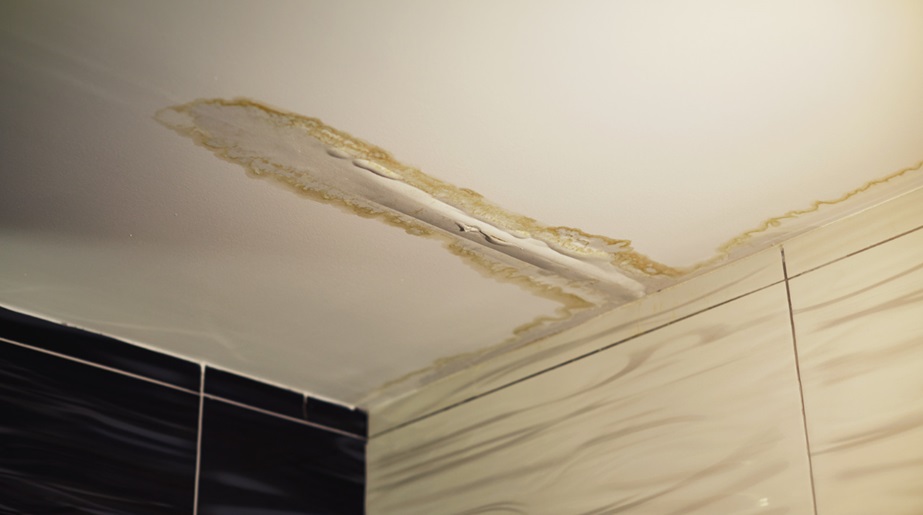
Yes, even small roof leaks can lead to significant damage over time, including mold growth, structural damage, and insulation deterioration.

Probably the most challenging areas of maintenance nowadays, surprisingly, may be the garage. Moreover, the garage floor is commonly mistreated and neglected greater than every other area of the home. Once recognized it is best to pay just a little focus on that garage floor, because you will see next.

Types Of Laminated Flooring

The significance of preserving your garage floor

Maintaining ones garage floor might appear as an odd or silly idea, however your garage serves a principal purpose like a space for storage for the cars along with other tings that don’t have a delegated place within the home. The garage is extremely part of your house, as being a bed room or even the kitchen. Therefore, it deserves exactly the same degree of attention that individuals rooms do.

Neglecting the garage floor may bring pricey, and annoying future problems .

A grimy garage floor can result in issues with rodents, rats, or any other pets, especially if pet meals are stored in the spare room, in containers that aren’t animal proof. Likewise, an oily or grimy garage floor may become a slippery mess which may be a fall hazard.

The Western India Plywoods Ltd

But does my garage floor need a ton of attention?

Your garage floor needs some kind of special attention since it most likely never has become manual intervention before. Before the damage continues to be done, that’s. Cracks from freeze thaw cycles, oil spots, and moisture, all of them place their toll. Since the garage floor is really a integral piece of your house, preventative steps against damage often means money in your wallet lower the road.