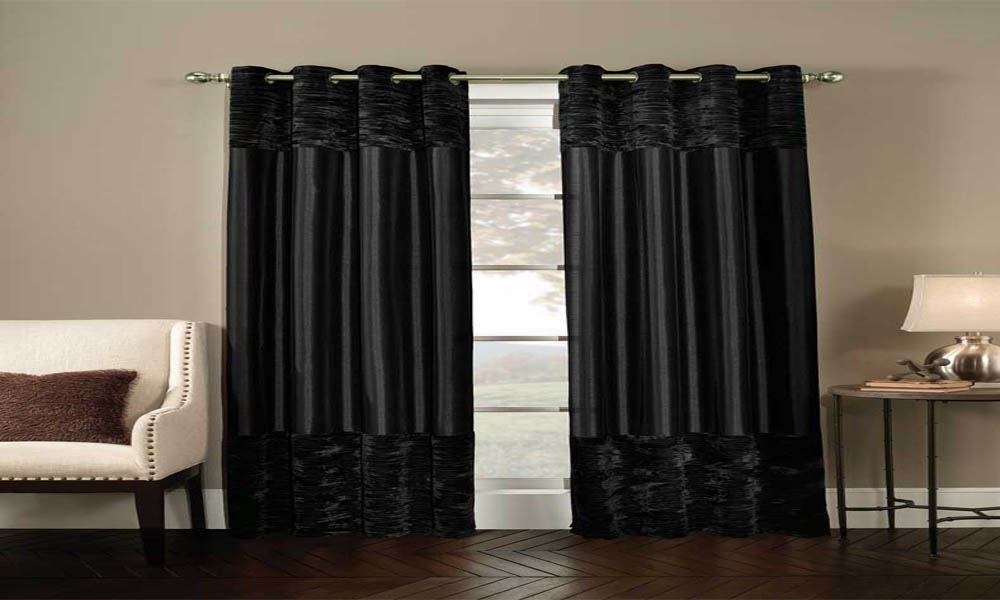

Choosing curtain fabric is about much more than picking a color you like. Because curtains often occupy a significant amount of wall space, their texture, weight, and movement can influence the entire character of a room. The right fabric can make an interior feel relaxed and airy, richly layered, polished and formal, or effortlessly elegant.
Linen, velvet, and cotton are three of the most versatile choices, but each creates a distinctly different effect. Linen brings natural texture and an easy sophistication, velvet adds depth and drama, while cotton offers remarkable flexibility, particularly when pattern is involved. Understanding how each fabric behaves is the first step toward choosing one that suits both your interior style and the way you use the room.
Linen: Relaxed, Natural, and Effortlessly Elegant
Linen has become a favorite in contemporary interiors because it manages to feel luxurious without looking overly formal. Its natural weave creates subtle variations across the surface, giving even a simple neutral curtain plenty of visual interest. Rather than appearing perfectly uniform, linen has a gentle irregularity that makes a room feel softer and more lived-in.
This makes linen particularly well suited to relaxed, organic, coastal, minimalist, and transitional interiors. It pairs beautifully with materials such as wood, stone, rattan, leather, and natural-fiber rugs, making it an easy way to bring warmth into a room dominated by harder surfaces. Ivory, oatmeal, flax, or soft gray linen custom curtains can also add dimension to a neutral palette without introducing another strong color.
Linen is especially appealing when you want your windows to feel elegant but not precious. Its relaxed drape and natural texture can take some of the formality out of traditional architecture while adding softness to contemporary minimalist interiors. However, that easygoing character also means linen may crease more readily than a structured fabric, so it is best suited to interiors where a little natural texture is part of the charm.
Velvet: Rich, Dramatic, and Luxurious
If linen creates quiet elegance, velvet brings considerably more drama. Its dense surface catches and absorbs light differently across every fold, creating rich tonal variation that gives curtains an almost three-dimensional quality. Even a simple solid velvet can become a striking design element because the texture itself provides so much visual depth.
Velvet works particularly well in formal living rooms, dining rooms, bedrooms, and interiors with traditional, transitional, or glamorous influences. Deep green, navy, burgundy, charcoal, and jewel tones can create a dramatic statement, while softer shades such as ivory, taupe, dusty blue, or warm gray can make velvet feel considerably more understated.
Because velvet has substantial visual weight, however, it needs to be considered in context. A large expanse of dark velvet may feel overwhelming in a small room that already contains heavy furniture and rich finishes. In a more restrained space, though, velvet can provide exactly the warmth and depth it needs. Its substantial weight can also create beautifully full folds, making it particularly effective when the curtains are intended to be a major architectural feature.
Cotton: Versatile, Fresh, and Adaptable
Cotton occupies a wonderfully flexible position between the relaxed character of linen and the richness of velvet. Depending on its weave, weight, color, and pattern, cotton can look crisp and contemporary, soft and casual, or distinctly traditional. That versatility makes it particularly useful when you want your curtains to contribute personality without overwhelming the rest of the room.
Cotton is also an excellent choice for patterned window treatments. Stripes, checks, florals, geometrics, and botanical prints can all look beautiful on cotton, giving you an opportunity to introduce color and visual interest through the windows. In a relatively quiet room, patterned curtains can become a focal point; in a more decorative interior, a simple cotton solid can provide a much-needed visual pause.
The fabric’s adaptability makes it suitable for bedrooms, living rooms, dining spaces, and more casual areas of the home. It can be tailored to look polished or allowed to feel more relaxed, depending on the construction and the surrounding decor.
How Should You Choose Between Them?
The easiest place to start is with the atmosphere you want to create. If you want the windows to feel soft, natural, and understated, linen is likely to be the strongest choice. If the room needs richness, intimacy, or a touch of drama, velvet can provide it. If you want flexibility, particularly around pattern and color, cotton gives you considerably more room to experiment.
The existing elements in your room should also influence the decision. Consider the sofa, rug, flooring, upholstery, wall color, and lighting before choosing your fabric. If the room is already filled with substantial furniture and rich textures, a lighter linen may provide welcome balance. Conversely, a room with sleek furniture and hard surfaces may benefit from the depth of velvet or a more tactile cotton weave.
The objective is not to make the curtains match everything else. It is to make them feel like they belong.
Think About Natural Light
The way a fabric interacts with daylight can be just as important as its color. Linen generally has an airy relationship with natural light, particularly in lighter weights, allowing the room to retain a sense of brightness. Velvet behaves differently, absorbing and reflecting light across its surface and creating more pronounced shifts in color. Cotton varies depending on its weave and density.
Always look at fabric samples in the actual room if possible. A material that looks perfect under showroom lighting may appear warmer, cooler, lighter, or darker once exposed to the natural light in your home. Pay particular attention to how the fabric looks in both direct sunlight and softer evening light.
Privacy should be considered at the same time. A lightweight linen may look beautiful during the day but offer limited privacy after dark. Depending on the construction, cotton can provide greater coverage, while velvet tends to be naturally more opaque. Appropriate lining can also improve privacy, light control, and insulation without changing the decorative fabric you have chosen.
Consider How the Fabric Will Hang
A fabric sample does not tell you everything. Curtains are three-dimensional, so the way the material folds and falls is a crucial part of the finished look.
Linen tends to create softer, more relaxed folds, while velvet can produce deeper and more substantial pleats because of its weight. Cotton varies widely depending on the weave and finish. Before committing to a fabric, gather the sample in your hand and see how it moves. Does it fall fluidly? Does it hold its shape? Does it feel too stiff or too lightweight for the look you want?
Fullness matters, too. A luxurious fabric can still look disappointing if there is not enough material to create attractive folds. The fabric and construction should therefore be considered together, rather than treating the textile as a standalone decision.
Don’t Forget Pattern and Scale
If you are choosing a printed fabric, think beyond whether you simply like the motif. Consider its scale in relation to both the room and the window. A tiny pattern can disappear across a large wall of glass, while an oversized botanical or geometric design can become overwhelming in a small space.
Pattern placement is equally important. Large motifs may need careful positioning so that the most attractive parts of the design appear across the finished panels. With custom curtains, the fabric can be planned around the dimensions of the actual window, giving you much greater control over how the pattern is presented.
This is particularly valuable when the curtains are intended to be a focal point.
The Fabric Should Suit the Way You Live
A beautiful fabric also needs to make sense for the room’s everyday demands. A formal dining room may accommodate a more delicate or decorative textile, while a busy family room may call for something practical and durable. Bedrooms often prioritize privacy and light control, whereas living rooms may benefit from fabrics that allow a softer connection with daylight.
This is where customization can be particularly valuable. Custom drapes allow the fabric, fullness, finished length, lining, and construction to be considered together, creating a treatment that is designed around both the room and the people using it.
So, Linen, Velvet, or Cotton?
There is no universal winner. Each fabric brings something different to the interior.
Choose linen when you want natural texture, softness, and relaxed sophistication. Choose velvet when you want richness, depth, and a more dramatic presence. Choose cotton when versatility, pattern, and an approachable aesthetic are your priorities.
Most importantly, choose based on what the room needs rather than what is currently trending. Look at the architecture, furniture, natural light, existing textures, and overall atmosphere. Then choose the fabric that brings those elements into better balance.
Because the most beautiful curtains are not necessarily made from the most luxurious material. They are made from the material that makes the entire room feel more considered, cohesive, and complete.