Category

Pest Control

Category

The holidays have passed, the decorations are stashed away, and your Fort Lee apartment feels less inviting than it has in weeks. Well, January and February are the sneaky season for rodents in multi-unit buildings. In short, after the holidays, food waste, reduced building maintenance, and lower temperatures invite rodents into apartments.

In high-rise and mid-rise Fort Lee, with an increasingly dense grid, a one-unit problem becomes everybody’s problem very quickly. These rodents do not just appear; they have been residing in our homes. After the holiday season, they give us plenty of reasons to stay active & be in the light.

Spotting signs of a rodent infestation in your unit is a reason to contact a qualified pest professional from Alliance Pest Services as soon as possible, as it can prevent the issue from spreading.

Why January and February Are Peak Rodent Months in Fort Lee?

Rodent activity is a perfect storm during the post-holiday window, and it starts with food. During the holiday, visitors will cook more at home, host more guests, and generate at least 30% more food waste than usual.

More than 133 billion pounds of food are wasted in the United States each year, according to the Natural Resources Defense Council, and we waste an outsized share of that food during the holidays. For apartment complexes, this means chutes overflowing with rubbish, recycling bins filled beyond capacity, and crumbs and spills that don’t get tidied up as quickly as they do in the quieter months.

Then January hits. Temperatures in Fort Lee often fall into the 20s and 30s, with rodents, especially Norway rats and house mice, in search of warmth. Building maintenance crews typically work on less regular schedules over the holidays, so trash areas, basement spaces, and shared mechanical rooms receive less attention precisely when rodent activity is starting to ramp up.

With ample food supplies, cold outdoor temperatures, and reduced maintenance of apartment building facilities, a perfect storm exists for the rapid and silent expansion of rodent colonies within the walls of complexes.

Where Rodents Are Getting In (It Is Not Where You Think)

Many Fort Lee residents believed that if rodents were entering, it was likely through entrances such as front doors or windows. As is so often the case with these matters, the reality is less transparent than we would like, which is why the problem persists.

In apartment complexes, rodents use the building’s internal infrastructure rather than external entry points that residents can see or manage. The pathways they use include:

  • Vertical plumbing chases and pipe penetrations, rising through each floor, often with voids around the water and gas lines, are never caulked during construction.
  • HVAC and ventilation ducts between the units, especially in older Fort Lee buildings, where ductwork was compromised, or screens have worn away.
  • Unsealed openings in walls and floors where contractors ran cable and internet lines to homes.
  • Trash chute areas and laundry rooms on each floor.
  • Continuous vertical shafts from the basement to the top floor: elevator shaft surrounds and utility closets.
  • Basement mechanical rooms and crawl spaces, which is were rodents first settle, before moving upward.

Protecting Your Apartment Before the Problem Grows

Rodent pressure in Fort Lee apartment complexes is not a problem over which a few residents can wield control. The building’s common systems are a rat highway, and even if one unit is sealed, the next door still allows pests to move back and forth. Despite this, residents can take important action while also pressuring building management to step up.

On the building side, the conversation must be held at the management level. Fort Lee apartment complexes can attest to this type of post-holiday rodent spike, and this is exactly some of the work people have completed with Alliance Pest Services. Instead of just looking at individual units, they conduct assessments of the entire building, specifically the common infrastructure and areas where rodents run and reproduce.

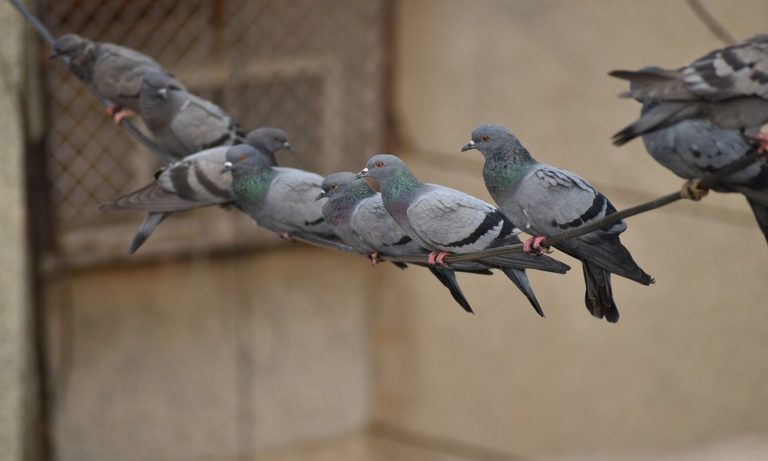
In cities like Des Moines and Cedar Rapids, pigeons are a very common sight. You see them on the ledges of downtown buildings and under the eaves of suburban homes. While these birds might seem harmless, they leave behind a major mess.

Pigeon droppings and nesting materials are more than just an eyesore for Iowa property owners. They carry hidden dangers that can affect your health and the value of your building.

Keeping your property clean is a big job that requires constant attention. Reliable Pest Solutions understands the specific challenges that Iowa families and businesses face when birds move in. They can provide the professional help needed to clear out the mess safely.

The Hidden Health Risks in Iowa Cities

One of the biggest reasons to clean up after pigeons is the risk of disease. Pigeon droppings can carry fungi and bacteria that are dangerous to humans. When the droppings dry out in the Iowa sun, they turn into a fine dust.

If you move this dust while walking or cleaning, you can breathe it into your lungs. This can lead to serious lung issues that feel like a bad case of the flu. In crowded areas of Des Moines or Cedar Rapids, this risk is even higher.

It is important to treat any area covered in bird waste as a health hazard. You should never sweep dry droppings without wearing a mask and wetting the area down first.

Protecting Your Property from Damage

Pigeon waste is very acidic. Over time, it can eat through the paint on your car and the stone on your porch. In our Iowa cities, many older buildings have beautiful brick and limestone. If bird droppings sit for too long, they cause permanent staining.

They can even erode the surface of the building itself. This leads to very expensive repair bills for homeowners. The nests themselves are also a major problem.

Pigeons build nests out of twigs, grass, and trash. These nests often block gutters and drainage pipes. When heavy Iowa rains hit, those clogged gutters overflow and cause water damage to your roof.

Dealing with Secondary Pests

Pigeons do not travel alone. They often carry “hitchhikers” like mites, ticks, and lice. When birds nest on your windowsill or near your vents, these tiny bugs find their way inside. They are looking for a new host, and your family or pets could be next.

Even after the birds fly away, these pests stay behind in the nesting material. If you do not clean up the area properly, you might find insects inside your house. Removing the nest and the waste is the only way to make sure these bugs do not settle into your living space.

Safe Cleaning Practices for Iowans

Cleaning up a pigeon mess requires a lot of care. You should always wear gloves and a protective mask before you start. The best way to begin is by soaking the area with a mixture of water and disinfectant.

This stops the dangerous dust from floating into the air. Once the mess is wet, you can carefully scrape it into a sturdy plastic bag. Be sure to seal the bag tightly before putting it in your trash bin.

After you finish, wash your tools and your clothes thoroughly. Taking these steps helps keep the germs from spreading to the rest of your property.

Preventing Future Bird Problems

Pigeons are creatures of habit, so preventing their return is key. You can use bird spikes, sloped strips, or netting to block nesting spots on ledges and porches. Keeping trash cans sealed also removes food sources that attract them.

If a mess is too large to clean safely, Reliable Pest Solutions can help. Their team provides professional sanitation and installs effective deterrents to keep your Iowa property clean and bird-free for the long term.

Exton, PA, with its charming suburban neighborhoods and wooded outskirts, offers idyllic living, but pests like mice, ants, and spiders see it as prime real estate. These critters exploit gaps in homes, especially during humid Chester County summers. Local services like Presto Pest Control emphasize prevention over reaction, and simple steps can fortify your Exton residence against invasions.

This guide outlines practical, expert-recommended strategies to pest-proof your home effectively.

Seal Entry Points: Block the Front Door

Pests squeeze through tiny cracks, mice fit through dime-sized holes, ants via pencil-lead widths. In Exton’s colonial-style homes with settling foundations, inspect doors, windows, and siding yearly.

Start outside:

  • Caulk gaps around pipes, vents, and utility lines entering your Exton basement or crawlspace.
  • Install door sweeps and weatherstripping; replace worn ones on garage doors facing busy Route 100.
  • Screen vents and chimneys with fine mesh, 1/4-inch hardware cloth stops wasps common in Exton’s green spaces.

Indoors, focus on kitchens and bathrooms:

  • Stuff steel wool into wall voids before sealing; rodents can’t chew it.
  • Fix leaky faucets, standing water draws silverfish in damp Exton attics.

Manage Moisture: Dry Out Invaders

Critters crave humidity; Exton’s variable weather, wet springs, steamy falls, fuels breeding. Roaches need water like we need air, thriving above 50% relative humidity.

Dehumidify proactively:

  • Run dehumidifiers in basements and laundry rooms; aim for 40-50% humidity.
  • Vent dryers outdoors with backdraft flaps to block rodent entry.
  • Slope soil away from foundations; clear gutters to prevent pooling near Exton patios.

In bathrooms and kitchens:

  • Wipe sinks dry nightly; use exhaust fans during showers.
  • Fix foundation cracks promptly, Exton’s clay soils shift, creating moist hideouts.

Dry homes repel termites and centipedes, reducing wood damage risks in older Exton properties.

Secure Food and Trash: Starve Them Out

Pests invade for meals; unsealed crumbs lure ants from nearby Exton farms. Rodents raid pantries, contaminating 10 times what they eat.

Kitchen defenses:

  • Store grains, cereals, and pet food in glass or metal containers with tight lids.
  • Clean spills immediately; vacuum cabinets weekly to nab ant trails.
  • Elevate trash cans on stands; wrap bags before outdoor bins.

Yard vigilance:

  • Compost far from the house; turn piles to disrupt nests.
  • Harvest bird feeders at dusk, spilled seeds attract mice in Exton’s wooded lots.
  • Rinse recyclables; secure lids on garbage pails against raccoons.

Landscape Smart: Keep the Yard Uninviting

Exton’s lush lawns and tree-lined streets harbor pests; overgrown brush funnels them indoors. Trim to deter.

Outdoor routines:

  • Mow grass short; edge against siding to block ant highways.
  • Prune branches 18 inches from roofs, stumps invite carpenter ants.
  • Gravel borders around foundations repel crawling invaders.

Plant wisely:

  • Avoid mulch piles touching walls; use stone instead in flowerbeds.
  • Space shrubs for airflow; wet leaves breed mosquitoes.
  • Remove leaf litter and acorns, stink bugs overwinter in Exton debris.

Regular Inspections and Maintenance: Stay Vigilant

Prevention demands checks; Exton’s seasons shift pest patterns, mice in winter, wasps in summer.

Monthly sweeps:

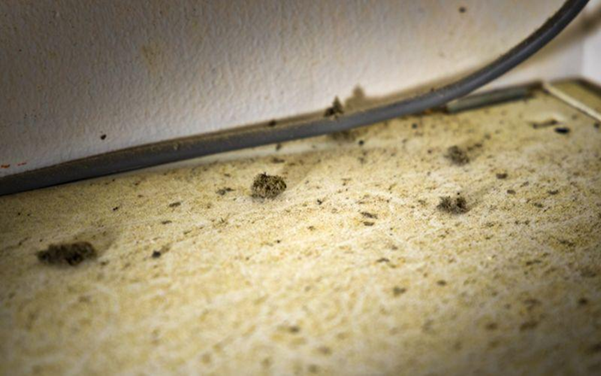
  • Flashlight-attic tours for droppings, nests, or frass (termite poop).
  • Check under sinks for shiny roach egg cases.
  • Monitor garages for mud tubes from termites in stored wood.

Seasonal deep dives:

  • Spring: Clear spider webs from eaves.
  • Fall: Seal nests before spotted lanternflies hatch nearby.
  • Winter: Inspect heating vents for rodent chew marks.

Conclusion: Why Exton Homes Need These Steps Now

Chester County’s growing suburbs mean more pests jostling for space. Unproofed homes face $2,000+ annual damages, chewed wires spark fires, contaminated food sickens kids. Simple habits build resilience, cutting risks without chemicals.

Exton residents, empower your home against critters. Seal, dry, starve, landscape, and inspect, these steps create a fortress. Your peaceful haven awaits.

Owning a home in Seattle means embracing the city’s lush beauty, but also its persistent pest challenges fueled by relentless rain and mild temperatures. From ants marching through kitchens to rodents nesting in damp attics, exclusion, the strategic barrier against intruders, is your first line of defense.

Companies like United Pest Solutions excel here, delivering Seattle-specific strategies that blend prevention with precision. Mastering this art empowers homeowners to create a fortress, minimizing invasions without constant battles.

Why Exclusion Matters in Seattle

Seattle’s microclimate, over 150 rainy days a year, creates moist havens for pests. Exclusion seals vulnerabilities, preventing access rather than reacting to infestations.

Key Seattle pests include:

  • Rats and Mice: Urban roof rats proliferate in garbage-strewn alleys and overhanging evergreens.
  • Ants: Pavement and odorous house ants exploit tiny cracks, thriving on sweet spills
  • Spiders: Hobo and orb weavers lurk in garages, drawn to cluttered, humid spaces.
  • Termites: Dampwood varieties target soggy wood in basements near Lake Washington.

Proactive exclusion cuts infestations by 80%, per University of Washington extension data, preserving your home’s integrity.

Fortify the Perimeter: Exterior Defenses

Start outside, where most pests gain entry. Seattle’s wet winters demand robust barriers.

Essential steps:

  • Seal Cracks and Gaps: Inspect siding, foundations, and vents; use expanding foam for holes larger than a pencil eraser. Rain swells cracks, caulk annually.
  • Screen Openings: Install 1/4-inch mesh on vents, chimneys, and dryer exhausts. Roof rats squeeze through dime-sized gaps.
  • Door and Window Sweeps: Add brush sweeps to garage doors and weatherstripping to frames. Test by sliding paper underneath, if it moves freely, pests can too.
  • Tree and Shrub Trimming: Keep branches 6 feet from the roof; Seattle’s madrones and maples provide pest highways.

Interior Barriers: Everyday Vigilance

Inside, exclusion hinges on habits that deny pests food, water, and shelter.

Adopt these protocols:

  • Kitchen Fortification: Store grains and sugars in glass jars; sweep floors nightly. Seattle’s humidity fosters moldy crumbs that ants detect from afar.
  • Bathroom Moisture Control: Run exhaust fans 20 minutes post-shower and fix drips. Spiders breed in standing water.
  • Attic and Crawl Space Checks: Insulate pipes to prevent condensation; add vapor barriers. Rodents chew insulation for nests.
  • Declutter Ruthlessly: Donate unused items; stack boxes off floors. Pests nest in Seattle basements amid holiday decorations.

Natural Exclusion Tools and Techniques

Embrace low-impact methods that align with Seattle’s eco-conscious ethos.

Effective options:

  • Diatomaceous Earth: Dust baseboards and thresholds, it shreds insect exoskeletons without chemicals.
  • Essential Oils: Peppermint or eucalyptus on entry points repels ants and spiders naturally.
  • Copper Mesh: Stuff it into wall voids; rats can’t chew through it like steel wool.
  • Electromagnetic Repellers: Plug-in devices disrupt rodent navigation in walls, ideal for Capitol Hill rowhouses.

Test efficacy over weeks, adjusting for your home’s layout. These tools support Seattle’s pollinator-friendly ethos.

Monitoring and Professional Reinforcement

Exclusion shines with vigilance. Track success and know when to escalate.

  • Bait Stations and Traps: Place non-toxic monitors quarterly; droppings signal breaches.
  • Seasonal Deep Dives: Spring for ants, fall for rodents, Seattle’s equinox rains trigger surges.
  • Tech Aids: Smart cameras in garages detect early activity; apps log patterns.

For entrenched issues, pros apply industrial-grade exclusions like aerated foam injections. Local experts navigate Seattle’s strict pesticide rules, ensuring compliance.

Sustaining the Art Long-Term

Exclusion evolves with your home.

Integrate it into Seattle living:

  • Annual Audits: Hire certified inspectors post-rainy season.
  • Neighborhood Intel: Share tips via apps like Nextdoor, Queen Anne rat spikes affect blocks.
  • Sustainable Upgrades: Solar attic fans reduce moisture; permeable pavers manage yard runoff.
  • Family Buy-In: Teach kids to report sightings, fostering collective defense.

Ultimately, exclusion transforms pest control from reaction to artful prevention. Your Seattle sanctuary stays serene, letting you savor Pike Place views without worry.

Household pests tend to stay hidden until the situation becomes difficult to manage. Even with regular cleaning, infestations can grow quietly behind walls, under appliances or inside drainage points. Understanding the early warnings helps you act before the problem escalates. Services specialising in pest control in Singapore handle issues linked to hygiene, food safety and long-term property damage, while cockroach pest control addresses one of the most resilient and disruptive household pests. Recognising the signs early protects your home, helps prevent repeated outbreaks and reduces repair costs.

1. Increased Sightings Of Cockroaches At Night

Cockroaches prefer darkness, so spotting one during the day is usually a sign of a growing colony. They hide in drains, cabinets and warm appliances, making them difficult to eliminate using surface-level cleaning. Frequent sightings, even of smaller nymphs, suggest new breeding cycles. Professional cockroach pest control in Singapore identifies harbourage points using tools and safe chemical solutions designed to reach deep crevices. Early intervention prevents rapid reproduction and reduces contamination around food areas.

2. Persistent Unpleasant Odours Around The Home

A musky or oily smell lingering in enclosed spaces can indicate pest activity. Cockroaches, rodents and ants leave chemical trails that become stronger as colonies grow. Homeowners sometimes mistake these scents for general humidity, causing delays in treatment. Once the smell becomes noticeable, pests have likely already settled into hidden corners. A specialist in pest control in Singapore can pinpoint the species causing the odour and recommend targeted solutions that remove the source rather than mask it.

3. Droppings Or Smear Marks On Surfaces

Tiny black specks, coffee-ground-like debris or smear marks along walls and floors are common indicators of pest presence. Cockroach droppings tend to accumulate in warm, dark areas such as behind stoves or refrigerators. These traces are easy to overlook but can trigger allergies and contaminate kitchen surfaces. Proper sanitation helps, yet established infestations require expert handling. Trained technicians inspect structural gaps and apply precise treatments to eliminate pests at their breeding sites.

4. Damage To Packaging Or Stored Food

Unexplained holes in packaging and crumbs around pantry items signal that pests have accessed stored food. Cockroaches, for instance, chew through paper and thin plastic to reach sugar, grains and snacks. While throwing away contaminated products offers short-term relief, the root cause remains. Calling a provider of pest control in Singapore ensures the infestation is addressed fully, preventing recurring contamination and maintaining kitchen safety.

5. Shed Skins, Egg Casings Or Wings

Cockroach skins, egg sacs and wings suggest active breeding. These remnants are commonly found near sinks or inside kitchen cabinets. The casings, known as oothecae, hold multiple eggs, meaning every discovery points to a larger unseen population. Vacuuming may remove visible waste, but does little to stop future cycles. An experienced team can identify these signs accurately and treat surrounding areas to prevent new hatchlings from spreading.

6. Noises Behind Walls Or Appliances

Light tapping, scratching or rustling sounds coming from hidden spaces often indicate pest movements. While these noises are more associated with rodents, heavy cockroach activity can also produce subtle sounds as they travel through tight spaces. Homeowners sometimes dismiss these noises as plumbing or environmental changes. A detailed assessment helps determine whether structural gaps or moisture issues are attracting pests and whether immediate control measures are needed.

7. Recurring Infestations Despite Home Remedies

Sprays, traps and quick clean-ups may reduce surface activity but rarely resolve deeper infestations. When pests keep returning after home treatments, the issue is usually rooted in unsealed entry points or untreated nests. Seeking professional guidance prevents unnecessary frustration. Experts offering cockroach pest control in Singapore use systematic methods that break breeding cycles and prevent pests from migrating into new areas of your home.

Conclusion

Recognising these signs early helps protect your home from structural damage, food contamination and long-term hygiene concerns. When pests appear repeatedly or show signs of infestation, prompt action becomes essential. A reliable service specialising in pest control in Singapore ensures thorough inspection, accurate identification and effective treatment tailored to your home’s needs.

Contact First Choice Pest Specialist for expert solutions and long-term protection using trusted pest control in Singapore.

But hiring a pest control company is a wise investment when it comes to ensuring the safety and security our most important investment: our home. But before that begins, most companies will require you to sign a pest control service agreement. This agreement describes the service, pests to be treated and terms of your rights and responsibilities as our client. Knowing what the fine print says will help you ensure you’re getting the protection and service you want — with no hidden surprises. In this article, Get started with getting to know the summary that can help you interpret and get the most out of your Reston pest control service agreement.

Know What Pests Are Covered

By far one of the most critical portions of this type of service agreement is the covered pests list. Many pest control contracts don’t cover all pests. Although general pests such as ants, spiders, cockroaches, and mice are usually covered in general service agreements, more problematic pests such as termites, bedbugs and wildlife require an additional service or specific treatment. If you’re worried about specific pests that are prevalent in Reston — like mosquitoes in the summer, or stink bugs in the fall — confirm that they’re included in the contract. If they’re not, inquire about adding them, or whether a separate treatment plan is needed.

Get to Know the Service Frequency and Duration

Pest control contracts commonly include a schedule of how frequently treatment will occur and for how long. It might be monthly, bi-monthly or quarterly, depending on the needs of your home and local pest activity. In Reston’s fickle weather, you may need to come a bit more frequently in the high seasons. Be clear about whether the contract is for just one job, for a certain period of time (one client of mine puts clients on a 12-month contract, which auto-renews), or a recurring contract.

Read the Guarantee or Warranty

A good pest control firm will usually have some sort of guarantee. That means if those pests come back within a certain time frame after treatment, the company will return to retreat your home at no cost to you. Here is what you will want the agreement to specify:

  • What is covered by the warranty
  • How long the guarantee is (usually 30 to 90 days)
  • Re-treatment scheduling process

In Reston VA, where pests that are seasonal could be quick to return, this guarantee helps to establish peace of mind.

Explain How Pricing and Payment Works

A pest control contract with good wording, can prevent misunderstandings and complaints from occurring. This will include the price for each visit or service, any initial inspection fee, and whether you’ll be charged separately for certain treatments or types of pests. Be sure to also check:

  • When payment is due (upon service or on a payment schedule)
  • If there’s a cancellation fee
  • If there are any incentives, such as a discount when you pay the full amount upfront, or if you sign a longer contract

Some companies in Reston may give you a bundle pricing or specials for homeowners which are known to have a problem with pests, especially if the latter is present during the peak pest seasons in Reston. So it’s a good idea to ask about it before you sign their contract and finally hire them.

A pest control service contract or agreement is an important paper that safeguards both the owner and the company. By taking the time to look at each section — especially the pests included, service frequency, guarantee, price and legal terms — you will be in a better position to select the right company and prevent any unwelcome costs or areas without coverage. In Reston, where the types and levels of pest activity can change with the seasons, this commitment is even more crucial, and with pest-prevention service customized according to the conditions of your community, no one knows Reston better.

If you think your home is immune to pests, you are mistaken. Reston is a great place to live, but when it comes to pests, residents encounter all kinds of species. It’s a common misconception that pests only enter dirty homes. The truth is something else – Most pest species need a place to hide and food sources to survive, and as long as insects and bugs can find a way, they will get in. How can you deal with pests in Reston? The answer lies in professional assistance. While many companies offer services here, we have enlisted the critical aspects that matter when choosing a pest exterminator.

  • Always go for a trusted service: Almost all pest control services claim to be the best in the industry, making it hard for consumers to make the right choice. If you can get references from someone you know, consider those choices. Alternatively, check what other customers are saying. Reviews on social media sites and Google, along with ratings on independent sites, are useful for comparing companies. Look for patterns – Do most complaints sound the same? 
  • Safety first: Pest control is an inherently risky field, and unless the exterminators are trained, experienced, and insured, you cannot trust them. When you work with a professional company, ask about the measures they take to counter the common concerns associated with pest control. The company must have liability insurance to cover any damages caused to your home during the work.
  • Green solutions: Many people don’t want to call exterminators because they are worried about the risks of pesticides and chemicals. Fortunately, the business has changed drastically, and over the years, companies have drastically invested in better products and methods. Today, pest experts don’t just focus on killing insects or rodents. Instead, the idea is to use safe and green products that are better for your home and the environment. You can always ask whether their solutions are kid and pet-friendly. 
  • Quick services: Pest infestations only get worse with time, and while finding rodents in your house may not sound like a ticking bomb, you still have to act soon. Ensure that you call the experts on the same day and schedule an assessment of your property. An inspection and immediate remediation can prevent the infestation from getting worse. 
  • Evaluate estimates wisely: Homeowners often choose the cheapest pest exterminator they can find, only to feel sorry later. When it comes to something as serious as pest control, you should focus on the value of service and not the price. Check what is included in the contract, if they have offered a guarantee, and whether they would offer preventive pest control. 
  • Consider periodic services: Make sure that you spend on seasonal and yearly pest control. Typically, we only think of exterminators or pest control when there is a major issue at hand. Instead of being reactive, think of getting the property checked by experts from time to time, and as they recommend suggestions and tips, ensure that you follow the same. For example, simple steps like cleaning the clutter and landscaping the yard can make a difference in pest activity.  

Proactive pest control – Your home deserves the best!

Teaming with the right pest exterminator can change the way you deal with bugs and rodents. If you notice signs of any species, get help and fix the infestation before things get worse. Also, spending a tad more on preventive measures and regular home cleaning can be useful in avoiding extreme situations where pests, especially rodents and termites, damage your home. Consider spending on keeping a pest-free home rather than losing money on medical bills and property repairs. 

Bed bug infestations are on the rise in homes, hotels, and apartment buildings across the United States. These sneaky pests can be very hard to catch in the early days, so they will often be hiding in mattress seams, gaps in furniture, and wall voids during the day. Conventional inspection approaches are labor-intensive and can overlook early infestations. Meet the latest allies in pest detection: specially trained dogs. These four-legged weenies are changing the game for pest control pros, helping them find and prove bed bugs are there. 

Dog inspection teams are now a powerful weapon in the battle against these resilient parasites, with detection accuracies as high as 97% in controlled studies. Using a unique blend of a dog’s super sense of smell with specific training methods, this method can provide a fast and reliable detection solution and help Exterminator in Rockwall.

Can Dogs Sniff Bed Bugs?

Yes, dogs are able to sniff out bed bugs with great accuracy. Bed Bug Dog Their acute sense of smell allows dogs to identify the exact pheromones and scents emitted by bed bugs, even when they are hiding in small numbers or hard-to-reach areas.

Dogs have about 300 million olfactory receptors compared to only 6 million in humans, giving them 10,000 to 100,000 times the sensitivity — if not more. With the proper training, dogs are able to detect insects with an accuracy rate of 95-98% in a controlled environment. This sensitivity allows them to detect as few as one or two live bed bugs or viable eggs, sometimes even before visual signs of an infestation appear. They are able to search a room in 2-3 minutes on average, an athletic gain compared to, for instance, the visual inspection, which could take 20-30 minutes per room with a lower detection rate. 

How Dogs Sniff Bed Bugs? 

Training Methodology

These dogs are required to finish 800-1,000 hours of training before they can work as professional bed bug detection dogs. Dogs are rewarded when correctly identifying the scent of live bed bugs or viable eggs based on positive reinforcement techniques. Training starts with basic scent identification and grows in complexity until it includes realistic situations with multiple distractions. To maintain a consistent quality of detection abilities, the NESDCA and World Detector Dog Organization (WDDO) have created certification standards.

Inspection Process

Handlers methodically move their canine partners through the designated areas during an inspection. When they pick up a bedbug scent, the dogs are trained to give a specific alert sign — usually a sit or down. Professional teams follow strict protocols to avoid contamination between inspection sites. The handler guides the dog through an inspection, encouraging the dog to check particular areas while watching for the dog’s “indications” that an explosive has been located. According to research, canine teams can check 20 rooms per hour, while traditional visual inspection can check only 2-4 rooms per hour.

Accuracy Factors

Detection accuracy is affected by several factors. The breed of dog is less important than its individual aptitude—the beagle, labrador, and Belgian Malinois are commonly used. Handlers must have ongoing training and practice with known samples to maintain their skills. Performance can be affected by environmental issues, from extreme temperatures to competing odors to the handler effect. Trained dogs can maintain accuracy rates above 90 percent under ideal working conditions. In comparison, their accuracy in more challenging environments can drop to around 80-85 percent yet still remain significantly more accurate than simply relying on human visual inspection.

Offering an alternative to traditional pest control methods, these specialized teams emphasize efficiency, precision, and non-invasive inspection techniques. Bed bug infestations plague owners of residential and commercial properties nationwide, and highly trained detection dogs offer an early warning system, saving thousands of treatment costs with early intervention. 

There are various types of bees in Pasadena. However, yellow jackets can be one of the worst ones you may need to patrol for. They are among the most aggressive ones, creating a high tendency to bite and cause problems. If you see yellow jackets on your property or want to prevent them in the future, you should get pest control services. 

As long as you stay away from their hives, yellow jackets should not be much of a problem. What is the worst that can happen? These bees can build their hive in your yard. The good news is that you can control them even without hiring a professional. There are a few steps involved in the process. However, to hire a professional, Click here now

Tips for getting rid of yellow jackets.

  • Apply a spray treatment.

The most common method for controlling yellow jackets around your property is to apply a spray solution. Seek an aerosol spray that has a long-range jet sprayer to ensure you are sufficiently away from the wasp nest or hive. Buy enough spray to cover the nest completely. Then, continue to spray every day until the nest is completely gone.

  • Use yellow jacket traps.

If you wish to get rid of Yellow Jackets but are unable to locate their nest, Yellow Jacket traps come in handy. When using the Yellow Jacket Trap, use a meat or fruit juice lure. This trap is very useful during cookouts or picnics as it draws these insects away from you and kills every insect that falls into the trap. Make sure to keep the trap away from you as you want to lure these pests into the trap. 

Is Your Perimeter Pest Control Strategy Effective? What to Look For

  • Destroy the nests.

Destroying a yellow jacket’s nest is a direct and risky approach. Therefore, make sure you are wearing protective clothing and carrying the correct equipment. If you are destroying a ground nest, it is recommended to wait until nightfall as yellow jackets are less active during this time. 

Pour the mixture of peppermint soap and water, followed by boiling water, into the nests. Make sure you are completely covered in protective clothes while performing this task, as these jackets will swarm.

  • Eliminate their possible food source.

Limiting yellow jackets’ access to food is another way to get rid of them. Food that has been left outside uncovered compost piles and open garbage cans should all be covered or removed. Yellow Jackets have a good memory of the food source’s location and will return to that area to search for food again and again. Therefore, make sure to empty and clean the trash cans frequently.

As a homeowner, you would never wish to see a rat or mouse in your house. But if you do, this means you might have a more serious rodent issue. This is particularly the case if you spot a rat or mouse during the day. Rodents are active at night as they want to avoid humans, so seeing a few of them during the daytime means the rodent issue has become a serious one. When this happens, you need a pest control expert from Saela Pest Control to assess your rodent situation and treat it effectively. 

Saela Pest Control

Why You Should Be Worried About Rodents

Rodents are a serious issue because they carry dangerous diseases that they can transmit to people through their bites, feces, urine, and scratches. Diseases like hantavirus, salmonella, Leptospirosis, and rat-bite fever are examples of diseases rats and mice can transmit. Also, rodents can attract other pests such as ticks and fleas that can cause health issues for people. 

Additionally, Denver offers a perfect habitat for rodents to thrive. With the warm climate and the presence of wooded areas and parks, these pests have many sources of food and shelter to tap into. Plus, food sources are abundant in urban areas. 

Mice and rats can compromise your home’s structures. They have strong teeth they chew constantly through wood and electrical wires, causing expensive repairs and possible fire hazards. Furthermore, rodent droppings and urine can carry an unpleasant odor that can impact your home’s air quality. 

Preventing a Rodent Infestation

There are things you can do to prevent rats and mice from setting up camp in your house. These include the following:

  • Seal up entry points. To ensure rats and mice cannot get into your home, seal up any openings they can use. Check the vents and pipes and use expanding foam or caulk to close these openings. Ensure the windows and doors have tight seals. You can prevent taps by adding weather stripping. Do not forget to check the basement and attic for openings that could allow rodents to sneak in. 
  • Clean up the yard. Mice and rats hide in cluttered places, so keeping the yard tidy will minimize the risk of a rodent infestation. Eliminate piles of debris or leaves and trim the lawn regularly. Ensure there is no standing water available in the yard because it can draw rodents and other pests. To prevent rats and mice from getting into your compost pile, contain it properly. 
  • Get rid of possible food sources. Rats and mice are drawn to food sources such as your food and trash. To prevent them from trying to gain entry into your home, eliminate these food sources. You can do this by storing food in airtight containers and cleaning the counters and floors regularly. 
  • Inspect your home for rodents regularly. To prevent a serious rodent infestation from developing, you must catch the problem early. Pay attention to signs of rodents like droppings, the presence of nest materials, and chewed-up wires. If you think rodents have taken up residence in your house, set up traps or contact a pest control service. Rodent inspection is best done by experts as they know where exactly rodents hide and enter your house.