Archive

August 2024

Browsing

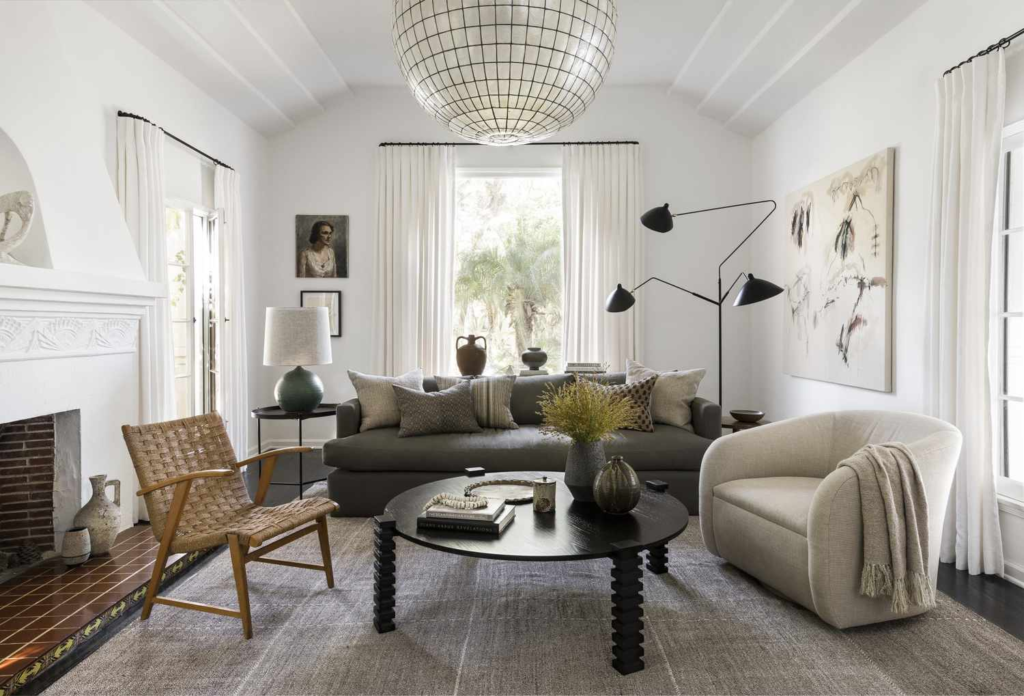
Selecting durable furniture that endures both time and trends is a crucial aspect of home design. Investing in high-quality pieces not only ensures longevity but also enhances the aesthetic and functional appeal of your living spaces. This guide outlines essential factors to consider when choosing house furniture that will remain resilient and stylish for years to come.

1. Understanding the Importance of Material Quality

Wood

When it comes to durability, the material of your furniture is paramount. Solid wood, such as oak, maple, and walnut, is known for its strength and long-lasting nature. Unlike particleboard or medium-density fiberboard (MDF), which may deteriorate over time, solid wood furniture can withstand daily wear and tear. It also ages gracefully, often developing a rich patina that adds character to your home.

Metal

Metal furniture, particularly those made from stainless steel, wrought iron, or aluminum, offers excellent durability and a sleek, modern aesthetic. These materials resist corrosion and are less likely to warp or crack over time, making them ideal for both indoor and outdoor house furniture.

Upholstery

For upholstered pieces, consider fabrics like leather, microfiber, or high-quality synthetic blends. Leather is particularly durable and can last decades with proper care, while microfiber is resistant to stains and easy to clean. Ensure that the upholstery is tightly woven, as loose weaves are more prone to wear.

2. Examining Construction and Craftsmanship

Joinery

The way furniture is constructed plays a significant role in its durability. Look for pieces with strong joinery methods, such as dovetail joints or mortise-and-tenon joints, which provide superior strength compared to glued or stapled joints. High-quality house furniture often features solid, well-crafted joinery that can withstand the test of time.

Reinforcements

In addition to joinery, check for reinforcements like corner blocks or brackets that add stability to the structure. These are often found in well-made tables and chairs, where they prevent wobbling and ensure the piece remains sturdy over the years.

Finishes

A durable finish not only enhances the appearance of furniture but also protects it from damage. For wooden pieces, a high-quality finish such as lacquer or varnish can shield the wood from moisture, scratches, and UV rays, prolonging the life of the furniture. For metal, a powder-coated finish offers resistance to rust and corrosion.

3. Assessing Comfort and Functionality

Ergonomics

While durability is crucial, comfort should not be overlooked. Ergonomically designed furniture ensures that you maintain proper posture and reduce strain during use. This is particularly important for house furniture like chairs, sofas, and beds, which are used frequently. Choose pieces that offer adequate support and cushioning to promote long-term comfort.

Versatility

Versatile furniture that can adapt to different uses or spaces can also enhance its longevity. For example, a sturdy dining table that doubles as a workspace or an ottoman with hidden storage adds value and functionality to your home. Such multi-purpose pieces are often built to endure frequent use, making them a smart investment for durability.

4. Prioritizing Timeless Design Over Trends

Classic Styles

While trendy furniture may be appealing, it often lacks the staying power of classic designs. Opt for timeless styles that transcend fleeting trends and maintain their appeal over decades. Furniture with clean lines, neutral colors, and minimalist detailing tends to remain stylish and versatile, making it easier to incorporate into evolving interior designs.

Customization Options

Consider furniture that offers customization options, allowing you to update or modify pieces over time. For instance, a solid wood table with removable legs or an upholstered sofa with replaceable covers can be refreshed as styles change, without compromising the original structure.

5. Evaluating Maintenance and Care Requirements

Ease of Maintenance

Durable furniture should be easy to maintain, ensuring it stays in excellent condition with minimal effort. For example, choose materials that are resistant to stains, scratches, and other common forms of wear. Wood furniture can benefit from regular polishing and conditioning, while upholstered pieces should be vacuumed and spot-cleaned to preserve their appearance.

Professional Maintenance

Some high-quality furniture may require occasional professional maintenance, such as reupholstering or refinishing. While this may involve additional costs, it can significantly extend the life of your furniture, making it a worthwhile investment in the long run.

6. Making a Sustainable Choice

Environmentally Friendly Materials

Opt for furniture made from sustainable materials, such as FSC-certified wood or recycled metal, which not only ensures durability but also supports environmental conservation. Sustainable house furniture is often crafted with greater attention to quality and longevity, reducing the need for frequent replacements.

Ethical Manufacturing

Choose brands that prioritize ethical manufacturing practices, ensuring that your furniture is made with care and respect for both the environment and workers. This commitment to quality and sustainability often results in more durable and well-crafted products.

Conclusion

Choosing durable furniture that stands the test of time involves careful consideration of material quality, construction, design, and maintenance. By investing in well-made, timeless pieces, you can create a home environment that is both beautiful and resilient. Whether you’re furnishing a new space or updating your existing home, prioritizing durability in your house furniture will ensure that your investment pays off for years to come.

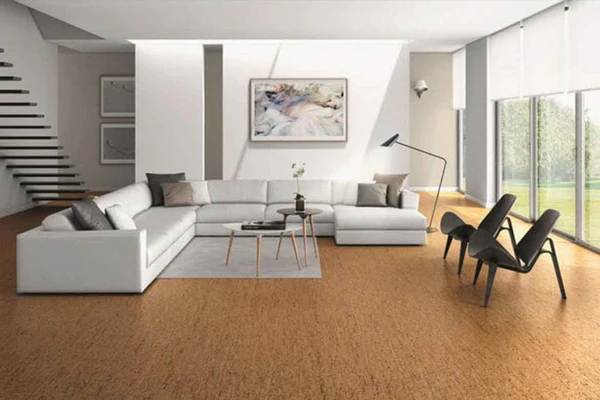
 

In the realm of kitchen renovations, eco-friendly flooring options are gaining traction, appealing to homeowners who prioritize sustainability without sacrificing style. Modern advancements in flooring technology are broadening the horizons for those looking to make environmentally responsible choices. Here’s a look at some of the top eco-friendly kitchen flooring materials that offer both durability and design versatility.

Bamboo: Fast-Growing and Durable

Bamboo flooring is a favourite among eco-conscious homeowners due to its rapid regrowth rate and hardwood-like qualities.

Advantages of Bamboo Flooring

  • Sustainability: Bamboo can regenerate to its full mass in just six months, making it a highly renewable resource.
  • Strength and Durability: It is harder and more durable than many traditional hardwoods, making it suitable for the high traffic of kitchens.
  • Style Versatility: Bamboo flooring comes in various shades and can be stained to fit any kitchen style.

Cork: Soft and Sustainable

Cork is not only sustainable but also offers unique benefits that are particularly advantageous for kitchen settings.

Advantages of Cork Flooring

  • Eco-Friendly Material: Cork is harvested from the bark of the cork oak tree, which regrows, making it a sustainable choice.
  • Comfort and Safety: The softness of cork provides comfort underfoot and can relieve strain from standing. It’s also naturally fire retardant.
  • Noise Reduction: The porous nature of cork helps in reducing noise, a beneficial feature for busy household kitchens.

Eco-Friendly Floors

Recycled Glass Tiles: Vibrant and Versatile

For those looking for a bit of sparkle and vibrancy, recycled glass tiles offer an eco-friendly way to add colour and reflect light in the kitchen.

Advantages of Recycled Glass Tiles

  • Reduced Waste: Made from recycled bottles and other glass products, these tiles keep glass out of landfills.
  • Wide Range of Colours: Glass tiles come in a plethora of colours and designs, perfect for creating a custom backsplash or flooring.
  • Easy to Maintain: Glass tiles are non-porous and resist stains and spills, making them ideal for the mess-prone kitchen environment.

Linoleum: Natural and Biodegradable

Linoleum is experiencing a resurgence, gaining popularity for its sustainable ingredients and retro appeal.

Advantages of Linoleum Flooring

  • Made from Natural Materials: Linoleum is made from linseed oil, wood flour, and jute, all of which are natural and biodegradable.
  • Durability: It is incredibly durable and can last up to 40 years if properly maintained.
  • Antibacterial Properties: Linoleum is naturally antibacterial, making it a great flooring option for kitchens.

Making the Eco-Friendly Choice

When selecting the best eco-friendly flooring for your kitchen, consider the sustainability of the material as well as its performance in a high-use area like the kitchen.

  • Consider Your Lifestyle: Think about your kitchen’s traffic and activities. Materials like bamboo and linoleum are durable and can handle more intense usage.
  • Aesthetic Fit: Choose a material that complements the design of your kitchen. Recycled glass tiles can add a modern touch, while bamboo provides a classic warmth.
  • Maintenance Needs: Go for flooring that matches your willingness to maintain it. Cork and linoleum require regular sealing to stay waterproof and durable.

Opting for eco-friendly kitchen flooring doesn’t mean compromising on style or functionality. Materials like bamboo, cork, recycled glass, and linoleum not only offer beautiful, unique flooring options but also promote a healthier environment through sustainable practices. Choosing one of these materials ensures your kitchen floor is not only visually appealing but also a testament to your commitment to environmental conservation.

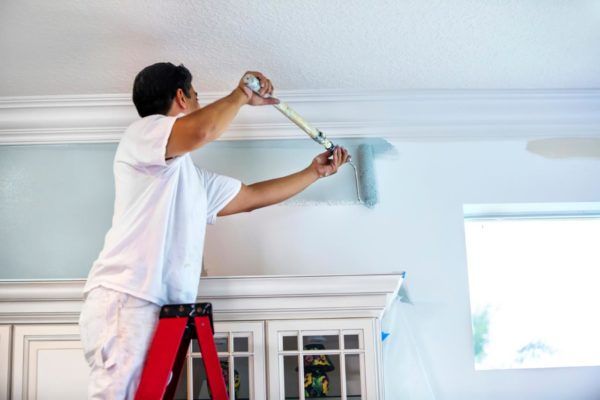
Painting your house is one of the best ways of changing the entire outlook of the house. Although most homeowners want to do their painting projects on their own, several benefits come with hiring professional painters. 

In all aspects ranging from quality guarantee to time and energy saving, professional painting services can go a long way. In this article, you will be able to learn about the advantages of professional painting services as well as how they will be able to improve the appearance of your home.

Superior Quality and Expertise

When one hires professional house painter contractors, they are likely to get a quality result that may not be achievable when doing painting projects on their own. They possess all the skills, experience, and equipment that should enable them to give the best finishes and work. Whether it is simply painting a room or painting the whole house, professionals make sure that every detail of the project is well done to achieve professionalism.

Time and Effort Savings

Painting is often a lengthy process and it also involves a considerable amount of effort. Through outsourcing for professional painters, a lot of time and energy can be conserved. While painting, professionals take care of everything, including preparation for work and cleaning, so you do not have to spend time on it. This is particularly advantageous when working on large projects or when deadlines are tight.

Access to High-Quality Materials

Professional Painters

Professionals are also equipped with better materials and equipment which makes it easier for them to deliver a long-lasting and great-looking painted surface. They can advise you on which products meet your requirements and will retain their color and shine for years to come. Employing high-quality paints and other materials not only gives your home a better look but also shields it from degradation in the long run.

Proper Preparation and Cleanup

Something very important that should not be overlooked when painting involves preparation and cleaning up. Specialized painters take their time to prepare surfaces and fix all the defects that may characterize a particular surface to make sure that the paint will stick properly. They also clean up all the debris ensuring your home is tidy and ready for use at an additional cost. This attention to detail ensures that homeowners will not have to go through any unnecessary stress.

Cost-Effective Solutions

Although it may seem expensive to hire professional painters, it can be beneficial in the long run because it saves a lot of time. They can easily quantify the amount of paint and other materials required for a project, thus cutting costs and wastage. Also, working with such professionals can save more money since they are not only efficient but also avoid mistakes that would require redoing the job more than once.

Conclusion

To sum up, professional painters have many advantages that go beyond having a house with an amazingly painted surface. From quality and time to access to quality materials and preparation, professional painters are able and ready to transform your home with efficiency. With professional painting services, one is guaranteed a very professional, durable paint job that adds value to their home.