
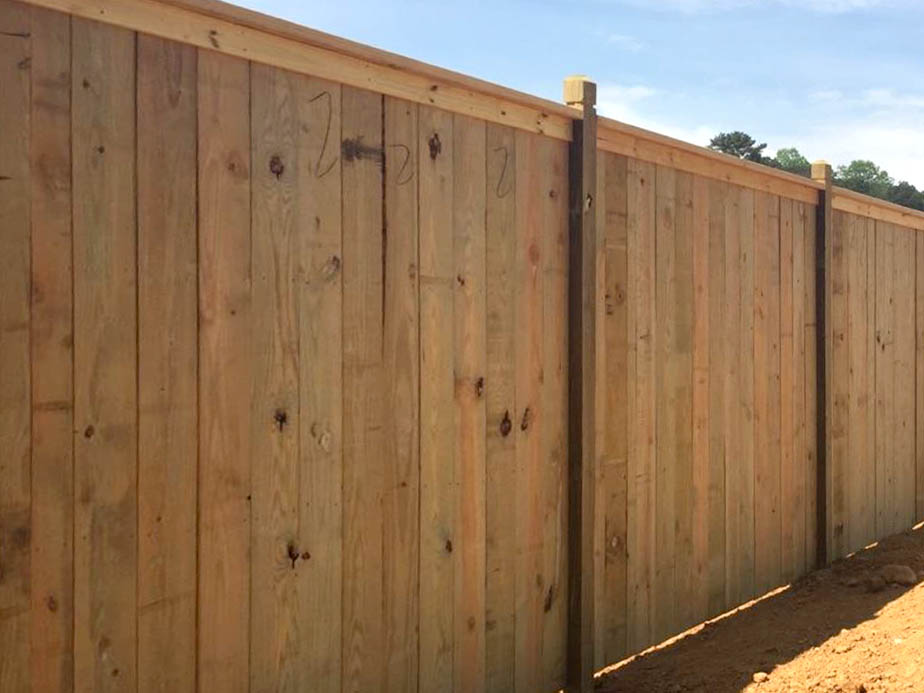
Many neighborhoods in Boise, like the North End and Bench District, deal with more noise pollution than others. Commercial zones and busy streets can affect homeowners in the area. If you are looking to address these concerns, sound barrier fencing can help with both privacy and quietness. Homeowners dealing with older fencing may also need chain link fence repair before adding or upgrading sound barrier solutions.
What are Sound Barrier Fences?
As the name suggests, sound barriers are fences designed to block/reflect noise inside a property. These fences have dense materials and are taller, which makes them a feasible option for many areas in Boise. If countering traffic, construction, wind and irrigation noise is your first goal, this is what you need over traditional options.
Advantages at a Glance
First, these fences reduce noise and enhance comfort. Whether you want to enjoy some family time on the patio or prefer to enjoy bonfires in the yard, this is the best way to keep the busy world away. Secondly, concrete fences and sound barriers are investments. If you ever decide to sell the property, you will find buyers more interested in this, making your house a hot option in the local real estate market. Because such fencing uses concrete or dense panels, durability is always assured, especially in the harsh winters of the city. Once installed, you don’t have to worry much about maintenance, as repairs are rarely needed. Compared to older fences and wood, this is a better option.
Key Considerations Before Installation
Work with your installer to plan the project. The first aspect to consider is the height of the fence that is necessary to block noise. The material is the second element, and you can choose between concrete panels and composite, depending on what the budget allows. Installers will also consider the site conditions, which may add to the work. The list includes slopes, soil conditions, frost depth, drainage, and wind exposure. Remember, in some areas and HOAs, there may be height restrictions, and you may need additional permissions, which the installer can help with.
Typical Installation Process
After the site survey, the installers will share options for materials, finishes, and color. Once you approve these details with the estimate, technicians will plan footings and drainage. The prep work can take time, considering they have to first remove older fences, mark utilities, and clear the site. The next step is to dig footings, which is followed by reinforcing posts and catering to drainage needs. If everything is finished in order, they will install panels. Sealants and expansion joints will be used where needed. The finishing touches are about textures and other aesthetic details. You can expect a final inspection, where the team will explain all aspects of maintenance and share more details about guarantees.
Cost Factors
Several factors determine the cost of sound barrier fences, but in general, this is a more expensive choice compared to wood and vinyl. Standard panels cost less than decorative finishes, while fence height and length also add to the cost. If there is more site work required, you will have to pay more. Customizing designs can mean spending more, while you will also have to pay for permits where necessary.
When you work with a sound barrier fence installer in Boise, ask for a clear estimate and check what is included. If you are promised a discount or the company offers a lifetime warranty, these details should be included in the quote. Ensure the team is responsible for the cleanup after installation.

Comments are closed.