Author

Weston

Browsing

Lighting is more than just a way to brighten a room—it’s the silent architect of atmosphere. The right lighting can turn a cold space into a warm retreat, enhance focus in a workspace, or add drama to an otherwise neutral setting. It has the power to evoke emotion, influence perception, and define the character of a room. Yet, achieving the perfect lighting isn’t just about choosing beautiful fixtures; it’s about layering light to create depth, balance, and mood.

A single overhead light rarely does a space justice. Without layers, rooms can feel flat, overly bright, or uninviting. Layered lighting transforms interiors by combining different sources of light—each with its own purpose—to create ambiance, functionality, and depth. Whether it’s a dimly lit living room for movie nights, a bright and efficient kitchen workspace, or a softly illuminated bedroom for relaxation, layered lighting ensures that a space serves multiple needs while always feeling inviting.

Every space should have the ability to shift in mood depending on the occasion. Bright, cool lighting fosters alertness, making it ideal for offices and kitchens, while warm, dim lighting induces relaxation, perfect for living rooms and bedrooms. By strategically layering ambient, task, and accent lighting, you can tailor a space’s emotional tone while ensuring practical functionality.

How Light Affects Mood, Perception, and Energy

Lighting has a direct impact on mood, energy levels, and even circadian rhythms. Bright, cool-toned lights enhance focus and productivity, while soft, warm lights signal relaxation. Poor lighting can cause fatigue, stress, and discomfort, while well-layered lighting fosters well-being and positive emotions.

Understanding the Basics of Layered Lighting

Layered lighting is the strategic use of multiple light sources to create a well-balanced space. Instead of relying on a single fixture, it blends different types of lighting to add dimension, focus, and flexibility. The three main types of lighting that form a complete layer are:

  • Ambient lighting – The base layer that provides general illumination.
  • Task lighting – Focused light for specific activities like reading, cooking, or working.
  • Accent lighting – Decorative or directional lighting that adds drama and highlights focal points.

What is Ambient Lighting and Why Does it Matter?

Ambient lighting is the base layer of illumination in a room, ensuring even brightness without harshness. It prevents a space from feeling gloomy or overly stark while serving as a foundation for additional lighting layers. To avoid harsh, clinical lighting, opt for fixtures that diffuse light rather than direct it sharply. Consider:

  • Recessed ceiling lights with dimmers
  • Large pendant lights with frosted glass shades
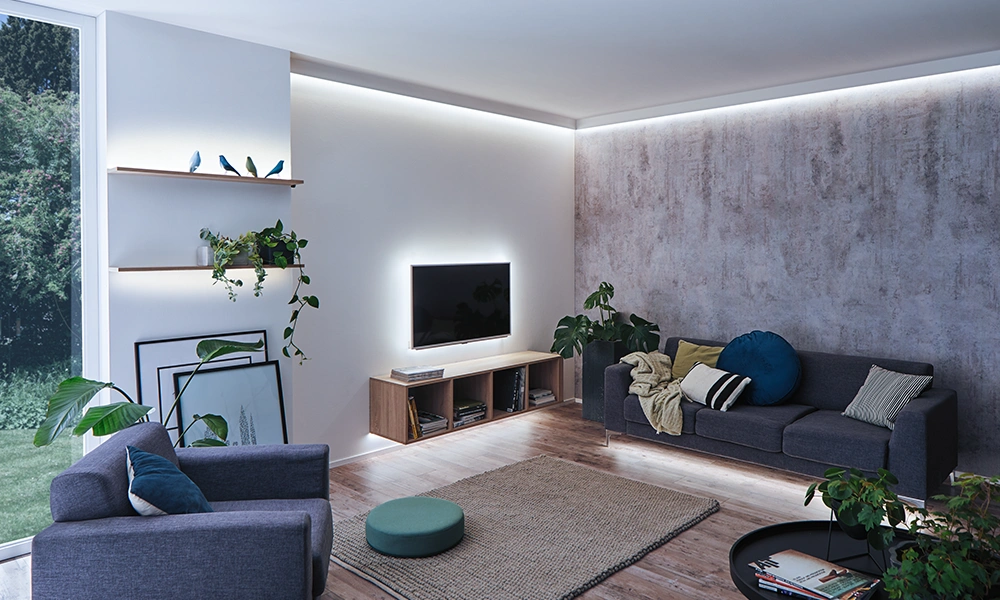
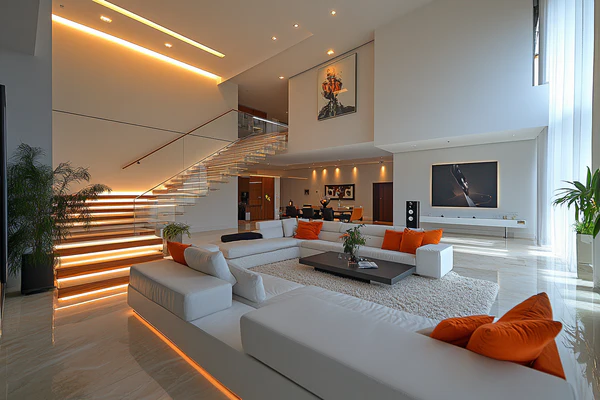
  • Indirect lighting solutions like cove lighting

Ambient lighting can come from a variety of sources, including:
Layered Illumination

  • Chandeliers for elegance and general illumination
  • Flush mount and semi-flush ceiling lights for even brightness
  • Recessed lighting for a modern, unobtrusive glow

What is Task Lighting and Where Do You Need It Most?

Task lighting provides focused illumination for specific activities such as reading, cooking, and working. It eliminates shadows and ensures that workspaces remain well-lit and functional.

Kitchen Task Lighting:

  • Under-cabinet lighting illuminates countertops, reducing shadows.
  • Pendant lights over kitchen islands provide stylish, targeted lighting.
  • Recessed spotlights ensure even brightness for food prep.

Task Lighting in the Home Office:

  • Adjustable desk lamps help direct light exactly where needed.
  • LED strip lighting behind monitors reduces glare.
  • Natural light balance prevents screen reflections.

Task Lighting in Bathrooms and Dressing Areas

  • Vertical vanity lights eliminate shadows on the face.
  • Backlit mirrors provide even illumination.
  • Bright but warm-toned bulbs ensure natural skin tone reflection.

What is Accent Lighting and How Does it Elevate a Room?

Accent lighting adds depth, highlights design elements, and introduces ambiance. It turns an ordinary space into an elegantly curated environment. Examples include:

  • Adjustable spotlights direct attention to art and sculptures.
  • Picture lights highlight framed prints, adding sophistication.
  • Wall sconces add a layer of warmth and soft illumination, perfect for hallways, reading nooks, and beside beds.
  • Cove lighting creates a floating ceiling effect.
  • LED strip lights under furniture give a subtle glow.
  • Floor lamps in corners add a sense of depth.

Choosing the Right Light Temperature for the Perfect Mood

  • Warm light (2700K-3000K) creates a cozy, relaxing atmosphere.
  • Neutral white (3500K-4000K) is ideal for task-oriented areas.
  • Cool light (5000K-6000K) promotes focus and energy.

How to Instantly Set the Mood with Dimmers and Smart Lighting

Lighting isn’t just about brightness—it’s about flexibility and control. The ability to adjust lighting levels instantly transforms the mood, functionality, and ambiance of a space. Whether you’re setting the scene for a cozy evening, a focused work session, or a lively gathering, dimmers and smart lighting allow you to customize illumination to fit the moment.

The Power of Dimmers: Adjusting Brightness for Any Occasion

Dimmers provide seamless transitions between lighting intensities, ensuring that a space is neither too bright nor too dim for the task at hand. With a simple slide or turn of a knob, you can:

  • Lower the lights for a warm, intimate dinner
  • Brighten a room for reading or focused work
  • Create a soft, ambient glow for relaxation in the evening

By incorporating dimmable bulbs and switches, you eliminate the harsh contrast of “on” or “off” lighting, allowing for a more fluid, adaptable lighting experience.

Smart Lighting: Total Customization at Your Fingertips

Smart lighting takes convenience a step further by offering app and voice-controlled adjustments. With just a tap on your smartphone or a voice command to a smart assistant, you can:

  • Turn lights on or off remotely
  • Adjust brightness levels without leaving your seat
  • Change light colors to match the mood—warm hues for relaxation, cool tones for focus
  • Schedule lighting changes to align with your daily routine

Preset Lighting Scenes: One-Touch Mood Control

Smart bulbs allow users to create and save preset lighting “scenes” for different activities. With a single click, you can instantly:

  • Set a soft, warm glow for bedtime
  • Brighten workspaces for productivity during the day
  • Dim the lights and add a subtle hue for movie night
  • Switch to energizing daylight tones for morning routines

Dimmers and smart lighting remove the rigidity of traditional lighting setups, giving you the power to instantly shift the mood, improve comfort, and enhance the way you interact with your space.

Conclusion

Layered lighting is an essential design element that shapes how we experience and interact with a space. By blending ambient, task, and accent lighting, we can create functional, inviting, and visually stunning environments. Whether enhancing relaxation, boosting productivity, or simply making a space feel more refined, the right combination of lighting transforms any room instantly.


 

Finding the perfect AC temperature is a balancing act. Set it too high, and you’re sweating. Set it too low, and your energy bills skyrocket. So, what’s the ideal temperature to keep your home comfortable without draining your wallet? Let’s break it down.

The Sweet Spot for Comfort and Savings

According to the U.S. Department of Energy, the magic number is 78°F when you’re home. This setting provides a good mix of comfort and efficiency. But if 78°F feels a little warm, try lowering it by a degree or two and see how you feel. Small adjustments can make a big difference in your comfort and energy costs.

When you’re away from home, bumping up the temperature to around 85°F can help cut down on cooling costs. At night, lowering the thermostat to between 60°F and 67°F can help improve sleep quality.

Smart Ways to Maximize Comfort

If 78°F doesn’t sound cool enough, don’t worry! There are ways to make your home feel cooler without cranking up the AC:

  • Use Ceiling Fans – Fans don’t lower the temperature, but they create a wind-chill effect that makes you feel cooler.
  • Close the Blinds – Keep blinds or curtains closed during the hottest parts of the day to block out the sun’s heat.
  • Limit Heat-Producing Activities – Cooking on the stove, running the dryer, or using the oven can all raise indoor temperatures. Try to do these in the evening when it’s cooler.
  • Seal Leaks – Check for gaps around doors and windows. A well-sealed home keeps cool air in and hot air out.

Programmable and Smart Thermostats

Want to save even more? A programmable or smart thermostat can automatically adjust temperatures based on your schedule. For example, it can raise the temp when you’re out and cool things down before you get home. Smart thermostats even learn your habits and adjust settings for maximum efficiency.

Regular Maintenance for Peak Performance

Even if you set the thermostat to the perfect AC temperature, your AC won’t run efficiently if it’s not well-maintained. Keep your system in top shape by:

  • Changing the air filter every 1-3 months.
  • Scheduling regular tune-ups to keep the system running efficiently.
  • Cleaning the outdoor unit to prevent dirt buildup from blocking airflow.

Bottom Line

The best AC temperature for your home depends on your comfort preferences and energy goals. Start with 78°F and adjust as needed. Combine this with smart habits and regular maintenance to keep cool without overpaying for energy.


Proper heating system maintenance is essential for keeping your home comfortable and your system running efficiently throughout the colder months. Planned servicing reduces the risk of unexpected breakdowns and saves money on energy bills and repairs. Seeking professional HVAC services in Venice can help schedule routine maintenance, ensuring your heating system performs optimally and remains dependable when needed most.

Why Heating System Maintenance Matters

Many homeowners need to pay more attention to routine heating system maintenance, which can lead to inefficiencies and costly repairs. A well-maintained system keeps your home comfortable and reduces energy consumption. Below, we outline ten key benefits of keeping your heating system in top condition.

Improved Energy Efficiency

When heating systems are cleaned and serviced regularly, they operate more efficiently and consume less energy. Clogged filters and dirty components force the system to work harder, driving up utility bills.

Lower Utility Bills

Improved efficiency means lower energy consumption. Regular maintenance ensures you’re not paying extra for heat due to inefficiencies or faulty components.

Extended Equipment Lifespan

A well-maintained heating system lasts longer. Addressing minor issues during routine check-ups prevents them from escalating into significant problems that can shorten the system’s lifespan.

Consistent and Reliable Heating

No one wants a heating system that fails during the peak of winter. Maintenance ensures your system provides consistent and reliable warmth throughout the season.

Fewer Repairs

Preventative maintenance helps identify and fix minor issues before they turn into expensive repairs. This proactive approach saves you money and ensures fewer breakdowns over time.

Enhanced Indoor Air Quality

A clean heating system improves the quality of the air circulating in your home. Dust, allergens, and debris are often trapped in the system, but regular maintenance prevents these particles from being released into your living spaces.

Increased Safety

Heating systems, especially those powered by gas, can pose safety risks if not properly maintained. Regular inspections can detect gas leaks, carbon monoxide issues, and other potential hazards.

Environmental Benefits

A well-kept heating system reduces your carbon footprint by reducing energy consumption. Efficient systems are more environmentally friendly, making routine maintenance a sustainable choice.

Compliance with Warranty Requirements

Many manufacturers require regular maintenance as part of their warranty conditions. Avoiding this can invalidate your warranty, leaving you to cover repair costs out-of-pocket.

Peace of Mind

Understanding that your heating system is operating efficiently and safely provides invaluable peace of mind, particularly during extreme weather conditions. Regular maintenance ensures your home remains warm and comfortable while reducing the risk of unexpected breakdowns when you need your system the most.

How to Choose the Right HVAC Contractor

Seeking the right professional for heating system maintenance is just as important as the maintenance itself. Check out this guide how to select the right commercial HVAC contractor to ensure you choose a qualified expert for your needs.

Conclusion

Heating system maintenance offers numerous benefits, including lower bills, improved safety, enhanced reliability, extended lifespan, better performance, and healthier indoor air quality. Scheduling regular check-ups ensures the system operates efficiently, prevents unexpected breakdowns, and delivers consistent comfort and peace of mind during colder months.

Electricians play a crucial role in maintaining the safety and functionality of electrical systems in homes and businesses. For those searching for an electrician in Manassas, it’s important to recognize the distinct differences between commercial and residential electricians. Understanding these differences ensures you hire the right professional for your needs.

The Role of Residential Electricians

Residential electricians install, maintain, and repair electrical systems within homes and small apartment complexes. Their work includes wiring new houses, installing lighting fixtures, and troubleshooting electrical issues in a household setting. They ensure that the electrical components in a home operate safely and efficiently, adhering to local codes and regulations that govern residential properties.

The Role of Commercial Electricians

Commercial electricians focus on electrical systems in commercial buildings such as offices, retail stores, and industrial facilities. They handle more complex systems that often require higher voltage and intricate wiring setups. Their responsibilities may include installing electrical systems during new construction, upgrading outdated systems, and performing maintenance to prevent electrical hazards in a business environment. Commercial electricians must be well-versed in strict building codes and regulations that apply to commercial properties.

Key Differences Between Commercial and Residential Electricians

While both types of electricians are trained professionals, the scope and complexity of their work differ significantly.

Training and Expertise

Commercial electricians often undergo additional training to handle the complexities of commercial electrical systems. They deal with three-phase power systems, emergency power systems, and sophisticated electrical equipment. Residential electricians, on the other hand, typically work with single-phase systems found in most homes.

Tools and Equipment

The tools used by commercial electricians are generally more specialized. They might use advanced diagnostic tools and work with high-capacity wiring and conduit systems. Residential electricians use tools suited for smaller-scale projects, such as basic wiring and installations within a home.

Work Environment

Commercial electricians often operate in larger spaces that may still be under construction, requiring them to navigate unfinished buildings while adhering to strict safety protocols. In contrast, residential electricians typically work in completed homes, focusing on existing structures and systems. Understanding these differences can provide valuable insights into the various specializations within the electrical field, helping individuals appreciate the distinct roles electricians play in different environments.

Why Understanding the Difference Matters

Selecting the appropriate electrician is essential to ensure that your electrical project is completed safely, efficiently, and in compliance with all relevant codes. Hiring a residential electrician for a commercial project—or vice versa—can lead to subpar workmanship or even safety hazards. Both businesses and homeowners benefit from choosing a professional whose expertise aligns with their specific electrical needs.

Regular maintenance and inspections are crucial regardless of the setting. Staying proactive can help prevent potential hazards and costly repairs down the line. Understanding the importance of regular electrical upkeep is vital for maintaining a safe and functional environment and making informed choices essential for all electrical projects.

Conclusion

Understanding the distinctions between commercial and residential electricians is essential when seeking electrical services. Each specializes in different areas, possesses unique skills, and operates within specific environments. By recognizing these differences, you can make informed decisions and ensure that your electrical systems are handled by the right professional.

Roof leaks are one of the most frustrating issues homeowners face, often leading to damage that can affect the house’s structural integrity. A leaking roof may result from various factors, some of which can be easily overlooked. To address these concerns effectively, it’s essential to consult a roofing contractor in Atlanta for timely repairs and guidance on maintenance. Roof leaks are often symptoms of larger problems, and getting expert help is crucial for long-term roof health.

Damaged Shingles or Tiles

One of the most common causes of roof leaks is damaged or missing shingles. Shingles protect the roof from harsh weather conditions like heavy rain or snow. Over time, shingles can crack, curl, or break due to exposure to extreme temperatures or constant wear and tear. When shingles become damaged, they allow water to seep into the underlying layers of the roof, which can lead to leaks. Regular roof inspections and maintenance can prevent small issues from becoming bigger problems.

Poorly Installed Flashing

Flashing is critical to any roof, particularly around chimneys, skylights, and vents. It seals the gaps between the roof and other structures, preventing water from entering. When flashing is improperly installed or damaged, water can easily penetrate these areas, causing leaks. This is a common issue, especially in homes where the roof has been repaired or replaced without attention to detail. Proper flashing installation prevents water damage and ensures long-lasting roof integrity.

Clogged Gutters

Gutters play an important role in directing rainwater away from the roof and foundation of your home. Water can back up and pool on the roof when it becomes clogged with leaves, debris, or dirt. Over time, this can lead to leaks, especially if the water finds its way under shingles or through cracks in the roof. Regular gutter cleaning is essential for preventing leaks caused by water buildup. Discover more about managing gutter issues and fixing minor roof problems by checking out this article.

Cracked or Worn Seals Around Roof Penetrations

Roof penetrations, such as vent pipes, chimneys, or skylights, are necessary for any roofing system. However, these areas are vulnerable to leaks if the seals around them wear out or crack over time. The sealant around these structures can deteriorate due to weather conditions, leaving gaps where water can infiltrate. Checking these seals regularly and resealing them when necessary can help prevent roof leaks.

Ice Dams

In colder climates, ice dams can form on the edges of roofs during the winter. Ice dams occur when heat from the attic melts snow on the roof, causing the water to run down and refreeze at the roof’s edge. This ice buildup can prevent proper drainage, causing water to pool on the roof. When the water has nowhere to go, it can seep under shingles, leading to leaks. Insulating the attic properly and ensuring good ventilation can help prevent ice dams from forming.

Age of the Roof

No roof lasts forever, and age is a significant factor in roof leaks. As roofing materials age, they lose their ability to repel water effectively. Even if a roof appears intact, it may be more susceptible to leaks simply because the materials have degraded over time. Most roofs have a lifespan of 20 to 30 years, depending on the materials used and the local climate. If a roof is nearing the end of its expected lifespan, it’s wise to consider a replacement to avoid future leaks.

Conclusion

Roof leaks can be caused by various factors, from damaged shingles to clogged gutters and poorly installed flashing. Regular maintenance and timely inspections are key to preventing leaks before they cause more significant damage. Whether it’s the result of natural wear and tear or an overlooked issue like a cracked seal, addressing roof leaks promptly can save homeowners a lot of trouble and expense. If a leak is suspected, consulting a professional can ensure the problem is handled effectively and prevent future damage.

Frequently Asked Questions

1. How can I prevent roof leaks?

Regular inspections, cleaning gutters, and maintaining roof seals can help prevent leaks. It’s also crucial to replace damaged shingles and check for signs of wear around roof penetrations.

2. How often should I inspect my roof?

It’s recommended to inspect your roof at least twice a year, preferably in the spring and fall. Additionally, check your roof after severe weather events to catch any damage early.

3. Can small roof leaks lead to bigger issues?

Yes, even small roof leaks can lead to significant damage over time, including mold growth, structural damage, and insulation deterioration.

Building an outdoor kitchen transforms your backyard into a versatile living space, perfect for entertaining and enjoying meals with family and friends under the open sky. It enhances your home’s functionality and can significantly boost property value. For those considering this upgrade, exploring options for an outdoor kitchen in Atlanta can provide inspiration and professional guidance to create the ideal outdoor culinary area.

Expanded Living and Entertainment Space

One of the key benefits of an outdoor kitchen is the substantial expansion of your home’s livable space. By moving cooking and dining activities outside, you effectively extend your home’s footprint without the need for costly indoor renovations. This additional space is perfect for hosting gatherings, from intimate family dinners to large social events, allowing you to comfortably accommodate more guests while enjoying the beautiful Atlanta weather.

Enhanced Property Value

Investing in an outdoor kitchen can substantially boost your property’s value. Potential buyers often view outdoor kitchens as a luxurious and desirable feature, setting your home apart in a competitive real estate market. The blend of functionality and visual appeal makes outdoor kitchens a wise investment for homeowners aiming to enhance their property’s marketability and resale value.

Year-Round Enjoyment in Atlanta’s Climate

Atlanta’s mild climate makes outdoor kitchens an excellent addition to any home. With proper design and planning, you can create a space that’s comfortable and functional throughout most of the year. Features like covered areas, heating elements, and fans can extend the usability of your outdoor kitchen, allowing you to enjoy al fresco cooking and dining even during cooler months or on rainy days.

Versatile Cooking Options

An outdoor kitchen opens up a world of culinary possibilities that might be impractical indoors. From installing a high-BTU grill for perfect sears to incorporating a wood-fired pizza oven for authentic Italian flavors, the options are nearly endless. You can customize your outdoor kitchen to suit your cooking style and preferences, creating a space that’s truly tailored to your needs.

Customization and Personal Expression

An outdoor kitchen offers a unique opportunity for personal expression and customization. From selecting the right materials to choosing the layout and appliances, you can create a space that reflects your style and meets your specific needs. Whether you prefer a rustic, natural look or a sleek, modern design, your outdoor kitchen can be a true reflection of your personality and taste.

Social and Lifestyle Benefits

Finally, an outdoor kitchen can significantly enhance your social life and overall lifestyle. It provides a natural gathering spot for family and friends, encouraging more time spent outdoors and fostering a sense of community. The relaxed atmosphere of outdoor cooking and dining can lead to more enjoyable, memorable experiences for both hosts and guests.

Conclusion

Building an outdoor kitchen in Atlanta offers a multitude of benefits that extend far beyond mere convenience. From increasing your home’s value to improving your quality of life, it’s an investment that pays dividends in both tangible and intangible ways. As you consider this exciting addition to your home, be sure to research proper design and safety considerations to ensure your outdoor kitchen is not only beautiful but also functional and safe. With careful planning and execution, your outdoor kitchen can become the heart of your home’s outdoor living space, providing years of enjoyment and memories.

Solar panel installation is an excellent investment for homeowners looking to reduce their energy bills and carbon footprint. Understanding the ins and outs of this process is crucial to ensure you get the most out of your investment. Solar Panel Installation Rancho Cordova offers professional services that help you transition to renewable energy smoothly and efficiently. 

Let us delve into some vital aspects that you should know about solar panel installation services to make an informed decision.

Proper site assessment 

First, proper site assessment is key to a successful installation. A professional installer will evaluate your property to determine the best placement for your solar panels. This assessment includes analyzing the orientation of your roof, shading from trees or other structures, and the overall solar potential of your location. Proper site assessment ensures that your panels receive maximum sunlight, optimizing energy production. 

Understanding financial incentives 

Second, understanding the financial incentives is important. Solar panel installation often comes with various financial benefits, such as federal tax credits, state rebates, and net metering programs. A knowledgeable installation service will guide you through these incentives, helping you maximize your savings and make the installation more affordable. 

Quality equipment matters 

Third, the quality of equipment used in your installation matters. Professional solar panel installation services use high-quality solar panels and inverters that are designed to last. Quality equipment ensures that your system is durable, reliable, and efficient, providing you with long-term energy savings. 

Compliance with local regulations and permit 

Fourth, a professional installation service ensures compliance with local regulations and permits. Solar panel installations are subject to building codes and regulations, which can vary by location. Experienced installers handle all the necessary permits and ensure that your system meets all local requirements, avoiding potential legal issues down the line. 

Regular monitoring and maintenance 

Finally, ongoing maintenance and monitoring are essential for the longevity of your solar system. Reputable installation services often offer maintenance plans that include regular inspections, cleaning, and performance monitoring. This ensures that your solar panels continue to operate at peak efficiency, providing you with consistent energy savings for years to come. 

To sum up 

Solar panel installation is a smart choice for reducing energy costs and embracing renewable energy. By choosing a professional service, you benefit from thorough site assessment, financial guidance, high-quality equipment, regulatory compliance, and ongoing maintenance. Make the switch to solar with confidence and enjoy the benefits of clean, sustainable energy. 


Selecting durable furniture that endures both time and trends is a crucial aspect of home design. Investing in high-quality pieces not only ensures longevity but also enhances the aesthetic and functional appeal of your living spaces. This guide outlines essential factors to consider when choosing house furniture that will remain resilient and stylish for years to come.

1. Understanding the Importance of Material Quality

Wood

When it comes to durability, the material of your furniture is paramount. Solid wood, such as oak, maple, and walnut, is known for its strength and long-lasting nature. Unlike particleboard or medium-density fiberboard (MDF), which may deteriorate over time, solid wood furniture can withstand daily wear and tear. It also ages gracefully, often developing a rich patina that adds character to your home.

Metal

Metal furniture, particularly those made from stainless steel, wrought iron, or aluminum, offers excellent durability and a sleek, modern aesthetic. These materials resist corrosion and are less likely to warp or crack over time, making them ideal for both indoor and outdoor house furniture.

Upholstery

For upholstered pieces, consider fabrics like leather, microfiber, or high-quality synthetic blends. Leather is particularly durable and can last decades with proper care, while microfiber is resistant to stains and easy to clean. Ensure that the upholstery is tightly woven, as loose weaves are more prone to wear.

2. Examining Construction and Craftsmanship

Joinery

The way furniture is constructed plays a significant role in its durability. Look for pieces with strong joinery methods, such as dovetail joints or mortise-and-tenon joints, which provide superior strength compared to glued or stapled joints. High-quality house furniture often features solid, well-crafted joinery that can withstand the test of time.

Reinforcements

In addition to joinery, check for reinforcements like corner blocks or brackets that add stability to the structure. These are often found in well-made tables and chairs, where they prevent wobbling and ensure the piece remains sturdy over the years.

Finishes

A durable finish not only enhances the appearance of furniture but also protects it from damage. For wooden pieces, a high-quality finish such as lacquer or varnish can shield the wood from moisture, scratches, and UV rays, prolonging the life of the furniture. For metal, a powder-coated finish offers resistance to rust and corrosion.

3. Assessing Comfort and Functionality

Ergonomics

While durability is crucial, comfort should not be overlooked. Ergonomically designed furniture ensures that you maintain proper posture and reduce strain during use. This is particularly important for house furniture like chairs, sofas, and beds, which are used frequently. Choose pieces that offer adequate support and cushioning to promote long-term comfort.

Versatility

Versatile furniture that can adapt to different uses or spaces can also enhance its longevity. For example, a sturdy dining table that doubles as a workspace or an ottoman with hidden storage adds value and functionality to your home. Such multi-purpose pieces are often built to endure frequent use, making them a smart investment for durability.

4. Prioritizing Timeless Design Over Trends

Classic Styles

While trendy furniture may be appealing, it often lacks the staying power of classic designs. Opt for timeless styles that transcend fleeting trends and maintain their appeal over decades. Furniture with clean lines, neutral colors, and minimalist detailing tends to remain stylish and versatile, making it easier to incorporate into evolving interior designs.

Customization Options

Consider furniture that offers customization options, allowing you to update or modify pieces over time. For instance, a solid wood table with removable legs or an upholstered sofa with replaceable covers can be refreshed as styles change, without compromising the original structure.

5. Evaluating Maintenance and Care Requirements

Ease of Maintenance

Durable furniture should be easy to maintain, ensuring it stays in excellent condition with minimal effort. For example, choose materials that are resistant to stains, scratches, and other common forms of wear. Wood furniture can benefit from regular polishing and conditioning, while upholstered pieces should be vacuumed and spot-cleaned to preserve their appearance.

Professional Maintenance

Some high-quality furniture may require occasional professional maintenance, such as reupholstering or refinishing. While this may involve additional costs, it can significantly extend the life of your furniture, making it a worthwhile investment in the long run.

6. Making a Sustainable Choice

Environmentally Friendly Materials

Opt for furniture made from sustainable materials, such as FSC-certified wood or recycled metal, which not only ensures durability but also supports environmental conservation. Sustainable house furniture is often crafted with greater attention to quality and longevity, reducing the need for frequent replacements.

Ethical Manufacturing

Choose brands that prioritize ethical manufacturing practices, ensuring that your furniture is made with care and respect for both the environment and workers. This commitment to quality and sustainability often results in more durable and well-crafted products.

Conclusion

Choosing durable furniture that stands the test of time involves careful consideration of material quality, construction, design, and maintenance. By investing in well-made, timeless pieces, you can create a home environment that is both beautiful and resilient. Whether you’re furnishing a new space or updating your existing home, prioritizing durability in your house furniture will ensure that your investment pays off for years to come.


When looking to build a deck, finding the best deck builders is crucial for ensuring a high-quality, durable, and aesthetically pleasing result. If you are searching for the ideal deck builders Vaughan has to offer, there are several places to start your search, such as online directories, local reviews, and recommendations from friends and neighbors. 

Find below five vital traits to look for in a deck builder to ensure you make the right choice.

Creativity and design skills

A great deck builder should have strong creativity and design skills. They should be able to take your vision and ideas and transform them into a unique and functional deck design. Look for builders who can provide innovative solutions and suggestions to enhance the appearance and usability of your deck. A creative builder can help you achieve a customized outdoor space that reflects your personal style.

Punctuality and reliability

Punctuality and reliability are essential traits in a deck builder. A reliable builder will stick to agreed timelines and show up on time for meetings and workdays. They should provide realistic estimates for project completion and consistently meet those deadlines. Reliable builders respect your time and ensure that your project progresses smoothly without unnecessary delays.

Quality of materials

The quality of materials used in deck construction is a key factor in the longevity and appearance of the finished product. A good deck builder will have access to high-quality materials and will advise you on the best options for your budget and needs. They should prioritize using durable, weather-resistant materials that will ensure your deck remains beautiful and functional for years to come.

Customer service

Excellent customer service is a hallmark of a professional deck builder. They should be approachable, courteous, and willing to address any concerns or questions you may have. Good customer service includes providing clear contracts, warranties, and guarantees for their work. A builder who values customer satisfaction will go above and beyond to ensure you are happy with the final result.

Problem-solving ability

Deck building can sometimes present unexpected challenges or issues. A skilled deck builder should have strong problem-solving abilities and be able to adapt to unforeseen circumstances. Whether it’s dealing with tricky terrain, unexpected weather changes, or material shortages, a good builder can think on their feet and find effective solutions to keep the project on track.

Final thoughts 

By focusing on these traits, you can ensure that your deck project is in good hands and will result in a beautiful, durable, and well-constructed outdoor space. 


Refreshing your home interior design with the latest trends is an exciting way to bring new energy into your living space. Whether you want to make a few subtle changes or complete a design overhaul, incorporating trending elements transforms your home into a stylish and inviting haven.

Embrace bold colors

Incorporating bold, vibrant colours is the easiest way to update your home interior design. Feel free to step outside your comfort zone and experiment with daring hues that make a statement. Paint an accent wall a deep, saturated colour or introduce colourful furniture pieces, such as a velvet sofa or a set of dining chairs in a striking shade. If you need more time to be ready for a significant commitment, add colourful accents through throw pillows, rugs, or artwork. Adding colour to a room can add visual interest and depth, drawing the eye of depth and dimension.

Mix and match patterns

Matching patterns is a popular trend that can add personality and visual intrigue to your home interior design. Combine different patterns within a complementary colour scheme to create a cohesive and dynamic look. For example, pair a bold, geometric-patterned rug with a floral-printed throw pillow or mix stripes with polka dots for a playful and eclectic vibe. When mixing patterns, vary the scale and proportion to avoid overwhelming the space. Interior Design Naples Fl suggest starting with a large-scale pattern as a base and layering smaller-scale patterns on top to create a harmonious and visually appealing composition. Don’t be afraid to experiment and have fun with pattern play; it can add a unique and personalised touch to your home.

Incorporate natural elements

Incorporate natural elements such as wood, stone, plants, and organic textiles to connect with the outdoors and establish a calming atmosphere. Consider installing wooden flooring or adding a reclaimed wood accent wall to infuse your space with rustic charm. Incorporate stone elements through a granite countertop, a marble coffee table, or a slate fireplace to add luxury and sophistication. Bring in lush greenery, such as potted plants, hanging terrariums, or a vertical garden wall. Interior designers in Naples often recommend using natural fibres like jute, sisal, or cotton in rugs, curtains, and throw blankets to add texture and a cosy, organic feel to your home.

Introduce metallics

With metallic accents, you add glamour, sophistication, and a touch of luxury to your home interior design. Incorporate metallic elements through furniture, lighting fixtures, or decorative accessories to create a sense of visual interest. Consider adding a gold-framed mirror, a silver-leafed side table, or a set of brass candlesticks to infuse your space with a hint of shine. Metallic light fixtures, such as a copper pendant lamp or a chrome chandelier, serve as striking focal points while providing functional illumination. Interior designers in Naples often recommend using metallics sparingly and balancing them with matte or textured elements to avoid an overly flashy appearance. Different metallic finishes, such as gold with silver or copper with bronze, create a dynamic and visually appealing contrast.

Play with scale

Playing with scale is a trendy way to add visual interest and create a dynamic interior design. Incorporate furniture pieces and accessories of varying sizes to create a sense of depth and dimension. Consider pairing a large, oversized sofa with a delicate, petite side table or juxtaposing a giant piece of artwork with a cluster of smaller framed prints. Mixing different scales also applies to patterns and textures, such as combining a large-scale floral wallpaper with a small-scale geometric-patterned throw pillow. Interior designers suggest using scale to create focal points, draw the eye, and establish a sense of hierarchy within a room.