
Category

Home

Category

Homeowners enjoy backyard barbecues, gardening, and evenings on the patio when warm weather arrives in Manchester. Sadly, a swarm of mosquitoes can quickly ruin the fun. These tiny pests can turn a relaxing afternoon into an itchy nightmare. Mosquitoes are drawn to certain spots in your backyard. Knowing where to look allows you to address the mosquito issue with the right Manchester mosquito control solutions. Here are common mosquito hotspots found in Manchester backyards and what you can do about them:
Standing Water
Mosquitoes lay their eggs in still, shallow water. These eggs turn into hungry adult mosquitoes in just a few days. That is why any area in your yard that collects water can be a potential breeding ground. Common sources include birdbaths, kiddie pools, and pet bowls left outside. Also, clogged gutters, buckets or flower pots that collect rain, and pool covers with puddles can be breeding spots for mosquitoes. Even a bottle cap filled with rainwater can support mosquito larvae.
Manchester’s spring rains and humid summers often lead to water buildup. Check your yard after storms or watering days to ensure no standing water is present. Also, empty or refresh water containers regularly.
Overgrown Grass and Bushes
Mosquitoes need shade and shelter. Tall grass, thick shrubs, and overgrown gardens provide the cool, damp hiding places they love during the day. Keeping your lawn trimmed, bushes neat, and garden beds tidy can reduce the number of places mosquitoes can rest. It also makes your yard less appealing to ticks and fleas.
Damp Soil and Mulch Beds
Soil does not drain well in some parts of Manchester, especially after a big rain. Damp soil and mulch beds hold moisture longer than other surfaces, creating the perfect habitat for mosquitoes to hang out close to the ground. Areas that stay soggy or shaded can be prime mosquito zones.
Try using mulch sparingly and turning it over every few days to let it dry out. Also, consider improving drainage in low-lying areas or using gravel around garden beds to reduce moisture buildup.
Under Decks and Porches
It is usually dark and moist underneath a raised deck or porch., which is what mosquitoes want. Plus, the presence of damp leaves or standing water offers a great hidden hotspot for mosquitoes.
Anchor Pest Services, a trusted pest control company in Manchester, often finds mosquito activity hiding under decks during inspections. Their team recommends installing mesh barriers or lattice with proper airflow to prevent these areas from becoming breeding zones. They apply targeted treatments to eliminate hidden mosquito resting spots if needed.
Gutters and Downspouts
Gutters that are clogged with leaves or debris become mini ponds after every rain. Mosquitoes will quickly take advantage of the standing water. Even a few inches of water sitting in a gutter can host hundreds of mosquito larvae. So, clean your gutters regularly, especially in spring and fall. Also, ensure downspouts are draining away from your foundation. Anchor Pest Services offers gutter inspections as part of their pest control evaluations, helping homeowners catch these hidden water sources before mosquitoes do.
Toys, Tools, and Backyard Gear
Garden tools, kids’ toys, or old tires can be left outside. Unfortunately, many of these items can trap rainwater and become mosquito magnets. You can prevent this by walking around your yard every week and turning over or covering anything that can hold water. Keep items you want to store outside under a roof or tarp to prevent water from collecting.
Outdoor Furniture and Planters
Outdoor furniture with hollow frames or cushions that stay wet can attract mosquitoes as resting areas. The same goes for decorative planters and pots with saucers underneath. Water that sits in these places too long becomes a mosquito haven.
Many Manchester homeowners do not realize their beautiful patio setup was part of the problem. Pest control experts suggest using self-draining pots and water-resistant furniture, and wiping down cushions after rain or heavy dew.

Planning a road trip can be as exciting as it is daunting, especially when it comes to ensuring that all your bases are covered for a smooth, enjoyable journey. Beyond the usual route planning and snack packing, bringing along the right gear, such as a solar powered generator, can make all the difference. Here are five crucial steps to prepare for your road trip, culminating in the introduction of the Jackery Solar Generator 1000 v2, a game-changer for on-the-go power needs.

Vehicle Maintenance Check

Before setting out, a thorough check of your vehicle is essential. Ensure that your oil levels, tire pressure, brakes, and engine are all in good working order to avoid any mechanical issues on the road. This is the first step in guaranteeing a safe trip.

Plan Your Route and Stops

Mapping out your route in advance is crucial, not just to determine your destination, but also to locate rest stops, attractions, and emergency services along the way. Consider using GPS or road trip apps to find the best routes and necessary stops.

Pack Smart

Packing for a road trip is an art. You need to balance between what’s necessary and what’s excessive. Essentials include clothing, toiletries, first aid kits, and enough food and water. Remember to pack for unexpected weather changes and any activities you plan to enjoy.

Prepare for Emergencies

Always have an emergency kit in your vehicle. This should include items like a flashlight, batteries, a basic toolkit, blankets, and additional food and water. Also, ensure your phone is loaded with all necessary emergency contacts, including roadside assistance.

Include a Portable Solar Generator

For consistent and eco-friendly power supply, a portable solar generator is indispensable. It ensures that your devices are charged, and you can use various electric appliances while on the road without the need to rely on your car’s battery.

Introducing the Jackery Solar Generator 1000 v2

As you prepare for your road trip, consider the Jackery Solar Generator 1000 v2 as your portable solar power station with solar panels. Here’s why it’s a must-have:

Key Features

– Lightweight and Portable: Weighing just 24.2 pounds and equipped with a compact foldable handle, it is significantly lighter and more manageable than many mainstream generators. Its portability is a huge advantage for road trippers.

– High Power Output: With a 1500W output, it can power high-demand devices smoothly — from portable refrigerators to air conditioners and more.

– Versatile Charging Options: It features multiple ports, including USB-A and USB-C with up to 100W Dual PD Charging, accommodating a wide range of devices from smartphones to laptops simultaneously.

Conclusion

The Jackery Solar Generator 1000 v2 not only meets the critical needs of power on your road trips but enhances the overall experience by supporting a broad range of activities. With its high capacity, versatile charging options, and extreme portability, it ensures that your adventure on the road is well-powered, safe, and enjoyable. Prepare thoroughly, and don’t forget to pack this powerhouse for your next road trip adventure!


Summary

  • Experience the life-changing effects of outdoor solar lights Philippines.
  • Find out how these environmentally friendly solutions are ideal for almost any setting.
  • Understand the flexibility and advantages of solar lighting for different professionals and settings.

Introduction

Picture a garden as beautiful as the starry night sky, walkways greeting you with a golden warm hug, and a backyard that is secure and postcard-pretty with the night light. This is not a fantasy; this is the new norm that outdoor solar lights are bringing to Filipino homes and businesses. Let us take a look at the outdoor solar lights world and find out how it will illuminate your residence without hurting the Earth.

Why Solar Lights

Efficiency Meets Ecology: Solar lights capture the energy of the sun, a common resource in the Philippines, and convert them into electricity without access to electric grids. Cost-efficient, yes, but not only that—it’s also good for the planet, as it cuts down your company or your home’s carbon footprint. Great for everyone—from residents and business managers of warehouses alike—solar lights are a green energy source that gives lighting to rooms from sundown until dawn.


Versatility to Meet Any Demand: As an architect specifying green buildings, a farmer who has to light large expanses of land, or simply a domestic gardener wishing to light up the beauty of your night garden, solar lights are the answer. Quick and easy installation and low maintenance rate number-one place on any handyman’s and facilities manager’s shopping list.


Lighting That Adapts to Your Needs: From motion-sensor security lights that deter intruders to soft, ambient lighting that enhances the beauty of a garden, solar lights come in various styles and functionalities. Each product is designed to meet specific lighting needs, ensuring that whether you’re lighting up a small pathway or an entire warehouse, there’s a solar solution for you.

Benefits of Outdoor Solar Lighting

  • Cost-Saving: Reduce the electricity bill and save on expensive wiring projects.
  • Earth-Friendly: Reduce your carbon footprint through green energy.
  • Low Maintenance: Solar lights are low maintenance once installed.
  • Long-Lasting: Solar lights are built to withstand, ideal for the weather conditions in the Philippines.

Actionable Tips

  • Choose the Best Product: Purchase lights by area and use—garden space for ambiance, high-light-ing for security.
  • Install Strategically: Install solar panels in a way that they receive sunlight during the daytime.
  • Routine Cleaning: Clean solar panels on a regular basis to keep them efficient.

Conclusion

Solar lights outdoors are not only lighting; they represent a smart, eco-friendly alternative from individual homes to business establishments on a massive scale in the Philippines. Usage of outdoor lighting Philippines is opting for an inexpensive, eco-friendly, and multi-functional source of illumination that can find applications in myriad uses. Brighten your night with solar lights and experience the beauty and efficiency of what it can bring in your life.


Installing a new shower is one of the most popular upgrades in modern bathroom renovations. Whether you’re replacing an old shower or transforming a bathtub space into a sleek walk-in design, knowing how long the installation process will take can help you plan your project more effectively.

While the exact timeline depends on several factors, most standard shower installations can be completed in just a few days to a couple of weeks.

1. Factors That Affect Shower Installation Time

Type of Shower Being Installed

The time required will vary based on the complexity of your project:

  • Pre-fabricated Shower Kits: These can be installed relatively quickly, often in 1–3 days.

  • Custom Tile Showers: Custom-built showers require waterproofing, tile work, and curing time, which can extend the project to 1–2 weeks.

  • Walk-in Showers: These may involve removing a tub, relocating plumbing, and installing glass enclosures.

Plumbing and Electrical Work

If your renovation requires moving plumbing lines, installing new drains, or upgrading electrical fixtures, this can add time to the project.

Bathroom Size and Layout

Smaller bathrooms with limited space may require more detailed work, while larger bathrooms can accommodate faster installations.

2. Typical Shower Installation Timeline

Day 1–2: Demolition and Site Preparation

The first step involves removing the old shower or tub, preparing the subfloor or walls, and inspecting plumbing.

Day 3–4: Plumbing and Electrical Adjustments

If necessary, plumbing lines are moved or upgraded. Electrical outlets for lighting or shower features may also be installed.

Day 5–7: Installation of Shower Base and Walls

For prefabricated showers, the base and wall panels are installed quickly. Custom tile showers will require waterproofing and cement board installation before tiling begins.

Day 8–10: Tiling and Finishing

Custom showers require careful tile placement, grouting, and sealing, which can add several days to the timeline depending on the complexity of the design.

Day 11–12: Glass Shower Door Installation

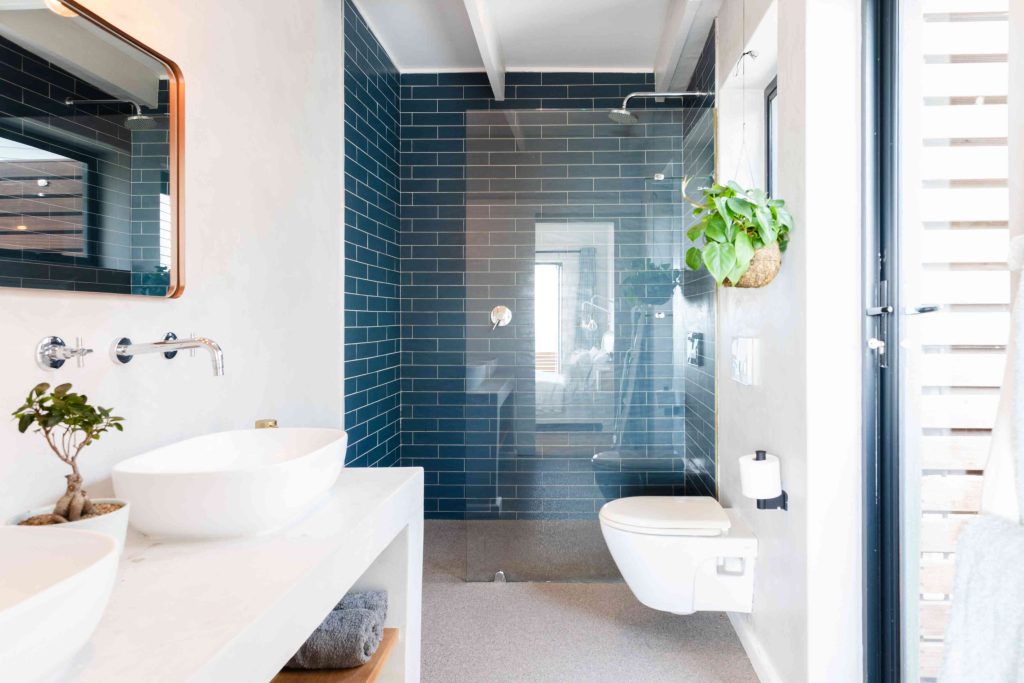
Installing glass doors, like Vasca walk-in shower doors, typically occurs after all tiling and waterproofing are complete. These doors are custom-fitted, ensuring a seamless look and proper functionality.

Day 13–14: Final Touches and Cleanup

This stage includes installing fixtures, sealing edges, caulking, and cleaning up the work area.

3. Benefits of Walk-In Showers for Modern Bathrooms

Efficient Use of Space

Walk-in showers open up the bathroom visually, making small spaces feel larger.

Easy Access and Safety

With low or no thresholds, walk-in showers are ideal for aging-in-place designs or family-friendly bathrooms.

Elegant Glass Door Options

Modern walk-in showers often feature frameless glass doors that enhance the clean, minimal look of the bathroom. High-quality options like Vasca walk-in shower doors offer both durability and style, providing a sleek finish that complements any bathroom design.

4. Tips to Ensure a Smooth Installation Process

Work with Professional Contractors

Hiring experienced bathroom renovators ensures the job is done properly and on schedule.

Plan for Permits and Inspections

Depending on your location, plumbing or electrical changes may require permits, which can add time.

Choose Materials Early

Selecting your shower tiles, fixtures, and glass doors in advance helps avoid delays.

Prepare for Minor Delays

Unexpected issues like water damage or structural repairs can extend the timeline, so build some flexibility into your project plan.

Conclusion

Installing a new shower can typically be completed within one to two weeks, depending on the complexity of the design and any custom features. Walk-in showers with elegant glass enclosures are a popular choice for homeowners seeking both functionality and modern style.

When we are thinking of pests, we are usually assuming of small, annoying bugs you see around our home and garden. But some pests have incredible powers that make them incredibly strong and difficult to kill. It has these tiny little creatures inside that destroy buildings and spread nasty diseases and are incredibly strong in their fight against exterminators. 

Knowing about these pesky pests is key to preventing them from coming. Professional Hinsdale Exterminator Services can help you locate and eliminate these not-so-easy-to-kill bugs with methods that work best for each type. Here are the most powerful pests on Earth and the reasons they’re so hard to fend off.

8 Most Powerful Pests In the World

  • Termites

Termites head our list because they can cause so much damage. They are able to bite with strength 500 times their body weight, and other specialized mouth parts enable them to break down wood, which allows them to eat a building from the inside out. Many people do not know that they have termites until the bugs have caused a lot of damage.

  • Fire Ants

Red fire ants are mighty and chemical weapons. They can hoist 20 times their weight and create floating rafts in floods—linking their bodies, keeping them alive on the water for weeks. Their painful sting injects venom into the skin that produces welts and can make some people very ill. 

  • Mosquitoes

Mosquitoes are tiny, but they transmit disease. They kill more humans than any other animal — more than 700,000 people each year are killed by diseases, including malaria, dengue fever, Zika , and West Nile virus. Female mosquitoes can smell the carbon dioxide in our breath from a distance of up to 50 meters, and their specialized mouth parts can pierce the skin and suck blood without us feeling it. 

  • Bed Bugs

Bed bugs are really quite hardy pests. These nocturnal bugs can go without food for up to a year while in snooze mode and also can withstand temperatures ranging from nearly freezing to very hot (122°F). Their flat bodies allow them to slip into cracks as narrow as a credit card, and research shows they have developed resistance to many types of bug killers. 

  • German Cockroaches

These cockroaches are true survival masters. They can survive without their heads for about a week (they die only because they can’t get any water), resist levels of radiation many times that are fatal to humans, and pass through openings just 3/8 inch wide. They breed rapidly, with one female able to produce a colony of 30,000 in a single year. 

  • Rats

Brown rats are strong and smart. With teeth that exert pressure of up to 7,000 pounds per square inch, these rodents can gnaw through aluminum, concrete, pipes, and electrical wires. To get around treacherous areas and evade traps, they work through problems. Rats can pass through holes the size of a quarter, swim half a mile, and survive falls of 50 feet. They also carried diseases, including a few that have wrought terrible illnesses over the centuries.

  • Carpenter Ants

Carpenter ants don’t consume wood like termites but burrow into it to create nests. A colony can consist of up to 50,000 workers, each able to carry objects many times its own weight. They are very careful when chewing through wood, when attempting to chew through good wood, insulation, and even plastic. What gives carpenter ants their superpower is their colony system.

  • Ticks

These tiny critters have specialized parts inside their mouths that allow them to attach tightly to animals and humans and remain concealed as they feed for days. Some produce poisons in their saliva that can induce paralysis, and they transmit more than 15 serious diseases, including Lyme disease, which afflicts about 476,000 Americans every year. Their hard outer shells make it difficult to crush them, and they remain without food for up to 3 years while waiting for someone to bite. 

Mobile technology is transforming the pest control industry. Already, Bend Exterminator Services and traditional pest management companies are being supplemented by smartphone applications designed to make pest identification and control easier for homeowners. This sudden shift is opening up the doors to new concepts in pest management, complete with technological tools that promise an easier pest problem solution technology, including digital identification, treatment suggestions, and direct integration with Bend Exterminator Services.

As these new applications grow in popularity, many are left wondering if they genuinely provide insights that improve pest control effectiveness or if all that technology just makes a hands-on problem more complicated to solve.

History of Technology in Pest Control

From simple tools to advanced integrated pest management systems, pest control methods have evolved greatly from the earliest days. Professionals and homeowners alike have been well served by the most recent evolution, an expanding crop of mobile apps. These applications range in functionality from basic pest identification to robust platforms that link users with local exterminators, offer treatment recommendations, and track pest activity over time.

This is another step at a time when digital solutions for home maintenance are on the rise. About 47 percent of homeowners currently utilize some form of digital resource when dealing with pest issues. The speed at which these technologies are being adopted indicates an increasing confidence in technology-assisted pest control strategies.

The Advantages of Pest Control Applications

The benefits of technology in pest management are:

  • Early detection 

The sooner you identify a pest through the use of apps that help users visually identify materials, the sooner you can intervene and this can be used in the prevention of full infestations. Such forward-thinking can help minimize both property damage and the cost of treatment.

  • Informed Decisions

Immediate access to information about pests and treatment options enables homeowners to decide better whether to handle a problem themselves or hire pros.

  • Professional Efficiency

Pest control businesses can use apps to optimize operations through improved scheduling, digital documentation, and more accurate initial assessments.

  • Long-term Pest Tracking

Certain apps monitor pest activity over time, enabling data-driven prevention and treatment methods.

  • Considerations of the Environment

Many current apps utilize integrated pest management principles, encouraging less-toxic solutions as needed.

Limitations and Challenges

Though it has its benefits, pest control apps have their roadblocks:

  • Accuracy Concerns

No identification app is 100 percent accurate, most especially with a comparable species or when you submit a low-quality picture. Misidentification may result in ineffective treatment strategies.

  • Need for Professional Assessment

Some infestations may require assessment beyond what an app can provide, such as structural evaluations or consideration of local regulations.

  • Too Much Do-It-Yourself

The apps could give homeowners a lot of information and potentially lead to homeowners attempting to fix problems that need pro-intervention, resulting in a lingering infestation.

  • Technology Barriers

Older homeowners may not be adept at using smartphone applications for pest management.

  • Security and Privacy Risks

The information collected by these apps about homes and pests poses risks to data security and privacy.

This is not to say that these smart pest control devices are bound to fail; however, it does underscore some limitations and that technology can improve pest control but never completely take over a professional in most cases.

Finding Balance Between Technology and Professional Expertise

The best approach to pest management is probably a combination of high-tech tools and professional know-how. Homeowners may use apps for first identification, rudimentary prevention, and surveillance but will seek certified professionals in the face of difficult infestations, safety issues, or compliance concerns.

Our best defense is to have a clear understanding of the limitations of tech. Software is more effective if used within a broader pest management strategy than a single solution. Companies that adopt emerging technologies while treating their customers with integrity may also gain a competitive edge.

When it comes to protecting your home, your roof is the first line of defense. Metal roofs are known for their durability, energy efficiency, and long lifespan. However, even the strongest roofing systems eventually need replacing. Knowing when it’s time to replace your metal roof can help you avoid costly damage and ensure your home stays protected.

Here are the top signs it’s time for a metal roof replacement:

1. Rust and Corrosion Are Spreading

Metal roofs are coated to prevent rust, but over time, that protection can wear away. If you begin to notice rust patches or corroded areas across your roof, it’s a red flag. Surface rust may be manageable, but widespread corrosion can weaken the structure, leading to leaks and further damage.

2. Frequent Leaks or Water Damage

Metal roofs are designed to be water-resistant, but aging materials and worn-out seams can cause persistent leaks. If you’ve noticed water spots on ceilings or walls, mold growth, or soggy insulation in the attic, it may be time to consider a full roof replacement instead of repeated repairs.

3. Loose or Warped Panels

Over time, exposure to temperature extremes can cause metal panels to warp, loosen, or buckle. You might hear rattling during strong winds or notice visible lifting along seams and edges. This compromises the roof’s integrity and can allow water and pests to enter your home.

4. Your Roof is 40+ Years Old

One of the biggest benefits of a metal roof is its longevity—often 40 to 70 years depending on the material. If your roof is approaching the upper end of its lifespan and you’re starting to see performance issues, now is the time to plan for a replacement before problems worsen.

5. Increased Energy Bills

Metal roofs are known for their energy efficiency, especially when they’re properly insulated and coated with reflective finishes. If your utility bills have started to climb without a clear reason, your roof’s efficiency may be compromised, indicating it’s time for a newer, more advanced metal roofing system.

6. Storm or Hail Damage

Severe weather can take a toll on even the most durable metal roofs. If your area has recently experienced hail, hurricanes, or heavy windstorms, have your roof professionally inspected. Dents, punctures, or hidden structural damage can significantly reduce your roof’s effectiveness and lifespan.

Don’t Wait—Schedule Your Metal Roof Replacement Today!

Ignoring the signs of roof failure can lead to costly repairs, interior damage, and safety concerns. If you’ve noticed any of the symptoms listed above, it’s time to talk to a professional.

Contact Florida Roofing and Gutters today for a free roof inspection and expert advice on metal roof replacement. We’ll help you choose the right materials and install a long-lasting, beautiful roof that protects your home for decades to come.

This post was written by a professional at Florida Roofing and Gutters. https://floridaroofingandgutters.com/ , founded by Tri-Town Construction, is the best roofing company to turn to for residential and commercial roof replacements and repairs in Southwest Florida.

Pest problems can sneak up on even the cleanest and most well-maintained homes. Without regular attention, these tiny, often invisible invaders can silently damage your property and threaten your health. That’s where routine pest inspections and Belleville Exterminator Services come in. Taking a proactive approach to identifying and addressing pest issues is one of the most effective ways to protect your home and everything in it. 

Here’s why regular inspections are so important and how they can benefit you.

1. Early Detection Saves Time and Money

Pests like termites, rodents, and cockroaches are notorious for staying hidden until the damage is done. For example, termites can chew through wooden structures for months before you notice signs like hollow-sounding wood or discarded wings. By the time many infestations become obvious, you could be looking at thousands of dollars in repairs.

Regular inspections allow you to catch these problems early, often before significant damage has occurred. A professional pest controller can identify the warning signs of an infestation, allowing you to address the issue before it spirals out of control. The earlier you act, the less time and money you’ll need to spend solving the problem.

2. Protect Your Property Value

Your home is likely one of your biggest financial investments. Pests pose a serious risk to its value, especially if the damage becomes significant. A termite infestation, for instance, can weaken beams, flooring, and even the structural integrity of a home. Rodents or squirrels in the attic can chew through insulation and electrical wiring, leading to costly repairs.

Visible signs of pests during a home appraisal or inspection can deter potential buyers and result in a lower property value. So, keeping up with pest inspections is a smart way to safeguard your home’s worth. With routine checks and follow-up action, you can ensure your property stays in great shape and retains its market appeal.

3. Maintain a Healthy Living Environment

Pests don’t just affect your property, they can also impact your health. Cockroaches, for example, can spread bacteria such as E. coli and Salmonella, as well as trigger asthma and allergies. Rodents bring their own set of health risks, including the potential for hantavirus, while mosquitoes and ticks are carriers of more serious diseases like Lyme disease and Zika virus.

Routine pest inspections help you identify and eliminate these risks at their source. Health issues related to pests may take time to appear, but by regularly checking your home, you can ensure that these threats are minimized. A pest-free home is a healthier home for you and your family.

4. Peace of Mind Leads to Long-Term Savings

Routine pest inspections aren’t just about identifying existing problems; they provide peace of mind that your home is safe and secure. Even if no pest issues are found during an inspection, knowing that your property is being proactively monitored can help you sleep easier at night. Over time, this proactive approach reduces the likelihood of significant expenses related to pest damage or health risks.

When and How to Inspect for Pests?

A good rule of thumb for pest inspections is to conduct them at least once a year. However, homes located in areas prone to specific pests, like termites in warmer regions, may require more frequent checks. Seasonal changes, such as the onset of spring or fall, are also great opportunities to carry out inspections, as pests often become more active during these times.

Conclusion

Pests can cause a lot of harm, but their impact is often preventable with routine inspections. By committing to regular checks of your home and property, you can detect problems early, preserve your home’s value, maintain a healthy environment, and save money over time. Whether you choose to inspect your home yourself or work with a professional pest control service, the effort is well worth it.

Living in a smaller home presents unique acoustic challenges. With limited space, sound tends to bounce off walls and create echoes, making a space feel noisier and less comfortable. Noise pollution from outside sources, household appliances, and even conversations can quickly become overwhelming. The key to achieving a quieter and more acoustically balanced environment lies in choosing the right wall textures. By incorporating sound-absorbing materials and textured surfaces, homeowners can significantly reduce unwanted noise and improve the overall sound quality of their space.

Wall texture plays a crucial role in sound absorption by breaking up sound waves, reducing reverberation, and preventing noise from traveling between rooms. Different textures and materials have varying levels of effectiveness in dampening sound, and selecting the right one can make a noticeable difference in smaller living spaces.

How Sound Interacts with Wall Textures

Sound travels in waves and interacts with surfaces in three main ways:

  • Reflection: Hard, smooth surfaces bounce sound waves back into a room, creating echoes and amplifying noise.
  • Absorption: Soft or textured surfaces capture and dissipate sound waves, reducing noise levels.
  • Diffusion: Irregular surfaces scatter sound waves in multiple directions, preventing them from concentrating in one area.

In smaller homes, controlling these interactions is vital to creating a comfortable and peaceful environment. Without adequate noise control, sound waves can reflect off walls, floors, and ceilings, leading to an unpleasantly loud space.

Effective Wall Texture Solutions for Noise Reduction

n smaller homes, where sound tends to bounce off walls more easily, selecting the right wall treatments can make a significant difference in reducing echoes, minimizing noise transmission, and enhancing overall comfort. By incorporating materials that naturally dampen sound waves, homeowners can improve acoustic balance and create a more serene living space.

Acoustic Wall Panels. Acoustic wall panels are one of the most effective solutions for reducing noise in small spaces. Made from materials like foam, fabric, and fiberglass, these panels absorb sound and prevent it from bouncing around the room. Acoustic wall panels significantly reduce echoes and background noises. They are available in various colors, patterns, and styles to match décor. Also, they are easy to install on existing walls and are Ideal for home offices, bedrooms, and living spaces. To maximize their effect, acoustic panels should be placed on walls that receive the most sound impact, such as those near entertainment systems, workspaces, or high-traffic areas.

Textured Plaster and Stucco Finishes. Textured plaster and stucco add depth to walls, breaking up sound waves and reducing the sharpness of reflected noise. These finishes work well in smaller homes where hard surfaces can create excessive echoing. They add visual appeal while improving sound control. They are durable and easy to maintain and can be applied in various patterns for aesthetic versatility. Stucco and textured plaster can be combined with other sound-absorbing elements, such as rugs and upholstered furniture, to further enhance acoustic performance.

Fabric-Covered Walls. Fabric wall coverings act as excellent noise reducers by absorbing sound instead of reflecting it. Materials like wool, velvet, and polyester blends are particularly effective at dampening sound waves. Fabric-covered walls provide a soft and inviting look while reducing noise, help insulate walls for both temperature and sound control, and are available in various textures and colors for design flexibility

Smaller Homes

For a DIY approach, homeowners can use fabric wall panels with built-in sound-absorbing layers to create custom noise-reduction solutions.

Cork Wall Coverings. Cork is an eco-friendly material that offers natural sound-dampening properties. Its porous texture absorbs sound waves, reducing noise transmission between rooms. Cork wall coverings are sustainable and biodegradable, provide both sound and thermal insulation, and are lightweight and easy to install. Cork panels can be applied to entire walls or used as accent sections in noisy areas such as home offices, entertainment spaces, and shared walls in multi-unit buildings.

Wood Slat Panels. Wood slat panels add both texture and functionality by scattering and absorbing sound waves. They work particularly well in smaller homes where space constraints make traditional acoustic treatments difficult to implement. Why wood slat panels work by reducing echo without making the space feel overly insulated and providing a modern and stylish aesthetic. Also, they can be customized with different wood types and finishes Wood slat panels can be placed on walls behind seating areas, workspaces, or televisions to balance sound distribution and minimize disturbances.

Wallpaper with Acoustic Backing: Modern wallpaper options include acoustic-backed varieties designed to minimize noise. These wallpapers feature a thick, foam-like backing that helps absorb sound. Key Features include

    • Easy to install and remove.
    • Enhances both aesthetics and functionality.
    • Works well in combination with other acoustic treatments.

Acoustic wallpaper is an excellent solution for renters who need non-permanent ways to reduce noise in their living spaces.

3D Wall Panels. 3D wall panels feature raised designs that help diffuse sound and prevent noise from concentrating in one area. Made from materials like MDF, PVC, or foam, these panels add a decorative touch while improving room acoustics. 3D wall panels create a unique and visually interesting wall surface, reduce sound reflections and echoes, and can be bought in a variety of patterns and materials. These panels can be used strategically in entertainment areas, home theaters, or open-plan living spaces where noise reduction is essential.

Bookshelves and Built-In Storage. While not a traditional wall texture, bookshelves and built-in storage units act as sound barriers. Books, decorative objects, and wooden structures help break up sound waves, reducing overall noise levels. Bookshelves and built-in storage help with noise control by:

    • Absorbing sound through layers of books and materials.
    • Reducing sound transmission between shared walls.
    • Providing additional storage while enhancing room acoustics

Arranging books and objects of different densities on shelves can help create a balanced acoustic effect throughout a room.

Upholstered Wall Panels

For a more luxurious approach, upholstered wall panels provide a high-end aesthetic while significantly improving sound absorption. These panels are commonly used in bedrooms, home theaters, and workspaces. Key Features:

  • Offers a soft, fabric-covered surface that absorbs sound
  • Available in various colors, patterns, and finishes
  • Can be installed in full-wall coverage or as decorative accents

Upholstered wall panels are particularly effective in small apartments and condos where external noise is a concern.

Soundproof Paint and Coatings: Though not as effective as other solutions, soundproof paint contains viscoelastic compounds that reduce mid-frequency noise and vibrations. It provides a simple, low-cost noise reduction solution, works best when combined with other textured wall treatments, and helps reduce minor noise transmission from adjacent rooms. Applying multiple layers of soundproof paint on walls and ceilings can slightly dampen sound reflections and complement other acoustic treatments.

Combining Wall Textures for Maximum Effect

In smaller homes, achieving optimal noise reduction often requires a combination of different wall textures. For example:

  • Pairing acoustic wall panels with cork walls enhances absorption and minimizes reverberation.
  • Using upholstered panels alongside wood slats creates a balanced acoustic environment.
  • Incorporating bookshelves and fabric-covered walls improves both aesthetics and sound control.

By thoughtfully selecting and layering different materials, homeowners can create a quieter, more comfortable living space without sacrificing style or design flexibility.

If you love swimming, you know how disappointing it can be when cooler temperatures force you to close your pool for the season. But what if you could enjoy your pool for several extra months—or even year-round? A pool heat pump is the perfect solution to keep your water warm and comfortable, extending your swimming season and maximizing your investment in your pool.

What is a Pool Heat Pump?

A pool heat pump is an energy-efficient heating system that uses the ambient air to heat your pool water. Unlike gas heaters that rely on burning fuel, heat pumps work by transferring heat from the air and using electricity to circulate it through your pool. This process makes them highly energy-efficient and cost-effective in the long run.

Benefits of Using a Pool Heat Pump

1. Extended Swimming Season

With a pool heat pump, you no longer have to say goodbye to swimming in the early fall or late spring. By maintaining a consistent water temperature, you can enjoy your pool even when the air gets cooler.

2. Energy Efficiency & Cost Savings

Compared to gas heaters, pool heat pumps use significantly less energy. While the initial cost may be higher, the long-term savings on your energy bills make them a smart investment.

3. Environmentally Friendly

Pool heat pumps generate heat without burning fossil fuels, reducing greenhouse gas emissions. If you’re looking for a more eco-friendly way to heat your pool, a heat pump is the way to go.

4. Low Maintenance & Durability

These systems are built to last and require minimal maintenance. With proper care, a high-quality pool heat pump can last up to 10-15 years, giving you reliable and consistent heating.

Choosing the Right Pool Heat Pump

When selecting a pool heat pump, consider the following factors:

  • Pool Size: A larger pool requires a higher-capacity heat pump.
  • Climate: If you live in a cooler region, opt for a heat pump designed for lower temperatures.
  • Energy Efficiency Rating: Look for models with a high Coefficient of Performance (COP) for better efficiency.
  • Brand Reputation & Warranty: Choose a reliable brand with good customer reviews and warranty coverage.

Final Thoughts: Enjoy Your Pool Longer!

A pool heat pump is a game-changer for pool owners who want to extend their swimming season and get the most out of their investment. With energy efficiency, eco-friendliness, and long-term savings, it’s a smart choice for any pool owner.

Ready to Upgrade Your Pool Heating?

If you want to keep your pool warm and extend your swimming season, investing in a pool heat pump is the best decision. Browse our top-rated pool heat pumps today and make the most of your pool, no matter the season!

This article was written by a professional at Mannix Heating & Cooling, a trusted name in HVAC solutions since 2010. Founded by Jerry Mannix, a seasoned expert with over 30 years of experience, Mannix Heating & Cooling is dedicated to putting customers first, providing honest assessments, and delivering top-quality heating and cooling services. With a team of skilled technicians and a commitment to excellence, Mannix ensures your home stays comfortable year-round. Click here to learn more!