Category

Home

Category

The home is more than just a structure; it is a sanctuary, a retreat from the chaos of the outside world. Yet, in today’s fast-paced, noisy environment, our homes often fail to provide the tranquility we crave. Designing spaces that foster peace and quiet can have profound effects on our mental and physical well-being. By carefully considering layout, materials, and design principles, we can transform our living spaces into serene havens that nurture relaxation and mindfulness.

Our surroundings shape our emotions, productivity, and overall health. A cluttered, noisy, and disorganized space can heighten stress levels, disrupt sleep, and contribute to feelings of unease. Conversely, a thoughtfully designed, quiet home provides a refuge where the mind can rest, recharge, and find clarity. By integrating intentional design elements, we can cultivate an atmosphere that supports emotional balance and well-being.

Why Quiet Spaces are Important Home Design

Noise pollution is often an overlooked aspect of home design. Whether it’s the hum of household appliances, outside traffic, or digital noise from screens, unwanted sound can disrupt concentration, increase anxiety, and even affect cardiovascular health. Quiet spaces, carefully integrated into home design, create pockets of peace that allow for uninterrupted relaxation, reading, meditation, or simple contemplation.

Research has shown that prolonged exposure to noise triggers the release of stress hormones like cortisol, which can negatively impact overall health. Silence, on the other hand, has been linked to cognitive restoration, improved mood, and enhanced focus. A home that minimizes noise pollution can serve as a powerful antidote to daily stressors, helping individuals achieve a greater sense of calm and well-being.

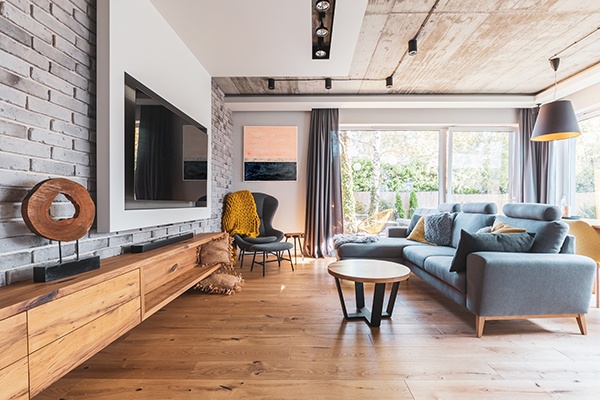
Designing a home that embodies the essence of a retreat involves more than just aesthetics; it requires intentionality in every aspect of space planning. Thoughtful selection of materials, strategic placement of furniture, and the incorporation of natural elements all play a role in crafting a tranquil environment. Soft lighting, neutral colors, and cozy textures can further enhance the sense of comfort and relaxation.

Understanding Noise Pollution in the Home

Many homes unknowingly harbor a range of disruptive noises. Household appliances, HVAC systems, thin walls, and even electronic devices contribute to an underlying hum of distraction. Open floor plans, while popular, can sometimes amplify sound rather than contain it. Recognizing these sources is the first step toward designing a quieter home.

Home Design

Persistent background noise, especially at night, can interfere with deep sleep cycles, leading to fatigue, irritability, and decreased cognitive function. Over time, excessive noise exposure has been linked to increased risks of anxiety and depression. Creating an environment that minimizes disturbances, particularly in the bedroom, is crucial for maintaining overall health.

Conducting a sound audit of your living space can help pinpoint the noisiest areas. Stand in different rooms at various times of the day and note where sound seems most intrusive. External noises, such as street traffic, should be addressed with insulation and window treatments, while internal noises can often be mitigated through thoughtful layout and material choices.

Design Principles for a Peaceful Home

  • Open vs. closed layouts – While open-concept living fosters connectivity, it can also lead to increased noise levels. Introducing partitions, sliding doors, or designated quiet zones can create balance, allowing for both communal and private spaces.
  • Minimalism – A minimalist approach to design naturally reduces noise by eliminating clutter and excess furniture that can contribute to sound reverberation. Simplicity in design fosters a sense of calm and makes spaces feel more open and breathable.
  • Colors and textures – Soft, muted tones and natural textures promote relaxation and sensory comfort. Earthy hues, such as warm whites, gentle greens, and soft blues, evoke a sense of serenity, while textured elements like wool, linen, and natural wood absorb sound and add warmth to a space.

Soundproofing Basics: Blocking Out the Chaos

Acoustic panels, dense insulation, and thick carpeting can significantly reduce noise transfer between rooms. Cork, rubber underlays, and heavy curtains can also serve as effective sound barriers.

High ceilings and empty spaces tend to amplify sound. Adding bookshelves, upholstered furniture, and wall tapestries can help absorb excess noise, preventing echo and creating a more soothing environment. Reducing echo and improve acoustics naturally can be done by:

  • Using rugs, curtains, and soft furnishings. Textiles play a crucial role in dampening sound. Layering rugs, using blackout curtains, and incorporating plush furniture can help muffle unwanted noise while enhancing the cozy feel of a space.
  • Choosing the right window and door features. Double-glazed windows, solid-core doors, and weatherstripping can make a significant difference in keeping external noise at bay. Investing in quality materials ensures long-term peace and comfort.

Creating Quiet Rooms

A dedicated space for reflection, reading, or meditation should be free from distractions. Positioning a comfortable chair near a window, adding dimmable lighting, and incorporating calming scents can enhance the experience.

If space allows, transforming an unused room into a designated quiet space can provide a true retreat within the home. Soundproofing, warm lighting, and minimal décor can contribute to a deeply restorative atmosphere.

The bedroom should be the quietest space in the home. Positioning the bed away from noisy areas, using blackout curtains, and incorporating soft bedding materials can promote a restful night’s sleep.

The Power of Nature in Creating a Calm Home

Plants not only purify the air but also help dampen noise. Large leafy plants like rubber trees, ferns, and peace lilies absorb sound waves, reducing background noise.

Fountains and indoor water features provide a natural white noise effect, masking disruptive sounds while adding an element of tranquility. Outdoor retreats, such as a Zen garden or a secluded patio, can offer additional areas of calm and relaxation, enhancing overall home serenity.

Smart Technology for a Quieter Home

While white noise machines can help drown out distractions, natural soundscapes such as gentle rain or ocean waves provide a more organic, immersive experience. Noise-canceling devices, automated window treatments, and soundproofing smart panels offer innovative solutions for maintaining a quiet home environment.

Conclusion

Creating a quiet home doesn’t require drastic renovations. Thoughtful adjustments, from rearranging furniture to incorporating calming elements, can yield significant benefits. By blending mindful design with intentional lifestyle habits, homeowners can cultivate a space that not only looks beautiful but also nurtures the soul.

Lighting is more than just a way to brighten a room—it’s the silent architect of atmosphere. The right lighting can turn a cold space into a warm retreat, enhance focus in a workspace, or add drama to an otherwise neutral setting. It has the power to evoke emotion, influence perception, and define the character of a room. Yet, achieving the perfect lighting isn’t just about choosing beautiful fixtures; it’s about layering light to create depth, balance, and mood.

A single overhead light rarely does a space justice. Without layers, rooms can feel flat, overly bright, or uninviting. Layered lighting transforms interiors by combining different sources of light—each with its own purpose—to create ambiance, functionality, and depth. Whether it’s a dimly lit living room for movie nights, a bright and efficient kitchen workspace, or a softly illuminated bedroom for relaxation, layered lighting ensures that a space serves multiple needs while always feeling inviting.

Every space should have the ability to shift in mood depending on the occasion. Bright, cool lighting fosters alertness, making it ideal for offices and kitchens, while warm, dim lighting induces relaxation, perfect for living rooms and bedrooms. By strategically layering ambient, task, and accent lighting, you can tailor a space’s emotional tone while ensuring practical functionality.

How Light Affects Mood, Perception, and Energy

Lighting has a direct impact on mood, energy levels, and even circadian rhythms. Bright, cool-toned lights enhance focus and productivity, while soft, warm lights signal relaxation. Poor lighting can cause fatigue, stress, and discomfort, while well-layered lighting fosters well-being and positive emotions.

Understanding the Basics of Layered Lighting

Layered lighting is the strategic use of multiple light sources to create a well-balanced space. Instead of relying on a single fixture, it blends different types of lighting to add dimension, focus, and flexibility. The three main types of lighting that form a complete layer are:

  • Ambient lighting – The base layer that provides general illumination.
  • Task lighting – Focused light for specific activities like reading, cooking, or working.
  • Accent lighting – Decorative or directional lighting that adds drama and highlights focal points.

What is Ambient Lighting and Why Does it Matter?

Ambient lighting is the base layer of illumination in a room, ensuring even brightness without harshness. It prevents a space from feeling gloomy or overly stark while serving as a foundation for additional lighting layers. To avoid harsh, clinical lighting, opt for fixtures that diffuse light rather than direct it sharply. Consider:

  • Recessed ceiling lights with dimmers
  • Large pendant lights with frosted glass shades
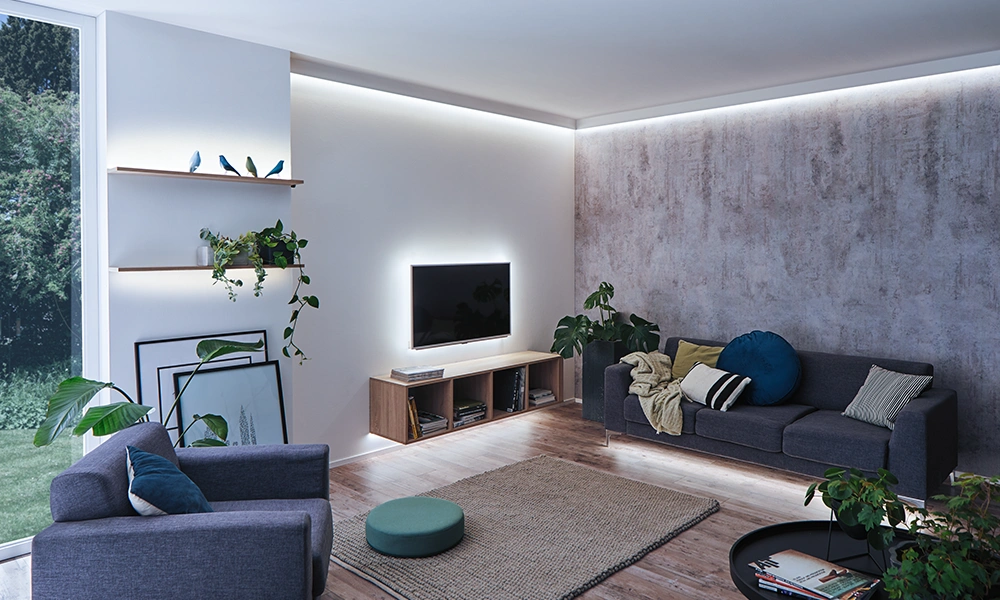
  • Indirect lighting solutions like cove lighting

Ambient lighting can come from a variety of sources, including:

Layered Illumination

  • Chandeliers for elegance and general illumination
  • Flush mount and semi-flush ceiling lights for even brightness
  • Recessed lighting for a modern, unobtrusive glow

What is Task Lighting and Where Do You Need It Most?

Task lighting provides focused illumination for specific activities such as reading, cooking, and working. It eliminates shadows and ensures that workspaces remain well-lit and functional.

Kitchen Task Lighting:

  • Under-cabinet lighting illuminates countertops, reducing shadows.
  • Pendant lights over kitchen islands provide stylish, targeted lighting.
  • Recessed spotlights ensure even brightness for food prep.

Task Lighting in the Home Office:

  • Adjustable desk lamps help direct light exactly where needed.
  • LED strip lighting behind monitors reduces glare.
  • Natural light balance prevents screen reflections.

Task Lighting in Bathrooms and Dressing Areas

  • Vertical vanity lights eliminate shadows on the face.
  • Backlit mirrors provide even illumination.
  • Bright but warm-toned bulbs ensure natural skin tone reflection.

What is Accent Lighting and How Does it Elevate a Room?

Accent lighting adds depth, highlights design elements, and introduces ambiance. It turns an ordinary space into an elegantly curated environment. Examples include:

  • Adjustable spotlights direct attention to art and sculptures.
  • Picture lights highlight framed prints, adding sophistication.
  • Wall sconces add a layer of warmth and soft illumination, perfect for hallways, reading nooks, and beside beds.
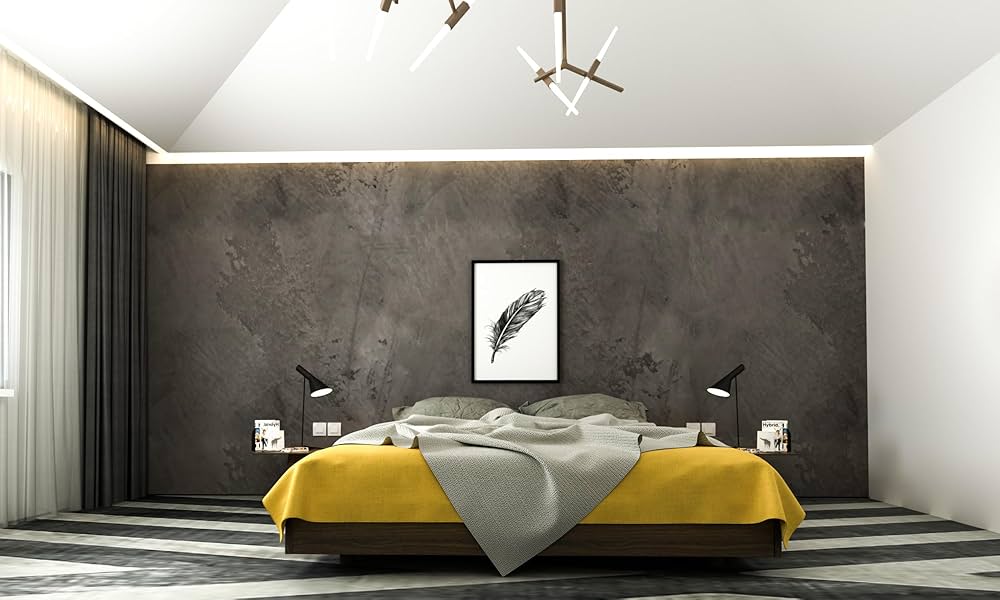
  • Cove lighting creates a floating ceiling effect.
  • LED strip lights under furniture give a subtle glow.
  • Floor lamps in corners add a sense of depth.

Choosing the Right Light Temperature for the Perfect Mood

  • Warm light (2700K-3000K) creates a cozy, relaxing atmosphere.
  • Neutral white (3500K-4000K) is ideal for task-oriented areas.
  • Cool light (5000K-6000K) promotes focus and energy.

How to Instantly Set the Mood with Dimmers and Smart Lighting

Lighting isn’t just about brightness—it’s about flexibility and control. The ability to adjust lighting levels instantly transforms the mood, functionality, and ambiance of a space. Whether you’re setting the scene for a cozy evening, a focused work session, or a lively gathering, dimmers and smart lighting allow you to customize illumination to fit the moment.

The Power of Dimmers: Adjusting Brightness for Any Occasion

Dimmers provide seamless transitions between lighting intensities, ensuring that a space is neither too bright nor too dim for the task at hand. With a simple slide or turn of a knob, you can:

  • Lower the lights for a warm, intimate dinner
  • Brighten a room for reading or focused work
  • Create a soft, ambient glow for relaxation in the evening

By incorporating dimmable bulbs and switches, you eliminate the harsh contrast of “on” or “off” lighting, allowing for a more fluid, adaptable lighting experience.

Smart Lighting: Total Customization at Your Fingertips

Smart lighting takes convenience a step further by offering app and voice-controlled adjustments. With just a tap on your smartphone or a voice command to a smart assistant, you can:

  • Turn lights on or off remotely
  • Adjust brightness levels without leaving your seat
  • Change light colors to match the mood—warm hues for relaxation, cool tones for focus
  • Schedule lighting changes to align with your daily routine

Preset Lighting Scenes: One-Touch Mood Control

Smart bulbs allow users to create and save preset lighting “scenes” for different activities. With a single click, you can instantly:

  • Set a soft, warm glow for bedtime
  • Brighten workspaces for productivity during the day
  • Dim the lights and add a subtle hue for movie night
  • Switch to energizing daylight tones for morning routines

Dimmers and smart lighting remove the rigidity of traditional lighting setups, giving you the power to instantly shift the mood, improve comfort, and enhance the way you interact with your space.

Conclusion

Layered lighting is an essential design element that shapes how we experience and interact with a space. By blending ambient, task, and accent lighting, we can create functional, inviting, and visually stunning environments. Whether enhancing relaxation, boosting productivity, or simply making a space feel more refined, the right combination of lighting transforms any room instantly.


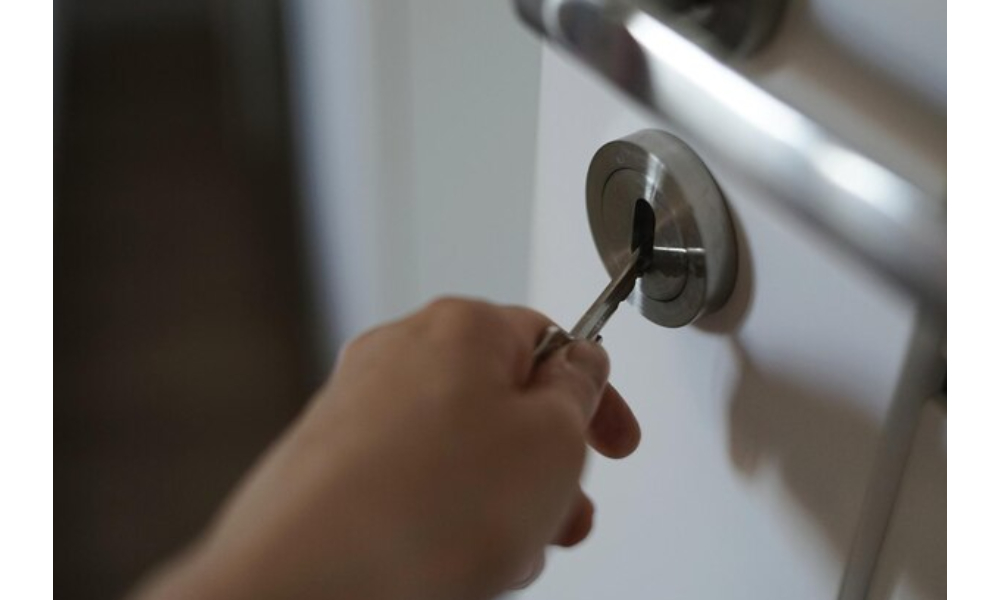
Rekeying locks is one of the best ways to ensure a safe workplace. Rekeying is the process of changing the internal components in a lock to make the old keys unusable. This is a more cost-effective solution than replacing the entire locking mechanism. How often should a company rekey their locks? Answers depend on a number of factors including turnover in the workforce, security incidents and industry-specific requirements. This article discusses why rekeying is important, when to do it, and the best practices for maintaining security in your business.

Why is rekeying important for businesses?

Rekeying locks can be a vital security measure for business.

  • Prevent Unauthorized Entry: Old keys may still be in the possession of former employees, contractors or vendors, which poses a security threat.
  • Reduce Theft Risk: Stolen or lost keys can be used to gain unauthorised entry and steal valuable items.
  • Ensure Employee Safety: By ensuring that only individuals with authorization have access to premises, you can create a safer work environment.
  • Rekeying can be a cost-effective security solution. It is often more affordable than changing the entire lock system, while still improving security.

The Factors That Determine How Often A Business Should Rekey

1. Employee Turnover

Employee turnover is one of the main reasons why businesses rekey their locks. Rekeying is recommended for businesses that frequently hire and fire employees, particularly those who have access to sensitive areas. It’s not guaranteed that an employee will return their key if they’ve made a copy.

Suggested Frequency : Rekey at least every six to twelve months, or after an employee who has key access leaves the company under adverse circumstances.

2. Lost or Stolen keys

Rekeying the locks is essential if a key disappears. This will prevent unauthorised access. Stolen keys are often used to break into homes or for other security breaches.

Suggested frequency: Rekey as soon as a lost or stolen key occurs.

3. Security Break-Ins or Incidents

Rekeying is necessary to restore security in a business after a break-in, or a burglary attempt. Rekeying can help eliminate the risk of intruders having obtained or copied keys.

Suggested frequency: Rekey as soon as possible after a breach of security.

4. Changes in business operations or ownership

Rekeying locks is a good idea when a business undergoes structural change, such as a new owner, office relocation or expansion. This will ensure that current employees and management have access.

Suggested Frequency : Rekey immediately following ownership or operational changes.

5. Scheduled security upgrades

Regular security audits can help companies identify vulnerabilities and implement updates. Rekeying is one of the updates that can be implemented to improve security.

Suggested Frequency : Rekey at least every 1 to 2 Years as part of routine maintenance.

6. Specific Security Requirements for Industry

Certain industries such as government, finance, healthcare and the healthcare industry have more stringent security regulations that require businesses to adhere to strict rekeying procedures to meet industry standards.

Suggested frequency: Follow industry regulations which may require rekeying once every few months to annually.

Best Practices for Rekeying Business Systems

Maintain a key control policy

Track who has keys.

Limit the number who have access to sensitive areas.

Employees must return keys to the company when they leave.

Use Master Key Systems Wisely

The master key system provides different levels of access to employees.

Make sure that master keys are stored securely and only trusted personnel can access them.

Implement keyless or digital locking systems

Smart locks or electronic locks can be beneficial for businesses with high security requirements.

Access control is easier and more secure with keycards, biometric scanners or keypad entry systems.

Working with a professional locksmith

Rekeying should be done by a locksmith who is qualified.

You can also get advice on how to improve security, like installing high-security locks and access control systems.

Regularly review security measures

Perform a security audit to determine if rekeying of locks is required.

Keep up to date with the latest security technologies and practices.

The frequency with which a business should change its locks is determined by a number of factors. These include employee turnover, security incidents and industry regulations. Businesses should, as a rule, rekey locks at least once per year or more often in high-risk areas. Businesses can protect sensitive data, employees and assets by prioritizing security.

This article was written by Unico Locksmith. Unico Locksmith is a local locksmith located in Maryland. They specialize in residential and commercial lock changes, re-key services, automotive locksmiths services, and locksmith qualified emergency situations. Contact Unico Locksmith to get the best emergency locksmith in rockville MD today!

It is a constant fight to keep pests out of our fields and houses. More and more people are looking for eco-friendly ways to get rid of pests because they care about the earth. There is, however, a lot of misunderstanding about this method. 

Are eco-friendly methods really better? Are they really safer for people and animals? Let us separate fact from myth. If you are looking for a pest company that values eco-friendly solutions, you might want to give us a call. 

Myth 1: Eco-friendly pest control does not work.

A lot of people think this way. Pest control methods that are good for the environment use natural ingredients and biological treatments to get rid of pests. These ways can work really well, especially when used as a preventative measure or to get rid of pests quickly. 

For example, closing holes and getting rid of places where pests can hide can greatly lower their numbers. Natural substances, such as diatomaceous earth, can also dry out and kill insects. For bigger pests, you might need to use more than one eco-friendly way.

Myth 2: Eco-friendly pest control costs more.

A lot of people think that eco-friendly ways to get rid of pests cost more than chemical methods. It is not always like this. The original cost of an eco-friendly treatment might be about the same as a regular treatment, but they usually need to be used less often. 

This could save you money in the long run. On top of that, you will not have to worry about the damage and health risks that come with chemical insecticides.

Myth 3: Eco-friendly pest control keeps you safe.

Chemical herbicides are usually more dangerous for people and pets than eco-friendly methods. However, it is important to remember that some natural substances can still be damaging if they are not used correctly. For eco-friendly pest control, always read and carefully follow the directions on the packaging. 

Some essential oils, for example, can make your skin and eyes itch. If you are not sure about using a product around kids or pets, you should always talk to a professional pest control service. 

Myth 4: Eco-friendly ways to get rid of pests are only good for small problems. 

For early infestations, preventative steps and eco-friendly ways work well. They can also be used for more serious problems. Integrated pest management (IPM) strategies are used by professional pest control companies. These strategies mix focused treatments with eco-friendly methods. 

Some of these tactics are keeping them out, keeping things clean, catching them, and using biological controls. Pests can not get into homes through exclusion, which means closing entry spots, fixing cracks, and putting up screens. 

Keeping homes clean, storing food correctly, getting rid of food sources, using gentle traps, and bringing in natural predators or bugs to control pest numbers are all parts of sanitation. Working with a trained pest control expert can help you come up with a plan that works for you. 

The truth about eco-friendly pest control. 

Eco-friendly pest control can help with a lot of different pest problems. Getting rid of bugs in your home or yard may not be easy, but this method can work well and be safe. 

You can keep pests out of your home without hurting the environment or your health by taking preventative steps and using focused, eco-friendly treatments. 

Additional benefits of eco-friendly pest control methods. 

Here are some more perks of eco-friendly pest control besides the ones listed above:

  • Protects good bugs: Chemical poisons can kill good bugs like spiders and ladybugs, but these bugs actually help keep pest numbers in check. Eco-friendly ways get rid of certain pests without hurting good bugs.
  • Helps keep the earth healthy: Using eco-friendly ways keeps our water and land from getting polluted. This makes the place healthy for everyone.

When it comes to getting rid of pests, eco-friendly ways are a great choice. You can make an informed choice about what is best for your home and family if you know the myths and facts about this method. 

Pests are part of the ecosystem, and you can not escape them. They can be present in your homes, businesses, and outdoor environments. They do not infest any place randomly, but they have patterns that are influenced by their species, biological needs, and surroundings. It is important to understand these patterns and behaviors to keep these pests out of your home. 

If you are looking for a pest control company in Rockville, then contact professionals who are trusted and experienced. These professionals will fix the root cause of the issue and make your home pest-free in the long term. 

Read this article to learn more about the activity of these pests, including nocturnal, diurnal, and mixed-activity pests. By understanding these, you can get proper knowledge about their behavior and learn how you can protect your home from them effectively.  

Nocturnal Pests

Pests that are active at night depend on darkness so that they can keep themselves safe from predators and humans. They get out late at night to find food, shelter, and reproduce. This makes it hard to detect them during the day.

Cockroaches

These get most active after sunset. These cockroaches generally live in the bathrooms and kitchens of your home. If you see them in daylight, then it can be a sign of severe infestation. Thus, it is important to keep these places clean so that you can keep them away. 

Bed Bugs

These also come out at night and feed on sleeping humans. Once they bite you, they can leave red, itchy welts. Check your bedding and furniture to find them early on so that you can stop them from growing more in number. 

Rodents

Rats and mice are nocturnal by nature, and they come out in the dark to get food and materials for nesting. Look out for droppings, gnaw marks, or sounds in walls at night so that you can find their presence. 

Diurnal Pests: Daytime Disturbances

Not all pests wait for the night. Some are also active during the day, and these are known as diurnal pests. They search for food, warmth, and human activity. 

Ants

Ants are one of the most common pests, and they live in colonies and search for a home where they can make their colony and get easy access to food. They can get attracted to even small crumbs. It is important to maintain cleanliness and take action as soon as possible. 

Flies

Flies are not only irritating and nasty to look at, but they also carry many diseases with themselves. During the day, they fly around food, trash, and moisture. Here, they get germs on their body that they transfer to wherever they sit. Use fly screens and store food properly to keep them away from your property. 

Bees and Wasps

They help pollinate, but they can also be hazardous when their nests are near homes. They use daylight to find flowers and food sources, and they can enter your home by mistake and cause you trouble. If you want to remove their nests, then it should be done professionally. 

Mixed-Activity Pests: Persistent Threats

Some pests are active both daytime and nighttime. These pests are hard to deal with as they can cause problems to you all day and night. Thus, you need to look out for them at all times. 

Mosquitoes

Some mosquitoes are nocturnal, but others are diurnal and may bite you if you are in shaded areas. Their control requires the removal of standing water and also repellents.

Termites

These are stealthy and destructive, and they eat wood 24/7 and destroy the structure. To remove them from your home, it is important for you to get professional help so that you can find them at the initial stage and save yourself from costly repairs. 

Spiders

Some spiders make their webs at night and hunt during the day. They can be helpful in dealing with other pests, but if you see them in large numbers, then they can hint at an infestation. 

Act Now to Protect Your Space

Pests can be active, either at night or day, and can spoil your peace of mind, and they also carry serious health and safety risks. If you are dealing with pest infestation, then contact a professional pest control service provider to make your home pest-free and safe. 

Rodents become active as the weather turns cold, looking for places where they can stay in winter. They look for places that will be warm and have food, too. Rodents can easily get entry into homes, especially in urban areas where there is a dense population and plenty of resources.

Rodents are generally a nuisance since they damage your property and cause various diseases that will create lots of hassle to your safety and health.

If you are a resident of Centralia and having some problems due to pest infestation, then call an expert pest control service provider, like Exterminator Services in Centralia. They will inspect your home and utilize appropriate tools and techniques to eradicate infestation. 

Read this article to learn why rodents infest urban homes in winter, the early signs, and the risks they bring with them. By understanding these things, you can take the right steps to protect your home and keep it safe. 

Why Rodents Flock to Urban Areas in Winter

Urban areas are the best place for rodents in winter because they can provide everything they need to survive, from food to shelter. You should know what attracts them and what you should do to get them off. 

Warmth and Shelter

Rodents are basically cold-blooded animals. They need urban homes to give them insulation, places to hide, and also to keep them safe from predators. Therefore, urban homes become a paradise for them. 

Abundant Food Sources

Urban areas also give them easy access to food. It can be anything from crumbs that fell under the couch to unclosed dustbins. Rodents can easily get food, or they can search for food in urban homes. 

Access to Water

Water is important for every organism, and many urban homes have leaky pipes, dripping faucets, and water bowls for pets. All of these become a water source for rodents.

Proximity of Structures

Houses are close to each other, with shared walls and adjacent buildings. All this helps facilitate the movement of rodents from one building to another, therefore giving them a higher probability of finding a shelter. 

How to Identify Early Indications of Rodent Infestation

It is very important to find early signs of rodent infestation as it can help prevent damage and keep your health safe from any problem. Look for common signs to identify infestations before they become uncontrollable. 

Presence of Droppings

If you notice regular rodents dropping near food and under sinks, then you should be alerted, as these are signs of rodent infestation. Ignoring it will make the infestation severe, causing you trouble in the future. 

Gnaw Marks and Chewed Items

Chewed wires, furniture, and walls are a clear indicator of rodent infestation as rodents chew on things to either keep their teeth sharp or to make their nest in your home. 

Unusual Sounds at Night

Rodents are nocturnal, so if you hear scratching sounds at night coming from walls, ceilings, or attics, then this can be a sign of rodent activity. 

The Health and Property Hazards of Rodents

If you keep on ignoring rodent infestation, then it can cause a lot of problems for your health and property, too. These pests may look less harmful, but they can be very destructive. 

Spread of Harmful Diseases

Rodents are responsible for carrying many diseases like hantavirus, leptospirosis, and salmonella, which are very harmful to human beings. They spread these diseases by droppings, urine, and contaminated food. 

Damage to Home 

Rodents gnaw through walls, insulation, and even beams of your home, which can make your home’s structure weak. Also, they chew electrical wiring, which can lead to short-circuits or electrical fire, because of which you can end up paying alot for repairing. 

Food and Water Contamination

Rodents can contaminate open food containers and water sources, which is not safe for either eating or drinking. This causes waste and health issues to be consumed. 

It is important to know these risks so you can take action on time and stop rodents from harming you, your family, and your home. 

The Time to Act Is Now

Don’t let rodents make your house a winter resort. Professional pest control services provide customized solutions to safeguard your home from rodents. Take action today and enjoy a safe, comfortable, and rodent-free winter.

Termites are another word for nightmare! It is true most property owners and even the top builders/constructors fear termite issues in their property. They follow every step to ensure their property is free from termites. Termite infestation not only cause structural damage to your property, but devalues it to a great extent. No investor or tenant would be interested to invest their money in a property that is infested by termites.

Our article will help understand certain facts related to termites and the importance of pest control to control them. To share a shocking fact with you, most insurance policies do not cover structural damages caused by termites. Now you know why pest control makes a huge difference to them. It would be wise to check a few good Romney Pest Control companies before finalizing one.

10 Facts related to Termites:

  1. Similar to bees, rats, and ants, termites also live in colonies. They have large colonies in fact that can accommodate millions of their members. We can say that termites are social in nature too.
  2. Termites cause serious damage to properties. They are destructive in nature and damage wooden structure majorly. They also consume a lot of wood and plant materials.
  3. One bizarre fact about termites is that these are insomniacs. You will never find them sleeping or resting. They spend most of the time gnawing away in the wooden structures. We can also say that termites are workaholics. It is no good news to property owners as it means within no time these tiny creatures damage expensive and lavish décor of the property.
  4. Not many people are aware that termites are blind and wingless. Thus, they cannot fly. However, they have good speed in walking and they can cover the whole area in less time.
  5. Termites have an interesting way to communicate; these tiny beings communicate through their chemical signals (pheromones) and through vibrations. Those banging noises that you hear are not any ghost stories, but termites feasting on your expensive wood furniture.
  6. The unique digestive system of termites helps them to digest wood and cellulose easily. Don’t be surprised if you do not see your wood pieces anywhere!
  7. Termites usually do not directly bite humans or pets; however, they can definitely cause serious structural harm to the properties and physical structures constructed by humans.
  8. Similar to ants and bees, termites also have a queen. Their capabilities to lay eggs are no less than other pests in competition. A termite queen can lay more than 30,000 eggs per day.
  9. The existence of termites is pretty historical. They exist for more than 250 million years ago. We don’t know if human life existed back then. Look for the best options to control their community in your property before they make it theirs.
  10. Although termites are not needed in the house, these are highly needed for the ecosystem. By recycling wood and decomposing it back to the soil, they help in decomposition of dead plants and woods.

Importance of pest control for preventing Termites:

We already know the reason of calling a pest control company to get rid of termites. To prevent termite infestation you must look for solutions that last long. Only a good Romney Pest Control company that has been dealing with termite issues is the right way to deal with these pests.

Every type of pest plays a vital role to balance the ecosystem of the world. Thus, you must deal with these issues kindly and ethically from your property. 

Pests are of different kinds and few are very common and easily found in almost every nook and corner of this planet. One of such pests is cockroach. This pest is very stubborn and appears even in the most unfavorable conditions. There are many companies such as the Belleville Pest Control that deal with the problems of cockroaches. 

Following are the most common ways to get rid of cockroaches at your place:

  • Fix All Leakages

Cockroaches survive in marshy areas. Any unattended or unrepaired water leakage is a welcome call to many cockroaches. Once you see few roaches in such areas, expect them to multiply in numbers within no time. Cockroaches can get easy access to water through any gap. Hence it is quite necessary for one to fix all the leakage areas. 

  • Keep Your House Clean

Cleanliness must be made a mandatory task. Unclean or untidy place is a home to many pests and roaches are one of the most common ones. A clean place adheres to certain conditions that are strictly followed by many in the house. A neat and tidy place has zero pest invasion or infestation. 

  • Use Neem Oil

Neem is hated by the cockroaches. You can mix a little neem oil in water and spray it on areas where cockroaches are found. If you repeat this method, you will see a decline in the number of cockroaches at your place.

  • Use Bay Leaves

A bay leaf is an aromatic herbal leaf used for cooking purposes. It has a very strong pungent smell that is disliked by the roaches. You can spread these leaves at places where you have kept food and food products. 

  • Seal All the Cracks

Cracks and crevices are very small gaps in walls, ground or roofs. These can come with wear and tear of property. When these extremely small gaps occur, pests start living in such places. One needs to use appropriate sealants to seal these gaps.

  • Use Glue Traps

Glue traps emit certain smell which attracts roaches. Once these roaches are on to these traps, they get stuck to them. These glue traps act as smart cockroach exterminators. One can then collect them all in the same trap board and throw it in the trash can. 

  • Use Cockroach Spray

Cockroach spray has strong chemicals that can exterminate cockroaches. This needs to be sprayed in all the hotspot areas of roaches. The strong chemicals first confuse the roaches and suffocate them and then exterminate them within no time. Some of these sprays even paralyze and then kill the cockroaches after entering their bodies.

  • Use Boric Acid

Boric acid is extremely poisonous to cockroaches. One can mix boric acid with honey or sugar and then place this mixture in a shallow dish. This is a homemade cockroach trap that acts as a cockroach exterminator. 

  • Use Diatomaceous Earth  

This is a natural powder that occurs from earth’s surface. It is actually a soft sedimentary rock – a type of microalgae. It is used as an abrasive, insecticide, absorbent and a filtration aid. It acts on roaches as an exterminator by drying their exoskeletons. 

  • Use Baking Soda and Sugar Mixture

Make a mixture of baking soda and sugar and sprinkle it in areas where cockroaches are noticed. The smell of sugar attracts the roaches and baking soda kills them. This is the most preferable method as it is naturally safe and causes no harm to humans. 

If you are still struggling with cockroach infestation at your place, you can call for any Belleville Pest Control company that will help you get rid of this problem for a long time. 

When it comes to upgrading a home’s interior, sliding door kits offer both functionality and a modern aesthetic. These kits are ideal for areas with limited space or for homeowners who want to make a statement with their doors. The right sliding door kit not only enhances the practicality of your home but also contributes to the overall design and atmosphere.

As someone who has spent considerable time researching home improvement products, I can confidently say that finding the right sliding door kit can transform any room. The process of selecting a high-quality kit involves considering various factors such as materials, installation options, and the door’s overall appearance. After evaluating different options, I found that the selection at Decor and Decor stands out for its exceptional balance of style, durability, and ease of installation.

The Importance of Quality Materials

A sliding door kit’s longevity and functionality rely on the materials used. Kits crafted from aluminum, stainless steel, and wood are popular due to their distinct benefits. Aluminum is lightweight and resistant to rust, making it perfect for both interior and exterior doors. Stainless steel, on the other hand, offers a sleek and modern look that suits any interior space. For a more traditional aesthetic, wood provides warmth and charm that is hard to replicate.

When evaluating sliding door kits, I recommend focusing on those that use high-grade materials to ensure smooth operation and long-lasting durability. At Decor and Decor, you can find kits that not only look good but are also built to last, providing a seamless balance between style and function.

Installation Flexibility

One of the reasons I advocate for sliding door kit is their flexibility in installation. Whether you need a face-mount system with visible hardware or a more discreet recessed installation, the options available allow you to customize the door to fit your room’s aesthetic. A well-installed sliding door saves space, and it also adds a sophisticated touch to any home.

At Decor and Decor, the kits offer a range of installation methods suited for different door types and room configurations. This flexibility means you can easily find a solution that fits your space and your design vision. For those who want to handle the installation themselves, their kits come with clear instructions, making it simple even for DIY enthusiasts.

Stylish Sliding Door Kits

Style Meets Functionality

A sliding door kit is not just about practicality—it’s about making an interior design statement. Whether you are aiming for a minimalist look or a more rustic feel, the right sliding door can serve as a focal point in your home. Decor and Decor’s collection includes everything from sleek metal frames to more traditional wood finishes, ensuring that there is a kit to match your decor style.

Choosing the right sliding door kit can elevate a room’s appearance while offering practical benefits such as space-saving solutions. Whether you’re upgrading a closet door or installing a partition, you’ll want a kit that complements your home’s aesthetic while providing reliable performance.

Why Choose Decor and Decor?

After comparing various options, Decor and Decor’s sliding door kits consistently rank among the top for quality, design, and ease of use. Their products are designed to accommodate different interior styles, providing homeowners with the flexibility they need to create a cohesive and stylish look. Additionally, their sliding door kits are equipped with smooth-operating tracks and gears, ensuring quiet and reliable operation for years to come.

In conclusion, if you’re looking for a sliding door kit that offers both functionality and design, Decor and Decor should be on your list. Their reputation for delivering high-quality products ensures you’ll find a solution that enhances your space both practically and aesthetically.

Everyone loves an airy home; the beauty of a house lies in the factor of how beautifully it is connected to the outside environment while keeping the overall atmosphere comfortable and safe. However, dealing with insects like mosquito flies can be stressful and irritating; they potentially invade your living spaces, which eventually becomes disturbing and uncomfortable. Here, fly screens can come to the rescue, with a variety of options available; you can contact Lake Butler Pest Control for detailed analyses and best solutions. 

What are the benefits of using fly screens in your homes?

Here are some of the infamous advantages of having fly screens at home:

The quality of the indoor air will be improved

One of the most beneficial advantages of using fly screens is that they keep your house airy and fresh since the air will be able to circulate freely, and the flies, insects and pollen dust would not be able to enter the house, serving as an allergy-free environment. 

Cost-efficient and budget-friendly:

It is proven that fly screens are a superb way to reduce the consumption of electrical energy. Using air conditioners is an expensive investment during summer to keep your homes cool; instead, try using a fly screen, which will allow fresh air to circulate inside your house, hence keeping it cool and high electrical bill-free. 

Increase in security of your house:

Using the fly screen at home is a great way to increase home security. They will act as a barrier or a see-through layer by which you can stop unwanted guests from visiting your home. Also, some of the fly screens come with the design of tamper proof feature that will increase the security measures. 

No sacrifices on better views

Often, many people love to open the whole window and enjoy the view from the room, but they are scared of insects invading. Hence, fly screens are a perfect way to enjoy the view and cool air breeze without worrying about insects and mosquitoes. 

Insect Fly Screen

Why does it become necessary to substitute impaired window screens?

It is essential to reap the full advantage of fly screens. The damaged screens will disturb your home’s overall peaceful atmosphere, making it unpleasant due to the proliferation of noise infiltration. Fly screens that have faults may also malfunction in keeping the overall home cool and circulating air, hence resulting in high electrical bills. Regular replacement of full fly screens yearly is crucial to increase the efficiency of the fly screens. The signs to know whether it is time to replace the screen or not is to notice the discolouration or tears and holes. 

Are fly screens custom-made, or are they available ready-made?

Yes, absolutely, these fly protectant screens are custom-made for every home with different door and window directions to fit them perfectly. 

Is it easy to install and remove the fly screens?

Yes, the sheets are easily removable and installable according to your demands. Keeping all the seasons in mind, we custom-made it to be easily accessible.   

What kind of material is used to build it? Are they durable?

This question is the most frequently asked one; hence, the answer is that these sheets are mainly made of stainless steel, fiberglass, and aluminum or plastics. The material used is one of the most essential concerns because people want to know about durability and maintenance, as well as how they are going to affect the airflow and visibility in the room. 

Can these fly screens be used in sliding windows and doors? Does it also provide additional security? 

Yes, the fly screens can be customized according to your demands without actually harming the functionality of the sliding door and windows. The transparent fly screen can be used as a security as it prevents unallowed entries.