
The first time a homeowner hears the scratching overhead, the assumption is almost always squirrels. Sometimes it is. Often it is raccoons, and surprisingly often it turns out to be bats, particularly during summer maternity season. What to actually do about any of the three is regulated in Missouri in ways most homeowners have no idea exist, and the wrong DIY response can be illegal, dangerous, or both. Kansas City pest control companies that handle wildlife intrusion work, or partner with licensed wildlife control operators, including firms like ZipZap Termite & Pest Control in Lawson, see the same mistakes repeat themselves: homeowners trapping animals that cannot be legally relocated, sealing entries during maternity season and trapping young inside walls, and handling bat encounters without the rabies protocols that actually matter.
Identifying What You Are Hearing
Attic noise patterns are species-specific, and the time of day is usually the most reliable clue.
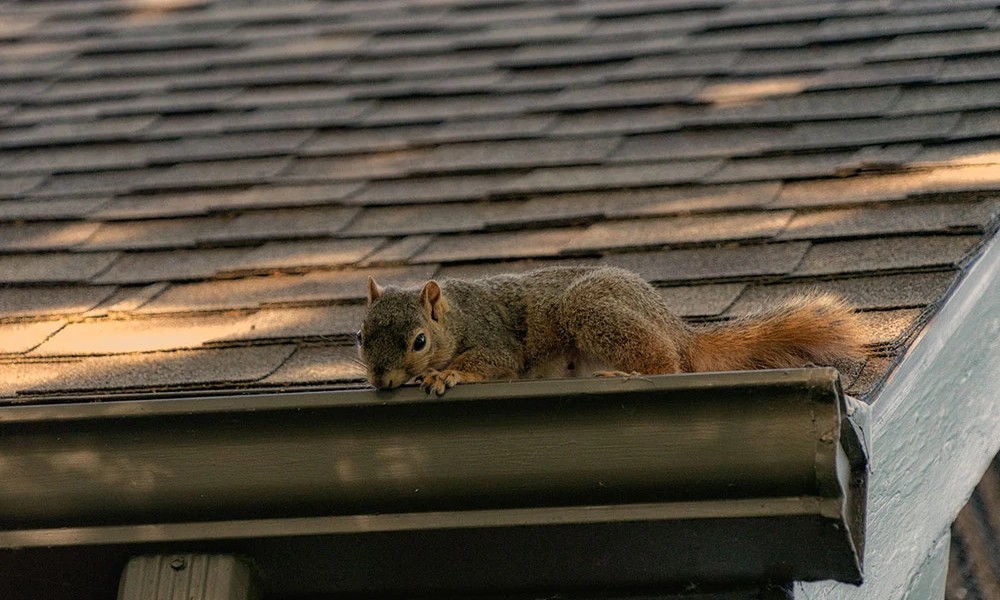
Squirrels are daytime animals. Activity peaks at dawn and again in the late afternoon before sunset. The noises are fast scurrying, small thumps, and the characteristic sound of something rolling or dropping (often a cached nut or seed). Fox squirrels and eastern gray squirrels are the two species active across the Kansas City metro.
Raccoons are nocturnal and considerably heavier. The overhead noises are slower, louder thumps, often accompanied by vocal chatter, growling between adults, or the distinctive trilling of kits during spring and early summer. An animal heavy enough to make the ceiling visibly vibrate is almost certainly a raccoon, not a squirrel.
Bats are nearly silent when roosting. What most homeowners notice is the sound of wings at dusk as bats exit the roost, scratching or squeaking from wall voids during the day, or, most commonly, a bat appearing inside the living space of the home. A bat that makes it into a bedroom is rarely an isolated visitor. It usually indicates a roost established somewhere in the structure, typically in the attic or behind fascia.
Other species that occasionally appear include opossums (similar in size to raccoons but slower-moving), flying squirrels (nocturnal, lighter than gray squirrels, often sounding like small scratching), and roof rats, which are uncommon in the area but increasing in established urban neighborhoods.
What Missouri Law Actually Says About Trapping and Relocating
The Missouri Wildlife Code, administered by the Missouri Department of Conservation, governs what homeowners can and cannot do with wildlife on their property. Several points matter.
Homeowners can trap nuisance wildlife on their own property without a permit in many situations, but released animals must generally be released on the property where they were captured or taken to a licensed wildlife rehabilitator. The commonly assumed right to trap a raccoon and release it at a nearby park or rural area is not legal in Missouri. Relocation of live wildlife across property lines without a permit violates the Wildlife Code.
Rabies vector species (raccoons, skunks, foxes, bats, and coyotes in Missouri) carry additional constraints because of public health considerations. Most licensed wildlife control operators handle these species through euthanasia rather than relocation.
Homeowners uncertain about a specific situation can call the Missouri Department of Conservation’s regional office or consult the MDC website, which publishes current nuisance wildlife guidance that updates as regulations change.
Why Bats Are a Category of Their Own
Bats in Missouri are protected under several overlapping legal frameworks. All bat species are protected under state law, and several species that occur in the Kansas City area (including the Indiana bat and the northern long-eared bat) are federally listed under the Endangered Species Act. Harming or killing these species carries significant penalties.
Maternity season, typically mid-May through mid-August in Missouri, is the most constrained period. Sealing a roost during maternity season traps flightless young inside the structure, where they die and produce secondary problems (odor, fly infestation, structural damage) that are worse than the original roost. Professional bat exclusion work follows a defined seasonal window and uses one-way exit devices that allow bats to leave but not return, installed after young are flying independently.
Any bat found inside a home where humans or pets have been sleeping warrants a call to the local health department and a medical consultation about rabies exposure, because bat bites can be small enough to go unnoticed. The CDC’s guidance is explicit on this point: if there is any possibility of contact, rabies post-exposure prophylaxis is usually recommended, and the bat should be captured alive if safely possible for testing.
The Real Work: Finding the Entry Point
Trapping an animal that is already in the attic does not solve the problem if the entry point remains open. Wildlife enters through a predictable set of structural vulnerabilities: damaged roof edges, unscreened gable vents, separated soffit corners, chimney caps that have failed, loose flashing around skylights or roof penetrations, and in the case of raccoons, directly through roof decking that has been softened by moisture.
A thorough inspection of the exterior envelope, usually from a ladder, identifies the entry points. Sealing them with appropriate materials (heavy-gauge hardware cloth, properly installed vent screens, and repaired flashing) is the step that prevents the problem from recurring next year.
Kansas City pest control providers with wildlife experience, or working with licensed wildlife control partners, handle the exclusion work as part of the service. Homeowners who trap an animal themselves without addressing the entry point almost always see the problem return within weeks, either from the same species or from a different one moving into the newly vacant space.
When to Call and What to Have Ready
Any animal audibly active in the attic, any bat inside a living space, and any visible damage to soffits, gable vents, or roof edges warrants a professional inspection. Photos of the area, notes on the times of day noise occurs, and any sightings help speed up the identification.
For animals already inside a wall or vent that cannot escape on their own, timing becomes urgent. An animal trapped between floors or in a stovepipe requires prompt response to prevent suffering and to avoid secondary odor and insect issues.
The Short Version
Attic wildlife in Kansas City homes is almost always identifiable within a day by noise pattern and time of activity. Missouri law constrains what homeowners can do about it in ways most people do not realize, and bats in particular are protected under federal and state law with maternity-season restrictions that cannot be ignored. For homeowners dealing with raccoons, squirrels, or bats in the structure, a Kansas City pest control provider such as ZipZap Termite & Pest Control that understands the regulatory framework and focuses on entry-point exclusion is a safer starting point than a hardware-store trap and a late-night drive to a state park.

Comments are closed.