
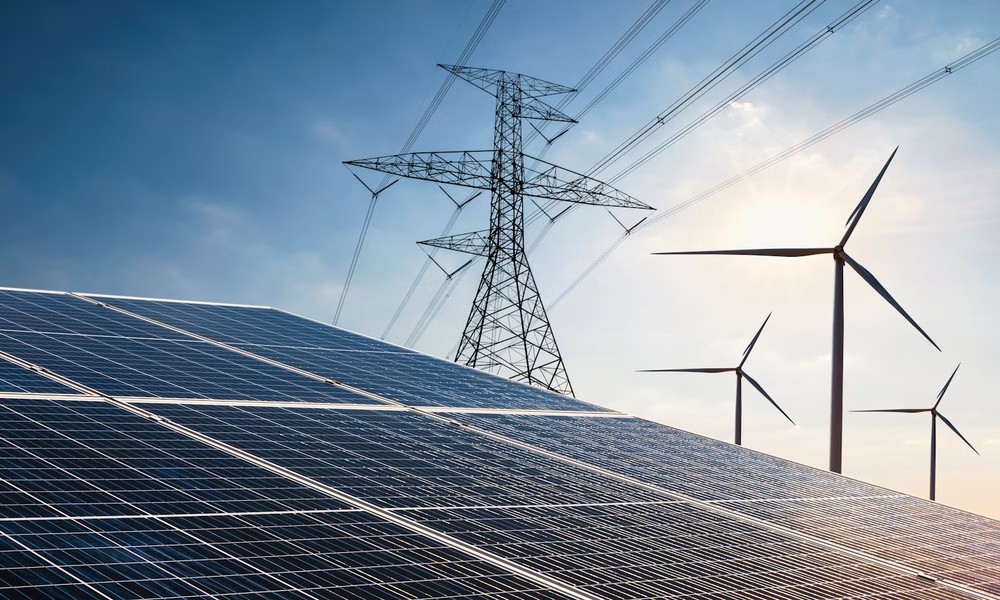
Renewable energy EPC contractors play a quiet but crucial role in turning ambitious solar and wind plans into functional power sources. These firms handle the engineering, procurement, and construction that connect variable renewables to the grid, often in places where infrastructure lags behind. Knobelsdorff, based in Minnesota, has built a track record in this space through projects like utility-scale solar arrays and battery storage systems. Their work shows how practical decisions on the ground can make or break grid integration.
Grid stability remains a big hurdle when renewables scale up. Solar output fluctuates with the weather, and wind can surge unexpectedly, putting stress on transmission lines. A renewable energy EPC contractor must design systems that smooth these variations, using tools like inverters and controls to match grid frequency. In rural Midwest settings, where many projects land, aging substations complicate things further. Knobelsdorff tackled this in their Marshall solar project by upgrading local infrastructure alongside the array installation.
Balancing Engineering with Local Realities
Engineering starts with site assessments that go beyond soil tests. Teams evaluate grid capacity early to avoid costly surprises later. For instance, harmonic studies ensure that new inverters don’t introduce electrical noise that could trip protections downstream. In colder climates like Minnesota’s, designs incorporate heating elements to keep equipment operational during freezes.
Procurement decisions tie directly to reliability. Sourcing transformers with the right ratings prevents bottlenecks, especially when lead times stretch due to supply chain issues. Contractors weigh options like domestic versus imported components, factoring in tariffs and delivery risks. Knobelsdorff sources materials that align with project timelines, as seen in their community solar initiatives, where quick turnaround kept budgets in check.
Procurement Pitfalls and How to Sidestep Them
Finding the right suppliers demands more than price comparisons. Battery modules for storage systems, for example, vary in cycle life and safety features. A misstep here could lead to underperformance or recalls. Experienced renewable energy EPC contractors build relationships with vetted vendors to secure warranties that cover real-world use.
In one case, delays from global chip shortages hit inverter deliveries hard. Firms mitigate this by ordering in phases and maintaining buffer stocks. Knobelsdorff navigated similar issues in their Dundas solar project, coordinating procurement to sync with construction crews on site.
Construction Phases That Demand Precision
Construction brings designs to life, but coordination is key. Groundwork involves trenching for cables and pouring foundations for panels or battery enclosures. Electrical tie-ins require careful sequencing to minimize outages on live grids. Safety protocols, like grounding checks, prevent accidents in high-voltage zones.
Commissioning tests everything under load. Teams simulate peak conditions to verify response times. Any glitches get addressed before handover, ensuring the system contributes positively from day one. In utility-scale setups, this phase often reveals tweaks needed for optimal energy flow.
Maintenance Strategies for Long-Term Viability
Once operational, systems need regular attention to stay efficient. Monitoring software flags anomalies in real time, from voltage dips to module degradation. Predictive analytics help schedule interventions, reducing unplanned downtime. In snowy regions, clearing panels becomes routine to maintain output.
Contracts often include performance guarantees tied to metrics like availability. This pushes contractors to design with longevity in mind. Knobelsdorff supports ongoing operations in its 125 MW solar portfolio, applying lessons from initial builds to refine maintenance approaches.
Renewable projects don’t end at ribbon-cutting. Grid operators demand ancillary services, like frequency regulation, which storage excels at providing. EPC firms integrate these capabilities upfront, future-proofing investments. As policies evolve, such as incentives for carbon reduction, adaptable designs gain value.
The push for renewables accelerates, but success hinges on details often overlooked. From initial grid studies to post-install monitoring, every step influences outcomes. Firms like Knobelsdorff demonstrate that hands-on experience in regional contexts leads to resilient systems. Their Minnesota projects highlight how renewable energy EPC contractors can bridge the gap between clean power goals and practical grid realities, fostering sustainable growth without the hype.

Comments are closed.