
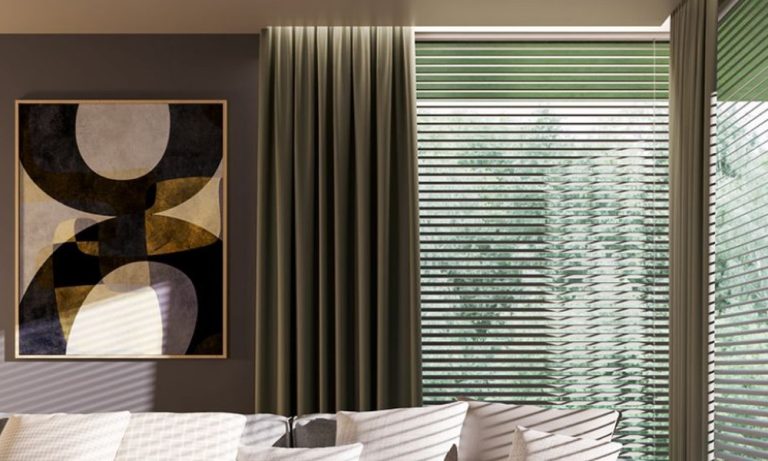
Choosing blinds in Singapore often feels straightforward until decisions begin to stack up. Many homeowners start with colour or price, only to realise later that everyday living creates different priorities. Light, heat, privacy, cleaning, and routine habits all shape whether curtains and blinds feel comfortable after installation. This list outlines practical considerations people usually encounter only after living with their choices. Rather than technical advice, it reflects real moments where expectations shift once blinds become part of daily home life and long-term use.
1. Light Control Changes Throughout the Day
Light behaves differently across rooms and hours. Morning glare, afternoon heat, and evening reflections affect comfort. Many people underestimate how often blinds will be adjusted daily. Curtains and blinds that look perfect at noon may feel frustrating at sunrise or sunset. Recognising how light shifts helps explain why fixed solutions sometimes feel limiting once routines settle.
2. Privacy Means Different Things at Different Times
Privacy needs vary by time and activity. Daytime privacy focuses on glare and passing neighbours, while evenings feel more exposed under indoor lighting. Some blinds solve one situation but struggle in another. This gap becomes noticeable only after use. Homes feel different at night, making privacy a lived experience rather than a static requirement.
3. Heat Management Becomes Personal
Singapore’s heat affects homes unevenly. West-facing windows trap warmth, while shaded rooms stay cooler. Blinds in Singapore often promise heat control, yet effectiveness depends on placement and daily habits. People notice temperature changes only after repeated afternoons indoors. Comfort becomes a personal judgement shaped by tolerance rather than specifications.
4. Cleaning Effort Adds Up Quietly
Maintenance rarely feels urgent during purchase. Over time, dust, humidity, and grease settle on surfaces. Some blinds demand frequent cleaning, while others age quietly. This effort influences satisfaction more than expected. Curtains and blinds that require less attention often feel better long-term, even if they seemed less exciting initially.
5. Noise and Movement Matter
Blinds move with air flow, windows, and daily activity. Sounds from chains, slats, or fabric shifting become noticeable during quiet moments. People rarely anticipate this. What feels minor at first can grow distracting. Living with blinds reveals how small movements affect comfort during rest, work, or late evenings.
6. Furniture Placement Limits Options
Furniture interacts with windows more than expected. Sofas, desks, and shelves restrict how blinds open and close. Some designs clash with daily movement. These limitations surface after installation. Homeowners realise that blinds do not exist alone but operate within lived spaces shaped by routines and layouts.
7. Aesthetics Shift After Installation
Blinds look different once they become the background. Initial excitement fades as homes settle into routine. Colours and textures blend into daily life. Some designs age gracefully, others feel dated quickly. This change affects the perception of value. A choice that felt bold may later feel heavy or distracting.
8. Long-term Use Outweighs First Impressions
The biggest consideration appears over time. How blinds feel after months matters more than first reactions. Ease of use, comfort, and compatibility with habits define satisfaction. Blinds in Singapore succeed when they quietly support daily life rather than constantly demanding attention or adjustment from occupants.
Conclusion
Most challenges with curtains and blinds come from expectation gaps rather than wrong decisions. People imagine how blinds should look, but learn how they actually behave only through use. Light, heat, privacy, and maintenance reveal themselves gradually, shaping comfort and convenience over time. When expectations adjust to lived experience, choices feel more practical and less disappointing.
Contact Window Art Gallery to understand curtain and blind choices better for homes with light, privacy, space, and daily living needs.