Archive

August 2023

Browsing

Most homes include skirting boards, which are a crucial component. They protect walls from potential damage caused by furniture, foot activity, and other factors in addition to adding decoration to a space.

For homeowners who wish to improve the appearance of their current skirting boards without the effort of removing them, over skirting boards, also known as clip-on or cover skirting boards, are a popular option. The method for installing skirting over skirting boards is described here, along with some helpful advice for producing a polished appearance.

Installation Procedures Order and Measure

Start by determining the length of the skirting boards you currently have. Note down the dimensions and order the corresponding length of over skirting boards. Make sure to choose a design and colour that complements your existing interior.

Preparation

Before you begin, ensure that the walls and existing skirting boards are free from dirt, dust, and any loose paint or wallpaper. Clean the surface thoroughly, as this will help the adhesive stick better and create a seamless finish.

Cutting the boards

Using a miter saw, cut the over skirting boards at a 45-degree angle to create neat corners. Measure each section accurately to ensure a perfect fit. It’s better to cut a little longer at first and then trim down gradually, as you can easily adjust the length, but it’s difficult to add more once it’s cut too short.

Adhesive application

  1. Apply a suitable construction adhesive to the back of the over skirting board, ensuring proper coverage.
  2. Start by applying the adhesive to the four corners and then add a few lines along the length of the board.
  3. This will ensure a secure bond.

Attaching the boards

Carefully position the over skirting board over the existing skirting board, pressing firmly to ensure good contact with the wall. You can use temporary support such as tape or clamps to hold the board in place while the adhesive sets. Repeat this process for each section until the entire room is covered.

Filling gaps

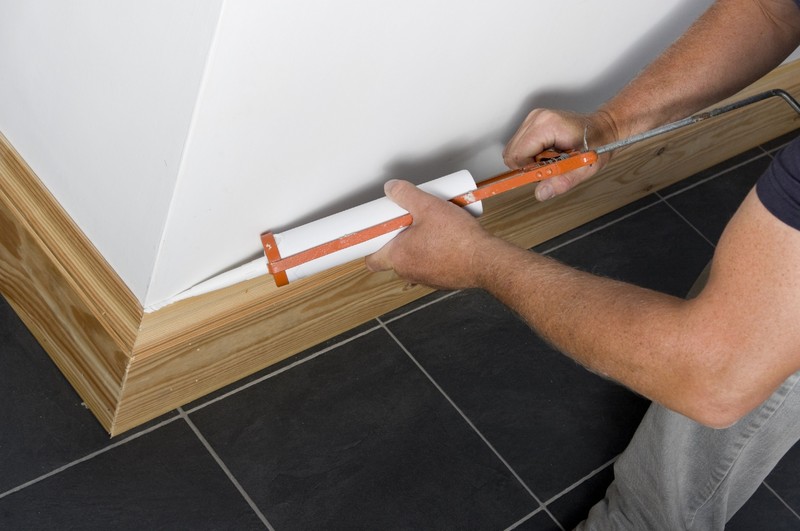
Once the adhesive has fully dried and the boards are firmly attached, inspect the room for any gaps between the over skirting boards and the wall. Use an appropriate filler, such as caulk or decorator’s filler, to fill in any imperfections or small gaps. Smooth out the filler with a putty knife or sponge and allow it to dry.

Finishing touches

Sand down any excess filler or rough edges for a smooth and seamless finish. Once done, you can paint or stain the over skirting boards to match your desired colour scheme. Apply a few coats of paint or stain, allowing each coat to dry completely before applying the next. This will enhance the overall appearance of the room.

FAQs

What tools are required for installing over skirting boards?

The tools required for installing over skirting boards typically include a measuring tape, a miter saw, a coping saw, a level, a hammer or a nail gun, a caulking gun, and a tube of adhesive.

How do I measure and cut over skirting boards accurately?

To measure and cut over skirting boards accurately, start by measuring the length of the wall where the skirting board will be installed. Use a miter saw to make precise 45-degree cuts for the corners, ensuring the two boards meet seamlessly.

Moving heavy furniture alone can be an overwhelming task, especially when faced with navigating staircases and tight spaces. The physical strain and logistical hurdles can make this endeavor seem daunting, and it’s crucial to approach it with careful planning and the right techniques.

Moving heavy furniture alone can be an overwhelming task, especially when faced with navigating staircases and tight spaces. The physical strain and logistical hurdles can make this endeavor seem daunting, and it’s crucial to approach it with careful planning and the right techniques.

Assessing the Situation

Evaluating the Furniture and Stairs

When faced with the task of moving heavy furniture upstairs solo, a prudent approach starts with evaluating both your furniture and the stairs. Scrutinizing the dimensions and weight of the furniture helps you strategize the safest method for its transportation. Simultaneously, assessing the stairwell – its width, height, and any potential obstacles – guides your planning process. 

Clearing Pathways and Removing Obstacles

Before embarking on the challenging task of moving heavy furniture upstairs alone, it’s essential to clear pathways and eliminate any potential obstacles. This meticulous preparation minimizes the risk of accidents and damage to both your furniture and property. By removing rugs, clutter, or other hindrances along the route, you ensure unobstructed movement.

Essential Tools and Supplies

Gather Necessary Tools for Disassembly

Achieving success as a solo mover hinges on having the right tools at your disposal, especially when it comes to disassembling furniture. Prioritize gathering screwdrivers, wrenches, and other tools required to dismantle larger pieces. This step simplifies the moving process by reducing the overall bulk and weight of items, making them more manageable for navigating staircases.

Acquiring Moving Equipment Such as Sliders, Straps, and Dollies

Equipping yourself with the appropriate moving gear, including sliders, straps, and dollies, proves invaluable when navigating the challenge of moving heavy furniture upstairs alone. Sliders diminish friction and facilitate smoother movement, while sturdy straps provide the needed support for lifting and maneuvering. Dollies, on the other hand, make transporting bulkier items considerably less taxing. 

Planning and Preparation

Creating a Detailed Moving Plan

Crafting a meticulous moving plan is the foundation of a successful solo furniture relocation. Begin by listing all the items you’ll be moving and their corresponding dimensions. This helps in assessing the space needed and planning the sequence of movement. Consider designating color codes or labels for each room to streamline the moving process on the big day. 

Measuring Doorways and Stairwell Dimensions

Precise measurements are your allies when maneuvering heavy furniture. Prior to the move, accurately measure the dimensions of doorways, hallways, and stairwells. This ensures that your furniture pieces fit seamlessly through these tight spaces. Armed with these measurements, you can determine whether disassembly is necessary and anticipate potential challenges.

Disassembling Furniture

Removing Detachable Parts Safely

Disassembling furniture minimizes the risk of damage during transit. Begin by removing detachable parts such as table legs, drawers, and headboards. Safely store these components in labeled bags or boxes to prevent loss. Keep a notepad handy to jot down the steps for reassembly later.

Keeping Hardware Organized During Disassembly

Tiny screws and bolts can easily vanish in the chaos of moving. Prevent this by placing hardware in sealable bags and taping them securely to the disassembled furniture piece. Clear labeling of these bags ensures that you won’t be scratching your head when it’s time to put everything back together.

Techniques for Lifting and Moving

Proper Lifting Stance and Posture

Avoid unnecessary strain by mastering the art of proper lifting. Bend your knees while keeping your back straight, engaging your core muscles. This stance provides stability and reduces the pressure on your spine.

Using the Legs, Not the Back, for Lifting

When lifting, leverage the strength of your legs. Push up with your leg muscles while maintaining the neutral alignment of your spine. Keep the furniture close to your body and avoid twisting or jerky movements to prevent injuries.

Utilizing Sliders and Dollies for Easier Transportation

Incorporate sliders or dollies to glide heavy furniture across floors with ease. Place sliders under the furniture’s corners or legs, and gently push to move. For larger items, like sofas or cabinets, a dolly offers extra support. Strap the furniture securely to the dolly to prevent shifting during transport.

Navigating Stairs Safely

Strategies for Solo Stair Navigation

Tackling stairs alone demands careful strategizing. To ascend, position yourself at the bottom of the stairs, holding the furniture’s weight from underneath. Gradually pivot and step up while supporting the load. When descending, lead with the furniture and take it step by step, maintaining control throughout.

Using Straps to Maintain Control While Going Up or Down

Harness the power of straps to maintain control while navigating stairs. Secure the furniture to a moving strap and position yourself at the appropriate angle for a balanced ascent or descent. These straps distribute the weight evenly and give you a steadier grip, ensuring both your safety and the furniture’s during the journey.

Safety First

Knowing When to Ask for Help

When it comes to moving heavy furniture upstairs on your own, recognizing when to seek assistance is key. Understand that some pieces might be too bulky or unwieldy for a single person to handle safely. If you find yourself struggling to maneuver an item, don’t hesitate to reach out for help. Enlist a friend, family member, or even a professional mover to lend a hand. Your well-being is paramount, and it’s perfectly alright to ask for support when faced with a challenging task.

Recognizing Your Limits and Prioritizing Well-being

Amidst the determination to get the job done, it’s vital to recognize your physical limits and prioritize your well-being. Pushing yourself too hard can lead to injuries and accidents, setting you back even further. Listen to your body – if you feel fatigued or strained, take a break. Hydration and proper lifting techniques are your allies; ensure you’re staying hydrated and using proper lifting postures to prevent strains. Remember, moving heavy furniture is a marathon, not a sprint. Your safety should always be the top priority as you work on accomplishing your moving goals.


In summary, mastering the art of moving heavy furniture upstairs solo requires a strategic approach. By assessing your furniture and space, using proper tools, planning meticulously, and adopting safe lifting techniques, you can overcome the challenges with confidence. Remember, safety is paramount, and recognizing your limits is crucial for a successful and injury-free move.

Publisher’s Details:

Triple 7 Movers
4480 Calimesa St, Las Vegas, NV 89115
(866) 650-7698
triple7movers.com
info@triple7movers.com

As you tackle moving heavy furniture upstairs on your own, you might encounter the need to disassemble certain pieces; it’s essential to let yourself be informed. Read: How to disassemble furniture with ease? If you’re seeking reliable movers in Spring Valley, NV, trust Triple 7 Movers for their exceptional services.

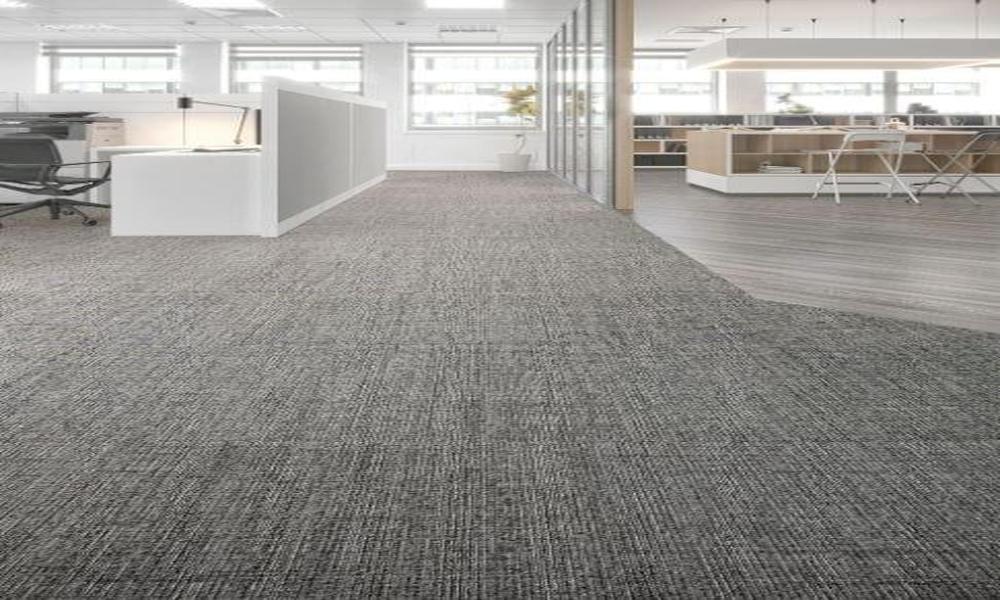
Office carpets are often made of high-quality materials that can last for years with proper care and maintenance. They are designed to withstand heavy foot traffic and frequent cleaning, making them a popular choice for commercial spaces. However, many people wonder if office carpets can also be used at home. The answer is yes, but there are several factors to consider before making the decision.

Size and Style

One of the main factors to consider when choosing a carpet for your home is the size and style. Office carpets are typically larger and more neutral in color than those designed for homes. While this may work well in a commercial space, it may not be the best choice for a home environment.

When choosing a carpet for your home, consider the size of the room and the style of your existing decor. A smaller, more colorful carpet may work well in a bedroom or living room, while a larger, more neutral carpet may be a better choice for a dining room or office.

Durability

Another factor to consider when choosing a carpet for your home is durability. Office carpets are designed to withstand heavy foot traffic and frequent cleaning, which makes them more durable than many carpets designed for homes.

If you have a lot of foot traffic in your home, or if you have pets or children, a more durable carpet may be a better choice. Look for carpets that are made from high-quality materials and have a high density of fibers to ensure that they can withstand wear and tear.

Maintenance

Office carpets are designed to be low maintenance, which is one reason they are so popular in commercial spaces. They are often made from materials that are resistant to stains and spills, which makes them easier to clean.

While this may seem like a good thing, it is important to consider the maintenance requirements of a carpet before choosing it for your home. A carpet that is too low maintenance may not be suitable for a home environment where spills and stains are more common.

Cost

The cost of a carpet is also an important factor to consider when choosing one for your home. Office carpets are often more expensive than those designed for homes because they are made from high-quality materials and are designed to withstand heavy foot traffic and frequent cleaning.

While it may be tempting to choose an office carpet for your home because of its durability, it is important to consider the cost and whether it fits within your budget. There are many affordable options for home carpets that are designed to withstand wear and tear, so it may be more cost-effective to choose one of these instead.

Conclusion

In conclusion, office carpets can be used at home, but there are several factors to consider before making the decision. Size and style, durability, maintenance, and cost are all important factors to consider when choosing a carpet for your home. By taking these factors into account, you can choose a carpet that fits your needs and will last for years to come.

Kitchen Sinks – Why Do They Get Blocked

Homeowners devote significant time to their kitchen sink; certain studies indicate this could be anywhere from 30 minutes to two hours daily. Therefore, when your kitchen sink is blocked, it’s far from a minor issue. Below are seven typical causes of a blocked kitchen sink and a plan of action to rectify the issue so you can promptly return to the growing mound of washing up.

Fat, Oil, or Grease

Any cooking component with a high-fat content—such as oil, bacon fat, or lard—might have been a liquid when you poured it down the sink. Still, over time, the fat solidifies when it encounters the cool interior of the drain, leading to severe blockages. You should dispose of any type of fat in a container and discard it in the rubbish bin.

Starches

Pasta, potatoes, beans, and rice are four usual culprits of blocked kitchen sinks. When exposed to water, they swell, forming a paste-like substance that harms your pipes. Dispose of these foods in the rubbish bin.

Ground Coffee

Like the starches mentioned above, coffee grounds become dense when combined with water, resulting in blocked pipes. Coffee should be thrown into the rubbish, added to the compost heap, or spread on the soil of acid-loving plants such as roses, as it lowers the soil’s pH.

Other Food Scraps

Food should always go into the rubbish or the compost as, over time, bits and pieces of your dinner can become lodged in the trap, the curved pipe under the sink. And we all know how indestructible sweetcorn is!

Soap Scum

Many soaps contain fats, and when they combine with the hard minerals found in some types of water, they can block your pipes. Hire a Drain Unblocking service to pressure-wash the pipes and consider soap-free cleaning products to resolve this.

Small Objects

If you have children, there’s a chance that a marble, small toy or other tiny object has accidentally found its way into the kitchen sink, causing the blockage. To unblock the pipes of any toy cars or dinosaurs, you’ll need to remove the P-trap or U Bend.

Tree Roots

If you have several blocked drains, it could be that your sewer line is backed up, possibly due to tree roots. The roots search for even the most minor cracks in your sewer line—especially if the lines are old—and infiltrate and grow within them. A specialist plumber will need to break up the tree root and clear the sewer line with a tool, and you’ll probably need to have the sewer pipes repaired.

Kitchen Sink Maintenance

Keep a clean kitchen sink and adhere to a regular maintenance routine to prevent blockages and other issues. These tasks include:

  • Running water to ensure food scraps are adequately washed away.
  • Clear out pipe build-up every week by pouring half a cup each of baking soda and white vinegar down the drain.
  • Consider installing drain screens to catch larger food particles and other objects that may accidentally fall into the sink. These are especially helpful in preventing clogs in the U Bend or P-trap.

Conclusion

By adhering to these regular maintenance tips, you can help prevent your kitchen sink from becoming clogged and ensure it continues functioning smoothly for many years.

But remember, if a clog does occur that you can’t quickly fix yourself, don’t hesitate to call in a professional. Getting the problem sorted sooner rather than later is always better to prevent potential damage.

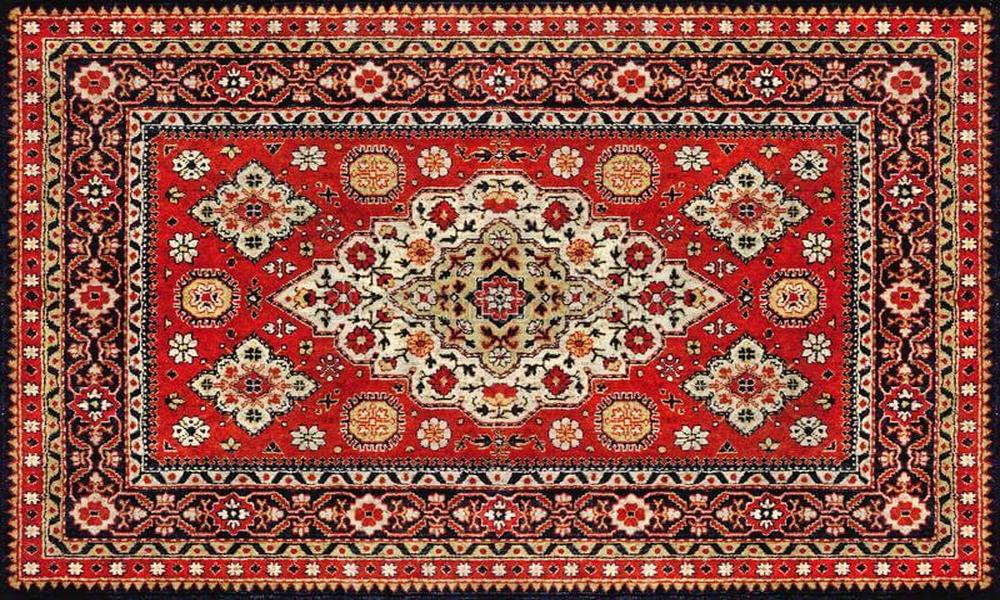
Persian rugs, renowned for their exquisite beauty and unparalleled craftsmanship, have captivated people around the world for centuries. These masterpieces of woven art not only adorn floors but also hold a deep cultural significance. In this article, we will explore fascinating facts and figures about Persian rugs, shedding light on their history, characteristics, and the enduring legacy they have left on the world of design.

●    Historical Significance

Persian rugs trace their origins back to ancient times, with evidence of rug weaving dating as far back as 500 BCE. The art of rug-making flourished during the Safavid dynasty in Persia (now Iran) in the 16th century, reaching its zenith in terms of design, craftsmanship, and innovation. These rugs were not only woven for utilitarian purposes but also served as a form of artistic expression and a symbol of status and wealth.

●    Traditional Weaving Techniques

Persian rugs are predominantly hand-woven, a laborious process that requires immense skill and patience. Artisans use a variety of techniques, including the knotting method, to create intricate patterns and designs. The most common knot used in Persian rug weaving is the asymmetrical or Persian knot, known for its durability and ability to produce highly detailed motifs. Each rug is a testament to the weaver’s expertise, often taking several months or even years to complete.

●    Diverse Regional Styles

Persian rugs exhibit a rich diversity of regional styles, each reflecting the cultural heritage and artistic traditions of their respective areas. Some of the well-known styles include the luxurious and intricately patterned Kashan rugs, the bold and geometric designs of Heriz rugs, and the floral motifs found in Tabriz rugs. Each style carries its distinct characteristics, colors, and motifs, making Persian rugs a captivating tapestry of cultural narratives.

●    Natural Materials and Dyes

One of the distinguishing features of Persian rugs is the use of natural materials and dyes. Traditional Persian rugs are typically crafted from high-quality wool, which offers durability and a luxurious feel underfoot. Silk is also used, often in combination with wool, to add a lustrous sheen and enhance intricate detailing. The natural dyes derived from plants, insects, and minerals create a vibrant and enduring color palette that ages beautifully, acquiring a rich patina over time.

●    Investment Value

Persian rugs are not just exquisite works of art but also valuable investments. Renowned for their longevity, these rugs often appreciate in value over time, making them sought-after collectibles. Factors such as age, condition, design, and rarity play a significant role in determining their worth. Some exceptional antique Persian rugs have fetched staggering prices at auctions, reflecting their enduring appeal and status as prized possessions.

Persian rugs continue to captivate admirers worldwide, with their timeless beauty, intricate craftsmanship, and rich cultural heritage. From their ancient origins to their enduring value as art and investments, these rugs stand as enduring testaments to the skill and creativity of Persian artisans. Owning a Persian rug is not merely possessing a floor covering but owning a piece of history and artistry.