Category

HVAC Contractor

Category

Finding the perfect AC temperature is a balancing act. Set it too high, and you’re sweating. Set it too low, and your energy bills skyrocket. So, what’s the ideal temperature to keep your home comfortable without draining your wallet? Let’s break it down.

The Sweet Spot for Comfort and Savings

According to the U.S. Department of Energy, the magic number is 78°F when you’re home. This setting provides a good mix of comfort and efficiency. But if 78°F feels a little warm, try lowering it by a degree or two and see how you feel. Small adjustments can make a big difference in your comfort and energy costs.

When you’re away from home, bumping up the temperature to around 85°F can help cut down on cooling costs. At night, lowering the thermostat to between 60°F and 67°F can help improve sleep quality.

Smart Ways to Maximize Comfort

If 78°F doesn’t sound cool enough, don’t worry! There are ways to make your home feel cooler without cranking up the AC:

  • Use Ceiling Fans – Fans don’t lower the temperature, but they create a wind-chill effect that makes you feel cooler.
  • Close the Blinds – Keep blinds or curtains closed during the hottest parts of the day to block out the sun’s heat.
  • Limit Heat-Producing Activities – Cooking on the stove, running the dryer, or using the oven can all raise indoor temperatures. Try to do these in the evening when it’s cooler.
  • Seal Leaks – Check for gaps around doors and windows. A well-sealed home keeps cool air in and hot air out.

Programmable and Smart Thermostats

Want to save even more? A programmable or smart thermostat can automatically adjust temperatures based on your schedule. For example, it can raise the temp when you’re out and cool things down before you get home. Smart thermostats even learn your habits and adjust settings for maximum efficiency.

Regular Maintenance for Peak Performance

Even if you set the thermostat to the perfect AC temperature, your AC won’t run efficiently if it’s not well-maintained. Keep your system in top shape by:

  • Changing the air filter every 1-3 months.
  • Scheduling regular tune-ups to keep the system running efficiently.
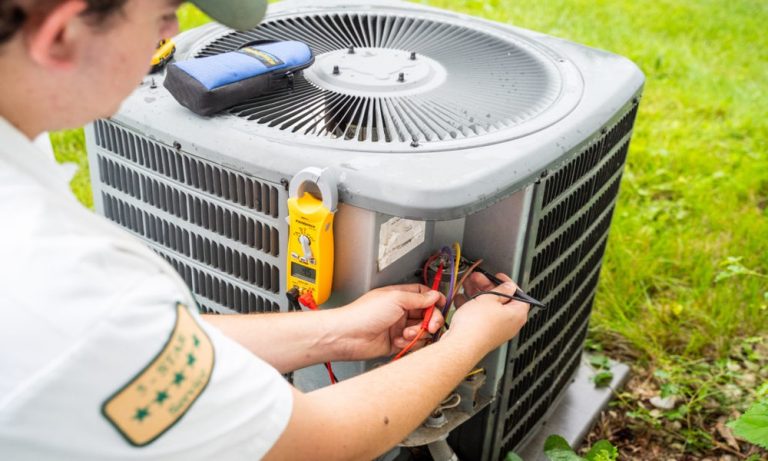
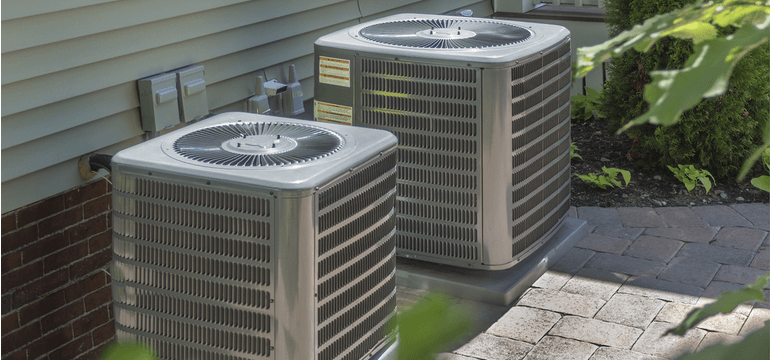
  • Cleaning the outdoor unit to prevent dirt buildup from blocking airflow.

Bottom Line

The best AC temperature for your home depends on your comfort preferences and energy goals. Start with 78°F and adjust as needed. Combine this with smart habits and regular maintenance to keep cool without overpaying for energy.


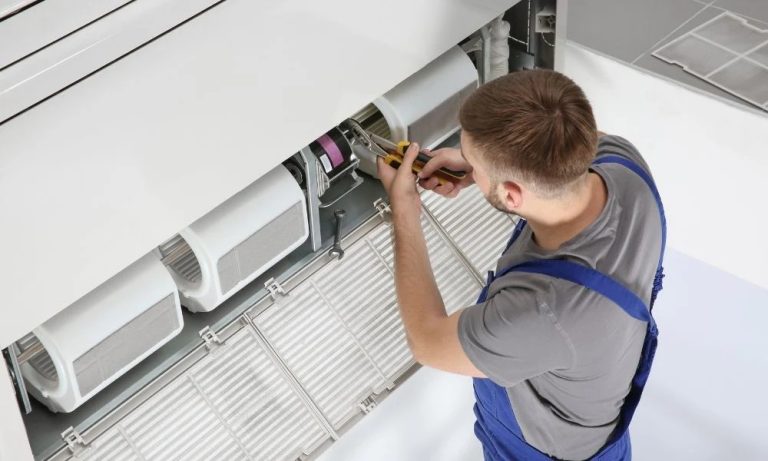
Proper heating system maintenance is essential for keeping your home comfortable and your system running efficiently throughout the colder months. Planned servicing reduces the risk of unexpected breakdowns and saves money on energy bills and repairs. Seeking professional HVAC services in Venice can help schedule routine maintenance, ensuring your heating system performs optimally and remains dependable when needed most.

Why Heating System Maintenance Matters

Many homeowners need to pay more attention to routine heating system maintenance, which can lead to inefficiencies and costly repairs. A well-maintained system keeps your home comfortable and reduces energy consumption. Below, we outline ten key benefits of keeping your heating system in top condition.

Improved Energy Efficiency

When heating systems are cleaned and serviced regularly, they operate more efficiently and consume less energy. Clogged filters and dirty components force the system to work harder, driving up utility bills.

Lower Utility Bills

Improved efficiency means lower energy consumption. Regular maintenance ensures you’re not paying extra for heat due to inefficiencies or faulty components.

Extended Equipment Lifespan

A well-maintained heating system lasts longer. Addressing minor issues during routine check-ups prevents them from escalating into significant problems that can shorten the system’s lifespan.

Consistent and Reliable Heating

No one wants a heating system that fails during the peak of winter. Maintenance ensures your system provides consistent and reliable warmth throughout the season.

Fewer Repairs

Preventative maintenance helps identify and fix minor issues before they turn into expensive repairs. This proactive approach saves you money and ensures fewer breakdowns over time.

Enhanced Indoor Air Quality

A clean heating system improves the quality of the air circulating in your home. Dust, allergens, and debris are often trapped in the system, but regular maintenance prevents these particles from being released into your living spaces.

Increased Safety

Heating systems, especially those powered by gas, can pose safety risks if not properly maintained. Regular inspections can detect gas leaks, carbon monoxide issues, and other potential hazards.

Environmental Benefits

A well-kept heating system reduces your carbon footprint by reducing energy consumption. Efficient systems are more environmentally friendly, making routine maintenance a sustainable choice.

Compliance with Warranty Requirements

Many manufacturers require regular maintenance as part of their warranty conditions. Avoiding this can invalidate your warranty, leaving you to cover repair costs out-of-pocket.

Peace of Mind

Understanding that your heating system is operating efficiently and safely provides invaluable peace of mind, particularly during extreme weather conditions. Regular maintenance ensures your home remains warm and comfortable while reducing the risk of unexpected breakdowns when you need your system the most.

How to Choose the Right HVAC Contractor

Seeking the right professional for heating system maintenance is just as important as the maintenance itself. Check out this guide how to select the right commercial HVAC contractor to ensure you choose a qualified expert for your needs.

Conclusion

Heating system maintenance offers numerous benefits, including lower bills, improved safety, enhanced reliability, extended lifespan, better performance, and healthier indoor air quality. Scheduling regular check-ups ensures the system operates efficiently, prevents unexpected breakdowns, and delivers consistent comfort and peace of mind during colder months.

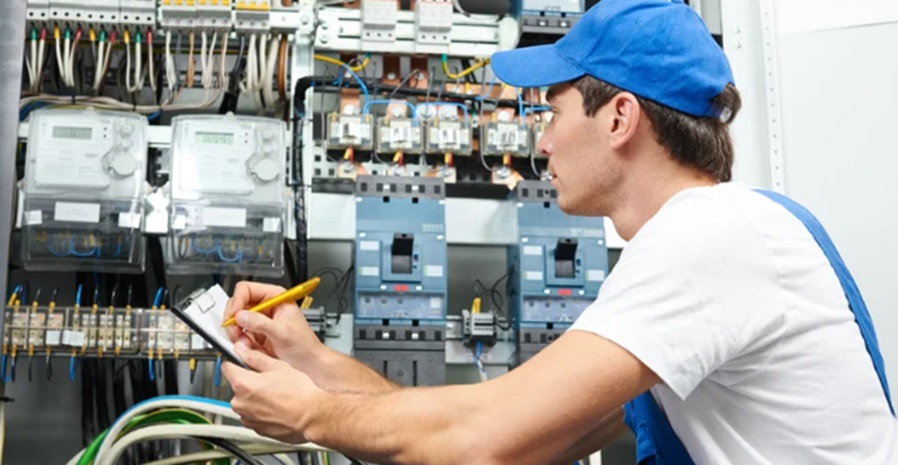
Electricians play a crucial role in maintaining the safety and functionality of electrical systems in homes and businesses. For those searching for an electrician in Manassas, it’s important to recognize the distinct differences between commercial and residential electricians. Understanding these differences ensures you hire the right professional for your needs.

The Role of Residential Electricians

Residential electricians install, maintain, and repair electrical systems within homes and small apartment complexes. Their work includes wiring new houses, installing lighting fixtures, and troubleshooting electrical issues in a household setting. They ensure that the electrical components in a home operate safely and efficiently, adhering to local codes and regulations that govern residential properties.

The Role of Commercial Electricians

Commercial electricians focus on electrical systems in commercial buildings such as offices, retail stores, and industrial facilities. They handle more complex systems that often require higher voltage and intricate wiring setups. Their responsibilities may include installing electrical systems during new construction, upgrading outdated systems, and performing maintenance to prevent electrical hazards in a business environment. Commercial electricians must be well-versed in strict building codes and regulations that apply to commercial properties.

Key Differences Between Commercial and Residential Electricians

While both types of electricians are trained professionals, the scope and complexity of their work differ significantly.

Training and Expertise

Commercial electricians often undergo additional training to handle the complexities of commercial electrical systems. They deal with three-phase power systems, emergency power systems, and sophisticated electrical equipment. Residential electricians, on the other hand, typically work with single-phase systems found in most homes.

Tools and Equipment

The tools used by commercial electricians are generally more specialized. They might use advanced diagnostic tools and work with high-capacity wiring and conduit systems. Residential electricians use tools suited for smaller-scale projects, such as basic wiring and installations within a home.

Work Environment

Commercial electricians often operate in larger spaces that may still be under construction, requiring them to navigate unfinished buildings while adhering to strict safety protocols. In contrast, residential electricians typically work in completed homes, focusing on existing structures and systems. Understanding these differences can provide valuable insights into the various specializations within the electrical field, helping individuals appreciate the distinct roles electricians play in different environments.

Why Understanding the Difference Matters

Selecting the appropriate electrician is essential to ensure that your electrical project is completed safely, efficiently, and in compliance with all relevant codes. Hiring a residential electrician for a commercial project—or vice versa—can lead to subpar workmanship or even safety hazards. Both businesses and homeowners benefit from choosing a professional whose expertise aligns with their specific electrical needs.

Regular maintenance and inspections are crucial regardless of the setting. Staying proactive can help prevent potential hazards and costly repairs down the line. Understanding the importance of regular electrical upkeep is vital for maintaining a safe and functional environment and making informed choices essential for all electrical projects.

Conclusion

Understanding the distinctions between commercial and residential electricians is essential when seeking electrical services. Each specializes in different areas, possesses unique skills, and operates within specific environments. By recognizing these differences, you can make informed decisions and ensure that your electrical systems are handled by the right professional.

When you ask the question how to grow my HVAC business, the first step is understanding how people find your business. There’s no secret that most people turn to search engines like Google when they need help.

Local SEO for HVAC contractors helps businesses significantly improve their online visibility in search results.

Did you know that search results are different depending on the location of the user?

Search engine optimization helps HVAC businesses improve search rankings in your local area. So when someone searches for HVAC company near me, your company appears at the top of Google, Bing and other search engines.

What Is Local SEO?

This approach involves optimizing your online presence to appear in local search results when potential customers search for services you offer, ensuring you don’t miss out on valuable traffic and leads that are right in your backyard.

Optimize Your HVAC Business for Local Search

Optimizing your HVAC business for local search is essential in today’s digital marketplace. By enhancing your local SEO, you increase the chances that potential customers will find your business when they need your services the most. Key to this is the effective use of your Google Business Profile, which acts as a direct conduit to local customers. Additionally, ensuring that your website is optimized for local search intent—meaning it’s tailored to meet the specific needs and questions of local searchers—can drastically improve your visibility and attract more local customers.

Google Business Profile: A Gateway to Local Customers

For HVAC companies looking to expand their reach, a Google Business Profile is invaluable. By accurately setting up and actively managing this profile, you provide essential information directly to potential customers in your local area. This includes your business hours, services offered, and customer reviews, which are crucial for building trust and attracting local clients.

Importance of Pages for Each of Your HVAC Services

Creating individual pages for each of your HVAC services is a key tactic in local SEO. These pages allow for detailed and specific content that can be tailored with local keywords, which not only helps in ranking higher in local search results but also improves user experience by providing precise information customers are searching for.

How to Find Local Keywords

To find effective local keywords for your HVAC business, start by considering the specific terms your customers might use to search for your services in your area. Use tools like Google Keyword Planner or local customer surveys to gather insights. Pay attention to regional dialects or terminologies that are commonly used in your community.

How to Add Local Keywords to Your Website Content

Once you have identified your local keywords, integrate them naturally into your website’s content. Place them in critical areas such as titles, headers, meta descriptions, and throughout the body text. Ensure that their use flows naturally within the content to maintain readability and engagement.

Value of Content Marketing for SEO

Content marketing is an essential strategy for boosting your SEO efforts. By creating valuable, relevant content targeted at your local audience, you engage potential customers and drive more organic traffic to your site. This not only helps in building trust and authority but also signals to search engines that your website is a relevant source of information for local search queries.

Managing Online Reviews

Effectively managing online reviews is critical for local SEO success. Positive reviews can significantly enhance your business’s visibility and credibility, encouraging more local customers to choose your services. Responding to reviews, whether positive or negative, shows that you value customer feedback and are committed to improving service quality, further boosting your local SEO efforts.

Frequently Asked QuestionsHow Do I Get More Customers for My HVAC Business?

To attract more customers to your HVAC business, focus on enhancing your online presence through local SEO practices and maintaining an active and engaging Google Business Profile. Additionally, leveraging social media to showcase your services and customer testimonials can significantly increase your reach. Offering promotions and referrals can also draw new clients.

How to Grow a Successful HVAC Business?


Growing a successful HVAC business involves consistently delivering high-quality services and ensuring excellent customer satisfaction. Invest in training for your technicians to keep them updated on the latest technologies and techniques. Streamline your business operations with effective digital tools and focus on building strong local community ties to enhance your reputation and trustworthiness.

How Do I Market My HVAC Business?

Marketing your HVAC business effectively requires a multi-channel approach. Utilize digital marketing strategies such as SEO, email marketing, and social media campaigns. Traditional marketing methods like local ads and community sponsorships can also be powerful. Always highlight your unique selling points and customer testimonials to stand out.

How Profitable Is an HVAC Business?

The profitability of an HVAC business can vary widely depending on several factors such as location, the scale of operations, and marketing efficiency. However, with the right business strategies, including efficient service delivery, good financial management, and strong customer relationships, an HVAC business can be highly profitable. Regularly reviewing and optimizing your business practices and costs is key to maximizing profitability.

Conclusion

By leveraging local SEO, your HVAC business stands a better chance of being the first choice for customers in your area, directly leading to growth and increased profitability. Embrace these strategies to ensure your business not only survives but thrives in the competitive digital landscape.

 

Every household must choose the right heating system in order to stay warm and comfortable during the winter season. With so many options available in the market, it can be overwhelming to make a decision. In this guide, we will explore the top heating solutions for every home.

Central Heating Systems

Central heating systems are one of the most popular choices for homes as they provide consistent warmth throughout the entire house. They work by heating air in a central location and then distributing it through a network of ducts and vents to different rooms. The most common types of central heating systems are:

  • Furnaces: These use natural gas, oil, or electricity to heat air, which is then blown through ducts and distributed throughout the house.
  • Heat pumps: These use electricity to transfer heat from one location to another. They are more energy-efficient than furnaces and can also cool the house during summer.
  • Boilers: These use natural gas, oil, or electricity to heat water, which is then circulated through pipes to radiators or underfloor heating systems.

Space Heaters

Space heaters are portable heating devices that can provide warmth in specific areas of the house. They come in different sizes and types, including:

  • Electric space heaters: These use electricity to heat an element that radiates heat into the room. They are compact and ideal for small spaces.
  • Ceramic space heaters: These use ceramic plates to generate heat. They are energy-efficient and can heat up quickly.
  • Oil-filled space heaters: These use electricity to heat oil that is sealed inside the unit. As the oil heats up, it radiates warmth into the room.

Fireplace

A fireplace is a traditional heating solution that adds warmth and ambiance to a home. There are different types of fireplaces, including wood-burning, gas, or electric. They can also be freestanding or built-in.

  • Wood-burning fireplaces: These use wood logs as fuel and require a chimney for ventilation.
  • Gas fireplaces: These use natural gas or propane to produce heat and typically require a vent to the outside.
  • Electric fireplaces: These use electricity and do not require a chimney or vent. They are easy to install and can be used as decorative pieces even when not in use.

Radiant Floor Heating

Radiant floor heating is becoming increasingly popular as it provides warmth from the ground up, creating a more comfortable heating experience. There are two types of radiant floor heating:

  • Electric: This system consists of electric cables or mats installed under the flooring to generate heat.
  • Hydronic: This system uses hot water that is circulated through a network of pipes installed under the flooring.

Solar Heating

Solar heating is an eco-friendly and cost-effective way to heat your home. It works by using solar panels to collect energy from the sun, which is then used to heat air or water. There are two types of solar heating systems:

  • Active: This system uses pumps and controls to circulate heated air or water throughout the house.
  • Passive: This system relies on the natural circulation of heated air or water without the use of pumps or controls.

Seeking Professional Advice

When choosing a heating solution for your home, it is important to seek professional advice for heating in Atlanta. A specialist can assess your home’s needs and recommend the best solution based on factors like size, layout, and climate. They can also help with installation and maintenance to ensure your heating system operates efficiently throughout the winter season.

Wrapping Up

Choosing the right heating solution for your home is essential for staying warm and comfortable during the winter months. From central heating systems to fireplaces, there are many options available to suit different needs and budgets. Consider seeking professional advice and learn the common heating mistakes that can cost you in order to make an informed decision and keep your home warm all winter long. Remember, a cozy and warm home is the key to surviving the winter chill. So, explore your options and choose the best heating solution for your home today!