
Tag

Home Design

Browsing

For centuries, architecture has been about shelter—protection from the elements, comfort, and security. Yet in today’s most exclusive homes, the idea of separation is evolving. High-end residential design is increasingly defined by its ability to merge interiors with the natural world, creating spaces where living rooms flow seamlessly into gardens, kitchens spill out onto terraces, and entire walls disappear to reveal panoramic views. This approach, known as indoor-outdoor living, has become one of the most sought-after hallmarks of luxury home design.

The Allure of Connection

At its core, indoor-outdoor living speaks to a timeless desire: the need to connect with nature. Urbanization and modern lifestyles often separate people from the outdoors, but architectural design is finding ways to bring that connection back—without sacrificing comfort or style. For homeowners, the result is a more fluid lifestyle, one where entertaining, relaxing, and dining are enriched by fresh air, natural light, and the beauty of landscaped surroundings.

High-end residences embrace this concept with designs that make boundaries feel almost invisible. When done well, a home can feel both expansive and intimate, offering the openness of the outdoors and the refinement of interior comfort.

Disappearing Walls and Expansive Views

One of the most striking features of indoor-outdoor living is the use of large, retractable glass walls. These operable systems allow entire façades to slide away, erasing the division between inside and out. For residents, it means that a living room can open to a pool deck in seconds, or a dining space can extend into a lush courtyard for an al fresco experience.

High-performance glazing ensures that even when closed, these walls provide uninterrupted views, insulation, and protection. This technology allows architects to design homes that embrace openness without compromising efficiency or safety.

Outdoor Rooms as Extensions of the Home

Gone are the days when outdoor areas were limited to a patio or a simple lawn. Today’s luxury residences feature outdoor “rooms” complete with kitchens, dining areas, lounges, and even wellness spaces. These areas are designed with the same attention to detail as their interior counterparts, featuring high-quality finishes, integrated lighting, and climate-control solutions such as retractable awnings or heated flooring.

Fireplaces, water features, and sculptural landscaping add ambiance, ensuring outdoor spaces feel just as refined as the interiors. In effect, the home’s footprint extends seamlessly, with no drop in comfort or sophistication.

Blending Natural and Built Environments

Indoor-outdoor living goes beyond open walls and terraces. It also reimagines how nature itself is integrated into the architecture. Courtyards, green roofs, and interior gardens blur the line between built space and landscape, creating immersive environments that surround occupants with greenery.

Biophilic design—an approach that emphasizes the human connection to nature—plays a key role here. Elements like natural wood, stone, and water features help soften transitions and create a holistic sense of harmony between the home and its environment.

Climate-Sensitive Design

Indoor-outdoor living requires sensitivity to climate. In tropical or coastal regions, shade and airflow are prioritized to keep spaces cool and inviting. In cooler climates, heated outdoor areas and insulated glazing extend the usability of terraces and patios year-round.

Smart systems also play a role, with retractable shading, motorized screens, and automated heating or cooling responding to weather conditions in real time. These innovations ensure that outdoor spaces are not just seasonal luxuries but practical, comfortable areas throughout the year.

Entertaining Without Boundaries

For those who love to entertain, indoor-outdoor living offers unmatched possibilities. Guests can move seamlessly between indoor lounges, outdoor kitchens, and landscaped gardens, enjoying a cohesive environment without crowding or constraints.

Architects often design these spaces with a central flow in mind, ensuring that indoor and outdoor zones complement one another. The result is not just visual harmony but also functional efficiency—a hallmark of high-end design.

Wellness and Lifestyle Benefits

The integration of outdoor living is more than an aesthetic choice; it also supports health and well-being. Natural light and ventilation improve air quality and support circadian rhythms, while access to outdoor spaces encourages physical activity and relaxation. For many residents, the ability to wake up, step onto a terrace, and enjoy the sunrise is as much a luxury as any high-end finish or technology.

The Role of Luxury Residential Architects

Indoor-outdoor living requires vision, precision, and innovation. It demands more than simply adding sliding doors or patios—it calls for a thoughtful reimagining of spatial flow, materiality, and environmental context. This is why the expertise of luxury residential architects is so crucial. Their role is to create seamless transitions that enhance lifestyle while ensuring structural integrity, energy efficiency, and aesthetic distinction.

By balancing artistry and engineering, architects design homes that capture the essence of modern luxury: spaces that celebrate openness, connection, and harmony with the natural world.

Indoor-outdoor living represents the next evolution in high-end residential design. It allows homes to become sanctuaries that are at once open and private, expansive and intimate, natural and sophisticated. By erasing boundaries, architects are redefining how people experience luxury living.

In these spaces, the walls may disappear, but the sense of comfort, beauty, and refinement only grows stronger. It is proof that true luxury lies not in isolation, but in connection—connection to the environment, to community, and to the simple joys of living both indoors and out.
The home is more than just a structure; it is a sanctuary, a retreat from the chaos of the outside world. Yet, in today’s fast-paced, noisy environment, our homes often fail to provide the tranquility we crave. Designing spaces that foster peace and quiet can have profound effects on our mental and physical well-being. By carefully considering layout, materials, and design principles, we can transform our living spaces into serene havens that nurture relaxation and mindfulness.

Our surroundings shape our emotions, productivity, and overall health. A cluttered, noisy, and disorganized space can heighten stress levels, disrupt sleep, and contribute to feelings of unease. Conversely, a thoughtfully designed, quiet home provides a refuge where the mind can rest, recharge, and find clarity. By integrating intentional design elements, we can cultivate an atmosphere that supports emotional balance and well-being.

Why Quiet Spaces are Important Home Design

Noise pollution is often an overlooked aspect of home design. Whether it’s the hum of household appliances, outside traffic, or digital noise from screens, unwanted sound can disrupt concentration, increase anxiety, and even affect cardiovascular health. Quiet spaces, carefully integrated into home design, create pockets of peace that allow for uninterrupted relaxation, reading, meditation, or simple contemplation.

Research has shown that prolonged exposure to noise triggers the release of stress hormones like cortisol, which can negatively impact overall health. Silence, on the other hand, has been linked to cognitive restoration, improved mood, and enhanced focus. A home that minimizes noise pollution can serve as a powerful antidote to daily stressors, helping individuals achieve a greater sense of calm and well-being.

Designing a home that embodies the essence of a retreat involves more than just aesthetics; it requires intentionality in every aspect of space planning. Thoughtful selection of materials, strategic placement of furniture, and the incorporation of natural elements all play a role in crafting a tranquil environment. Soft lighting, neutral colors, and cozy textures can further enhance the sense of comfort and relaxation.

Understanding Noise Pollution in the Home

Many homes unknowingly harbor a range of disruptive noises. Household appliances, HVAC systems, thin walls, and even electronic devices contribute to an underlying hum of distraction. Open floor plans, while popular, can sometimes amplify sound rather than contain it. Recognizing these sources is the first step toward designing a quieter home.

Home Design

Persistent background noise, especially at night, can interfere with deep sleep cycles, leading to fatigue, irritability, and decreased cognitive function. Over time, excessive noise exposure has been linked to increased risks of anxiety and depression. Creating an environment that minimizes disturbances, particularly in the bedroom, is crucial for maintaining overall health.

Conducting a sound audit of your living space can help pinpoint the noisiest areas. Stand in different rooms at various times of the day and note where sound seems most intrusive. External noises, such as street traffic, should be addressed with insulation and window treatments, while internal noises can often be mitigated through thoughtful layout and material choices.

Design Principles for a Peaceful Home

  • Open vs. closed layouts – While open-concept living fosters connectivity, it can also lead to increased noise levels. Introducing partitions, sliding doors, or designated quiet zones can create balance, allowing for both communal and private spaces.
  • Minimalism – A minimalist approach to design naturally reduces noise by eliminating clutter and excess furniture that can contribute to sound reverberation. Simplicity in design fosters a sense of calm and makes spaces feel more open and breathable.
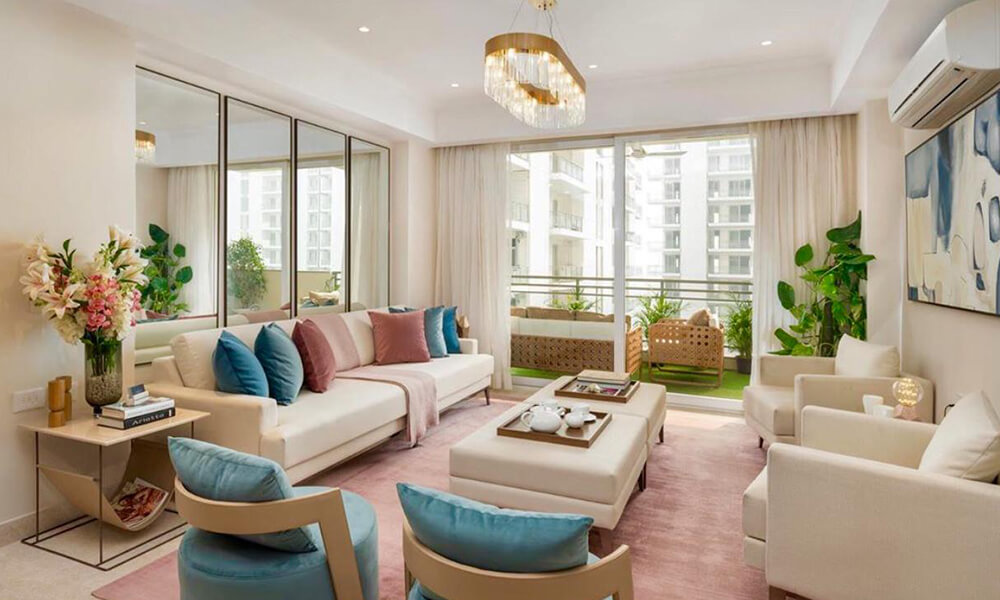
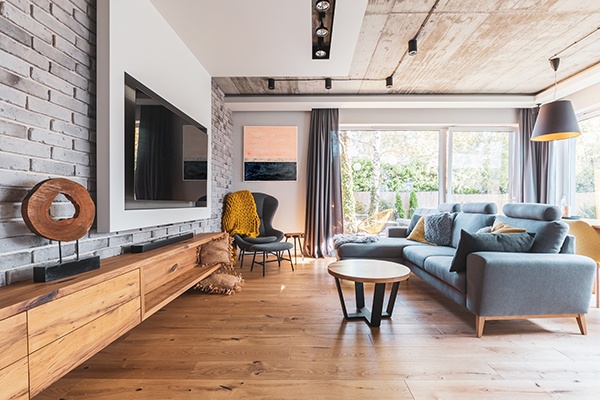
  • Colors and textures – Soft, muted tones and natural textures promote relaxation and sensory comfort. Earthy hues, such as warm whites, gentle greens, and soft blues, evoke a sense of serenity, while textured elements like wool, linen, and natural wood absorb sound and add warmth to a space.

Soundproofing Basics: Blocking Out the Chaos

Acoustic panels, dense insulation, and thick carpeting can significantly reduce noise transfer between rooms. Cork, rubber underlays, and heavy curtains can also serve as effective sound barriers.

High ceilings and empty spaces tend to amplify sound. Adding bookshelves, upholstered furniture, and wall tapestries can help absorb excess noise, preventing echo and creating a more soothing environment. Reducing echo and improve acoustics naturally can be done by:

  • Using rugs, curtains, and soft furnishings. Textiles play a crucial role in dampening sound. Layering rugs, using blackout curtains, and incorporating plush furniture can help muffle unwanted noise while enhancing the cozy feel of a space.
  • Choosing the right window and door features. Double-glazed windows, solid-core doors, and weatherstripping can make a significant difference in keeping external noise at bay. Investing in quality materials ensures long-term peace and comfort.

Creating Quiet Rooms

A dedicated space for reflection, reading, or meditation should be free from distractions. Positioning a comfortable chair near a window, adding dimmable lighting, and incorporating calming scents can enhance the experience.

If space allows, transforming an unused room into a designated quiet space can provide a true retreat within the home. Soundproofing, warm lighting, and minimal décor can contribute to a deeply restorative atmosphere.

The bedroom should be the quietest space in the home. Positioning the bed away from noisy areas, using blackout curtains, and incorporating soft bedding materials can promote a restful night’s sleep.

The Power of Nature in Creating a Calm Home

Plants not only purify the air but also help dampen noise. Large leafy plants like rubber trees, ferns, and peace lilies absorb sound waves, reducing background noise.

Fountains and indoor water features provide a natural white noise effect, masking disruptive sounds while adding an element of tranquility. Outdoor retreats, such as a Zen garden or a secluded patio, can offer additional areas of calm and relaxation, enhancing overall home serenity.

Smart Technology for a Quieter Home

While white noise machines can help drown out distractions, natural soundscapes such as gentle rain or ocean waves provide a more organic, immersive experience. Noise-canceling devices, automated window treatments, and soundproofing smart panels offer innovative solutions for maintaining a quiet home environment.

Conclusion

Creating a quiet home doesn’t require drastic renovations. Thoughtful adjustments, from rearranging furniture to incorporating calming elements, can yield significant benefits. By blending mindful design with intentional lifestyle habits, homeowners can cultivate a space that not only looks beautiful but also nurtures the soul.