
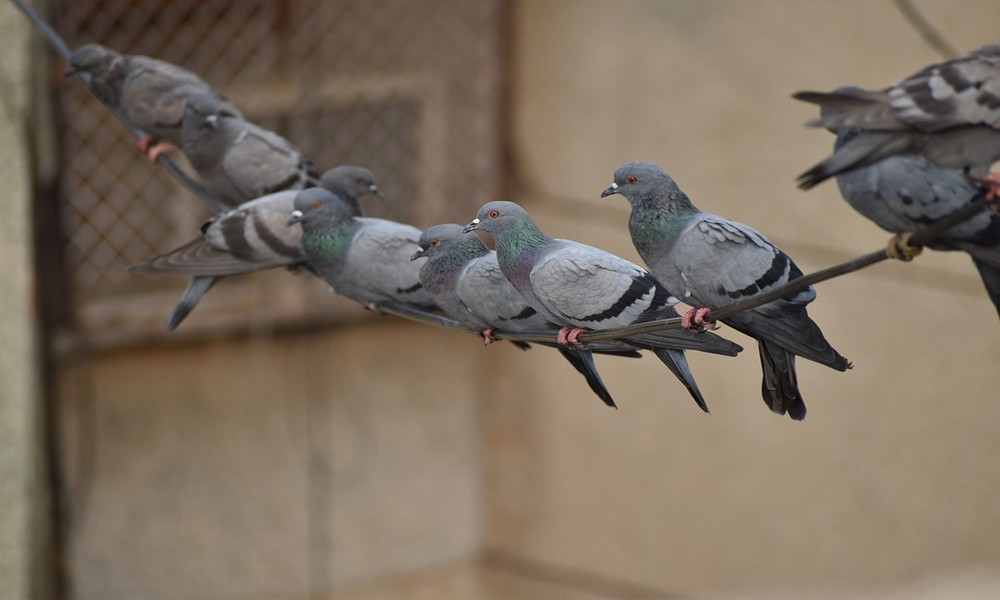
In cities like Des Moines and Cedar Rapids, pigeons are a very common sight. You see them on the ledges of downtown buildings and under the eaves of suburban homes. While these birds might seem harmless, they leave behind a major mess.
Pigeon droppings and nesting materials are more than just an eyesore for Iowa property owners. They carry hidden dangers that can affect your health and the value of your building.
Keeping your property clean is a big job that requires constant attention. Reliable Pest Solutions understands the specific challenges that Iowa families and businesses face when birds move in. They can provide the professional help needed to clear out the mess safely.
The Hidden Health Risks in Iowa Cities
One of the biggest reasons to clean up after pigeons is the risk of disease. Pigeon droppings can carry fungi and bacteria that are dangerous to humans. When the droppings dry out in the Iowa sun, they turn into a fine dust.
If you move this dust while walking or cleaning, you can breathe it into your lungs. This can lead to serious lung issues that feel like a bad case of the flu. In crowded areas of Des Moines or Cedar Rapids, this risk is even higher.
It is important to treat any area covered in bird waste as a health hazard. You should never sweep dry droppings without wearing a mask and wetting the area down first.
Protecting Your Property from Damage
Pigeon waste is very acidic. Over time, it can eat through the paint on your car and the stone on your porch. In our Iowa cities, many older buildings have beautiful brick and limestone. If bird droppings sit for too long, they cause permanent staining.
They can even erode the surface of the building itself. This leads to very expensive repair bills for homeowners. The nests themselves are also a major problem.
Pigeons build nests out of twigs, grass, and trash. These nests often block gutters and drainage pipes. When heavy Iowa rains hit, those clogged gutters overflow and cause water damage to your roof.
Dealing with Secondary Pests
Pigeons do not travel alone. They often carry “hitchhikers” like mites, ticks, and lice. When birds nest on your windowsill or near your vents, these tiny bugs find their way inside. They are looking for a new host, and your family or pets could be next.
Even after the birds fly away, these pests stay behind in the nesting material. If you do not clean up the area properly, you might find insects inside your house. Removing the nest and the waste is the only way to make sure these bugs do not settle into your living space.
Safe Cleaning Practices for Iowans
Cleaning up a pigeon mess requires a lot of care. You should always wear gloves and a protective mask before you start. The best way to begin is by soaking the area with a mixture of water and disinfectant.
This stops the dangerous dust from floating into the air. Once the mess is wet, you can carefully scrape it into a sturdy plastic bag. Be sure to seal the bag tightly before putting it in your trash bin.
After you finish, wash your tools and your clothes thoroughly. Taking these steps helps keep the germs from spreading to the rest of your property.
Preventing Future Bird Problems
Pigeons are creatures of habit, so preventing their return is key. You can use bird spikes, sloped strips, or netting to block nesting spots on ledges and porches. Keeping trash cans sealed also removes food sources that attract them.
If a mess is too large to clean safely, Reliable Pest Solutions can help. Their team provides professional sanitation and installs effective deterrents to keep your Iowa property clean and bird-free for the long term.

Comments are closed.