Archive

March 2025

Browsing

When it comes to protecting your home, your roof is the first line of defense. Metal roofs are known for their durability, energy efficiency, and long lifespan. However, even the strongest roofing systems eventually need replacing. Knowing when it’s time to replace your metal roof can help you avoid costly damage and ensure your home stays protected.

Here are the top signs it’s time for a metal roof replacement:

1. Rust and Corrosion Are Spreading

Metal roofs are coated to prevent rust, but over time, that protection can wear away. If you begin to notice rust patches or corroded areas across your roof, it’s a red flag. Surface rust may be manageable, but widespread corrosion can weaken the structure, leading to leaks and further damage.

2. Frequent Leaks or Water Damage

Metal roofs are designed to be water-resistant, but aging materials and worn-out seams can cause persistent leaks. If you’ve noticed water spots on ceilings or walls, mold growth, or soggy insulation in the attic, it may be time to consider a full roof replacement instead of repeated repairs.

3. Loose or Warped Panels

Over time, exposure to temperature extremes can cause metal panels to warp, loosen, or buckle. You might hear rattling during strong winds or notice visible lifting along seams and edges. This compromises the roof’s integrity and can allow water and pests to enter your home.

4. Your Roof is 40+ Years Old

One of the biggest benefits of a metal roof is its longevity—often 40 to 70 years depending on the material. If your roof is approaching the upper end of its lifespan and you’re starting to see performance issues, now is the time to plan for a replacement before problems worsen.

5. Increased Energy Bills

Metal roofs are known for their energy efficiency, especially when they’re properly insulated and coated with reflective finishes. If your utility bills have started to climb without a clear reason, your roof’s efficiency may be compromised, indicating it’s time for a newer, more advanced metal roofing system.

6. Storm or Hail Damage

Severe weather can take a toll on even the most durable metal roofs. If your area has recently experienced hail, hurricanes, or heavy windstorms, have your roof professionally inspected. Dents, punctures, or hidden structural damage can significantly reduce your roof’s effectiveness and lifespan.

Don’t Wait—Schedule Your Metal Roof Replacement Today!

Ignoring the signs of roof failure can lead to costly repairs, interior damage, and safety concerns. If you’ve noticed any of the symptoms listed above, it’s time to talk to a professional.

Contact Florida Roofing and Gutters today for a free roof inspection and expert advice on metal roof replacement. We’ll help you choose the right materials and install a long-lasting, beautiful roof that protects your home for decades to come.

This post was written by a professional at Florida Roofing and Gutters. https://floridaroofingandgutters.com/ , founded by Tri-Town Construction, is the best roofing company to turn to for residential and commercial roof replacements and repairs in Southwest Florida.

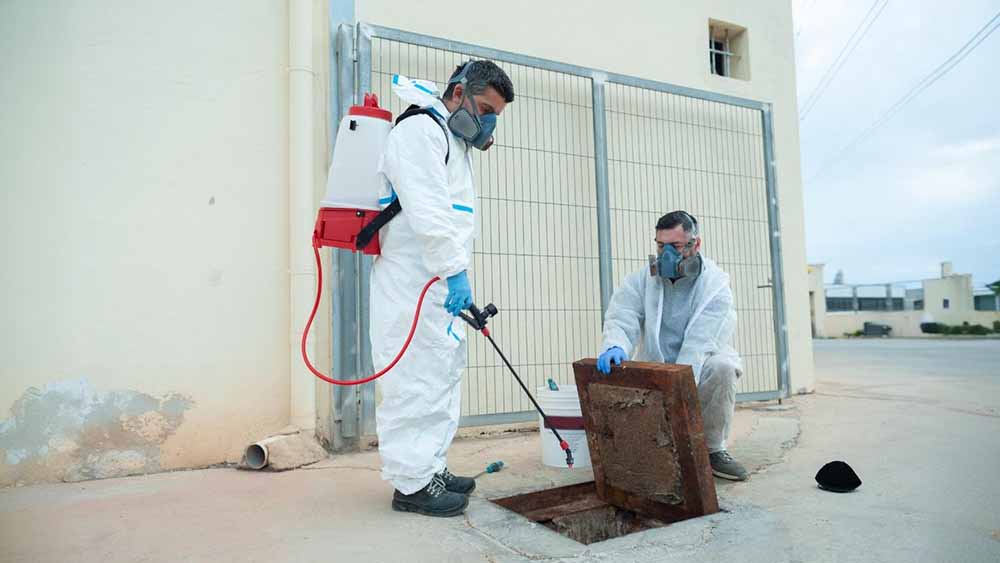
Pest problems can sneak up on even the cleanest and most well-maintained homes. Without regular attention, these tiny, often invisible invaders can silently damage your property and threaten your health. That’s where routine pest inspections and Belleville Exterminator Services come in. Taking a proactive approach to identifying and addressing pest issues is one of the most effective ways to protect your home and everything in it. 

Here’s why regular inspections are so important and how they can benefit you.

1. Early Detection Saves Time and Money

Pests like termites, rodents, and cockroaches are notorious for staying hidden until the damage is done. For example, termites can chew through wooden structures for months before you notice signs like hollow-sounding wood or discarded wings. By the time many infestations become obvious, you could be looking at thousands of dollars in repairs.

Regular inspections allow you to catch these problems early, often before significant damage has occurred. A professional pest controller can identify the warning signs of an infestation, allowing you to address the issue before it spirals out of control. The earlier you act, the less time and money you’ll need to spend solving the problem.

2. Protect Your Property Value

Your home is likely one of your biggest financial investments. Pests pose a serious risk to its value, especially if the damage becomes significant. A termite infestation, for instance, can weaken beams, flooring, and even the structural integrity of a home. Rodents or squirrels in the attic can chew through insulation and electrical wiring, leading to costly repairs.

Visible signs of pests during a home appraisal or inspection can deter potential buyers and result in a lower property value. So, keeping up with pest inspections is a smart way to safeguard your home’s worth. With routine checks and follow-up action, you can ensure your property stays in great shape and retains its market appeal.

3. Maintain a Healthy Living Environment

Pests don’t just affect your property, they can also impact your health. Cockroaches, for example, can spread bacteria such as E. coli and Salmonella, as well as trigger asthma and allergies. Rodents bring their own set of health risks, including the potential for hantavirus, while mosquitoes and ticks are carriers of more serious diseases like Lyme disease and Zika virus.

Routine pest inspections help you identify and eliminate these risks at their source. Health issues related to pests may take time to appear, but by regularly checking your home, you can ensure that these threats are minimized. A pest-free home is a healthier home for you and your family.

4. Peace of Mind Leads to Long-Term Savings

Routine pest inspections aren’t just about identifying existing problems; they provide peace of mind that your home is safe and secure. Even if no pest issues are found during an inspection, knowing that your property is being proactively monitored can help you sleep easier at night. Over time, this proactive approach reduces the likelihood of significant expenses related to pest damage or health risks.

When and How to Inspect for Pests?

A good rule of thumb for pest inspections is to conduct them at least once a year. However, homes located in areas prone to specific pests, like termites in warmer regions, may require more frequent checks. Seasonal changes, such as the onset of spring or fall, are also great opportunities to carry out inspections, as pests often become more active during these times.

Conclusion

Pests can cause a lot of harm, but their impact is often preventable with routine inspections. By committing to regular checks of your home and property, you can detect problems early, preserve your home’s value, maintain a healthy environment, and save money over time. Whether you choose to inspect your home yourself or work with a professional pest control service, the effort is well worth it.

Dealing with a pest problem can be frustrating, and many homeowners turn to do-it-yourself (DIY) solutions in an effort to eliminate unwanted invaders quickly and cheaply. While some DIY methods may provide temporary relief, they often fail to address the root of the problem, leading to recurring infestations and even greater frustration.

If you’ve tried everything from store-bought sprays to homemade traps but still find yourself battling pests, you’re not alone. Here are five common reasons DIY pest control often fails—and what you can do instead to ensure long-term results.

1. Misidentification of Pests

One of the biggest reasons DIY pest control fails is misidentifying the type of pest you’re dealing with. Different pests require different treatment methods, and using the wrong approach can be ineffective or even make the problem worse.

For example:

  • Ants – Some ant species respond to bait, while others may require barrier treatments. Using the wrong type of bait can cause them to split into multiple colonies, worsening the infestation.
  • Cockroaches – Simply spraying visible roaches may kill a few, but it won’t reach their hidden nests, allowing the population to continue growing.
  • Termites – Many homeowners mistake termites for ants and try to use ant bait, which has no effect on termite colonies.

What to do instead: If you’re unsure what type of pest you’re dealing with, research their appearance, behavior, and nesting habits. However, because pests can be difficult to identify, seeking help from a professional pest management technician can ensure the right treatment is used for the right pest.

2. Incomplete or Improper Treatment

DIY pest control often involves using over-the-counter sprays, bait stations, or homemade remedies, but these methods may only address the visible pests rather than eliminating the entire infestation. Many pests hide in walls, under floors, and in other hard-to-reach areas, making it difficult to treat the problem completely.

Common mistakes include:

  • Only spraying pests when they appear, rather than targeting their nesting areas.
  • Using too little or too much pesticide, leading to ineffective treatment or health risks.
  • Not following up with additional treatments when necessary.

What to do instead: Pest control often requires a strategic, multi-step approach to break the life cycle of pests. Professionals use targeted treatments that address not only adult pests but also eggs and larvae, preventing future outbreaks.

3. Resistance to Common DIY Products

Many store-bought pest control products contain the same active ingredients that have been used for years. Over time, certain pests develop resistance to these chemicals, rendering DIY treatments ineffective.

For instance:

  • Bed bugs have developed resistance to many over-the-counter insecticides, making DIY treatments almost useless.
  • German cockroaches are notorious for adapting to common sprays and baits.
  • Some rodent populations have become resistant to traditional poisons, requiring specialized baiting techniques.

What to do instead: Pest control professionals have access to advanced treatments that are not available in stores. They use the latest research and products designed to combat resistant pests, ensuring a more effective solution.

4. Failure to Address the Root Cause

Killing the pests you see is only a temporary fix—without addressing the root cause of the infestation, pests will keep coming back. DIY solutions often overlook factors that attract pests, such as food sources, moisture, and entry points.

Common oversights include:

  • Not sealing cracks and gaps where pests enter the home.
  • Leaving food and water sources accessible to pests.
  • Ignoring conditions like leaks or excess humidity that create an ideal environment for insects and rodents.

What to do instead: Effective pest control goes beyond killing pests; it involves integrated pest management (IPM), which focuses on long-term prevention. This includes sealing entry points, eliminating attractants, and implementing ongoing monitoring to prevent reinfestation. A professional pest control service can conduct a thorough inspection to identify and fix these issues.

5. Safety Risks and Health Hazards

DIY pest control products, if not used properly, can pose serious health risks to humans and pets. Many homeowners unknowingly misuse pesticides by applying them in excessive amounts or in areas where they can contaminate food, water, or living spaces.

Potential risks include:

  • Exposure to toxic chemicals that can cause respiratory issues, skin irritation, or poisoning.
  • Harmful effects on pets and children, who may come into contact with improperly applied treatments.
  • Fire hazards from highly flammable DIY fumigation techniques.

What to do instead: Pest control professionals are trained in the safe handling and application of pesticides. They follow strict regulations to ensure treatments are effective without endangering your household. If safety is a concern, hiring a licensed professional is the best option for responsible pest control.

While DIY pest control might seem like a cost-effective solution, it often falls short in providing long-term relief from infestations. Misidentifying pests, incomplete treatments, resistance to common chemicals, failure to address the root cause, and safety risks are just a few reasons why DIY methods often fail.

Instead of relying on temporary fixes, consider working with a pest management company that can provide expert solutions tailored to your specific pest problem. With professional-grade treatments and preventative strategies, you can keep your home pest-free without the hassle and risks of DIY approaches.

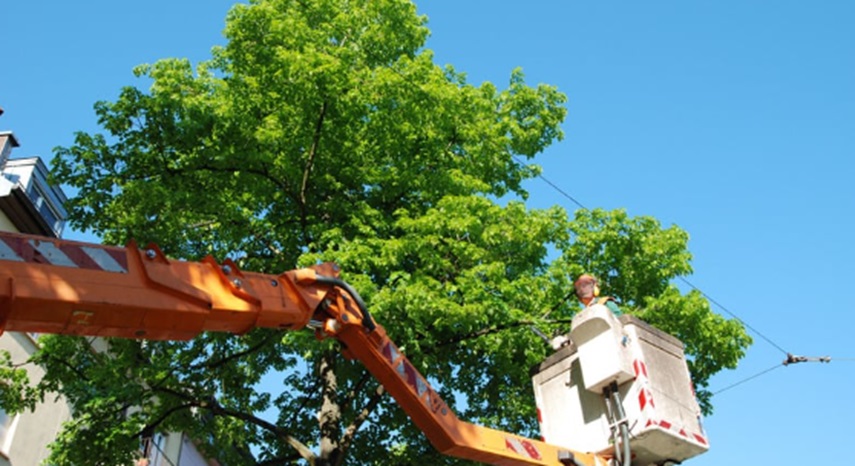
Storms can cause significant damage to properties, with fallen trees and branches being one of the most common causes of destruction. Proactively maintaining your trees can reduce these risks and protect your home and surroundings. For residents in need of expert services, tree trimming in Canton, GA, offers specialized care to keep trees healthy and minimize storm-related hazards. Understanding the role of tree trimming and how it helps prevent storm damage is key to safeguarding your property.

How Tree Trimming Prevents Storm Damage

Proper tree maintenance is more than an aesthetic choice—it’s also a protective measure against unpredictable weather. Regular trimming enhances tree health while addressing potential risks. Below are the ways tree trimming helps prevent storm damage:

  1. Removing Weak or Dead Branches

Trees naturally accumulate dead or weak branches over time. These limbs may seem harmless on sunny days but become dangerous projectiles during high winds. Whether due to advanced age, pests, or diseases, weak limbs can snap off and cause damage to roofs, vehicles, or even people. Trimming these branches early significantly reduces their ability to cause harm when storms hit.

  1. Reducing Wind Resistance

One of the primary reasons trees fall during storms is their inability to withstand fierce winds. Overgrown canopies act like sails, catching wind and creating resistance, which can push trees over. Thinning out the canopy during routine trims allows wind to pass through instead of exerting full force on the tree. This simple precaution can prevent uprooting and protect nearby structures from damage.

  1. Keeping Trees Balanced

A tree with uneven or lopsided growth is more likely to topple during storms. Regular trimming corrects this imbalance by redistributing weight equally throughout the tree. Balanced trees are better equipped to withstand turbulent weather conditions, ensuring both the tree’s survival and the safety of your property.

Knowing the Right Techniques

Effective trimming goes beyond cutting off a few branches—it requires proper methods to promote the health and longevity of a tree. For example, understanding the essential guide to trimming lower tree branches helps homeowners ensure they’re not only protecting their property but also encouraging proper tree growth and structural integrity. Techniques like these ensure your trees remain robust and resilient year-round.

Tree Trimming and Property Protection

Trees do a lot of good for your property, but without routine maintenance, they can also pose serious risks. Falling branches during storms can shatter windows, puncture roofs, and damage fences or power lines. Worse yet, an unstable tree can completely collapse, causing massive destruction to your home or yard.

Investing in professional tree trimming not only protects your property during storms but can help reduce long-term costs. Post-storm clean-ups and repairs due to unchecked tree damage often cost homeowners far more in the long run than preventative maintenance.

Why Professional Tree Services Matter

While DIY tree care may seem tempting, storm damage prevention often requires the expertise of professional arborists. Professionals understand tree structures and know how to identify issues beyond the surface, such as diseases or internal decay. They also have the equipment to safely manage large or hard-to-reach branches.

Homeowners benefit from services like the importance of professional tree trimming for homeowners, which highlights how professional expertise can save time, money, and potential hazards. Additionally, professionals can ensure compliance with local regulations concerning tree removal or maintenance, keeping you out of legal trouble.

Long-Term Benefits of Tree Trimming

Beyond storm prevention, regular tree trimming offers numerous long-term benefits. A well-maintained tree is less likely to harbor pests or diseases that could weaken it over time. Additionally, proper trimming improves sunlight penetration and airflow, which promotes healthy growth. Overall, these benefits contribute to creating a safer, healthier, and more attractive landscape.

Conclusion

Storm-related damage can often be prevented with regular tree maintenance. By addressing weak limbs, reducing wind resistance, and maintaining tree balance, trimming serves as a crucial step in safeguarding your home and yard during extreme weather. By consulting experts and committing to regular upkeep, you not only reduce risks but also enhance the beauty and longevity of your outdoor spaces. Make tree trimming a priority today to protect and preserve your home for years to come.

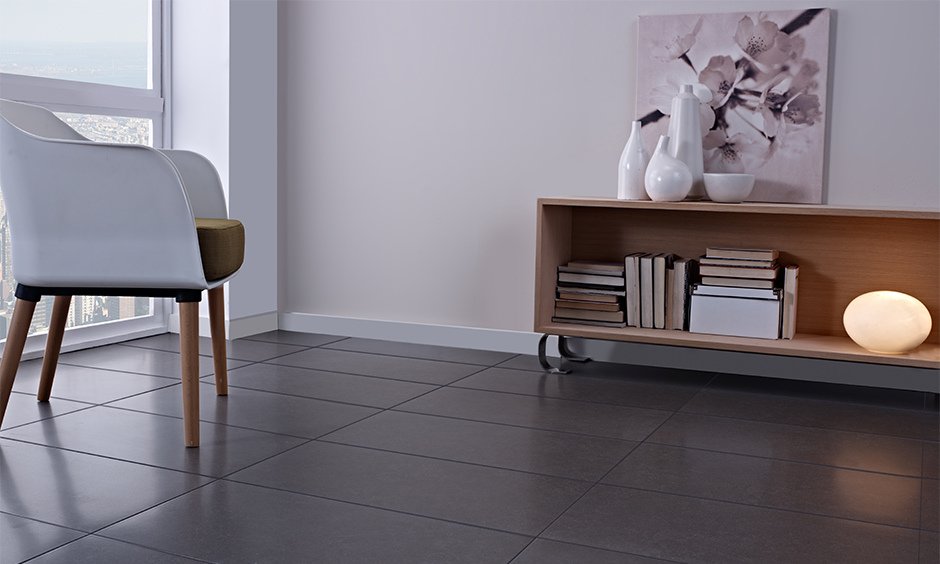
Choosing the right tiles for your space is a task in itself. One needs to involve in thorough research and understanding before coming to picking tiles models for their space. There are plenty of designs and models out there and one needs to take some time out to find out the ultimate model that fits in your space and makes you feel best. Be it a residential space or commercial space, one need to be cautious in choosing the best tiles model as it can make or break the look of the entire space. It needs to be understood that there are some stunning range of floor tiles models that are being introduced in the market from time to time.

Ultimate tiles designs

When you choose professional tiles company, they make sure to provide you with the best of support no matter what.One needs to check with the latest of designs that have come by going with a trusted and reliable ceramic tiles company. Bezen is a trusted ceramic tiles provider for floors and walls. They have a huge range of collections to choose from and there are endless designs that are best for both interior and exterior designing with tiles.

Hexagon tiles

Hexagon tiles are quite popular tiles range of the lot that has a lot of advantages as well. It comes as one of the exotic tiles collections which includes romestreet, square, Vienna and other such models. It is specifically built for sturdiness and also gives the perfectly stunning look. It is known that Vienna offers for the best finish for tiles. Also, Square tiles give a luxurious classy and stunning look as well in every way. Hexagon tiles (กระเบื้องหกเหลี่ยม, term in Thai) are known to have garnered widespread reach and attention over the years. It comes with a unique style and class at every level and it reflects elegance. Known to offer a different whole new life to the region. Used both on the interiors and exteriors of the building, it is extensively preferred by one and all. Perspective, it adds up a personality to the interior space and brings a

Hexagon tiles have a separate character in itself and it is impeccable both on floors and walls as well. Most commonly known as Japan Hexagonal tiles, it comes as an essential part of the design offering the much-needed outlook that one is known to achieve in the present-day buildings. Both Japan classic version and Japan Nano coated version are quite popular tiles design that are now being used widely by many across the world.Bezennot only has a large collection of quality tiles in all designs and shapes butit also comes across as the best option when one checks and compares with other such models available in the market. When it comes to budget, quality, design and output of this unique style of hexagon tiles, Bezen comes across as the best and most preferred one of the lots. Check out the official site to know more about what it has to offer.


Living in a smaller home presents unique acoustic challenges. With limited space, sound tends to bounce off walls and create echoes, making a space feel noisier and less comfortable. Noise pollution from outside sources, household appliances, and even conversations can quickly become overwhelming. The key to achieving a quieter and more acoustically balanced environment lies in choosing the right wall textures. By incorporating sound-absorbing materials and textured surfaces, homeowners can significantly reduce unwanted noise and improve the overall sound quality of their space.

Wall texture plays a crucial role in sound absorption by breaking up sound waves, reducing reverberation, and preventing noise from traveling between rooms. Different textures and materials have varying levels of effectiveness in dampening sound, and selecting the right one can make a noticeable difference in smaller living spaces.

How Sound Interacts with Wall Textures

Sound travels in waves and interacts with surfaces in three main ways:

  • Reflection: Hard, smooth surfaces bounce sound waves back into a room, creating echoes and amplifying noise.
  • Absorption: Soft or textured surfaces capture and dissipate sound waves, reducing noise levels.
  • Diffusion: Irregular surfaces scatter sound waves in multiple directions, preventing them from concentrating in one area.

In smaller homes, controlling these interactions is vital to creating a comfortable and peaceful environment. Without adequate noise control, sound waves can reflect off walls, floors, and ceilings, leading to an unpleasantly loud space.

Effective Wall Texture Solutions for Noise Reduction

n smaller homes, where sound tends to bounce off walls more easily, selecting the right wall treatments can make a significant difference in reducing echoes, minimizing noise transmission, and enhancing overall comfort. By incorporating materials that naturally dampen sound waves, homeowners can improve acoustic balance and create a more serene living space.

Acoustic Wall Panels. Acoustic wall panels are one of the most effective solutions for reducing noise in small spaces. Made from materials like foam, fabric, and fiberglass, these panels absorb sound and prevent it from bouncing around the room. Acoustic wall panels significantly reduce echoes and background noises. They are available in various colors, patterns, and styles to match décor. Also, they are easy to install on existing walls and are Ideal for home offices, bedrooms, and living spaces. To maximize their effect, acoustic panels should be placed on walls that receive the most sound impact, such as those near entertainment systems, workspaces, or high-traffic areas.

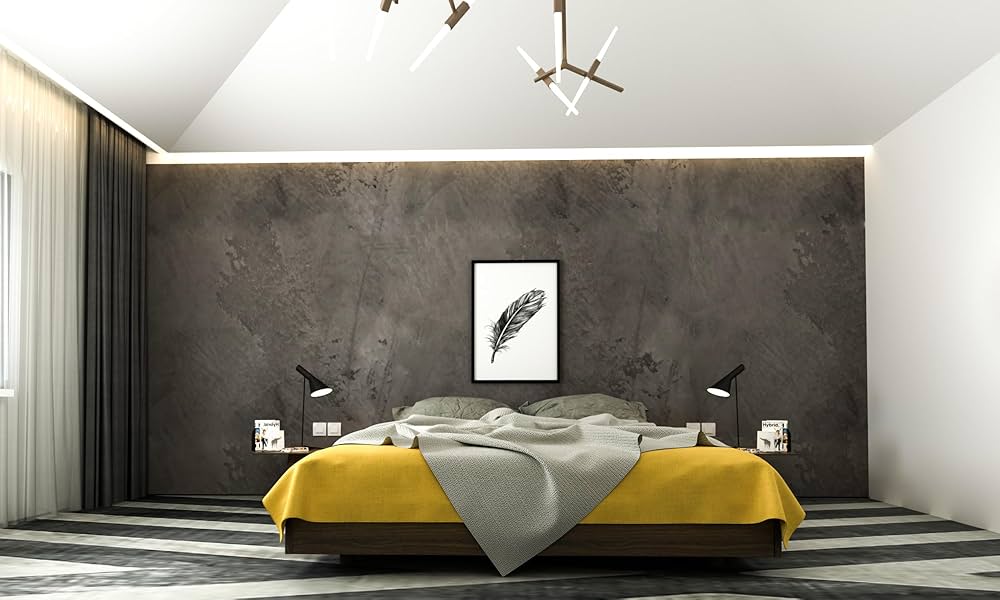
Textured Plaster and Stucco Finishes. Textured plaster and stucco add depth to walls, breaking up sound waves and reducing the sharpness of reflected noise. These finishes work well in smaller homes where hard surfaces can create excessive echoing. They add visual appeal while improving sound control. They are durable and easy to maintain and can be applied in various patterns for aesthetic versatility. Stucco and textured plaster can be combined with other sound-absorbing elements, such as rugs and upholstered furniture, to further enhance acoustic performance.

Fabric-Covered Walls. Fabric wall coverings act as excellent noise reducers by absorbing sound instead of reflecting it. Materials like wool, velvet, and polyester blends are particularly effective at dampening sound waves. Fabric-covered walls provide a soft and inviting look while reducing noise, help insulate walls for both temperature and sound control, and are available in various textures and colors for design flexibility

Smaller Homes

For a DIY approach, homeowners can use fabric wall panels with built-in sound-absorbing layers to create custom noise-reduction solutions.

Cork Wall Coverings. Cork is an eco-friendly material that offers natural sound-dampening properties. Its porous texture absorbs sound waves, reducing noise transmission between rooms. Cork wall coverings are sustainable and biodegradable, provide both sound and thermal insulation, and are lightweight and easy to install. Cork panels can be applied to entire walls or used as accent sections in noisy areas such as home offices, entertainment spaces, and shared walls in multi-unit buildings.

Wood Slat Panels. Wood slat panels add both texture and functionality by scattering and absorbing sound waves. They work particularly well in smaller homes where space constraints make traditional acoustic treatments difficult to implement. Why wood slat panels work by reducing echo without making the space feel overly insulated and providing a modern and stylish aesthetic. Also, they can be customized with different wood types and finishes Wood slat panels can be placed on walls behind seating areas, workspaces, or televisions to balance sound distribution and minimize disturbances.

Wallpaper with Acoustic Backing: Modern wallpaper options include acoustic-backed varieties designed to minimize noise. These wallpapers feature a thick, foam-like backing that helps absorb sound. Key Features include

    • Easy to install and remove.
    • Enhances both aesthetics and functionality.
    • Works well in combination with other acoustic treatments.

Acoustic wallpaper is an excellent solution for renters who need non-permanent ways to reduce noise in their living spaces.

3D Wall Panels. 3D wall panels feature raised designs that help diffuse sound and prevent noise from concentrating in one area. Made from materials like MDF, PVC, or foam, these panels add a decorative touch while improving room acoustics. 3D wall panels create a unique and visually interesting wall surface, reduce sound reflections and echoes, and can be bought in a variety of patterns and materials. These panels can be used strategically in entertainment areas, home theaters, or open-plan living spaces where noise reduction is essential.

Bookshelves and Built-In Storage. While not a traditional wall texture, bookshelves and built-in storage units act as sound barriers. Books, decorative objects, and wooden structures help break up sound waves, reducing overall noise levels. Bookshelves and built-in storage help with noise control by:

    • Absorbing sound through layers of books and materials.
    • Reducing sound transmission between shared walls.
    • Providing additional storage while enhancing room acoustics

Arranging books and objects of different densities on shelves can help create a balanced acoustic effect throughout a room.

Upholstered Wall Panels

For a more luxurious approach, upholstered wall panels provide a high-end aesthetic while significantly improving sound absorption. These panels are commonly used in bedrooms, home theaters, and workspaces. Key Features:

  • Offers a soft, fabric-covered surface that absorbs sound
  • Available in various colors, patterns, and finishes
  • Can be installed in full-wall coverage or as decorative accents

Upholstered wall panels are particularly effective in small apartments and condos where external noise is a concern.

Soundproof Paint and Coatings: Though not as effective as other solutions, soundproof paint contains viscoelastic compounds that reduce mid-frequency noise and vibrations. It provides a simple, low-cost noise reduction solution, works best when combined with other textured wall treatments, and helps reduce minor noise transmission from adjacent rooms. Applying multiple layers of soundproof paint on walls and ceilings can slightly dampen sound reflections and complement other acoustic treatments.

Combining Wall Textures for Maximum Effect

In smaller homes, achieving optimal noise reduction often requires a combination of different wall textures. For example:

  • Pairing acoustic wall panels with cork walls enhances absorption and minimizes reverberation.
  • Using upholstered panels alongside wood slats creates a balanced acoustic environment.
  • Incorporating bookshelves and fabric-covered walls improves both aesthetics and sound control.

By thoughtfully selecting and layering different materials, homeowners can create a quieter, more comfortable living space without sacrificing style or design flexibility.