Author

Clare Louise

Browsing

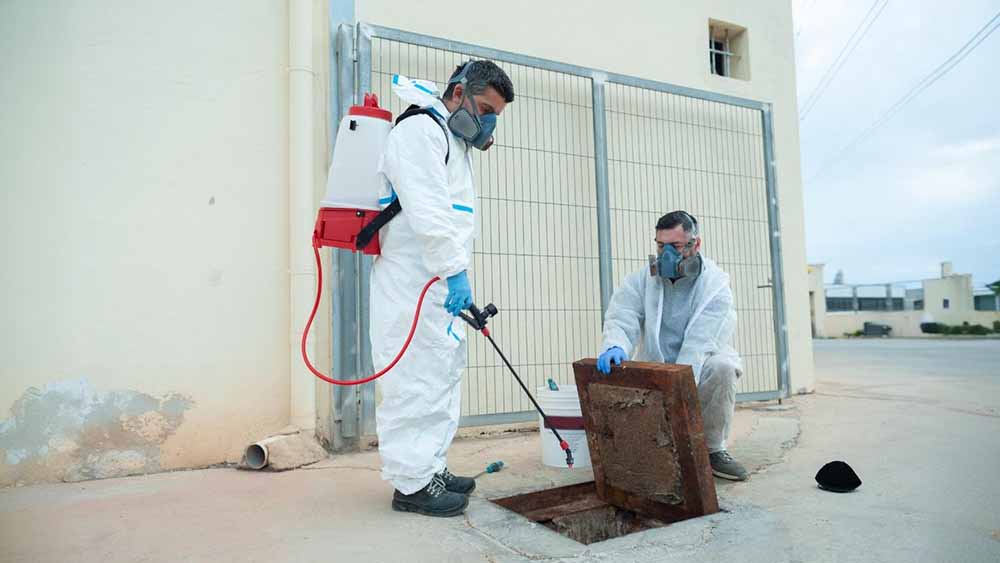
Spiders are a common sight in Arizona. They may appear in homes, garages, yards, and desert landscapes. Most species are harmless, but black widows and brown recluses can pose a health risk. Arizona’s warm climate allows spiders to stay active for most of the year. That is why people can encounter these pests indoors and outdoors. This makes it essential to know when to take action and hire a pest control company at greenmangopest.com. This way, homeowners can prevent infestations, avoid bites, and keep living spaces comfortable and safe.

There is a Developing Spider Problem

Early detection is important. Spiders may show up as a small group initially, but their population can grow rapidly if conditions remain favorable. Common signs of activity include webs in corners, ceilings, or window frames. Also, seeing crawling spiders during the evening or night can indicate a growing infestation. Homeowners may also notice egg sacs tucked in hidden areas.

When Spider Numbers Increase Rapidly

Spiders are predators, so they follow prey. They can target a home with cockroaches, flies, or other small insects. A sudden increase in webs or sightings over a few weeks clearly indicates an issue. Spiders that multiply in one area can spread to attics, basements, and storage spaces quickly. An egg sac can hatch dozens of spiderlings. The presence of multiple egg sacs in a garage, shed, or under furniture indicates that action must be taken.

When there is Seasonal Activity in Arizona

Arizona’s climate allows spiders to remain active through the year. Most spider activity peaks in late spring through fall, when temperatures are warm and insects are abundant. However, spiders also seek indoor shelter during cooler months. They may move indoors from gardens, patios, or yards as nights cool and nest in attics, garages, and crawl spaces. Also, they may set up webs near windows or light sources.

When People Get Spider Bites and Health Concerns

Most spider bites in Arizona are mild, causing temporary irritation, redness, and swelling. Black widow and brown recluse bites require medical attention. Signs of a dangerous bite may include severe pain at the bite site, muscle cramps or spasms, fever or chills, and nausea or vomiting

There are Structural Areas That Attract Spiders

Spiders look for areas that provide shelter, warmth, and food. Homes in Arizona may have features that unintentionally attract spiders. These include storage boxes and clutter in garages or basements. Also, crawl spaces and attics with insulation gaps can be hiding spots for spiders. In addition, spiders can be drawn to window and door frames with gaps, and outdoor lighting that attracts insects.

When to Call a Professional

Minor spider sightings may be handled with simple cleaning or traps, but certain conditions call for professional intervention. These include:

  • Regular sightings of venomous species like black widows or brown recluses.
  • Multiple egg sacs were found in enclosed areas.
  • Webs appear in high-traffic zones such as bedrooms or kitchens.
  • Large numbers of spiders throughout the home.
  • Residents experiencing bites with an unknown cause,

Professionals have the tools, knowledge, and safety gear to handle infestations without placing homeowners at risk. They also provide strategies to reduce future spider activity.

Preventive Measures to Reduce Spider Activity

Homeowners can take steps to make their homes less inviting to spiders. They can seal cracks in doors, windows, and foundation and reduce clutter in garages, basements, and storage areas. Also, they can keep outdoor lighting to a minimum or use yellow bug lights and trim vegetation near the home’s foundation. They should remove webs and egg sacs as soon as they are spotted and reduce insect populations indoors, since spiders follow prey.

When it’s time to replace your old mattress, you’re faced with a common dilemma: should you donate it or hire a professional mattress removal service? At first glance, donating might seem like the best option — after all, it helps others and keeps your mattress out of the landfill. However, depending on the condition, age, and type of mattress, donation isn’t always possible or appropriate.

That’s where professional removal and recycling services come in. Companies like Recyc-Matelas mattress removal make it easy to dispose of your old mattress responsibly, ensuring that its components are properly recycled instead of sent to the dump.

Let’s explore both options — donation and professional removal — so you can make the most eco-friendly and practical choice for your situation.

1. The Case for Donating Your Mattress

If your mattress is still in good condition — meaning it’s clean, supportive, and free of stains or damage — donating can be a wonderful way to give back to your community. Many charities, shelters, and non-profit organizations accept gently used mattresses to help families in need.

Advantages of donation include:

  • Supporting low-income families or shelters.

  • Reducing landfill waste by extending the mattress’s lifespan.

  • Contributing to a good cause while making room for your new bed.

However, it’s important to understand that not all mattresses are eligible for donation. Charities typically follow strict hygiene and safety standards to ensure donated items don’t pose health risks.

2. When Donation Isn’t an Option

Even with the best intentions, many used mattresses simply can’t be donated. Over time, mattresses accumulate dust mites, allergens, body oils, and wear that make them unsuitable for reuse.

Charities will usually reject a mattress if it:

  • Has visible stains or odors.

  • Contains rips, tears, or sagging areas.

  • Shows signs of mold, mildew, or bedbugs.

  • Is more than 7–10 years old.

In such cases, donating might actually create more work for organizations that must then pay to dispose of unusable items. If your mattress falls into this category, recycling through a professional removal service is the best alternative.

3. Why Professional Mattress Removal Is a Smart Solution

When donation isn’t an option, professional mattress removal offers a responsible, efficient, and environmentally friendly way to dispose of your old bed. Instead of ending up in a landfill, the mattress is picked up, dismantled, and recycled properly.

Professional removal services like Recyc-Matelas mattress removal ensure that your old mattress is collected safely and processed according to eco-friendly standards. This means:

  • Steel, foam, and fabric are separated and reused.

  • Harmful materials are kept out of landfills.

  • Transportation and recycling are handled for you — no heavy lifting required.

This process not only saves you time and effort but also helps conserve resources and reduce waste.

4. How Mattress Recycling Works

When professionals collect your mattress for recycling, it goes through several steps:

  1. Pickup and transportation: Experts collect the mattress directly from your home and deliver it to a recycling facility.

  2. Dismantling: Skilled workers separate materials — foam, fabric, metal springs, and wood — by hand or machine.

  3. Sorting and cleaning: Each material type is prepared for reuse.

  4. Repurposing: The components are turned into new products like carpet padding, insulation, and steel parts.

Up to 90% of a mattress can be recycled through this process — an incredible recovery rate that significantly reduces landfill waste.

5. The Environmental Benefits of Removal Services

Choosing mattress removal isn’t just convenient — it’s environmentally responsible. Recycling helps:

  • Reduce landfill overcrowding: Mattresses are bulky and hard to compact, taking up massive amounts of space.

  • Lower greenhouse gas emissions: Recycling prevents methane release from decomposing materials.

  • Conserve resources: Steel and foam can be reused instead of producing new materials.

  • Prevent pollution: Proper processing stops harmful chemicals from entering the soil and groundwater.

Professional removal services ensure your mattress has a second life while protecting the environment from unnecessary waste.

6. Saving Time and Effort

Let’s be honest — hauling a mattress on your own is difficult, especially without the right vehicle or tools. You may need to rent a truck, pay disposal fees, or risk damaging your walls and floors while moving it.

A professional service eliminates these problems. Trained teams handle pickup, lifting, and transportation, saving you hours of work and preventing injuries or property damage. The convenience factor alone makes removal services a worthwhile investment.

7. Compliance with Local Disposal Laws

Many cities have strict rules about how and where you can dispose of large items like mattresses. Dumping one on the curb or in an unauthorized area can lead to fines and penalties.

Professional removal companies know the regulations and ensure your mattress is disposed of or recycled in full compliance with municipal and environmental standards. You won’t have to worry about breaking any rules or navigating confusing waste management policies.

8. When to Choose Donation Over Removal

You should consider donating your mattress if it:

  • Is less than 5–7 years old.

  • Has no visible damage, stains, or sagging.

  • Passes a “cleanliness test” (no odors or allergens).

If your mattress meets these conditions, check with local charities or shelters. Some organizations even offer free pickup for large donations, making the process as easy as possible.

9. When Removal Is the Better Option

Choose professional mattress removal if your mattress:

  • Is old, worn out, or damaged.

  • Can’t be accepted by charities due to hygiene or safety issues.

  • Needs to be disposed of quickly and responsibly.

In these cases, a removal service ensures your mattress doesn’t go to waste — instead, it’s recycled into useful materials that contribute to sustainability.

10. Supporting Sustainable Waste Management

Every mattress recycled through a removal service contributes to the circular economy — a system where materials are reused rather than discarded. Steel, foam, and fabric from old mattresses become resources for new industries, minimizing environmental impact and promoting sustainability.

By using a professional service, you’re not just getting rid of an old mattress — you’re participating in a global effort to reduce waste and preserve natural resources.

11. Affordable and Transparent Pricing

Many people assume professional removal services are expensive, but most offer affordable, transparent pricing. The cost typically includes pickup, transportation, and recycling fees — with no hidden charges. When you consider the time, energy, and potential costs of self-disposal, professional removal often proves to be the more economical option.

12. Peace of Mind

There’s a comfort in knowing that your old mattress is being handled correctly. With professional services, you can rest assured that your mattress will be:

  • Collected safely.

  • Recycled responsibly.

  • Processed in an eco-friendly facility.

You won’t have to second-guess whether it ended up in a landfill or was dumped illegally — everything is managed professionally from start to finish.

13. The Role of Expert Services

Midway through understanding the benefits, it’s clear that expert companies make a real difference. 

Their approach ensures that old mattresses are handled safely, dismantled properly, and recycled with minimal environmental impact — helping communities stay cleaner while protecting the planet.

14. Choosing the Right Option for You

Ultimately, the decision between donation and removal depends on the condition of your mattress and your personal priorities. If your mattress is still usable, donation can help someone in need. If it’s no longer in good condition, professional removal ensures it’s disposed of responsibly — without harming the environment.

15. The Bottom Line

Whether you donate or recycle, both options are far better than dumping your mattress in a landfill. However, when donation isn’t possible, professional mattress removal offers the most responsible and sustainable solution.

Homeowners enjoy backyard barbecues, gardening, and evenings on the patio when warm weather arrives in Manchester. Sadly, a swarm of mosquitoes can quickly ruin the fun. These tiny pests can turn a relaxing afternoon into an itchy nightmare. Mosquitoes are drawn to certain spots in your backyard. Knowing where to look allows you to address the mosquito issue with the right Manchester mosquito control solutions. Here are common mosquito hotspots found in Manchester backyards and what you can do about them:
Standing Water
Mosquitoes lay their eggs in still, shallow water. These eggs turn into hungry adult mosquitoes in just a few days. That is why any area in your yard that collects water can be a potential breeding ground. Common sources include birdbaths, kiddie pools, and pet bowls left outside. Also, clogged gutters, buckets or flower pots that collect rain, and pool covers with puddles can be breeding spots for mosquitoes. Even a bottle cap filled with rainwater can support mosquito larvae.
Manchester’s spring rains and humid summers often lead to water buildup. Check your yard after storms or watering days to ensure no standing water is present. Also, empty or refresh water containers regularly.
Overgrown Grass and Bushes
Mosquitoes need shade and shelter. Tall grass, thick shrubs, and overgrown gardens provide the cool, damp hiding places they love during the day. Keeping your lawn trimmed, bushes neat, and garden beds tidy can reduce the number of places mosquitoes can rest. It also makes your yard less appealing to ticks and fleas.
Damp Soil and Mulch Beds
Soil does not drain well in some parts of Manchester, especially after a big rain. Damp soil and mulch beds hold moisture longer than other surfaces, creating the perfect habitat for mosquitoes to hang out close to the ground. Areas that stay soggy or shaded can be prime mosquito zones.
Try using mulch sparingly and turning it over every few days to let it dry out. Also, consider improving drainage in low-lying areas or using gravel around garden beds to reduce moisture buildup.
Under Decks and Porches
It is usually dark and moist underneath a raised deck or porch., which is what mosquitoes want. Plus, the presence of damp leaves or standing water offers a great hidden hotspot for mosquitoes.
Anchor Pest Services, a trusted pest control company in Manchester, often finds mosquito activity hiding under decks during inspections. Their team recommends installing mesh barriers or lattice with proper airflow to prevent these areas from becoming breeding zones. They apply targeted treatments to eliminate hidden mosquito resting spots if needed.
Gutters and Downspouts
Gutters that are clogged with leaves or debris become mini ponds after every rain. Mosquitoes will quickly take advantage of the standing water. Even a few inches of water sitting in a gutter can host hundreds of mosquito larvae. So, clean your gutters regularly, especially in spring and fall. Also, ensure downspouts are draining away from your foundation. Anchor Pest Services offers gutter inspections as part of their pest control evaluations, helping homeowners catch these hidden water sources before mosquitoes do.
Toys, Tools, and Backyard Gear
Garden tools, kids’ toys, or old tires can be left outside. Unfortunately, many of these items can trap rainwater and become mosquito magnets. You can prevent this by walking around your yard every week and turning over or covering anything that can hold water. Keep items you want to store outside under a roof or tarp to prevent water from collecting.
Outdoor Furniture and Planters
Outdoor furniture with hollow frames or cushions that stay wet can attract mosquitoes as resting areas. The same goes for decorative planters and pots with saucers underneath. Water that sits in these places too long becomes a mosquito haven.
Many Manchester homeowners do not realize their beautiful patio setup was part of the problem. Pest control experts suggest using self-draining pots and water-resistant furniture, and wiping down cushions after rain or heavy dew.

But hiring a pest control company is a wise investment when it comes to ensuring the safety and security our most important investment: our home. But before that begins, most companies will require you to sign a pest control service agreement. This agreement describes the service, pests to be treated and terms of your rights and responsibilities as our client. Knowing what the fine print says will help you ensure you’re getting the protection and service you want — with no hidden surprises. In this article, Get started with getting to know the summary that can help you interpret and get the most out of your Reston pest control service agreement.

Know What Pests Are Covered

By far one of the most critical portions of this type of service agreement is the covered pests list. Many pest control contracts don’t cover all pests. Although general pests such as ants, spiders, cockroaches, and mice are usually covered in general service agreements, more problematic pests such as termites, bedbugs and wildlife require an additional service or specific treatment. If you’re worried about specific pests that are prevalent in Reston — like mosquitoes in the summer, or stink bugs in the fall — confirm that they’re included in the contract. If they’re not, inquire about adding them, or whether a separate treatment plan is needed.

Get to Know the Service Frequency and Duration

Pest control contracts commonly include a schedule of how frequently treatment will occur and for how long. It might be monthly, bi-monthly or quarterly, depending on the needs of your home and local pest activity. In Reston’s fickle weather, you may need to come a bit more frequently in the high seasons. Be clear about whether the contract is for just one job, for a certain period of time (one client of mine puts clients on a 12-month contract, which auto-renews), or a recurring contract.

Read the Guarantee or Warranty

A good pest control firm will usually have some sort of guarantee. That means if those pests come back within a certain time frame after treatment, the company will return to retreat your home at no cost to you. Here is what you will want the agreement to specify:

  • What is covered by the warranty
  • How long the guarantee is (usually 30 to 90 days)
  • Re-treatment scheduling process

In Reston VA, where pests that are seasonal could be quick to return, this guarantee helps to establish peace of mind.

Explain How Pricing and Payment Works

A pest control contract with good wording, can prevent misunderstandings and complaints from occurring. This will include the price for each visit or service, any initial inspection fee, and whether you’ll be charged separately for certain treatments or types of pests. Be sure to also check:

  • When payment is due (upon service or on a payment schedule)
  • If there’s a cancellation fee
  • If there are any incentives, such as a discount when you pay the full amount upfront, or if you sign a longer contract

Some companies in Reston may give you a bundle pricing or specials for homeowners which are known to have a problem with pests, especially if the latter is present during the peak pest seasons in Reston. So it’s a good idea to ask about it before you sign their contract and finally hire them.

A pest control service contract or agreement is an important paper that safeguards both the owner and the company. By taking the time to look at each section — especially the pests included, service frequency, guarantee, price and legal terms — you will be in a better position to select the right company and prevent any unwelcome costs or areas without coverage. In Reston, where the types and levels of pest activity can change with the seasons, this commitment is even more crucial, and with pest-prevention service customized according to the conditions of your community, no one knows Reston better.

Pest problems can sneak up on even the cleanest and most well-maintained homes. Without regular attention, these tiny, often invisible invaders can silently damage your property and threaten your health. That’s where routine pest inspections and Belleville Exterminator Services come in. Taking a proactive approach to identifying and addressing pest issues is one of the most effective ways to protect your home and everything in it. 

Here’s why regular inspections are so important and how they can benefit you.

1. Early Detection Saves Time and Money

Pests like termites, rodents, and cockroaches are notorious for staying hidden until the damage is done. For example, termites can chew through wooden structures for months before you notice signs like hollow-sounding wood or discarded wings. By the time many infestations become obvious, you could be looking at thousands of dollars in repairs.

Regular inspections allow you to catch these problems early, often before significant damage has occurred. A professional pest controller can identify the warning signs of an infestation, allowing you to address the issue before it spirals out of control. The earlier you act, the less time and money you’ll need to spend solving the problem.

2. Protect Your Property Value

Your home is likely one of your biggest financial investments. Pests pose a serious risk to its value, especially if the damage becomes significant. A termite infestation, for instance, can weaken beams, flooring, and even the structural integrity of a home. Rodents or squirrels in the attic can chew through insulation and electrical wiring, leading to costly repairs.

Visible signs of pests during a home appraisal or inspection can deter potential buyers and result in a lower property value. So, keeping up with pest inspections is a smart way to safeguard your home’s worth. With routine checks and follow-up action, you can ensure your property stays in great shape and retains its market appeal.

3. Maintain a Healthy Living Environment

Pests don’t just affect your property, they can also impact your health. Cockroaches, for example, can spread bacteria such as E. coli and Salmonella, as well as trigger asthma and allergies. Rodents bring their own set of health risks, including the potential for hantavirus, while mosquitoes and ticks are carriers of more serious diseases like Lyme disease and Zika virus.

Routine pest inspections help you identify and eliminate these risks at their source. Health issues related to pests may take time to appear, but by regularly checking your home, you can ensure that these threats are minimized. A pest-free home is a healthier home for you and your family.

4. Peace of Mind Leads to Long-Term Savings

Routine pest inspections aren’t just about identifying existing problems; they provide peace of mind that your home is safe and secure. Even if no pest issues are found during an inspection, knowing that your property is being proactively monitored can help you sleep easier at night. Over time, this proactive approach reduces the likelihood of significant expenses related to pest damage or health risks.

When and How to Inspect for Pests?

A good rule of thumb for pest inspections is to conduct them at least once a year. However, homes located in areas prone to specific pests, like termites in warmer regions, may require more frequent checks. Seasonal changes, such as the onset of spring or fall, are also great opportunities to carry out inspections, as pests often become more active during these times.

Conclusion

Pests can cause a lot of harm, but their impact is often preventable with routine inspections. By committing to regular checks of your home and property, you can detect problems early, preserve your home’s value, maintain a healthy environment, and save money over time. Whether you choose to inspect your home yourself or work with a professional pest control service, the effort is well worth it.

If you love gardening, you should know that gardening tasks are endless. There are always areas that need improvements. We at Svoy Home have collected 20 expert tips. They may help you enhance your garden. They cover tips from soil enrichment to pest control. So, let’s get started.

Tip #1: Master the Art of Composting

An essential first step for any dedicated gardener is to make their own compost. High-nutrient compost gives your plants the vital nourishment they need. It helps them grow and bloom well. Remember to keep the wet and dry components balanced.

Additional tip: To improve your compost, add shredded paper. Also, add yard trash and leftover cooking scraps. This will boost its nutrients and speed up its decomposition.

Tip #2: Utilise Eggshells for Soil Enrichment

Don’t throw away the leftover eggshells. Instead, crush them up and sprinkle them all over your soil. Eggshells improve soil quality and prevent pests like slugs, which makes plants stronger.

Extra Advice: Before planting seeds, consider putting them in eggshells. This will give them a head start in your garden.

Tip #3: Strategic Weed Control

Take early and effective measures to combat weeds so they don’t take over your garden. Weeding keeps the soil rich for the plants you want. This is especially true when they are just starting to grow.

Additional Tip: Mulching your garden beds reduces the need for weeding. It also keeps soil moist.

Tip #4: Protect Delicate Fruits with Straw

Spread straw under delicate fruits, like berries and strawberries. It protects them from dirt, rain, and wind. This method is easy to use and powerful. It guarantees a big output while keeping your harvest’s quality.

Additional Tip: To protect fruit best, cover crops with netting. It gives an extra barrier against birds and pests.

Tip #5: Deter Earwigs from Dahlias

Use this DIY method to protect your Dahlia blossoms. It will keep earwigs away. Cover your Dahlias with little pots of straw. This will give earwigs dark hiding places and stop them from eating your flowers.

Another tip: Check and empty the pots often. This stops infestations and removes trapped earwigs.

Tip #6: Attract Bees with Purple Flowers

Create a purple blossom garden. It will attract and support endangered bee populations. Bees like the colour purple. It makes them more likely to visit and pollinate purple flowers. They will ensure the growth and reproduction of your plants.

Additional tip: Plant many purple-flowering plants, like phlox, lavender, and crocus. They give pollinators a choice of pollen sources all season.

Tip #7: Pre-Soak Seeds for Successful Germination

Pre-soak your seeds overnight in warm water before planting them. This can speed germination and improve seedling growth. It leads to faster and sturdier plants.

Additional Tip: Also, be cautious when pre-soaking seeds. Avoid long soaking to prevent waterlogging and potential seed damage.

Tip #8: Natural Pest Control Methods

Keep your garden pest-free. Use natural pest control to achieve this. It does so without using any hazardous chemicals. This promotes beneficial insects like ground beetles and ladybirds. Plant herbs that repel pests as well, such as basil and sage. You can maintain a healthy balance in your garden by doing these steps.

Additional Tip: Use suitable planting to deter pests and attract good bugs. It creates a harmonious garden.

Tip #9: Regular Deadheading for Healthy Blooms

Deadhead spent blooms. Doing so will promote continuous flowering and lengthen the plants’ lives. Removing faded flowers redirects the plant’s energy. This leads to new growth, abundant blooms, and vibrant colors all season.

Additional Tip: Remove dead flowers promptly. This prevents seeds and encourages more flowers. This practice will ensure your garden stays beautiful for a long time.

Tip #10: Save Seeds and Bulbs for Future Planting

Use the power of nature’s cycle. Save your garden’s seeds and bulbs. You can keep growing your favorite types year after year. Do this by gathering and saving seeds. It guarantees a consistent flow of well-liked flowers and veggies.

Additional Tip: Label and store seeds and bulbs in a cool and dry place. This keeps them fresh and able to grow in future seasons.

Tip #11: Companion Planting for Optimal Growth

Use space well and promote plant health. Do this by pairing compatible species in your garden beds. Planting lettuce with tomatoes has mutual benefits. Lettuce provides shade and moisture control for tomatoes. Tomatoes deter pests that may harm lettuce.

Additional Tip: Research companion planting combinations. They reveal plant relationships. These boost growth, yield, and pest resistance in your garden.

Tip 12: Harness Rainwater for Irrigation

Create environmentally friendly gardening techniques by gathering and using rainwater for irrigation. You can collect rainwater by installing rain barrels or water butts. It offers your garden a free and beneficial source of water.

Additional Tip: Supply your garden with rainwater, during dry spells. This minimises water waste and reduces the need for city water.

Tip #13: Maintain and Care for Garden Tools

Take care of your gardening tools to make them last longer and work better. Cleaning, sharpening, and storing your tools prevents rust, corrosion, and wear. This keeps them effective and efficient for all your gardening tasks.

Additional Tip: Invest in good tools and ergonomic accessories. They will make long gardening sessions more comfortable and productive.

Tip #14: Prune for Healthy Growth

Prune your garden regularly. This fosters healthy plant growth. Cutting back overgrown stems and branches helps new growth. It also improves air flow and the look of your plants.

Additional Tip: Research the right way to prune for each plant species. This helps you avoid over-pruning or harming sensitive plants.

Tip #15: Optimise Watering Techniques

Test the moisture content of the soil or use a moisture meter. Employ them to decide how much and when to water your plants. This will guarantee that they get adequate water without going over or under.

Additional Tip: Use a moisture meter or do a soil moisture test. Use them to determine when and how much to water your plants. This will ensure they get enough water without over- or underwatering.

Tip #16: Harness the Benefits of Fallen Leaves

Use fallen leaves as a valuable resource in your garden. Shred leaves can go into compost piles. Leaves can enrich soil, prevent weeds and insulate plants in winter.

Additional Tip: Consider using a leaf shredder or mulching mower. They break down leaves better and speed up decomposition.

Tip #17: Avoid Digging Wet Soil

Don’t dig or till wet soil. Doing so compacts it and harms its structure. Wait until the soil is dry and crumbly before doing garden activities. This will minimise damage to soil texture and help root growth.

Additional Tip: Use raised beds or containers in wet or poorly drained areas. They create the best conditions for plants to grow. They also reduce the risk of soil compaction.

Tip 18: Prioritise Plant Drainage

Ensure good drainage in planting beds and containers. This prevents waterlogging and root rot in your plants. You need to add organic matter. You should also install drainage systems. And you need to pick well-draining potting mixes. These changes are key to keeping roots healthy and plants thriving.

Additional Tip: Check soil moisture levels often. Adjust watering as needed. Do this to keep soil drainage optimal and prevent water-related plant stress.

Tip #19: Introduce a Water Feature

Add a water feature to your garden. It will enhance the beauty and calm sense of your outdoor space. They also attract useful wildlife and provide homes for aquatic plants and animals.

Additional tip: Also, pick a water feature that fits your garden. It could be a bubbling fountain, pond, or cascading waterfall.

Tip #20: Lawn Care Essentials

Keep a lush and healthy lawn. Proper mowing, watering, fertilising, and aerating techniques promote dense turf growth. They also help suppress weeds and improve turf health.

Additional Tip: Adjust your lawn care routine by season. This will let you adapt to changing weather and turf growth patterns. It will ensure your lawn stays beautiful and resilient all year.

Conclusion

Use the above-mentioned expert tips and hacks in your gardening. They can be useful to turn your garden into a thriving oasis. You may be growing a vegetable patch, tending to flower beds, or nurturing a lush lawn. These strategies will help you succeed at gardening. They will also help you enjoy the fruits of your labour in every season. If you still need some help in the garden, we highly recommend you hire professional gardening services. The experts will support you throughout any gardening task that you don’t have time or experience to do on your own.


Historical Use Of Asbestos

Asbestos was widely used in various industries, including construction, due to its strength and heat resistance. From the early 1900s until the late 20th century, it was a common material in many products, including flooring. Its popularity declined after the health risks became known, particularly in the 1980s.

Types Of Flooring Materials Containing Asbestos

Several types of flooring materials may contain asbestos, including:

  • Vinyl floor tiles: Often used in homes and commercial buildings.
  • Linoleum: A natural product that sometimes included asbestos for added durability.
  • Cement tiles: Used in various settings, including schools and military bases.
  • Carpet backing: Some carpets were manufactured with asbestos-containing materials.

Health Risks Associated With Asbestos In Flooring

Exposure to asbestos can lead to serious health issues. When flooring materials containing asbestos are disturbed, tiny fibers can become airborne. Inhaling these fibers can cause:

  • Asbestosis: A chronic lung disease.
  • Lung cancer: A serious condition that can develop over time.
  • Mesothelioma: A rare cancer linked directly to asbestos exposure.

Understanding the risks associated with asbestos in flooring is crucial, especially for those who may have been exposed in military or construction settings.

Veterans’ Exposure To Asbestos In Flooring

Common Military Occupations At Risk

Many veterans were exposed to asbestos in various military roles. Some of the most affected occupations include:

  • Aircraft Handlers: Often worked in environments with asbestos insulation.
  • Mechanics: This includes aircraft, vehicle, and environmental systems mechanics who handled materials containing asbestos.
  • Fire Control Technicians: Frequently worked in areas with high asbestos content.
  • Metalsmiths: Engaged in tasks that involved asbestos materials.

Locations Of Asbestos Exposure

Veterans encountered asbestos in numerous locations, including:

  • Barracks: Many military buildings contained asbestos in flooring and insulation.
  • Shipyards: Particularly for Navy and Coast Guard members, where asbestos was prevalent in ships and equipment.
  • Training Facilities: Areas where service members trained often had asbestos in the flooring and walls.

Indirect Exposure Risks For Veterans

Indirect exposure to asbestos is a significant concern. This can happen when:

  • Family Members: Veterans may unknowingly bring asbestos fibers home on their clothing or skin, exposing their loved ones.
  • Shared Spaces: Areas where veterans lived or worked could have residual asbestos dust, posing risks to others.

Understanding these exposure risks is crucial for veterans, especially considering the serious health implications associated with asbestos exposure. The significant asbestos exposure faced by U.S. military veterans from the 1930s to the early 1980s has led to various health issues, including mesothelioma. It is essential for veterans to be aware of their exposure history and seek appropriate medical advice and support.

Health Implications Of Asbestos Exposure

Asbestos-Related Diseases

Asbestos exposure can lead to several serious health issues, including:

  • Mesothelioma: A rare cancer that affects the lining of the lungs, abdomen, or heart.
  • Lung Cancer: A common cancer linked to asbestos exposure, especially among smokers.
  • Asbestosis: A chronic lung disease caused by inhaling asbestos fibers, leading to scarring of lung tissue.

Symptoms Of Asbestos Exposure

Individuals exposed to asbestos may experience various symptoms, which can take years to appear. Common symptoms include:

  • Persistent cough
  • Shortness of breath
  • Chest pain
  • Fatigue
  • Unexplained weight loss

Long-Term Health Effects

The long-term effects of asbestos exposure can be severe and life-threatening. Some key points include:

  1. Latency Period: Symptoms may not appear until 20-50 years after exposure.
  2. Increased Risk: Veterans exposed to asbestos are at a higher risk for developing serious diseases, including mesothelioma and lung cancer.
  3. Quality of Life: Asbestos-related diseases can significantly impact the quality of life, leading to chronic pain and disability.

Veterans who suspect they have been exposed to asbestos should seek medical advice and consider monitoring their health closely. For more information on the risks associated with asbestos exposure in the military, visit this resource.

Legal Rights And Benefits For Veterans

Compensation For Asbestos-Related Illnesses

Veterans diagnosed with illnesses related to asbestos exposure, such as mesothelioma while serving in the Navy, have specific rights and benefits available to them. These include:

  • Disability Compensation: Veterans can receive monthly, tax-free payments if they are diagnosed with mesothelioma due to their service.
  • Special Monthly Compensation (SMC): Additional payments may be available for veterans with special needs.
  • Dependency and Indemnity Compensation (DIC): Surviving family members of veterans who passed away from asbestos-related diseases can receive monthly benefits.
  • Health Care: Access to medical treatment through the VA, often at low or no cost.

Filing Claims With The VA

To receive these mesothelioma veterans benefits, veterans must file a claim with the Department of Veterans Affairs (VA). The process includes:

  1. Gathering Documentation: Veterans need to provide proof of service, a medical diagnosis, and details about their exposure to asbestos.
  2. Submitting the Claim: Claims can be filed online, in person, or by mail.
  3. Awaiting Approval: The VA will review the claim and notify the veteran of the decision.

Legal Action Against Manufacturers

If VA benefits are insufficient, veterans may also pursue legal action against companies that produced or used asbestos. This can include:

  • Filing Lawsuits: Veterans can seek compensation through lawsuits against manufacturers who knowingly exposed them to asbestos.
  • Asbestos Trust Funds: Many companies that used asbestos have set up trust funds to compensate victims.
  • No Impact on VA Benefits: Taking legal action does not affect a veteran’s eligibility for VA benefits.

Veterans should be aware that they make up 30% of mesothelioma cases, despite being only 7% of the population. This highlights the significant risk they face due to asbestos exposure during their service. Legal assistance can be crucial in navigating these claims and ensuring veterans receive the compensation they deserve.

Preventive Measures And Safety Guidelines

Identifying Asbestos In Flooring

Recognizing asbestos in flooring is crucial for safety. Here are some tips:

  • Check the age of the flooring: If it was installed before the 1980s, it may contain asbestos.
  • Look for specific materials: Vinyl tiles, linoleum, and some adhesives often had asbestos.
  • Consult professionals: If unsure, hire a certified inspector to test for asbestos.

Safe Removal Practices

If asbestos is found, safe removal is essential. Follow these guidelines:

  1. Do not disturb the material: Avoid sanding, cutting, or scraping.
  2. Hire licensed professionals: Asbestos removal should only be done by trained experts.
  3. Use protective gear: If removal is necessary, ensure that workers wear appropriate safety equipment.

Regulations Surrounding Asbestos

Understanding the laws about asbestos is important. Key points include:

  • Follow local regulations: Each state may have different rules regarding asbestos handling.
  • Report findings: If asbestos is discovered, it may need to be reported to local health authorities.
  • Stay informed: Regularly check for updates on asbestos regulations to ensure compliance.

Resources For Affected Veterans

Support Groups And Organizations

Veterans facing health issues due to asbestos exposure can find comfort and assistance through various support groups and organizations. These groups provide a platform for sharing experiences and receiving emotional support. Some notable organizations include:

  • Mesothelioma Guide: This organization offers essential information for veterans diagnosed with mesothelioma, a cancer caused by asbestos exposure. They provide resources on risks, symptoms, treatment options, and VA benefits available to affected veterans.
  • Veterans of Foreign Wars (VFW): The VFW offers support and advocacy for veterans, including those affected by asbestos-related illnesses.
  • American Legion: This organization provides resources and support for veterans, including information on health issues related to military service.

Medical Assistance Programs

Veterans can access various medical assistance programs to help manage their health conditions related to asbestos exposure. These programs may include:

  1. VA Healthcare: Eligible veterans can receive medical care through the VA, which includes treatment for asbestos-related diseases.
  2. Compassionate Care Programs: Some organizations offer financial assistance for medical treatments and therapies for veterans suffering from asbestos-related illnesses.

Legal Resources

Veterans may also need legal assistance to navigate claims related to asbestos exposure. Resources include:

  • VA-accredited Claims Agents: These professionals can help veterans file claims for benefits related to asbestos exposure.
  • Legal Aid Organizations: Many non-profit organizations provide free or low-cost legal services to veterans seeking compensation for asbestos-related health issues.
  • Personal Injury Attorneys: Veterans can consult with attorneys who specialize in asbestos litigation to explore their options for legal recourse against manufacturers of asbestos-containing products.

Nowadays, it can be quite challenging to maintain a clean and orderly home. Especially when you’re a busy individual dealing with hectic work schedules and other pressing concerns.

After all, every second counts.

In this piece, we explore the most efficient speed cleaning techniques, which can keep your abode clean when applied strategically.

Streamlining Your Cleaning Supplies

It all starts with acquiring the right cleaning tools.

A sturdy set of brushes, microfiber cloths, and a nimble vacuum cleaner that navigates effortlessly through your abode will serve as your trusted companions. Keep them at arm’s reach in a portable cleaning caddy, ready to heed your call.

The various mixtures of vinegar, baking soda, and lemon juice are your secret weapons when speed-cleaning your home. Harness their power to conjure quick and effective homemade cleaning solutions.

Seek the benefit of versatile cleaning products that can serve multiple purposes, streamlining your efforts and reducing the need for an arsenal of bottles and sprays.

Developing a Cleaning Routine

Your cleaning routine is your battle plan, and it must align with the rhythm of your daily life. Craft a schedule that compliments your other priorities to ensure you stick with your cleaning routine.

Divide your chores into daily, weekly, and monthly tasks. This regimented approach ensures that no corner of your domain is neglected.

Power cleaning is like a focused blitz against dirt. Carve out a half-hour each week where cleaning is the sole mission. For pet owners, this might mean zeroing in on the favourite haunts of your furry companions, ensuring these battlegrounds against fur and mud are swiftly tackled.

In the race against the clock, time is both friend and foe. Use a timer to keep pace with your tasks, striving to beat it while maintaining quality.

Involve other family members to share the load. Enlist the aid of family members and instil a sense of shared responsibility in the art of swift cleanliness. If everyone contributes, it’s much easier to maintain a clean and sparkling home.

Tackling the Most Impactful Areas First

Begin by identifying high-traffic areas, like the living room or carpet in the entryway. After all, every stage has its spotlight. Concentrate your initial efforts on high-traffic areas that leave a lasting impression on your home’s appearance.

The heart of any home, the kitchen, and the bathroom require special attention. Employ efficient techniques to keep them pristine.

Clutter is the enemy of a clean home. Wage a swift battle against it by tidying up and restoring order to your living spaces. You may want to employ decluttering techniques to make impactful changes to how your abode looks and makes you feel.

Remember, small touches can transform a room’s ambience. Straighten, fluff, and adjust to instantly breathe life into your abode.

Incorporating Speed Cleaning Techniques

Your approach begins from the top as you dust your way down. This method ensures that no particle escapes your grasp as you handle room after room.

Armed with a microfiber cloth or a magnetic duster, you handle dust effortlessly. The vacuum, especially when with HEPA filter, ensures that no debris remains behind once done.

In the world of speed, every moment matters. Multitask as you scrub, fold, and tidy, seizing every opportunity to advance your cause.

Leveraging Technology for Speed Cleaning

Time-saving cleaning appliances can be a trusted ally in your battle for a clean home. Equip yourself with modern marvels – robotic cleaners, steam wizards, and automated dusters. These tools expedite your efforts.

Your smartphone becomes your scribe, reminding you of your duties. Apps and reminders maintain the rhythm of your cleaning efforts.

Other smart home devices can also aid in speed cleaning. Wi-Fi-connected air purifiers and thermostats create a harmonious atmosphere, promoting both cleanliness and comfort.

Explore various online sources for quick and clever cleaning tricks that can shave minutes off your tasks.

Quick Fixes for Unexpected Messes

Emergencies demand immediate action. Be prepared with stain-removing elixirs and the knowledge to quell the stain before it claims victory.

Any odours must be dealt with swiftly as well. Use natural remedies, like baking soda, to exorcise unwanted scents and restore tranquillity.

Speed-cleaning before guests arrive requires a special approach. Prepare a checklist of rapid cleaning tasks to ensure your home welcomes visitors with open arms every time.

Maintaining Cleanliness Daily

In your daily quest, make cleaning a part of your routine. Develop daily rituals to keep chaos at bay. Whether it’s wiping down counters or making your bed, these small actions cultivate cleanliness and safeguard your health.

The evenings can also be useful. End each day with a brief clean-up, allowing you to awaken to a refreshed and orderly realm.

Remember, the art of speed cleaning also teaches prevention. Employ strategies like doormats and coasters to prevent messes before they occur, reducing your cleaning duties.

Overcoming Common Cleaning Challenges

Time is your most precious resource. In times of scarcity, prioritise essential tasks and accept that perfection may be elusive.

The battle to keep a clean house also requires motivation. Set achievable goals, reward yourself for victories, and find solace in the satisfaction of a clean domain.

As obstacles arise, meet them head-on with swift solutions. A lint roller, a squeegee, or a well-timed swipe can turn the tide in your favour.

Your quest for cleanliness must also harmonise with your daily life. Balance is key, and remember that maintaining a reasonably clean home is the true victory.

Remember that sometimes it’s best to elicit help from licensed domestic cleaning services. After all, professional tools and expertise can tackle any cleaning issue, leaving you with plenty of time to spend on more important matters.

Conclusion

In the hectic schedule of the busy homeowner, mastering the art of speed cleaning is the path to having a pristine abode.

Adapt these eight essential tips to your unique quest, and you’ll discover that maintaining a tidy home is not only achievable but also a testament to your efficiency and determination. Take heart when you need to, reward yourself for the victories, and enjoy a fresh and clean abode.

Happy cleaning!

Marble coffee tables bring a touch of elegance and sophistication to any interior design. With their unique veining patterns and timeless appeal, they have become a favorite choice among interior designers and homeowners alike. But what sets marble coffee tables apart from other options? Why should you consider incorporating them into your interior design? Let’s explore the reasons that make marble coffee tables so attractive and eye-catching.

When it comes to interior design, the choice of furniture plays a crucial role in defining the overall aesthetics of a space. Marble coffee tables offer a sense of luxury and refinement that is hard to match. The natural beauty of marble, with its intricate veining and lustrous surface, adds a touch of opulence to any room. Whether you have a contemporary or traditional interior design style, a marble coffee table can effortlessly elevate the ambiance.

Beyond their aesthetic appeal, marble coffee tables also offer practical benefits. Marble is a durable and long-lasting material that can withstand the test of time. It is resistant to scratches and stains, making it an ideal choice for a piece of furniture that is meant to be used regularly. Additionally, marble has a natural coolness to it, making it perfect for hot beverages or keeping your summer drinks refreshing.

 “How Can a Marble Coffee Table Enhance Your Interior’s Focal Point?”

In interior design, creating a focal point is essential to draw attention and create a visually pleasing space. A marble coffee table can serve as an excellent focal point, commanding attention and becoming the centerpiece of your interior design. But how exactly can a marble coffee table enhance your interior’s focal point? Let’s dive into the ways a marble coffee table can make a statement and elevate your interior design.

First and foremost, marble coffee tables have a unique visual presence. Their striking patterns and luxurious texture make them an instant eye-catcher, immediately grabbing the attention of anyone entering the room. Placing a marble coffee table in a strategic position, such as in the center of a seating area or in front of a statement sofa, can instantly elevate the overall aesthetic and become the focal point of the space.

“Are Marble Coffee Tables the Perfect Blend of Functionality and Aesthetics?”

Functionality and aesthetics are two key factors to consider when selecting furniture for your interior design. Striking the right balance between the two can be challenging, but marble coffee tables manage to achieve the perfect blend. They seamlessly combine functionality with captivating aesthetics, making them a versatile and desirable addition to any interior design. So, why are marble coffee tables considered the perfect blend of functionality and aesthetics? Let’s explore their unique qualities.

Marble coffee tables offer a generous surface area, providing ample space for serving drinks, displaying decor items, or even working from home. Their sturdy construction ensures stability, allowing you to place items with confidence. The durability of marble ensures that your coffee table will stand the test of time, maintaining its beauty and functionality for years to come.Moreover, marble coffee tables effortlessly enhance the aesthetics of any space. The timeless elegance of marble complements various interior design styles, from minimalist to traditional or even industrial.

Examine the numerous financing options at your disposal if you are contemplating purchasing an in ground pool, and you have an idea of the cost.

If you require more information on pool finance, this article will help you answer all the frequently-asked questions regarding loans for pools. So, let’s get started!

What should I know about Pool Loans?

Personal loans that have no equity and without an assessment, these pool loan rates are usually provided in amounts that range from $500,000 to $1 million at rates that range between 5.99 percentage to 13.3% per year. For example, the typical pool borrower will pay the equivalent of $225 to $250 monthly for a loan of $30,000 with a 20-year (240-month) timeframe.

The best loans to pool owners across the US are offered with HFS Financial. With HFS rates starting at 5.99 percent and loans that go up to $500,000 may be repaid in terms that extend twenty years. Lending from HFS can be paid back early without penalty. While not affecting your credit score or credit report you can verify the rate with HFS anytime.

A dedicated HFS loan advisor will be in close contact with you to address any of your concerns . We’ll ensure the most efficient, simple loan transaction.

The loan’s profits will be paid out in one lump sum which you can use in order to directly pay the contractor when (or in the event that) you’re approved for a loan by HFS. Our preferred option for financing is direct customer funding and a majority of other contractors for home improvements share this option, according to River Pools.

If you’ve budgeted for something other than pool construction (such as landscaping, accessories and other issues that your builder of the pool doesn’t normally deal with) then you’ll be able to get the funds you require to begin building your backyard oasis of goals right away due to direct-to-consumer financing which makes it much easier to pay contractors promptly.

What are the Interest Rates for Pool Loans?

In the past, rates of interest for the pool loan have been constant. There are many well-known firms which offer loans of up to $500,000. They have lenders located in all states in the fifty.

What is my monthly payment for a Pool Loan?

For a rough idea of what to expect, the average monthly cost for a loan of $30,000 over 20 years is $225. A loan of $40,000 over similar length will need monthly payments of approximately $290. Similarly, a loan of $50,000 with 20 years of term will need monthly payments of around $360. In this case, you can figure out your monthly expenses.

Remember that you need to consider financing prior to you make a decision to purchase the pool you desire to understand the specific rates as well as the terms and conditions. This will ensure that you’ll have a budget that is reasonable and be able to pay payments that are reasonable and also be able to build the backyard and pool that you have always wanted.