Tag

maintenance

Browsing

When it comes to creating an energy-efficient home, your roof plays a significant role. It serves as a barrier between your living space and the outdoor environment, impacting temperature regulation and utility usage. Partnering with a roofing company in Sandy Springs can make a noticeable difference in your home’s energy performance. Their expertise ensures you’re maximizing efficiency while adding long-term value to your property. For homeowners looking to reduce energy costs without compromise, professional roofing services are the best way to ensure results. Below, we explore how professional roofing services can improve energy efficiency and why turning to experts is a smart investment.

The Impact of Roofing on Energy Efficiency

The roof is your home’s first line of defense against harsh weather conditions. Beyond protection, it directly influences how much energy your home consumes. From the materials you choose to proper insulation, every roofing element affects how well your home retains heat in the winter and stays cool in the summer. A reliable roofing contractor will assess your current setup, offer actionable improvements, and carry out installations that fit within your budget. By choosing professional services, you can avoid exceeding your budget while achieving cost-effective energy solutions.

Quality Insulation and Ventilation

Efficient insulation and ventilation are two pillars of an energy-saving roof. Proper insulation prevents heat from escaping during colder months and keeps cool air inside during summer. Meanwhile, ventilation systems ensure excess heat and moisture don’t accumulate in your attic, which can lead to damage and increased cooling costs.

An experienced roofing company will ensure your insulation and ventilation are optimized, making it easier for your home to maintain consistent indoor temperatures without overloading your HVAC system.

Energy-Efficient Roofing Materials

Upgrading to energy-efficient roofing materials is another step toward sustainability. Metal roofs, reflective shingles, and tiles designed to reduce heat absorption minimize the strain on air conditioning systems. These materials significantly reduce “heat island” effects, keeping the roof cooler under intense sun.

Professional roofers help you choose materials that not only improve energy efficiency but are also durable and suited to your specific climate and property type.

The Role of Professional Installation

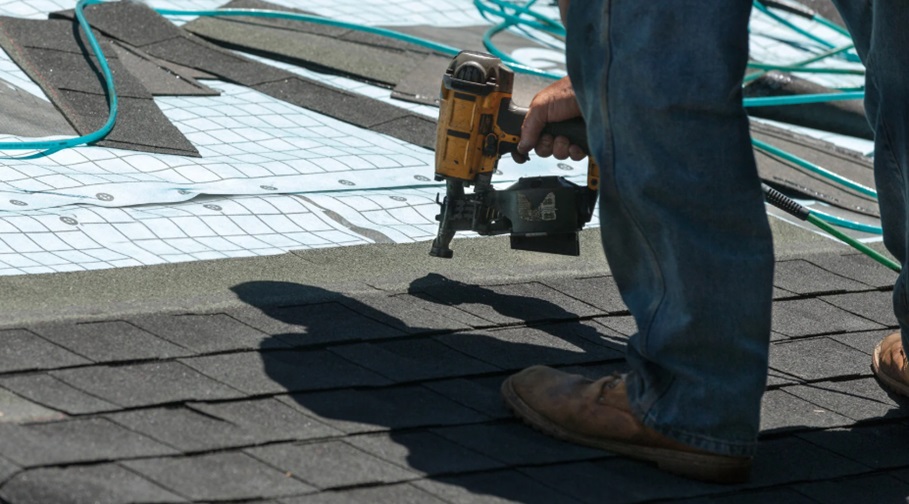
Even high-quality materials won’t perform properly without expert installation. Incorrectly installed roofs can lead to air leaks, faulty drainage, and uneven insulation, undermining the effort to improve energy efficiency. Professionals follow precise methods to ensure every aspect of your roof works as intended.

A properly executed roofing project guarantees that your investment translates into measurable savings. When deciding between a roofing company vs DIY repairs, it’s important to weigh expertise against cost savings.

Roof Maintenance and Inspections

Routine inspections and maintenance are key to sustaining an energy-efficient home. Worn-out shingles, leaks, or sagging areas compromise your roof’s ability to regulate temperatures. Professional roofing companies provide regular assessments and proactive repairs to keep your roof in peak condition year after year.

Conclusion

Investing in professional roofing services isn’t just about reducing energy bills; it’s about creating a comfortable, eco-friendly home with enduring value. With advanced tools and a thorough understanding of roofing systems, professionals ensure you get the best returns on your investment.

Professional roofing services deliver more than just short-term fixes. They establish a strong and sustainable foundation for your home, making them a smart investment in every sense. Wherever you are in your roofing journey, always trust experts to handle the details and provide the energy-efficient improvements your home deserves.
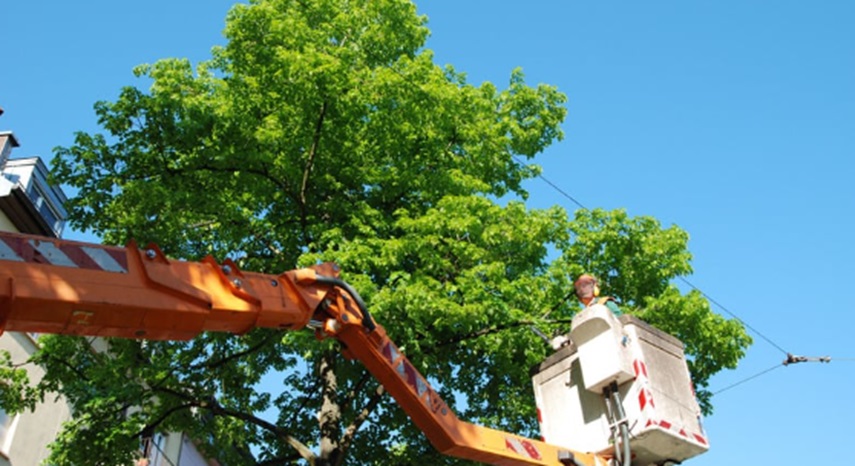
Storms can cause significant damage to properties, with fallen trees and branches being one of the most common causes of destruction. Proactively maintaining your trees can reduce these risks and protect your home and surroundings. For residents in need of expert services, tree trimming in Canton, GA, offers specialized care to keep trees healthy and minimize storm-related hazards. Understanding the role of tree trimming and how it helps prevent storm damage is key to safeguarding your property.

How Tree Trimming Prevents Storm Damage

Proper tree maintenance is more than an aesthetic choice—it’s also a protective measure against unpredictable weather. Regular trimming enhances tree health while addressing potential risks. Below are the ways tree trimming helps prevent storm damage:

  1. Removing Weak or Dead Branches

Trees naturally accumulate dead or weak branches over time. These limbs may seem harmless on sunny days but become dangerous projectiles during high winds. Whether due to advanced age, pests, or diseases, weak limbs can snap off and cause damage to roofs, vehicles, or even people. Trimming these branches early significantly reduces their ability to cause harm when storms hit.

  1. Reducing Wind Resistance

One of the primary reasons trees fall during storms is their inability to withstand fierce winds. Overgrown canopies act like sails, catching wind and creating resistance, which can push trees over. Thinning out the canopy during routine trims allows wind to pass through instead of exerting full force on the tree. This simple precaution can prevent uprooting and protect nearby structures from damage.

  1. Keeping Trees Balanced

A tree with uneven or lopsided growth is more likely to topple during storms. Regular trimming corrects this imbalance by redistributing weight equally throughout the tree. Balanced trees are better equipped to withstand turbulent weather conditions, ensuring both the tree’s survival and the safety of your property.

Knowing the Right Techniques

Effective trimming goes beyond cutting off a few branches—it requires proper methods to promote the health and longevity of a tree. For example, understanding the essential guide to trimming lower tree branches helps homeowners ensure they’re not only protecting their property but also encouraging proper tree growth and structural integrity. Techniques like these ensure your trees remain robust and resilient year-round.

Tree Trimming and Property Protection

Trees do a lot of good for your property, but without routine maintenance, they can also pose serious risks. Falling branches during storms can shatter windows, puncture roofs, and damage fences or power lines. Worse yet, an unstable tree can completely collapse, causing massive destruction to your home or yard.

Investing in professional tree trimming not only protects your property during storms but can help reduce long-term costs. Post-storm clean-ups and repairs due to unchecked tree damage often cost homeowners far more in the long run than preventative maintenance.

Why Professional Tree Services Matter

While DIY tree care may seem tempting, storm damage prevention often requires the expertise of professional arborists. Professionals understand tree structures and know how to identify issues beyond the surface, such as diseases or internal decay. They also have the equipment to safely manage large or hard-to-reach branches.

Homeowners benefit from services like the importance of professional tree trimming for homeowners, which highlights how professional expertise can save time, money, and potential hazards. Additionally, professionals can ensure compliance with local regulations concerning tree removal or maintenance, keeping you out of legal trouble.

Long-Term Benefits of Tree Trimming

Beyond storm prevention, regular tree trimming offers numerous long-term benefits. A well-maintained tree is less likely to harbor pests or diseases that could weaken it over time. Additionally, proper trimming improves sunlight penetration and airflow, which promotes healthy growth. Overall, these benefits contribute to creating a safer, healthier, and more attractive landscape.

Conclusion

Storm-related damage can often be prevented with regular tree maintenance. By addressing weak limbs, reducing wind resistance, and maintaining tree balance, trimming serves as a crucial step in safeguarding your home and yard during extreme weather. By consulting experts and committing to regular upkeep, you not only reduce risks but also enhance the beauty and longevity of your outdoor spaces. Make tree trimming a priority today to protect and preserve your home for years to come.

Investing in high-quality rain gutters is essential for protecting your home from water damage. However, the effectiveness of your gutters depends largely on the quality of the installation. With so many companies offering installation services, how do you find the best one? Here’s what to look for when searching for a reliable gutter installer.  

Experience and Expertise Matter

When looking for rain gutters near me, consider companies that have many years of experience. A long-time installer will possess the training and expertise to install different house styles and gutter systems. Experienced workers also know about local weather patterns and how to place gutters that can resist heavy rainfall and gusts. 

Consider Quality Materials

Not all gutter systems are alike. The best installers will use top-grade materials, including seamless rain gutters, that reduce leaks and need less upkeep in the long run. Question potential installers about the products they use and if they have durable products available that can weather California’s weather.

Customer Reviews and Reputation

Before you hire an installer, check online testimonials and reviews. Look for companies that have high ratings consistently and positive homeowner reviews. A good company will have a good online reputation and be open about their services. You can also request references to gain firsthand information from previous customers.

Proper Licensing and Insurance

A reputable gutter installation company will be licensed and insured to do business in California. This covers you in the event of accidents or damages when installing. Always check credentials prior to signing any agreement to be sure you’re dealing with a professional firm.

Customization and Services Offered

Each home is unique, and your gutter system must be designed to meet your unique needs. Reputable installers offer customization possibilities, with varying colors, materials, and designs to complement the exterior of your home. They must also visit your property to determine the ideal drainage options.

Warranty and After-Sales Support

A quality gutter installation must have a warranty for materials and labor. A reputable company will stand behind their work and provide guarantees that put your mind at ease. Ask them as well if they have maintenance services available to ensure your gutters last long-term. 

Make the Right Choice for Your Home

Getting a trustworthy gutter installation company doesn’t need to be difficult. Paying attention to experience, quality of materials, customer feedback, and valid licenses ensures you hire the best gutter company for your home. Investing in seamless gutters and professional installation will guard your home for decades to come.

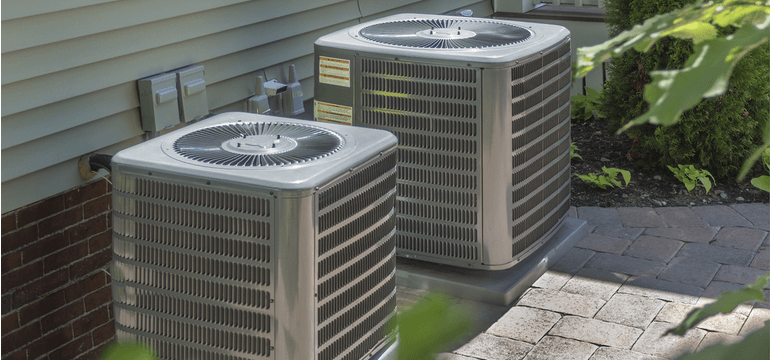
Finding the perfect AC temperature is a balancing act. Set it too high, and you’re sweating. Set it too low, and your energy bills skyrocket. So, what’s the ideal temperature to keep your home comfortable without draining your wallet? Let’s break it down.

The Sweet Spot for Comfort and Savings

According to the U.S. Department of Energy, the magic number is 78°F when you’re home. This setting provides a good mix of comfort and efficiency. But if 78°F feels a little warm, try lowering it by a degree or two and see how you feel. Small adjustments can make a big difference in your comfort and energy costs.

When you’re away from home, bumping up the temperature to around 85°F can help cut down on cooling costs. At night, lowering the thermostat to between 60°F and 67°F can help improve sleep quality.

Smart Ways to Maximize Comfort

If 78°F doesn’t sound cool enough, don’t worry! There are ways to make your home feel cooler without cranking up the AC:

  • Use Ceiling Fans – Fans don’t lower the temperature, but they create a wind-chill effect that makes you feel cooler.
  • Close the Blinds – Keep blinds or curtains closed during the hottest parts of the day to block out the sun’s heat.
  • Limit Heat-Producing Activities – Cooking on the stove, running the dryer, or using the oven can all raise indoor temperatures. Try to do these in the evening when it’s cooler.
  • Seal Leaks – Check for gaps around doors and windows. A well-sealed home keeps cool air in and hot air out.

Programmable and Smart Thermostats

Want to save even more? A programmable or smart thermostat can automatically adjust temperatures based on your schedule. For example, it can raise the temp when you’re out and cool things down before you get home. Smart thermostats even learn your habits and adjust settings for maximum efficiency.

Regular Maintenance for Peak Performance

Even if you set the thermostat to the perfect AC temperature, your AC won’t run efficiently if it’s not well-maintained. Keep your system in top shape by:

  • Changing the air filter every 1-3 months.
  • Scheduling regular tune-ups to keep the system running efficiently.
  • Cleaning the outdoor unit to prevent dirt buildup from blocking airflow.

Bottom Line

The best AC temperature for your home depends on your comfort preferences and energy goals. Start with 78°F and adjust as needed. Combine this with smart habits and regular maintenance to keep cool without overpaying for energy.


Proper heating system maintenance is essential for keeping your home comfortable and your system running efficiently throughout the colder months. Planned servicing reduces the risk of unexpected breakdowns and saves money on energy bills and repairs. Seeking professional HVAC services in Venice can help schedule routine maintenance, ensuring your heating system performs optimally and remains dependable when needed most.

Why Heating System Maintenance Matters

Many homeowners need to pay more attention to routine heating system maintenance, which can lead to inefficiencies and costly repairs. A well-maintained system keeps your home comfortable and reduces energy consumption. Below, we outline ten key benefits of keeping your heating system in top condition.

Improved Energy Efficiency

When heating systems are cleaned and serviced regularly, they operate more efficiently and consume less energy. Clogged filters and dirty components force the system to work harder, driving up utility bills.

Lower Utility Bills

Improved efficiency means lower energy consumption. Regular maintenance ensures you’re not paying extra for heat due to inefficiencies or faulty components.

Extended Equipment Lifespan

A well-maintained heating system lasts longer. Addressing minor issues during routine check-ups prevents them from escalating into significant problems that can shorten the system’s lifespan.

Consistent and Reliable Heating

No one wants a heating system that fails during the peak of winter. Maintenance ensures your system provides consistent and reliable warmth throughout the season.

Fewer Repairs

Preventative maintenance helps identify and fix minor issues before they turn into expensive repairs. This proactive approach saves you money and ensures fewer breakdowns over time.

Enhanced Indoor Air Quality

A clean heating system improves the quality of the air circulating in your home. Dust, allergens, and debris are often trapped in the system, but regular maintenance prevents these particles from being released into your living spaces.

Increased Safety

Heating systems, especially those powered by gas, can pose safety risks if not properly maintained. Regular inspections can detect gas leaks, carbon monoxide issues, and other potential hazards.

Environmental Benefits

A well-kept heating system reduces your carbon footprint by reducing energy consumption. Efficient systems are more environmentally friendly, making routine maintenance a sustainable choice.

Compliance with Warranty Requirements

Many manufacturers require regular maintenance as part of their warranty conditions. Avoiding this can invalidate your warranty, leaving you to cover repair costs out-of-pocket.

Peace of Mind

Understanding that your heating system is operating efficiently and safely provides invaluable peace of mind, particularly during extreme weather conditions. Regular maintenance ensures your home remains warm and comfortable while reducing the risk of unexpected breakdowns when you need your system the most.

How to Choose the Right HVAC Contractor

Seeking the right professional for heating system maintenance is just as important as the maintenance itself. Check out this guide how to select the right commercial HVAC contractor to ensure you choose a qualified expert for your needs.

Conclusion

Heating system maintenance offers numerous benefits, including lower bills, improved safety, enhanced reliability, extended lifespan, better performance, and healthier indoor air quality. Scheduling regular check-ups ensures the system operates efficiently, prevents unexpected breakdowns, and delivers consistent comfort and peace of mind during colder months.

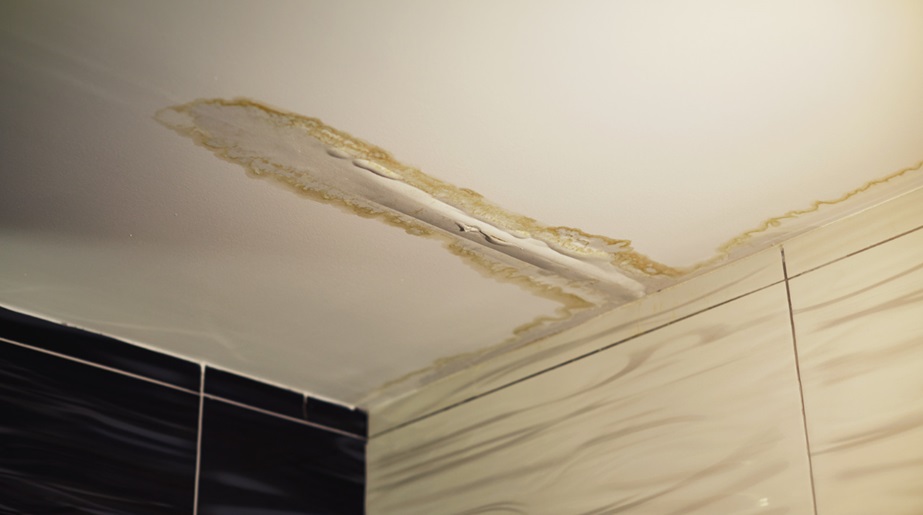
Roof leaks are one of the most frustrating issues homeowners face, often leading to damage that can affect the house’s structural integrity. A leaking roof may result from various factors, some of which can be easily overlooked. To address these concerns effectively, it’s essential to consult a roofing contractor in Atlanta for timely repairs and guidance on maintenance. Roof leaks are often symptoms of larger problems, and getting expert help is crucial for long-term roof health.

Damaged Shingles or Tiles

One of the most common causes of roof leaks is damaged or missing shingles. Shingles protect the roof from harsh weather conditions like heavy rain or snow. Over time, shingles can crack, curl, or break due to exposure to extreme temperatures or constant wear and tear. When shingles become damaged, they allow water to seep into the underlying layers of the roof, which can lead to leaks. Regular roof inspections and maintenance can prevent small issues from becoming bigger problems.

Poorly Installed Flashing

Flashing is critical to any roof, particularly around chimneys, skylights, and vents. It seals the gaps between the roof and other structures, preventing water from entering. When flashing is improperly installed or damaged, water can easily penetrate these areas, causing leaks. This is a common issue, especially in homes where the roof has been repaired or replaced without attention to detail. Proper flashing installation prevents water damage and ensures long-lasting roof integrity.

Clogged Gutters

Gutters play an important role in directing rainwater away from the roof and foundation of your home. Water can back up and pool on the roof when it becomes clogged with leaves, debris, or dirt. Over time, this can lead to leaks, especially if the water finds its way under shingles or through cracks in the roof. Regular gutter cleaning is essential for preventing leaks caused by water buildup. Discover more about managing gutter issues and fixing minor roof problems by checking out this article.

Cracked or Worn Seals Around Roof Penetrations

Roof penetrations, such as vent pipes, chimneys, or skylights, are necessary for any roofing system. However, these areas are vulnerable to leaks if the seals around them wear out or crack over time. The sealant around these structures can deteriorate due to weather conditions, leaving gaps where water can infiltrate. Checking these seals regularly and resealing them when necessary can help prevent roof leaks.

Ice Dams

In colder climates, ice dams can form on the edges of roofs during the winter. Ice dams occur when heat from the attic melts snow on the roof, causing the water to run down and refreeze at the roof’s edge. This ice buildup can prevent proper drainage, causing water to pool on the roof. When the water has nowhere to go, it can seep under shingles, leading to leaks. Insulating the attic properly and ensuring good ventilation can help prevent ice dams from forming.

Age of the Roof

No roof lasts forever, and age is a significant factor in roof leaks. As roofing materials age, they lose their ability to repel water effectively. Even if a roof appears intact, it may be more susceptible to leaks simply because the materials have degraded over time. Most roofs have a lifespan of 20 to 30 years, depending on the materials used and the local climate. If a roof is nearing the end of its expected lifespan, it’s wise to consider a replacement to avoid future leaks.

Conclusion

Roof leaks can be caused by various factors, from damaged shingles to clogged gutters and poorly installed flashing. Regular maintenance and timely inspections are key to preventing leaks before they cause more significant damage. Whether it’s the result of natural wear and tear or an overlooked issue like a cracked seal, addressing roof leaks promptly can save homeowners a lot of trouble and expense. If a leak is suspected, consulting a professional can ensure the problem is handled effectively and prevent future damage.

Frequently Asked Questions

1. How can I prevent roof leaks?

Regular inspections, cleaning gutters, and maintaining roof seals can help prevent leaks. It’s also crucial to replace damaged shingles and check for signs of wear around roof penetrations.

2. How often should I inspect my roof?

It’s recommended to inspect your roof at least twice a year, preferably in the spring and fall. Additionally, check your roof after severe weather events to catch any damage early.

3. Can small roof leaks lead to bigger issues?

Yes, even small roof leaks can lead to significant damage over time, including mold growth, structural damage, and insulation deterioration.

Solar panel installation is an excellent investment for homeowners looking to reduce their energy bills and carbon footprint. Understanding the ins and outs of this process is crucial to ensure you get the most out of your investment. Solar Panel Installation Rancho Cordova offers professional services that help you transition to renewable energy smoothly and efficiently. 

Let us delve into some vital aspects that you should know about solar panel installation services to make an informed decision.

Proper site assessment 

First, proper site assessment is key to a successful installation. A professional installer will evaluate your property to determine the best placement for your solar panels. This assessment includes analyzing the orientation of your roof, shading from trees or other structures, and the overall solar potential of your location. Proper site assessment ensures that your panels receive maximum sunlight, optimizing energy production. 

Understanding financial incentives 

Second, understanding the financial incentives is important. Solar panel installation often comes with various financial benefits, such as federal tax credits, state rebates, and net metering programs. A knowledgeable installation service will guide you through these incentives, helping you maximize your savings and make the installation more affordable. 

Quality equipment matters 

Third, the quality of equipment used in your installation matters. Professional solar panel installation services use high-quality solar panels and inverters that are designed to last. Quality equipment ensures that your system is durable, reliable, and efficient, providing you with long-term energy savings. 

Compliance with local regulations and permit 

Fourth, a professional installation service ensures compliance with local regulations and permits. Solar panel installations are subject to building codes and regulations, which can vary by location. Experienced installers handle all the necessary permits and ensure that your system meets all local requirements, avoiding potential legal issues down the line. 

Regular monitoring and maintenance 

Finally, ongoing maintenance and monitoring are essential for the longevity of your solar system. Reputable installation services often offer maintenance plans that include regular inspections, cleaning, and performance monitoring. This ensures that your solar panels continue to operate at peak efficiency, providing you with consistent energy savings for years to come. 

To sum up 

Solar panel installation is a smart choice for reducing energy costs and embracing renewable energy. By choosing a professional service, you benefit from thorough site assessment, financial guidance, high-quality equipment, regulatory compliance, and ongoing maintenance. Make the switch to solar with confidence and enjoy the benefits of clean, sustainable energy. 


Selecting durable furniture that endures both time and trends is a crucial aspect of home design. Investing in high-quality pieces not only ensures longevity but also enhances the aesthetic and functional appeal of your living spaces. This guide outlines essential factors to consider when choosing house furniture that will remain resilient and stylish for years to come.

1. Understanding the Importance of Material Quality

Wood

When it comes to durability, the material of your furniture is paramount. Solid wood, such as oak, maple, and walnut, is known for its strength and long-lasting nature. Unlike particleboard or medium-density fiberboard (MDF), which may deteriorate over time, solid wood furniture can withstand daily wear and tear. It also ages gracefully, often developing a rich patina that adds character to your home.

Metal

Metal furniture, particularly those made from stainless steel, wrought iron, or aluminum, offers excellent durability and a sleek, modern aesthetic. These materials resist corrosion and are less likely to warp or crack over time, making them ideal for both indoor and outdoor house furniture.

Upholstery

For upholstered pieces, consider fabrics like leather, microfiber, or high-quality synthetic blends. Leather is particularly durable and can last decades with proper care, while microfiber is resistant to stains and easy to clean. Ensure that the upholstery is tightly woven, as loose weaves are more prone to wear.

2. Examining Construction and Craftsmanship

Joinery

The way furniture is constructed plays a significant role in its durability. Look for pieces with strong joinery methods, such as dovetail joints or mortise-and-tenon joints, which provide superior strength compared to glued or stapled joints. High-quality house furniture often features solid, well-crafted joinery that can withstand the test of time.

Reinforcements

In addition to joinery, check for reinforcements like corner blocks or brackets that add stability to the structure. These are often found in well-made tables and chairs, where they prevent wobbling and ensure the piece remains sturdy over the years.

Finishes

A durable finish not only enhances the appearance of furniture but also protects it from damage. For wooden pieces, a high-quality finish such as lacquer or varnish can shield the wood from moisture, scratches, and UV rays, prolonging the life of the furniture. For metal, a powder-coated finish offers resistance to rust and corrosion.

3. Assessing Comfort and Functionality

Ergonomics

While durability is crucial, comfort should not be overlooked. Ergonomically designed furniture ensures that you maintain proper posture and reduce strain during use. This is particularly important for house furniture like chairs, sofas, and beds, which are used frequently. Choose pieces that offer adequate support and cushioning to promote long-term comfort.

Versatility

Versatile furniture that can adapt to different uses or spaces can also enhance its longevity. For example, a sturdy dining table that doubles as a workspace or an ottoman with hidden storage adds value and functionality to your home. Such multi-purpose pieces are often built to endure frequent use, making them a smart investment for durability.

4. Prioritizing Timeless Design Over Trends

Classic Styles

While trendy furniture may be appealing, it often lacks the staying power of classic designs. Opt for timeless styles that transcend fleeting trends and maintain their appeal over decades. Furniture with clean lines, neutral colors, and minimalist detailing tends to remain stylish and versatile, making it easier to incorporate into evolving interior designs.

Customization Options

Consider furniture that offers customization options, allowing you to update or modify pieces over time. For instance, a solid wood table with removable legs or an upholstered sofa with replaceable covers can be refreshed as styles change, without compromising the original structure.

5. Evaluating Maintenance and Care Requirements

Ease of Maintenance

Durable furniture should be easy to maintain, ensuring it stays in excellent condition with minimal effort. For example, choose materials that are resistant to stains, scratches, and other common forms of wear. Wood furniture can benefit from regular polishing and conditioning, while upholstered pieces should be vacuumed and spot-cleaned to preserve their appearance.

Professional Maintenance

Some high-quality furniture may require occasional professional maintenance, such as reupholstering or refinishing. While this may involve additional costs, it can significantly extend the life of your furniture, making it a worthwhile investment in the long run.

6. Making a Sustainable Choice

Environmentally Friendly Materials

Opt for furniture made from sustainable materials, such as FSC-certified wood or recycled metal, which not only ensures durability but also supports environmental conservation. Sustainable house furniture is often crafted with greater attention to quality and longevity, reducing the need for frequent replacements.

Ethical Manufacturing

Choose brands that prioritize ethical manufacturing practices, ensuring that your furniture is made with care and respect for both the environment and workers. This commitment to quality and sustainability often results in more durable and well-crafted products.

Conclusion

Choosing durable furniture that stands the test of time involves careful consideration of material quality, construction, design, and maintenance. By investing in well-made, timeless pieces, you can create a home environment that is both beautiful and resilient. Whether you’re furnishing a new space or updating your existing home, prioritizing durability in your house furniture will ensure that your investment pays off for years to come.


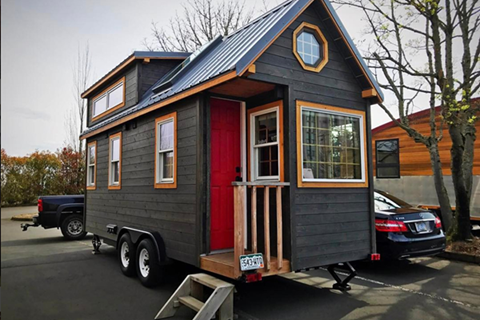
In recent years, tiny homes on wheels have gained popularity as a cost-saving alternative to traditional homes. These compact living spaces offer a range of benefits that make them more efficient than regular homes.

The good thing is that you can choose from a variety of tiny homes on wheels including travel trailers, RVs, etc. If you made up your mind to buy or build a tiny home on wheels, you must take a look at the details given below. This will give you an idea of how these homes are better than traditional homes.

Cost Efficiency

The cost of owning and maintaining a tiny home on wheels is much lower than that of a traditional home. The amount required to purchase a tiny home on wheels is reduced a great deal due to its smaller size. Additionally, tiny homes don’t require a lot of maintenance. The reduced utility bills and minimal upkeep also contribute to long-term financial savings.

On the other hand, regular homes involve higher expenses, including mortgage payments, property taxes, and ongoing maintenance costs.

Mobility and Flexibility

Another key advantage of tiny homes on wheels is their mobility. These homes are designed to be easily transported from one location to another. This is something you cannot achieve with a traditional home.

Since tiny homes on wheels are mobile, you can move from one place to another without the hassle of buying or renting a property. For those who wish to explore different locations or live in different environments, Tiny Homes on wheels offers an unmatched solution.

Simple Lifestyle

Living in a tiny home on wheels promotes a simpler lifestyle. With limited space, people are encouraged to prioritize essential belongings and embrace a clutter-free environment. This can lead to a more focused way of living.

On the other hand, regular homes often come with more space for accumulating possessions, which can contribute to a more complicated and less organized lifestyle.

Tiny Homes on wheels offers a range of efficiencies over traditional homes. While they may not be suitable for everyone, tiny homes on wheels present an excellent option for those seeking a simpler way of living.


Creating a beautiful and functional outdoor space can significantly enhance the appeal and value of your home. Landscape construction is a thoughtful process that involves transforming outdoor areas into aesthetically pleasing, functional, and sustainable environments. Here are some essential tips and considerations to help you master the art of landscape construction.

Understanding Your Landscape Vision

Before starting any landscape construction project, it’s crucial to have a clear vision of what you want to achieve. Consider the following:

  1. Purpose of the Space: Are you creating a garden, patio, walkway, or driveway?
  2. Style and Theme: Do you prefer a modern, rustic, or traditional look?
  3. Budget: Determine how much you are willing to invest in your project.
  4. Climate and Environment: Choose materials and plants that can withstand local weather conditions.

Having a clear vision will guide your choices and ensure a cohesive design.

Choosing the Right Materials

Selecting the right materials is essential for the success of your landscape construction project. Some popular options include:

  • Concrete: Durable and versatile, concrete can be molded into various shapes and sizes.
  • Brick: Classic and timeless, brick adds a rustic charm to any space.
  • Natural Stone: Options like granite, limestone, and slate provide a luxurious and natural look.
  • Porcelain: Known for its durability and low maintenance, porcelain is ideal for high-traffic areas.

For a comprehensive selection, consider exploring Urban Stone landscape construction, which offers a range of high-quality options to suit different design preferences.

Key Elements of Landscape Construction

Site Analysis

Before you start designing, assess your outdoor space thoroughly. Consider factors such as the size and shape of your yard, soil quality, drainage, and climate. Understanding these elements will help you make informed decisions about plant selection and layout.

Functionality

Think about how you want to use your outdoor space. Do you envision it as a place for relaxation, entertaining guests, gardening, or all of the above? Determining the primary functions will guide your design choices.

Aesthetic Appeal

The visual aspect of your landscape is crucial. Consider color schemes, textures, and the overall style you want to achieve. Do you prefer a formal, structured garden, or a more natural and organic look?

Hardscaping Elements

Incorporate hardscape features like pathways, patios, and retaining walls to add structure and functionality to your design. These elements can also serve as focal points in your landscape.

Sustainability

Implement eco-friendly practices in your design, such as water-efficient irrigation systems, native plants that require less maintenance, and materials that have a minimal environmental impact.

Maintenance

Consider the level of maintenance you’re willing to commit to. Your landscape design should be manageable and sustainable in the long run.

The Design and Construction Process

Initial Consultation

Start with an in-depth consultation to discuss your ideas, preferences, and vision for your outdoor space. This step is crucial for understanding your needs and setting the foundation for the project.

Conceptualization and Design

Once you have a clear understanding of your vision, create a custom landscape design tailored to your preferences and the unique characteristics of your property. Pay close attention to detail, incorporating elements such as plant selection, hardscaping features, and outdoor living areas.

Implementation

Once the design is finalized and approved, the construction phase begins. Use high-quality materials and skilled craftsmanship to ensure that every aspect of the design is executed with precision and attention to detail.

Final Walkthrough

After construction is complete, conduct a final walkthrough to ensure that every detail meets your satisfaction. Address any remaining concerns or questions and provide guidance on proper maintenance to ensure the longevity and beauty of your new landscape.

Conclusion

Mastering the art of landscape construction involves careful planning, attention to detail, and collaboration with experienced professionals. By understanding your vision, choosing the right materials, and incorporating key design elements, you can create a stunning and functional outdoor space. Explore the possibilities with Urban Stone landscape construction to find the perfect fit for your project. With careful planning and execution, your yard can become a beautiful oasis that you and your guests will enjoy for years to come.