Archive

February 2025

Browsing

If you love swimming, you know how disappointing it can be when cooler temperatures force you to close your pool for the season. But what if you could enjoy your pool for several extra months—or even year-round? A pool heat pump is the perfect solution to keep your water warm and comfortable, extending your swimming season and maximizing your investment in your pool.

What is a Pool Heat Pump?

A pool heat pump is an energy-efficient heating system that uses the ambient air to heat your pool water. Unlike gas heaters that rely on burning fuel, heat pumps work by transferring heat from the air and using electricity to circulate it through your pool. This process makes them highly energy-efficient and cost-effective in the long run.

Benefits of Using a Pool Heat Pump

1. Extended Swimming Season

With a pool heat pump, you no longer have to say goodbye to swimming in the early fall or late spring. By maintaining a consistent water temperature, you can enjoy your pool even when the air gets cooler.

2. Energy Efficiency & Cost Savings

Compared to gas heaters, pool heat pumps use significantly less energy. While the initial cost may be higher, the long-term savings on your energy bills make them a smart investment.

3. Environmentally Friendly

Pool heat pumps generate heat without burning fossil fuels, reducing greenhouse gas emissions. If you’re looking for a more eco-friendly way to heat your pool, a heat pump is the way to go.

4. Low Maintenance & Durability

These systems are built to last and require minimal maintenance. With proper care, a high-quality pool heat pump can last up to 10-15 years, giving you reliable and consistent heating.

Choosing the Right Pool Heat Pump

When selecting a pool heat pump, consider the following factors:

  • Pool Size: A larger pool requires a higher-capacity heat pump.
  • Climate: If you live in a cooler region, opt for a heat pump designed for lower temperatures.
  • Energy Efficiency Rating: Look for models with a high Coefficient of Performance (COP) for better efficiency.
  • Brand Reputation & Warranty: Choose a reliable brand with good customer reviews and warranty coverage.

Final Thoughts: Enjoy Your Pool Longer!

A pool heat pump is a game-changer for pool owners who want to extend their swimming season and get the most out of their investment. With energy efficiency, eco-friendliness, and long-term savings, it’s a smart choice for any pool owner.

Ready to Upgrade Your Pool Heating?

If you want to keep your pool warm and extend your swimming season, investing in a pool heat pump is the best decision. Browse our top-rated pool heat pumps today and make the most of your pool, no matter the season!

This article was written by a professional at Mannix Heating & Cooling, a trusted name in HVAC solutions since 2010. Founded by Jerry Mannix, a seasoned expert with over 30 years of experience, Mannix Heating & Cooling is dedicated to putting customers first, providing honest assessments, and delivering top-quality heating and cooling services. With a team of skilled technicians and a commitment to excellence, Mannix ensures your home stays comfortable year-round. Click here to learn more!

The home is more than just a structure; it is a sanctuary, a retreat from the chaos of the outside world. Yet, in today’s fast-paced, noisy environment, our homes often fail to provide the tranquility we crave. Designing spaces that foster peace and quiet can have profound effects on our mental and physical well-being. By carefully considering layout, materials, and design principles, we can transform our living spaces into serene havens that nurture relaxation and mindfulness.

Our surroundings shape our emotions, productivity, and overall health. A cluttered, noisy, and disorganized space can heighten stress levels, disrupt sleep, and contribute to feelings of unease. Conversely, a thoughtfully designed, quiet home provides a refuge where the mind can rest, recharge, and find clarity. By integrating intentional design elements, we can cultivate an atmosphere that supports emotional balance and well-being.

Why Quiet Spaces are Important Home Design

Noise pollution is often an overlooked aspect of home design. Whether it’s the hum of household appliances, outside traffic, or digital noise from screens, unwanted sound can disrupt concentration, increase anxiety, and even affect cardiovascular health. Quiet spaces, carefully integrated into home design, create pockets of peace that allow for uninterrupted relaxation, reading, meditation, or simple contemplation.

Research has shown that prolonged exposure to noise triggers the release of stress hormones like cortisol, which can negatively impact overall health. Silence, on the other hand, has been linked to cognitive restoration, improved mood, and enhanced focus. A home that minimizes noise pollution can serve as a powerful antidote to daily stressors, helping individuals achieve a greater sense of calm and well-being.

Designing a home that embodies the essence of a retreat involves more than just aesthetics; it requires intentionality in every aspect of space planning. Thoughtful selection of materials, strategic placement of furniture, and the incorporation of natural elements all play a role in crafting a tranquil environment. Soft lighting, neutral colors, and cozy textures can further enhance the sense of comfort and relaxation.

Understanding Noise Pollution in the Home

Many homes unknowingly harbor a range of disruptive noises. Household appliances, HVAC systems, thin walls, and even electronic devices contribute to an underlying hum of distraction. Open floor plans, while popular, can sometimes amplify sound rather than contain it. Recognizing these sources is the first step toward designing a quieter home.
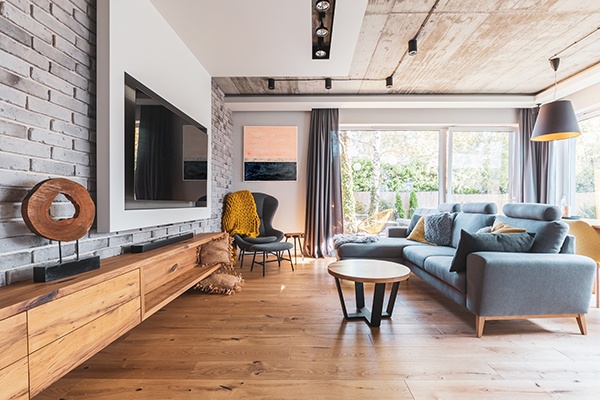
Home Design

Persistent background noise, especially at night, can interfere with deep sleep cycles, leading to fatigue, irritability, and decreased cognitive function. Over time, excessive noise exposure has been linked to increased risks of anxiety and depression. Creating an environment that minimizes disturbances, particularly in the bedroom, is crucial for maintaining overall health.

Conducting a sound audit of your living space can help pinpoint the noisiest areas. Stand in different rooms at various times of the day and note where sound seems most intrusive. External noises, such as street traffic, should be addressed with insulation and window treatments, while internal noises can often be mitigated through thoughtful layout and material choices.

Design Principles for a Peaceful Home

  • Open vs. closed layouts – While open-concept living fosters connectivity, it can also lead to increased noise levels. Introducing partitions, sliding doors, or designated quiet zones can create balance, allowing for both communal and private spaces.
  • Minimalism – A minimalist approach to design naturally reduces noise by eliminating clutter and excess furniture that can contribute to sound reverberation. Simplicity in design fosters a sense of calm and makes spaces feel more open and breathable.
  • Colors and textures – Soft, muted tones and natural textures promote relaxation and sensory comfort. Earthy hues, such as warm whites, gentle greens, and soft blues, evoke a sense of serenity, while textured elements like wool, linen, and natural wood absorb sound and add warmth to a space.

Soundproofing Basics: Blocking Out the Chaos

Acoustic panels, dense insulation, and thick carpeting can significantly reduce noise transfer between rooms. Cork, rubber underlays, and heavy curtains can also serve as effective sound barriers.

High ceilings and empty spaces tend to amplify sound. Adding bookshelves, upholstered furniture, and wall tapestries can help absorb excess noise, preventing echo and creating a more soothing environment. Reducing echo and improve acoustics naturally can be done by:

  • Using rugs, curtains, and soft furnishings. Textiles play a crucial role in dampening sound. Layering rugs, using blackout curtains, and incorporating plush furniture can help muffle unwanted noise while enhancing the cozy feel of a space.
  • Choosing the right window and door features. Double-glazed windows, solid-core doors, and weatherstripping can make a significant difference in keeping external noise at bay. Investing in quality materials ensures long-term peace and comfort.

Creating Quiet Rooms

A dedicated space for reflection, reading, or meditation should be free from distractions. Positioning a comfortable chair near a window, adding dimmable lighting, and incorporating calming scents can enhance the experience.

If space allows, transforming an unused room into a designated quiet space can provide a true retreat within the home. Soundproofing, warm lighting, and minimal décor can contribute to a deeply restorative atmosphere.

The bedroom should be the quietest space in the home. Positioning the bed away from noisy areas, using blackout curtains, and incorporating soft bedding materials can promote a restful night’s sleep.

The Power of Nature in Creating a Calm Home

Plants not only purify the air but also help dampen noise. Large leafy plants like rubber trees, ferns, and peace lilies absorb sound waves, reducing background noise.

Fountains and indoor water features provide a natural white noise effect, masking disruptive sounds while adding an element of tranquility. Outdoor retreats, such as a Zen garden or a secluded patio, can offer additional areas of calm and relaxation, enhancing overall home serenity.

Smart Technology for a Quieter Home

While white noise machines can help drown out distractions, natural soundscapes such as gentle rain or ocean waves provide a more organic, immersive experience. Noise-canceling devices, automated window treatments, and soundproofing smart panels offer innovative solutions for maintaining a quiet home environment.

Conclusion

Creating a quiet home doesn’t require drastic renovations. Thoughtful adjustments, from rearranging furniture to incorporating calming elements, can yield significant benefits. By blending mindful design with intentional lifestyle habits, homeowners can cultivate a space that not only looks beautiful but also nurtures the soul.


Lighting is more than just a way to brighten a room—it’s the silent architect of atmosphere. The right lighting can turn a cold space into a warm retreat, enhance focus in a workspace, or add drama to an otherwise neutral setting. It has the power to evoke emotion, influence perception, and define the character of a room. Yet, achieving the perfect lighting isn’t just about choosing beautiful fixtures; it’s about layering light to create depth, balance, and mood.

A single overhead light rarely does a space justice. Without layers, rooms can feel flat, overly bright, or uninviting. Layered lighting transforms interiors by combining different sources of light—each with its own purpose—to create ambiance, functionality, and depth. Whether it’s a dimly lit living room for movie nights, a bright and efficient kitchen workspace, or a softly illuminated bedroom for relaxation, layered lighting ensures that a space serves multiple needs while always feeling inviting.

Every space should have the ability to shift in mood depending on the occasion. Bright, cool lighting fosters alertness, making it ideal for offices and kitchens, while warm, dim lighting induces relaxation, perfect for living rooms and bedrooms. By strategically layering ambient, task, and accent lighting, you can tailor a space’s emotional tone while ensuring practical functionality.

How Light Affects Mood, Perception, and Energy

Lighting has a direct impact on mood, energy levels, and even circadian rhythms. Bright, cool-toned lights enhance focus and productivity, while soft, warm lights signal relaxation. Poor lighting can cause fatigue, stress, and discomfort, while well-layered lighting fosters well-being and positive emotions.

Understanding the Basics of Layered Lighting

Layered lighting is the strategic use of multiple light sources to create a well-balanced space. Instead of relying on a single fixture, it blends different types of lighting to add dimension, focus, and flexibility. The three main types of lighting that form a complete layer are:

  • Ambient lighting – The base layer that provides general illumination.
  • Task lighting – Focused light for specific activities like reading, cooking, or working.
  • Accent lighting – Decorative or directional lighting that adds drama and highlights focal points.

What is Ambient Lighting and Why Does it Matter?

Ambient lighting is the base layer of illumination in a room, ensuring even brightness without harshness. It prevents a space from feeling gloomy or overly stark while serving as a foundation for additional lighting layers. To avoid harsh, clinical lighting, opt for fixtures that diffuse light rather than direct it sharply. Consider:

  • Recessed ceiling lights with dimmers
  • Large pendant lights with frosted glass shades
  • Indirect lighting solutions like cove lighting

Ambient lighting can come from a variety of sources, including:

Layered Illumination

  • Chandeliers for elegance and general illumination
  • Flush mount and semi-flush ceiling lights for even brightness
  • Recessed lighting for a modern, unobtrusive glow

What is Task Lighting and Where Do You Need It Most?

Task lighting provides focused illumination for specific activities such as reading, cooking, and working. It eliminates shadows and ensures that workspaces remain well-lit and functional.

Kitchen Task Lighting:

  • Under-cabinet lighting illuminates countertops, reducing shadows.
  • Pendant lights over kitchen islands provide stylish, targeted lighting.
  • Recessed spotlights ensure even brightness for food prep.

Task Lighting in the Home Office:

  • Adjustable desk lamps help direct light exactly where needed.
  • LED strip lighting behind monitors reduces glare.
  • Natural light balance prevents screen reflections.

Task Lighting in Bathrooms and Dressing Areas

  • Vertical vanity lights eliminate shadows on the face.
  • Backlit mirrors provide even illumination.
  • Bright but warm-toned bulbs ensure natural skin tone reflection.

What is Accent Lighting and How Does it Elevate a Room?

Accent lighting adds depth, highlights design elements, and introduces ambiance. It turns an ordinary space into an elegantly curated environment. Examples include:

  • Adjustable spotlights direct attention to art and sculptures.
  • Picture lights highlight framed prints, adding sophistication.
  • Wall sconces add a layer of warmth and soft illumination, perfect for hallways, reading nooks, and beside beds.
  • Cove lighting creates a floating ceiling effect.
  • LED strip lights under furniture give a subtle glow.
  • Floor lamps in corners add a sense of depth.

Choosing the Right Light Temperature for the Perfect Mood

  • Warm light (2700K-3000K) creates a cozy, relaxing atmosphere.
  • Neutral white (3500K-4000K) is ideal for task-oriented areas.
  • Cool light (5000K-6000K) promotes focus and energy.

How to Instantly Set the Mood with Dimmers and Smart Lighting

Lighting isn’t just about brightness—it’s about flexibility and control. The ability to adjust lighting levels instantly transforms the mood, functionality, and ambiance of a space. Whether you’re setting the scene for a cozy evening, a focused work session, or a lively gathering, dimmers and smart lighting allow you to customize illumination to fit the moment.

The Power of Dimmers: Adjusting Brightness for Any Occasion

Dimmers provide seamless transitions between lighting intensities, ensuring that a space is neither too bright nor too dim for the task at hand. With a simple slide or turn of a knob, you can:

  • Lower the lights for a warm, intimate dinner
  • Brighten a room for reading or focused work
  • Create a soft, ambient glow for relaxation in the evening

By incorporating dimmable bulbs and switches, you eliminate the harsh contrast of “on” or “off” lighting, allowing for a more fluid, adaptable lighting experience.

Smart Lighting: Total Customization at Your Fingertips

Smart lighting takes convenience a step further by offering app and voice-controlled adjustments. With just a tap on your smartphone or a voice command to a smart assistant, you can:

  • Turn lights on or off remotely
  • Adjust brightness levels without leaving your seat
  • Change light colors to match the mood—warm hues for relaxation, cool tones for focus
  • Schedule lighting changes to align with your daily routine

Preset Lighting Scenes: One-Touch Mood Control

Smart bulbs allow users to create and save preset lighting “scenes” for different activities. With a single click, you can instantly:

  • Set a soft, warm glow for bedtime
  • Brighten workspaces for productivity during the day
  • Dim the lights and add a subtle hue for movie night
  • Switch to energizing daylight tones for morning routines

Dimmers and smart lighting remove the rigidity of traditional lighting setups, giving you the power to instantly shift the mood, improve comfort, and enhance the way you interact with your space.

Conclusion

Layered lighting is an essential design element that shapes how we experience and interact with a space. By blending ambient, task, and accent lighting, we can create functional, inviting, and visually stunning environments. Whether enhancing relaxation, boosting productivity, or simply making a space feel more refined, the right combination of lighting transforms any room instantly.


Investing in high-quality rain gutters is essential for protecting your home from water damage. However, the effectiveness of your gutters depends largely on the quality of the installation. With so many companies offering installation services, how do you find the best one? Here’s what to look for when searching for a reliable gutter installer.  

Experience and Expertise Matter

When looking for rain gutters near me, consider companies that have many years of experience. A long-time installer will possess the training and expertise to install different house styles and gutter systems. Experienced workers also know about local weather patterns and how to place gutters that can resist heavy rainfall and gusts. 

Consider Quality Materials

Not all gutter systems are alike. The best installers will use top-grade materials, including seamless rain gutters, that reduce leaks and need less upkeep in the long run. Question potential installers about the products they use and if they have durable products available that can weather California’s weather.

Customer Reviews and Reputation

Before you hire an installer, check online testimonials and reviews. Look for companies that have high ratings consistently and positive homeowner reviews. A good company will have a good online reputation and be open about their services. You can also request references to gain firsthand information from previous customers.

Proper Licensing and Insurance

A reputable gutter installation company will be licensed and insured to do business in California. This covers you in the event of accidents or damages when installing. Always check credentials prior to signing any agreement to be sure you’re dealing with a professional firm.

Customization and Services Offered

Each home is unique, and your gutter system must be designed to meet your unique needs. Reputable installers offer customization possibilities, with varying colors, materials, and designs to complement the exterior of your home. They must also visit your property to determine the ideal drainage options.

Warranty and After-Sales Support

A quality gutter installation must have a warranty for materials and labor. A reputable company will stand behind their work and provide guarantees that put your mind at ease. Ask them as well if they have maintenance services available to ensure your gutters last long-term. 

Make the Right Choice for Your Home

Getting a trustworthy gutter installation company doesn’t need to be difficult. Paying attention to experience, quality of materials, customer feedback, and valid licenses ensures you hire the best gutter company for your home. Investing in seamless gutters and professional installation will guard your home for decades to come.

Finding the perfect AC temperature is a balancing act. Set it too high, and you’re sweating. Set it too low, and your energy bills skyrocket. So, what’s the ideal temperature to keep your home comfortable without draining your wallet? Let’s break it down.

The Sweet Spot for Comfort and Savings

According to the U.S. Department of Energy, the magic number is 78°F when you’re home. This setting provides a good mix of comfort and efficiency. But if 78°F feels a little warm, try lowering it by a degree or two and see how you feel. Small adjustments can make a big difference in your comfort and energy costs.

When you’re away from home, bumping up the temperature to around 85°F can help cut down on cooling costs. At night, lowering the thermostat to between 60°F and 67°F can help improve sleep quality.

Smart Ways to Maximize Comfort

If 78°F doesn’t sound cool enough, don’t worry! There are ways to make your home feel cooler without cranking up the AC:

  • Use Ceiling Fans – Fans don’t lower the temperature, but they create a wind-chill effect that makes you feel cooler.
  • Close the Blinds – Keep blinds or curtains closed during the hottest parts of the day to block out the sun’s heat.
  • Limit Heat-Producing Activities – Cooking on the stove, running the dryer, or using the oven can all raise indoor temperatures. Try to do these in the evening when it’s cooler.
  • Seal Leaks – Check for gaps around doors and windows. A well-sealed home keeps cool air in and hot air out.

Programmable and Smart Thermostats

Want to save even more? A programmable or smart thermostat can automatically adjust temperatures based on your schedule. For example, it can raise the temp when you’re out and cool things down before you get home. Smart thermostats even learn your habits and adjust settings for maximum efficiency.

Regular Maintenance for Peak Performance

Even if you set the thermostat to the perfect AC temperature, your AC won’t run efficiently if it’s not well-maintained. Keep your system in top shape by:

  • Changing the air filter every 1-3 months.
  • Scheduling regular tune-ups to keep the system running efficiently.
  • Cleaning the outdoor unit to prevent dirt buildup from blocking airflow.

Bottom Line

The best AC temperature for your home depends on your comfort preferences and energy goals. Start with 78°F and adjust as needed. Combine this with smart habits and regular maintenance to keep cool without overpaying for energy.


Summary

  • Learn how exclusive bathroom remodeling leads can add value to homeowners, contractors, suppliers, designers, and architects.
  • Understand how the cost of exclusive leads compares to other methods.
  • Find out if the investment is worth it for your business or project.

When you are in a business of remodeling or home improvement, attracting the right customers is vital. Whether you are a contractor, supplier, designer, or architect, sometimes attracting quality leads can be some kind of challenge. So, how do you get interested homeowners without wasting time and money on ineffective marketing methods?

This is where exclusive bathroom remodeling leads come into play. But with a question on everyone’s mind: Are they really worth the cost? Let’s explore how they work and whether this investment is right for you.

What Are Exclusive Bathroom Remodeling Leads?

In simple terms, exclusive leads are prospects who want to remodel their bathrooms and have shown specific interest in your services. Unlike shared leads, which are sent to multiple contractors, exclusive leads are sold to only one business. This means you’re not competing against others for the same job, which increases your chances of closing the deal.

These are the leads meant to help you know that at all times you’re speaking with those people interested in what you’re offering for their bathroom remodels. All the leads provided through various platforms are online ad referrals and any marketing strategies implemented towards attracting actively looking homeowners searching for bathroom remodelers.

Exclusive Bathroom Remodeling Leads’ Price

Now, let’s get to the main question: How much does it cost to buy exclusive leads for bathroom remodeling? Well, the price varies depending on the quality of leads, the source of the platform, and market demand.

Typically, exclusive bathroom remodeling leads cost anywhere from $20 to $100 or more per lead. It may sound like a hefty price, but remember, you’re paying for exclusivity. Since no one else will get the same lead, you’re more likely to have a higher conversion rate compared to leads that are shared among multiple companies.

To put this in perspective, envision yourself being inside a retail store filled with people shopping for renovation companies. Chances are low for you making sales if you’re one of the 10 other contractors soliciting these same shoppers. If, however, you are the sole contractor granted the opportunity to bid on this account, chances look much more attractive.

Are these leads worth an investment?

The real question is: Does the cost of exclusive leads pay off in the long run?

Here are a few reasons why it could be:

  1. Higher Conversion Rates

When you are not competing with another company for just one lead, the possibility of converting that lead into a paying customer increases. Homeowners would likely go with the first contractor they talk to, especially when you have shown responsiveness and professionalism. With exclusive leads, you get that chance.

  1. Better Targeting

These leads are usually more refined. Targeted ads often generate them, making it likely that they would fall into your ideal customer base. This will result in less time spent chasing cold leads and more time spent working with clients who are seriously interested in remodeling their bathroom.

  1. Time-Saving

Let’s face it, your time is valuable. By investing in exclusive leads, you’re saving yourself from the time-consuming process of sifting through endless inquiries. You only get to work with homeowners who have expressed a real interest in remodeling their bathrooms, which means you can focus on projects instead of spending time on dead-end leads.

  1. Long-Term Business Growth

The more you close jobs from exclusive leads, the higher your possibility is to receive repeat business and referrals. Positive reviews of satisfied clients snowball into future opportunities that make an investment worthwhile.

How to Get the Most Value Out of Exclusive Bathroom Remodeling Leads

Here are a few tips if you ever decide to invest in exclusive bathroom remodeling leads:

  • Follow up quickly. Time beats every situation when it comes to leads. Hurry to respond to the inquiries so that people see you to be reliable and committed to their projects.
  • Set a budget: Don’t spend too much money on leads; instead, set a budget considering your company’s capability to do project work and nurture quality leads.
  • Qualify Leads While leads are exclusive, qualifying leads is still necessary to make sure they fit well into your services. Ask a few questions regarding whether they are ready for a remodel and if their project fits into your expertise range.
  • Use Reviews and Testimonials: Word of mouth is an unbeatable thing, especially when talking about home remodeling. So ensure that you get reviews and testimonials from your happy customers so you can turn potential leads into businesses.

Conclusion

Putting it simply, whether or not to invest in exclusive leads for bathroom remodeling or HVAC exclusive leads all boils down to your business needs. If you are really serious about gaining customers and increasing your chance of landing better quality jobs, then the cost of exclusive leads is well worth the investment. When targeting serious homeowners, offering customized service, and ensuring timely follow-through with high professionalism, you will realize what exclusive opportunities are all about.

Still curious? Check out the exclusive bathroom remodeling leads cost and see if this strategy aligns with your goals. It’s all about finding the right balance between cost and reward for your business!

Rekeying locks is one of the best ways to ensure a safe workplace. Rekeying is the process of changing the internal components in a lock to make the old keys unusable. This is a more cost-effective solution than replacing the entire locking mechanism. How often should a company rekey their locks? Answers depend on a number of factors including turnover in the workforce, security incidents and industry-specific requirements. This article discusses why rekeying is important, when to do it, and the best practices for maintaining security in your business.

Why is rekeying important for businesses?

Rekeying locks can be a vital security measure for business.

  • Prevent Unauthorized Entry: Old keys may still be in the possession of former employees, contractors or vendors, which poses a security threat.
  • Reduce Theft Risk: Stolen or lost keys can be used to gain unauthorised entry and steal valuable items.
  • Ensure Employee Safety: By ensuring that only individuals with authorization have access to premises, you can create a safer work environment.
  • Rekeying can be a cost-effective security solution. It is often more affordable than changing the entire lock system, while still improving security.

The Factors That Determine How Often A Business Should Rekey

1. Employee Turnover

Employee turnover is one of the main reasons why businesses rekey their locks. Rekeying is recommended for businesses that frequently hire and fire employees, particularly those who have access to sensitive areas. It’s not guaranteed that an employee will return their key if they’ve made a copy.

Suggested Frequency : Rekey at least every six to twelve months, or after an employee who has key access leaves the company under adverse circumstances.

2. Lost or Stolen keys

Rekeying the locks is essential if a key disappears. This will prevent unauthorised access. Stolen keys are often used to break into homes or for other security breaches.

Suggested frequency: Rekey as soon as a lost or stolen key occurs.

3. Security Break-Ins or Incidents

Rekeying is necessary to restore security in a business after a break-in, or a burglary attempt. Rekeying can help eliminate the risk of intruders having obtained or copied keys.

Suggested frequency: Rekey as soon as possible after a breach of security.

4. Changes in business operations or ownership

Rekeying locks is a good idea when a business undergoes structural change, such as a new owner, office relocation or expansion. This will ensure that current employees and management have access.

Suggested Frequency : Rekey immediately following ownership or operational changes.

5. Scheduled security upgrades

Regular security audits can help companies identify vulnerabilities and implement updates. Rekeying is one of the updates that can be implemented to improve security.

Suggested Frequency : Rekey at least every 1 to 2 Years as part of routine maintenance.

6. Specific Security Requirements for Industry

Certain industries such as government, finance, healthcare and the healthcare industry have more stringent security regulations that require businesses to adhere to strict rekeying procedures to meet industry standards.

Suggested frequency: Follow industry regulations which may require rekeying once every few months to annually.

Best Practices for Rekeying Business Systems

Maintain a key control policy

Track who has keys.

Limit the number who have access to sensitive areas.

Employees must return keys to the company when they leave.

Use Master Key Systems Wisely

The master key system provides different levels of access to employees.

Make sure that master keys are stored securely and only trusted personnel can access them.

Implement keyless or digital locking systems

Smart locks or electronic locks can be beneficial for businesses with high security requirements.

Access control is easier and more secure with keycards, biometric scanners or keypad entry systems.

Working with a professional locksmith

Rekeying should be done by a locksmith who is qualified.

You can also get advice on how to improve security, like installing high-security locks and access control systems.

Regularly review security measures

Perform a security audit to determine if rekeying of locks is required.

Keep up to date with the latest security technologies and practices.

The frequency with which a business should change its locks is determined by a number of factors. These include employee turnover, security incidents and industry regulations. Businesses should, as a rule, rekey locks at least once per year or more often in high-risk areas. Businesses can protect sensitive data, employees and assets by prioritizing security.

This article was written by Unico Locksmith. Unico Locksmith is a local locksmith located in Maryland. They specialize in residential and commercial lock changes, re-key services, automotive locksmiths services, and locksmith qualified emergency situations. Contact Unico Locksmith to get the best emergency locksmith in rockville MD today!