Tag

finds

Browsing

Homeowners enjoy backyard barbecues, gardening, and evenings on the patio when warm weather arrives in Manchester. Sadly, a swarm of mosquitoes can quickly ruin the fun. These tiny pests can turn a relaxing afternoon into an itchy nightmare. Mosquitoes are drawn to certain spots in your backyard. Knowing where to look allows you to address the mosquito issue with the right Manchester mosquito control solutions. Here are common mosquito hotspots found in Manchester backyards and what you can do about them:
Standing Water
Mosquitoes lay their eggs in still, shallow water. These eggs turn into hungry adult mosquitoes in just a few days. That is why any area in your yard that collects water can be a potential breeding ground. Common sources include birdbaths, kiddie pools, and pet bowls left outside. Also, clogged gutters, buckets or flower pots that collect rain, and pool covers with puddles can be breeding spots for mosquitoes. Even a bottle cap filled with rainwater can support mosquito larvae.
Manchester’s spring rains and humid summers often lead to water buildup. Check your yard after storms or watering days to ensure no standing water is present. Also, empty or refresh water containers regularly.
Overgrown Grass and Bushes
Mosquitoes need shade and shelter. Tall grass, thick shrubs, and overgrown gardens provide the cool, damp hiding places they love during the day. Keeping your lawn trimmed, bushes neat, and garden beds tidy can reduce the number of places mosquitoes can rest. It also makes your yard less appealing to ticks and fleas.
Damp Soil and Mulch Beds
Soil does not drain well in some parts of Manchester, especially after a big rain. Damp soil and mulch beds hold moisture longer than other surfaces, creating the perfect habitat for mosquitoes to hang out close to the ground. Areas that stay soggy or shaded can be prime mosquito zones.
Try using mulch sparingly and turning it over every few days to let it dry out. Also, consider improving drainage in low-lying areas or using gravel around garden beds to reduce moisture buildup.
Under Decks and Porches
It is usually dark and moist underneath a raised deck or porch., which is what mosquitoes want. Plus, the presence of damp leaves or standing water offers a great hidden hotspot for mosquitoes.
Anchor Pest Services, a trusted pest control company in Manchester, often finds mosquito activity hiding under decks during inspections. Their team recommends installing mesh barriers or lattice with proper airflow to prevent these areas from becoming breeding zones. They apply targeted treatments to eliminate hidden mosquito resting spots if needed.
Gutters and Downspouts
Gutters that are clogged with leaves or debris become mini ponds after every rain. Mosquitoes will quickly take advantage of the standing water. Even a few inches of water sitting in a gutter can host hundreds of mosquito larvae. So, clean your gutters regularly, especially in spring and fall. Also, ensure downspouts are draining away from your foundation. Anchor Pest Services offers gutter inspections as part of their pest control evaluations, helping homeowners catch these hidden water sources before mosquitoes do.
Toys, Tools, and Backyard Gear
Garden tools, kids’ toys, or old tires can be left outside. Unfortunately, many of these items can trap rainwater and become mosquito magnets. You can prevent this by walking around your yard every week and turning over or covering anything that can hold water. Keep items you want to store outside under a roof or tarp to prevent water from collecting.
Outdoor Furniture and Planters
Outdoor furniture with hollow frames or cushions that stay wet can attract mosquitoes as resting areas. The same goes for decorative planters and pots with saucers underneath. Water that sits in these places too long becomes a mosquito haven.
Many Manchester homeowners do not realize their beautiful patio setup was part of the problem. Pest control experts suggest using self-draining pots and water-resistant furniture, and wiping down cushions after rain or heavy dew.

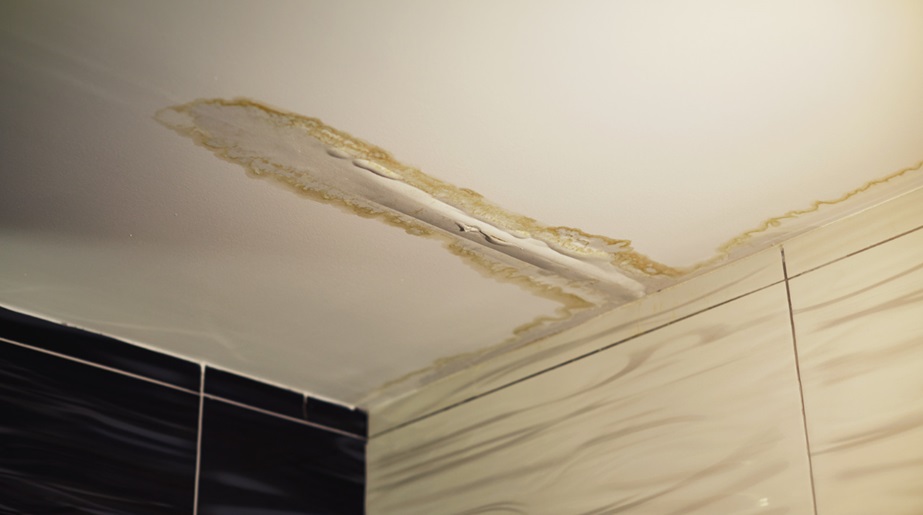
Roof leaks are one of the most frustrating issues homeowners face, often leading to damage that can affect the house’s structural integrity. A leaking roof may result from various factors, some of which can be easily overlooked. To address these concerns effectively, it’s essential to consult a roofing contractor in Atlanta for timely repairs and guidance on maintenance. Roof leaks are often symptoms of larger problems, and getting expert help is crucial for long-term roof health.

Damaged Shingles or Tiles

One of the most common causes of roof leaks is damaged or missing shingles. Shingles protect the roof from harsh weather conditions like heavy rain or snow. Over time, shingles can crack, curl, or break due to exposure to extreme temperatures or constant wear and tear. When shingles become damaged, they allow water to seep into the underlying layers of the roof, which can lead to leaks. Regular roof inspections and maintenance can prevent small issues from becoming bigger problems.

Poorly Installed Flashing

Flashing is critical to any roof, particularly around chimneys, skylights, and vents. It seals the gaps between the roof and other structures, preventing water from entering. When flashing is improperly installed or damaged, water can easily penetrate these areas, causing leaks. This is a common issue, especially in homes where the roof has been repaired or replaced without attention to detail. Proper flashing installation prevents water damage and ensures long-lasting roof integrity.

Clogged Gutters

Gutters play an important role in directing rainwater away from the roof and foundation of your home. Water can back up and pool on the roof when it becomes clogged with leaves, debris, or dirt. Over time, this can lead to leaks, especially if the water finds its way under shingles or through cracks in the roof. Regular gutter cleaning is essential for preventing leaks caused by water buildup. Discover more about managing gutter issues and fixing minor roof problems by checking out this article.

Cracked or Worn Seals Around Roof Penetrations

Roof penetrations, such as vent pipes, chimneys, or skylights, are necessary for any roofing system. However, these areas are vulnerable to leaks if the seals around them wear out or crack over time. The sealant around these structures can deteriorate due to weather conditions, leaving gaps where water can infiltrate. Checking these seals regularly and resealing them when necessary can help prevent roof leaks.

Ice Dams

In colder climates, ice dams can form on the edges of roofs during the winter. Ice dams occur when heat from the attic melts snow on the roof, causing the water to run down and refreeze at the roof’s edge. This ice buildup can prevent proper drainage, causing water to pool on the roof. When the water has nowhere to go, it can seep under shingles, leading to leaks. Insulating the attic properly and ensuring good ventilation can help prevent ice dams from forming.

Age of the Roof

No roof lasts forever, and age is a significant factor in roof leaks. As roofing materials age, they lose their ability to repel water effectively. Even if a roof appears intact, it may be more susceptible to leaks simply because the materials have degraded over time. Most roofs have a lifespan of 20 to 30 years, depending on the materials used and the local climate. If a roof is nearing the end of its expected lifespan, it’s wise to consider a replacement to avoid future leaks.

Conclusion

Roof leaks can be caused by various factors, from damaged shingles to clogged gutters and poorly installed flashing. Regular maintenance and timely inspections are key to preventing leaks before they cause more significant damage. Whether it’s the result of natural wear and tear or an overlooked issue like a cracked seal, addressing roof leaks promptly can save homeowners a lot of trouble and expense. If a leak is suspected, consulting a professional can ensure the problem is handled effectively and prevent future damage.

Frequently Asked Questions

1. How can I prevent roof leaks?

Regular inspections, cleaning gutters, and maintaining roof seals can help prevent leaks. It’s also crucial to replace damaged shingles and check for signs of wear around roof penetrations.

2. How often should I inspect my roof?

It’s recommended to inspect your roof at least twice a year, preferably in the spring and fall. Additionally, check your roof after severe weather events to catch any damage early.

3. Can small roof leaks lead to bigger issues?

Yes, even small roof leaks can lead to significant damage over time, including mold growth, structural damage, and insulation deterioration.

Decorating is really a favorite activity for most people and also the kitchen is easily the most popular location in your home undoubtedly. Your kitchen is the middle of the household oftentimes, so you should allow it to be inviting and fun for the whole family.

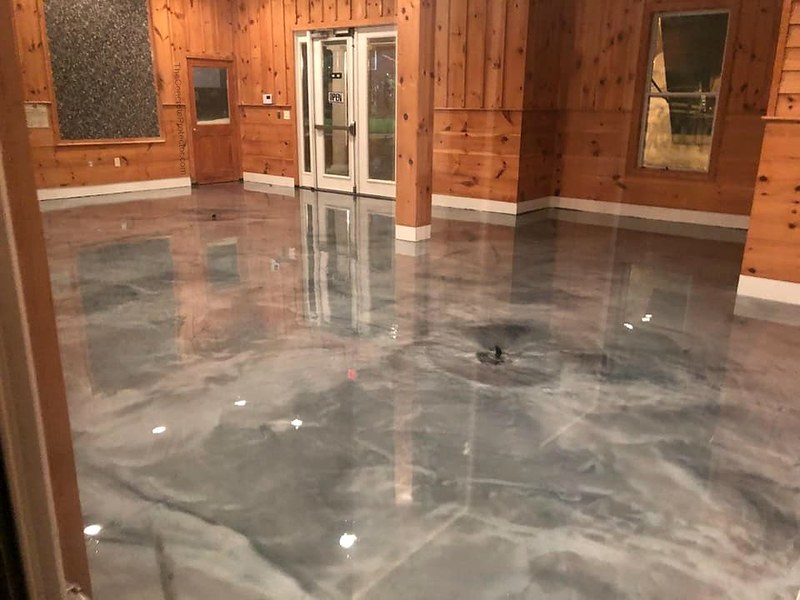
How to take care of wooden flooring - Times of India

A very common method to redecorate your kitchen area is incorporated in the vintage retro type of decorating. This style helps to provide you with an excellent outlet its individuals retro pieces that you could find at tag sales and it could make the area fun and welcoming.

When planning your decorating, you would like to make sure that you include all the various areas of the area. Including draperies, floors, cabinets, wall color, furniture, etc. You would like all the pieces to mesh well together to produce surroundings which are a cohesive whole, as opposed to the pieces detracting from one another. Popular colors within the vintage retro type of decorating include pink and blue, red and white-colored, and cream and eco-friendly. The retro 1970’s colors aren’t off limit, so you might want to consider orange, harvest gold, or perhaps avocado eco-friendly.

Your window treatments that you select may either enhance or diminish all of your décor. That’s the reason it’s so vital that you help make your choice carefully. There are also curtains which are original towards the era that you’re recreating if you’re prepared to search and spend the cash. If you fail to find any, then you might want to consider vintage napkins, tablecloths, or towels that you could create curtains from.

Flooring – Paradise Granite

Accessories are another fantastic way to include that vintage retro style for your kitchen. If you fail to manage to redecorate the whole room, then just consider altering the accessories. You’ll be surprised about exactly what a difference these small touches might have. Concentrate on selecting products that you simply love which fit design for decorating that you simply chose. Garage sale finds an internet-based auction finds are a good source of these kinds of products.

Displaying your accessories round the walls provides you with a classic retro style without getting to redo the entire room. By wearing them shelves, you’ll be able to produce displays of various heights and sizes to ensure they are visually appealing and also to boost the décor of the room.