
Author

Michael Massey

Browsing

Interior design in 2026 is set to become more personal, more sustainable and more connected to wellbeing than ever before. For homeowners working with an interior designer in Chester or across the UK, the focus is shifting away from fast trends and towards spaces that feel meaningful, long lasting and deeply comfortable. From natural materials to intelligent layouts, these are the interior design trends shaping homes in 2026.

1. Warm Minimalism Replaces Cold Modernism

Minimalist interiors are evolving into something softer and more welcoming. In 2026, warm minimalism is leading the way, combining clean lines with comforting textures and earthy tones.

Think soft plaster walls, natural wood finishes, linen upholstery and gentle curves. Homes are still uncluttered, but they feel lived in rather than stark. The focus is on quality over quantity, with fewer pieces chosen for their craftsmanship and longevity.

2. Nature Inspired Colour Palettes

Colour trends in 2026 are heavily influenced by the natural world. Warm neutrals, clay tones, muted greens and soft blues are replacing cooler greys and bright whites.

These palettes create calming environments that support wellbeing and work beautifully in British homes where natural light changes throughout the year. Layering similar tones through walls, furnishings and accessories helps create depth without overwhelming a space.

3. Sustainable Design Becomes the Standard

Sustainability is no longer a niche choice. In 2026, it is a core part of good interior design. Homeowners are increasingly prioritising materials that are responsibly sourced, durable and low in environmental impact.

Reclaimed wood, recycled fabrics, natural stone and eco friendly paints are becoming standard choices. There is also a shift towards buying less but buying better, investing in furniture that will last for decades rather than following short term trends.

4. Multifunctional Spaces for Modern Living

With hybrid working firmly established, homes in 2026 are designed to adapt easily to different uses. Rooms are no longer defined by a single purpose.

Dining areas double as workspaces, guest bedrooms incorporate clever storage and living rooms are zoned for relaxation, entertainment and work. Thoughtful layouts, flexible furniture and integrated storage solutions help homes work harder without sacrificing style.

5. Statement Lighting as a Design Feature

Lighting in 2026 is about more than function. Statement lighting is being used as a focal point, adding personality and character to interiors.

Sculptural pendants, oversized floor lamps and layered lighting schemes are popular choices. Warm light tones are preferred, creating cosy atmospheres that suit evenings at home. Well planned lighting design is becoming an essential part of the interior process rather than an afterthought.

6. Curves and Organic Shapes Continue to Rise

Sharp edges are giving way to softer, more organic forms. Curved sofas, rounded dining tables and arched doorways are continuing to gain popularity in 2026.

These shapes help soften interiors and make spaces feel more relaxed and inviting. They work particularly well in open plan layouts, helping to guide movement and create visual flow throughout the home.

7. Personalisation Over Perfection

Perhaps the most important trend of 2026 is the move towards personal expression. Homes are becoming reflections of the people who live in them rather than showrooms designed to impress.

Mixing old and new, displaying meaningful artwork and incorporating bespoke elements are all key. This approach creates interiors that feel authentic, comfortable and timeless.

Looking Ahead

Interior design trends in 2026 focus on creating homes that support real life. Comfort, sustainability and individuality are at the heart of design decisions, resulting in spaces that are beautiful but also practical and enduring.

If you are planning a renovation or redesign, working with an interior designer can help you interpret these trends in a way that suits your home and lifestyle, ensuring your space feels relevant for years to come.

Selecting tile adhesive rarely feels exciting. It sits quietly behind the tiles, unseen and often unconsidered, yet it decides whether floors remain firm, walls stay intact, and finishes age well. In Singapore’s climate, where humidity, heat, and frequent cleaning are part of daily life, choosing the right tile adhesive is not a detail to rush. It is a practical decision that shapes durability, safety, and long-term maintenance.

Rather than focusing on brand names or sweeping claims, it helps to understand how tile types and surfaces interact with adhesive performance. That clarity makes selecting tile adhesive in Singapore more predictable and far less stressful.

Start with the Tile, Not the Adhesive

Tiles behave differently once installed. Ceramic tiles tend to be lighter and slightly porous, which allows adhesives to grip more easily. Porcelain tiles, by contrast, are dense and less absorbent. Natural stone brings its own considerations, including weight and sensitivity to moisture movement.

Because of these differences, tile adhesive in Singapore must match the physical properties of the tile. Porcelain tiles often require higher bonding strength to prevent slippage or hollow spots. Large-format tiles demand adhesives that maintain consistent coverage to avoid uneven setting. Skipping this alignment risks cracks, tile movement, or early failure.

Tile grout in Singapore then plays a secondary but critical role. Even when grout appears flawless, weak adhesive beneath the tile undermines the entire surface.

Match Adhesive Type to Surface Conditions

Surfaces tell their own story. Concrete screeds offer solid support but still require proper preparation. Existing tiles present smoother, less porous surfaces. Wet areas such as bathrooms, kitchens, and balconies introduce moisture exposure that never fully disappears.

Tile adhesive in Singapore must accommodate these realities. Flexible adhesives work better on substrates that experience slight movement, including areas exposed to temperature shifts. Water-resistant properties become essential for wet zones, where moisture infiltration can weaken bonds over time.

Ignoring surface conditions often leads to tiles lifting quietly, then suddenly. By the time grout cracks appear, the problem has already progressed beneath the surface.

Consider Indoor and Outdoor Applications Separately

Indoor installations usually focus on stability and clean finishes. Outdoor spaces add another layer of complexity. Heat expansion, rain exposure, and surface drainage place constant stress on tile systems.

For outdoor areas, tile adhesive in Singapore should support flexibility and strong bonding without becoming brittle. This prevents tiles from loosening during temperature fluctuations. Tile grout in Singapore for outdoor use must also resist moisture penetration to protect the adhesive layer below.

Understand Setting Time and Workability

Not all projects move at the same pace. Some installations require longer open time to allow adjustments. Others demand fast setting to reduce downtime, especially in commercial or high-traffic areas.

Tile adhesive in Singapore offers varied setting profiles. Choosing based on workability rather than convenience improves installation quality. Adhesives that set too quickly increase alignment errors. Those that set too slowly may struggle in humid environments.

Do Not Overlook Compatibility with Tile Grout

Tile grout in Singapore completes the system rather than standing alone. Adhesive choice influences grout performance by affecting tile alignment and joint consistency. Poor adhesion leads to uneven joints, which then stress grout lines.

Grout cannot compensate for weak bonding. It only performs as well as the adhesive beneath it. Treating adhesive and grout as a coordinated system rather than separate products leads to cleaner finishes and longer service life.

Think Long Term, Not Just Installation Day

Tiles are not temporary. Once installed, they should remain functional for years with minimal intervention. Choosing tile adhesive in Singapore based solely on price or availability often creates hidden costs later, including repairs, replacements, and downtime.

Durability, compatibility, and suitability matter more than speed or shortcuts. The right adhesive quietly supports the surface day after day, absorbing stress and maintaining bond strength without attention.

Final Thoughts

Selecting tile adhesive is not about guesswork. It is about understanding tiles, surfaces, and environments, then making a clear, informed decision. When adhesive selection aligns with real-world conditions, tiles stay secure, grout remains intact, and maintenance becomes simpler.

If you are planning a tile installation and want guidance from a trusted, leading producer of adhesives and specialised chemical products for construction, contact Mapei Far East to discuss the right solution for your project with confidence.

The Immediate Impact of Fire Damage

When a fire wreaks havoc on a property, the primary damage is immediately visible. Charred walls, destroyed belongings, and the smell of smoke are clear indicators of the disaster. However, what often escapes immediate attention is the looming threat of secondary damage. Secondary damage occurs after the flames are out, sometimes even weeks later, and can cause significant long-term issues if not addressed promptly.

What is Secondary Damage?

Secondary damage refers to the indirect effects of a fire incident that are not a direct result of the flames themselves. This damage can arise from exposure to elements such as smoke, soot, moisture, and structural instability. It is often exacerbated by the delay in taking remedial actions after the fire.

Understanding the Risks of Secondary Damage

Smoke and Soot Residues

After a fire, smoke and soot can permeate every nook and cranny of a building. They can discolor walls, corrode metal surfaces, and embed deeply into flooring materials and furniture. Even after the fire is extinguished, the acidic properties of soot continue to cause damage. The longer these residues remain, the deeper they penetrate and the more challenging their removal becomes.

Structural Instability

Fires can compromise the integrity of a building’s structure. Beams that have been weakened by flames may pose a risk of collapse. Moreover, the addition of water during firefighting efforts can add weight and stress to structural elements. If not quickly assessed and reinforced by professionals, these weaknesses can lead to unsafe living or working conditions.

Learn more about Coventry Services’ commitment to restoring safe environments.

Mold and Mildew Growth

One of the most insidious forms of secondary damage is mold growth. The water used to extinguish a fire creates a moist environment, ideal for mold spores to flourish. Mold can spread rapidly, affecting air quality and causing health issues for the occupants. Addressing water damage promptly by experts like Coventry Services can mitigate this risk.

Electrical Hazards

Electrical systems often sustain damage during a fire. Wiring might melt or become exposed, elevating the risk of electrocution or further fires. Immediate inspection and repairs by certified technicians are crucial in ensuring the safety and functionality of electrical systems post-fire.

Read more about fire safety tips and prevention.

The Importance of Immediate Action

Time is of the essence when dealing with fire damage. The longer the response time, the greater the potential for secondary damage. Swift action can significantly mitigate long-term repair costs and health risks. Professional fire remediation services are equipped to handle the entire process, from damage assessment to restoring property integrity.

How Coventry Services Can Help

Coventry Services recognizes the urgent need for rapid intervention post-fire. With a team of experienced professionals, they offer comprehensive solutions tailored to address both primary and secondary fire damages. Their expertise ensures that issues such as smoke residue, structural weaknesses, and water damage are handled efficiently and effectively.

Explore the expertise and history of Coventry Services.

The Coventry Services Advantage

Expert Assessment and Cleanup

The team at Coventry Services begins with a thorough assessment of the damage to determine the necessary steps for restoration. Their approach includes state-of-the-art equipment and techniques for smoke and odor removal, deep cleaning, and structural repair. This attention to detail helps address all aspects of secondary damage promptly.

Comprehensive Restoration Solutions

Beyond immediate repairs, Coventry Services offers complete restoration solutions to return the property to its pre-fire condition. This includes working closely with property owners to ensure their needs are met and delivering a seamless experience from start to finish.

Professional and Certified Team

Certified by industry standards, the team at Coventry Services is knowledgeable and trained in the latest fire damage restoration techniques. Their commitment to excellence and customer satisfaction ensures that properties are safe, secure, and restored efficiently.

Discover more about home fire risks and prevention strategies.

Why Choose Coventry Services?

With years of proven experience in the field, Coventry Services stands out as a leader in fire damage restoration. Their dedication to swift, effective service ensures that property owners can quickly move past the disaster and resume their lives. Choosing Coventry Services means choosing peace of mind in the wake of a fire.

For more information or to request immediate assistance, visit their website at Coventry Services.

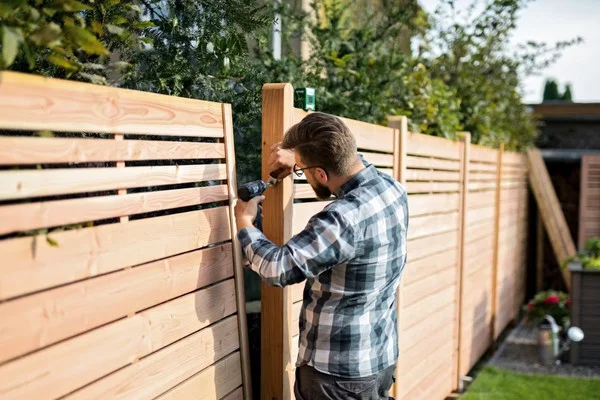
A fence does more than delineate. It keeps your family safe, shields you from the eyes of your neighbors, and enhances your home’s curb appeal. However, fences in Austin are subject to year-round punishment. There is the burning sun, unexpected rainstorms, high humidity, and, yes, pests.

No fence is so good that animals can’t destroy it eventually. Being aware when your fence is in need of repair can save you from expensive circumstances, and will help to maintain your property’s safety and aesthetic appearance. And that’s exactly why hiring a reputable fence company in Austin is so essential to the longevity (and good looks) of your fence.

In this guide, we’ll cover what are the most common signs that your fence needs to be repaired and how your Austin fence company can help.

1. Rot or Decay in Wood

Wooden fences are warm and have a certain old-world appeal, but they are susceptible to rot. Moisture is the biggest culprit. If you see soft spots, discoloration, or the wood crumbling, rot has likely taken hold.

  • Early: Small patches are sometimes possible.
  • Severe: Large areas may require replacing.

An Austin professional fence company will evaluate the damage, and provide a recommendation for either repair or replacement.

2. Leaning or Wobbly Fence Posts

Strength in the fence comes from the posts. If your posts are pulled loose from soil that has shifted, has eroded, or has been water damaged, then your fence could be leaning as a whole. A tilting fence is not merely unsightly — it’s unsafe.

Local fence professionals know how to do this — they can dig deep holes with the right tools and weights so that your original fence can be re-anchored or replaced and your fence will be standing tall in no time.

3. Reveals with Free or Absent Boards or Panels

Wood and vinyl fences commonly have issues with gaps, but chain link fences are often sag or fail in sections. This isn’t just a loss of privacy — it’s a risk to the security of your property.

The solution? Instead, fence companies in Austin can substitute missing boards with materials that complement your existing fence, which will make your fence look good and be structural.

4. Rust and Corrosion

With metal fences, the enemy is rust. A few rust spots can be sanded down and repainted but once the rust takes hold and spreads, the entire weld may become weak.

When you have a pool fence that needs repairing, it may be best to bring in one of the pool fence experts in Austin to make a determination whether repairs will suffice or if specific sections should be replaced. And they can add protective coatings that protect against future rust.

 fence company

5. Trouble with Gates

Gates get the most use and the most abuse, so it’s common for them to show signs of wear before other parts of the fence. Common issues are weak, lose, or cut plastic catches.

Fixing a gate might require:

  • Adjusting hinges
  • Reinforcing posts
  • Replacing faulty hardware

Experienced Austin fence contractors can tighten or replace the hinge on your gate to keep it functioning smoothly and safely.

6. Cracks and Splitting Wood

Wood will expand and contract due to Austin’s extreme summer heat and crack, split, or twist. Water and bugs are the cause of these gaps and holes, making your fence even weaker.

Tiny cracks can be sealed up, but larger splits usually necessitate replacing the boards. Austin fence professionals can recommend long-lasting treatments and materials that can better withstand the local weather.

7. Pest Infestation

Wooden fences can be eaten away by termites and carpenter ants and other pests. Warning signs include:

  • Hollow-sounding boards
  • Tiny holes in the wood
  • Sawdust accumulation at the bottom of the fence

Early intervention may salvage your fence, but major infestations often require the repairs to be extensive. An experienced fence company in Austin will be able to rid them and recommend a deterrent.

8. Weather-Related Damage

Austin storms can be brutal. Boards can snap; posts can bend; entire sections can topple; even hail can tear through the wide ribs and split the edges.

When that does, speed action counts. Most fence companies in Austin provide emergency repair services to secure your property as soon as possible after storm damage.

9. Declining Curb Appeal

Other times, the culprit isn’t structural — it’s visual. Even if the fence is still leading the league in terms of curb appeal, and remains standing as straight as it did on the day it was installed, faded paint, peeling stain, and general wear can make your property look neglected.

Repainting, staining, or sealing is all part of what keeps your fence looking great. Good fence companies in Austin can do all of this for you, and more, to keep your fence healthy and make your home a more valuable investment.

10. Mounting Repair Costs

The costs can mount if you’re always patching the fence. At some point, the whole fence may be smarter — and possibly cheaper — than a series of small repairs.

Fencing contractors in Austin are capable of providing you with a truthful evaluation to help you determine whether you should continue maintaining your fence, or if it is time for an overhaul.

Why Should You Opt for Professional Repair in Austin?

It can be tempting to perform your own DIY fence repair, but in many cases, you will only be able to temporarily fix it. There are big benefits to most professional services:

  • Experience: Professional drivers will know what’s causing the problem.
  • Quality materials: Professionals use durable materials that weathers the Austin climate.
  • Efficiency: It does not take long to get the job done right.
  • Compliance: Follow local codes and HOA regulations to prevent future issues.

A trustworthy fence company in Austin brings a sense of relief, you can rest easy knowing your property is theirs to handle.

How to Keep the Fence from Being Damaged Again

You can’t prevent Austin’s sun, storms, or pests, but you can make a difference with good old-fashioned maintenance. Homeowners should:

  • Check fences every so often for initial damages.
  • Follow the schedule for replacing air- and moisture-exposed wood treatments.
  • Trim foliage back to discourage excess moisture.
  • Wash and refinish or repaint surfaces as necessary.
  • Have fence experts in Austin for annual checkups.

Those small efforts prevent large repairs later on.

Final Thoughts: Protecting Your Investment

Your fence is one of the first things people see when they look at your property. It provides embellishment, demarcates, and protects. Failing to address minor problems — such as rot, leaning posts, or missing boards — can result in costly replacements.

You can also do things like learn more about the signs of trouble so you can act early. With the assistance of an Austin fence company that Austin can believe in and the aid of responsible Austin fence builders, you can take pride in the work that makes it possible for your outdoor architecture to stand tall for years to come.

The Michigan housing market is shifting in favor of buyers, and Detroit is leading the change. With more inventory and growing price stability, homebuyers are finally gaining the upper hand. Detroit stands out for its rare combination of affordable prices and fast growth.

Statewide, the median home price is $269K, up 4.7% year-over-year. But in Detroit, the median is just $99,000—making it one of the most budget-friendly big cities in the U.S. Plus, 26.5% of homes sold in Detroit had a price drop, giving buyers even more leverage.

Detroit: Your Affordable City Choice

Detroit remains an affordable market with a median home price of around $99K, giving buyers a rare chance to enter a major city at a low cost. While some homes have sold below the asking price recently, this buyer-friendly market means you can negotiate well.

Thanks to ongoing neighborhood improvements and city revitalization efforts mentioned earlier, Detroit’s housing market is positioned for future appreciation. Buyers targeting homes in need of repairs are likely to see long-term value growth as the city continues to attract investment and new residents.

Detroit City Advantages:

  • Home prices are affordable at $99K, with huge growth potential.
  • The market now favors buyers, giving you better negotiation opportunities.
  • City improvements and neighborhood development offer high future value.

Michigan Statewide: Your Balanced Market Choice

Across Michigan, the housing market is fairly balanced between buyers and sellers. This balance attracts young people, remote workers, and families looking for affordable living with a good quality of life.

Why Michigan Is an Attractive Option:

  • Home prices are about 25% lower than the national average, helping buyers save money.
  • Job opportunities across multiple industries support steady housing demand.

Grand Rapids: Your Steady Growth Choice

Grand Rapids offers a steady housing market with consistent growth. The median home price is around $311K, with a 2.5% year-over-year increase. The city’s economy is supported by healthcare, manufacturing, and technology industries, creating reliable jobs.

Grand Rapids is perfect for families and investors interested in rental properties. It offers a suburban lifestyle with easy access to city amenities, making it popular among young professionals and growing families.

Grand Rapids Growth Benefits:

  • A diverse job market reduces risks from industry downturns.
  • 6% of young renters can afford to buy homes; now is a great time to buy before prices increase.
  • New construction projects are driving home values up.

Market Changes and Timing

All three markets in Michigan offer great opportunities for smart buyers. Detroit’s market provides negotiation power for buyers, while the city’s improvements create potential for long-term growth. Interest rates around 6.5% also create opportunities for cash buyers and qualified investors.

Before making any purchase, do your research on neighborhood development plans and economic trends. With increased inventory across Michigan, buyers can expect better selection without losing out on competition.

👉 Ready to explore your options? Browse 143,000+ homes for sale in Michigan, including top listings in Detroit and Grand Rapids. Use Houzeo, America’s leading home buying and selling website, with real-time market data and smart tools to help you buy with confidence.

Your Michigan Investment Decision

Michigan’s housing market changes provide great opportunities for different buyer types and investment plans. Detroit delivers maximum money returns through city revival and dramatic affordability advantages. On the other hand, Grand Rapids offers economic stability with moderate growth and strong rental demand from jobs.

Current conditions favor buyers, with increased inventory and better negotiation opportunities. With continued population growth and economic improvements, Michigan remains an attractive market for long-term investments.

👉 Ready to make a smart investment in Michigan? Download the Houzeo mobile app to explore homes for sale in Detroit, Grand Rapids, and across the state. Track market changes, analyze neighborhoods, and submit offers—all from your phone with America’s #1 home buying app.

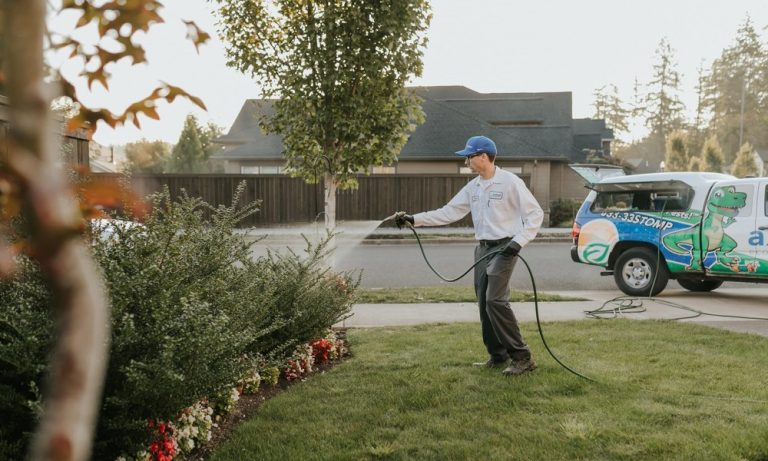
Mobile technology is transforming the pest control industry. Already, Bend Exterminator Services and traditional pest management companies are being supplemented by smartphone applications designed to make pest identification and control easier for homeowners. This sudden shift is opening up the doors to new concepts in pest management, complete with technological tools that promise an easier pest problem solution technology, including digital identification, treatment suggestions, and direct integration with Bend Exterminator Services.

As these new applications grow in popularity, many are left wondering if they genuinely provide insights that improve pest control effectiveness or if all that technology just makes a hands-on problem more complicated to solve.

History of Technology in Pest Control

From simple tools to advanced integrated pest management systems, pest control methods have evolved greatly from the earliest days. Professionals and homeowners alike have been well served by the most recent evolution, an expanding crop of mobile apps. These applications range in functionality from basic pest identification to robust platforms that link users with local exterminators, offer treatment recommendations, and track pest activity over time.

This is another step at a time when digital solutions for home maintenance are on the rise. About 47 percent of homeowners currently utilize some form of digital resource when dealing with pest issues. The speed at which these technologies are being adopted indicates an increasing confidence in technology-assisted pest control strategies.

The Advantages of Pest Control Applications

The benefits of technology in pest management are:

  • Early detection 

The sooner you identify a pest through the use of apps that help users visually identify materials, the sooner you can intervene and this can be used in the prevention of full infestations. Such forward-thinking can help minimize both property damage and the cost of treatment.

  • Informed Decisions

Immediate access to information about pests and treatment options enables homeowners to decide better whether to handle a problem themselves or hire pros.

  • Professional Efficiency

Pest control businesses can use apps to optimize operations through improved scheduling, digital documentation, and more accurate initial assessments.

  • Long-term Pest Tracking

Certain apps monitor pest activity over time, enabling data-driven prevention and treatment methods.

  • Considerations of the Environment

Many current apps utilize integrated pest management principles, encouraging less-toxic solutions as needed.

Limitations and Challenges

Though it has its benefits, pest control apps have their roadblocks:

  • Accuracy Concerns

No identification app is 100 percent accurate, most especially with a comparable species or when you submit a low-quality picture. Misidentification may result in ineffective treatment strategies.

  • Need for Professional Assessment

Some infestations may require assessment beyond what an app can provide, such as structural evaluations or consideration of local regulations.

  • Too Much Do-It-Yourself

The apps could give homeowners a lot of information and potentially lead to homeowners attempting to fix problems that need pro-intervention, resulting in a lingering infestation.

  • Technology Barriers

Older homeowners may not be adept at using smartphone applications for pest management.

  • Security and Privacy Risks

The information collected by these apps about homes and pests poses risks to data security and privacy.

This is not to say that these smart pest control devices are bound to fail; however, it does underscore some limitations and that technology can improve pest control but never completely take over a professional in most cases.

Finding Balance Between Technology and Professional Expertise

The best approach to pest management is probably a combination of high-tech tools and professional know-how. Homeowners may use apps for first identification, rudimentary prevention, and surveillance but will seek certified professionals in the face of difficult infestations, safety issues, or compliance concerns.

Our best defense is to have a clear understanding of the limitations of tech. Software is more effective if used within a broader pest management strategy than a single solution. Companies that adopt emerging technologies while treating their customers with integrity may also gain a competitive edge.

When it comes to protecting your home, your roof is the first line of defense. Metal roofs are known for their durability, energy efficiency, and long lifespan. However, even the strongest roofing systems eventually need replacing. Knowing when it’s time to replace your metal roof can help you avoid costly damage and ensure your home stays protected.

Here are the top signs it’s time for a metal roof replacement:

1. Rust and Corrosion Are Spreading

Metal roofs are coated to prevent rust, but over time, that protection can wear away. If you begin to notice rust patches or corroded areas across your roof, it’s a red flag. Surface rust may be manageable, but widespread corrosion can weaken the structure, leading to leaks and further damage.

2. Frequent Leaks or Water Damage

Metal roofs are designed to be water-resistant, but aging materials and worn-out seams can cause persistent leaks. If you’ve noticed water spots on ceilings or walls, mold growth, or soggy insulation in the attic, it may be time to consider a full roof replacement instead of repeated repairs.

3. Loose or Warped Panels

Over time, exposure to temperature extremes can cause metal panels to warp, loosen, or buckle. You might hear rattling during strong winds or notice visible lifting along seams and edges. This compromises the roof’s integrity and can allow water and pests to enter your home.

4. Your Roof is 40+ Years Old

One of the biggest benefits of a metal roof is its longevity—often 40 to 70 years depending on the material. If your roof is approaching the upper end of its lifespan and you’re starting to see performance issues, now is the time to plan for a replacement before problems worsen.

5. Increased Energy Bills

Metal roofs are known for their energy efficiency, especially when they’re properly insulated and coated with reflective finishes. If your utility bills have started to climb without a clear reason, your roof’s efficiency may be compromised, indicating it’s time for a newer, more advanced metal roofing system.

6. Storm or Hail Damage

Severe weather can take a toll on even the most durable metal roofs. If your area has recently experienced hail, hurricanes, or heavy windstorms, have your roof professionally inspected. Dents, punctures, or hidden structural damage can significantly reduce your roof’s effectiveness and lifespan.

Don’t Wait—Schedule Your Metal Roof Replacement Today!

Ignoring the signs of roof failure can lead to costly repairs, interior damage, and safety concerns. If you’ve noticed any of the symptoms listed above, it’s time to talk to a professional.

Contact Florida Roofing and Gutters today for a free roof inspection and expert advice on metal roof replacement. We’ll help you choose the right materials and install a long-lasting, beautiful roof that protects your home for decades to come.

This post was written by a professional at Florida Roofing and Gutters. https://floridaroofingandgutters.com/ , founded by Tri-Town Construction, is the best roofing company to turn to for residential and commercial roof replacements and repairs in Southwest Florida.

The home is more than just a structure; it is a sanctuary, a retreat from the chaos of the outside world. Yet, in today’s fast-paced, noisy environment, our homes often fail to provide the tranquility we crave. Designing spaces that foster peace and quiet can have profound effects on our mental and physical well-being. By carefully considering layout, materials, and design principles, we can transform our living spaces into serene havens that nurture relaxation and mindfulness.

Our surroundings shape our emotions, productivity, and overall health. A cluttered, noisy, and disorganized space can heighten stress levels, disrupt sleep, and contribute to feelings of unease. Conversely, a thoughtfully designed, quiet home provides a refuge where the mind can rest, recharge, and find clarity. By integrating intentional design elements, we can cultivate an atmosphere that supports emotional balance and well-being.

Why Quiet Spaces are Important Home Design

Noise pollution is often an overlooked aspect of home design. Whether it’s the hum of household appliances, outside traffic, or digital noise from screens, unwanted sound can disrupt concentration, increase anxiety, and even affect cardiovascular health. Quiet spaces, carefully integrated into home design, create pockets of peace that allow for uninterrupted relaxation, reading, meditation, or simple contemplation.

Research has shown that prolonged exposure to noise triggers the release of stress hormones like cortisol, which can negatively impact overall health. Silence, on the other hand, has been linked to cognitive restoration, improved mood, and enhanced focus. A home that minimizes noise pollution can serve as a powerful antidote to daily stressors, helping individuals achieve a greater sense of calm and well-being.

Designing a home that embodies the essence of a retreat involves more than just aesthetics; it requires intentionality in every aspect of space planning. Thoughtful selection of materials, strategic placement of furniture, and the incorporation of natural elements all play a role in crafting a tranquil environment. Soft lighting, neutral colors, and cozy textures can further enhance the sense of comfort and relaxation.

Understanding Noise Pollution in the Home

Many homes unknowingly harbor a range of disruptive noises. Household appliances, HVAC systems, thin walls, and even electronic devices contribute to an underlying hum of distraction. Open floor plans, while popular, can sometimes amplify sound rather than contain it. Recognizing these sources is the first step toward designing a quieter home.

Home Design

Persistent background noise, especially at night, can interfere with deep sleep cycles, leading to fatigue, irritability, and decreased cognitive function. Over time, excessive noise exposure has been linked to increased risks of anxiety and depression. Creating an environment that minimizes disturbances, particularly in the bedroom, is crucial for maintaining overall health.

Conducting a sound audit of your living space can help pinpoint the noisiest areas. Stand in different rooms at various times of the day and note where sound seems most intrusive. External noises, such as street traffic, should be addressed with insulation and window treatments, while internal noises can often be mitigated through thoughtful layout and material choices.

Design Principles for a Peaceful Home

  • Open vs. closed layouts – While open-concept living fosters connectivity, it can also lead to increased noise levels. Introducing partitions, sliding doors, or designated quiet zones can create balance, allowing for both communal and private spaces.
  • Minimalism – A minimalist approach to design naturally reduces noise by eliminating clutter and excess furniture that can contribute to sound reverberation. Simplicity in design fosters a sense of calm and makes spaces feel more open and breathable.
  • Colors and textures – Soft, muted tones and natural textures promote relaxation and sensory comfort. Earthy hues, such as warm whites, gentle greens, and soft blues, evoke a sense of serenity, while textured elements like wool, linen, and natural wood absorb sound and add warmth to a space.

Soundproofing Basics: Blocking Out the Chaos

Acoustic panels, dense insulation, and thick carpeting can significantly reduce noise transfer between rooms. Cork, rubber underlays, and heavy curtains can also serve as effective sound barriers.

High ceilings and empty spaces tend to amplify sound. Adding bookshelves, upholstered furniture, and wall tapestries can help absorb excess noise, preventing echo and creating a more soothing environment. Reducing echo and improve acoustics naturally can be done by:

  • Using rugs, curtains, and soft furnishings. Textiles play a crucial role in dampening sound. Layering rugs, using blackout curtains, and incorporating plush furniture can help muffle unwanted noise while enhancing the cozy feel of a space.
  • Choosing the right window and door features. Double-glazed windows, solid-core doors, and weatherstripping can make a significant difference in keeping external noise at bay. Investing in quality materials ensures long-term peace and comfort.

Creating Quiet Rooms

A dedicated space for reflection, reading, or meditation should be free from distractions. Positioning a comfortable chair near a window, adding dimmable lighting, and incorporating calming scents can enhance the experience.

If space allows, transforming an unused room into a designated quiet space can provide a true retreat within the home. Soundproofing, warm lighting, and minimal décor can contribute to a deeply restorative atmosphere.

The bedroom should be the quietest space in the home. Positioning the bed away from noisy areas, using blackout curtains, and incorporating soft bedding materials can promote a restful night’s sleep.

The Power of Nature in Creating a Calm Home

Plants not only purify the air but also help dampen noise. Large leafy plants like rubber trees, ferns, and peace lilies absorb sound waves, reducing background noise.

Fountains and indoor water features provide a natural white noise effect, masking disruptive sounds while adding an element of tranquility. Outdoor retreats, such as a Zen garden or a secluded patio, can offer additional areas of calm and relaxation, enhancing overall home serenity.

Smart Technology for a Quieter Home

While white noise machines can help drown out distractions, natural soundscapes such as gentle rain or ocean waves provide a more organic, immersive experience. Noise-canceling devices, automated window treatments, and soundproofing smart panels offer innovative solutions for maintaining a quiet home environment.

Conclusion

Creating a quiet home doesn’t require drastic renovations. Thoughtful adjustments, from rearranging furniture to incorporating calming elements, can yield significant benefits. By blending mindful design with intentional lifestyle habits, homeowners can cultivate a space that not only looks beautiful but also nurtures the soul.

In the realm of kitchen renovations, eco-friendly flooring options are gaining traction, appealing to homeowners who prioritize sustainability without sacrificing style. Modern advancements in flooring technology are broadening the horizons for those looking to make environmentally responsible choices. Here’s a look at some of the top eco-friendly kitchen flooring materials that offer both durability and design versatility.

Bamboo: Fast-Growing and Durable

Bamboo flooring is a favourite among eco-conscious homeowners due to its rapid regrowth rate and hardwood-like qualities.

Advantages of Bamboo Flooring

  • Sustainability: Bamboo can regenerate to its full mass in just six months, making it a highly renewable resource.
  • Strength and Durability: It is harder and more durable than many traditional hardwoods, making it suitable for the high traffic of kitchens.
  • Style Versatility: Bamboo flooring comes in various shades and can be stained to fit any kitchen style.

Cork: Soft and Sustainable

Cork is not only sustainable but also offers unique benefits that are particularly advantageous for kitchen settings.

Advantages of Cork Flooring

  • Eco-Friendly Material: Cork is harvested from the bark of the cork oak tree, which regrows, making it a sustainable choice.
  • Comfort and Safety: The softness of cork provides comfort underfoot and can relieve strain from standing. It’s also naturally fire retardant.
  • Noise Reduction: The porous nature of cork helps in reducing noise, a beneficial feature for busy household kitchens.

Eco-Friendly Floors

Recycled Glass Tiles: Vibrant and Versatile

For those looking for a bit of sparkle and vibrancy, recycled glass tiles offer an eco-friendly way to add colour and reflect light in the kitchen.

Advantages of Recycled Glass Tiles

  • Reduced Waste: Made from recycled bottles and other glass products, these tiles keep glass out of landfills.
  • Wide Range of Colours: Glass tiles come in a plethora of colours and designs, perfect for creating a custom backsplash or flooring.
  • Easy to Maintain: Glass tiles are non-porous and resist stains and spills, making them ideal for the mess-prone kitchen environment.

Linoleum: Natural and Biodegradable

Linoleum is experiencing a resurgence, gaining popularity for its sustainable ingredients and retro appeal.

Advantages of Linoleum Flooring

  • Made from Natural Materials: Linoleum is made from linseed oil, wood flour, and jute, all of which are natural and biodegradable.
  • Durability: It is incredibly durable and can last up to 40 years if properly maintained.
  • Antibacterial Properties: Linoleum is naturally antibacterial, making it a great flooring option for kitchens.

Making the Eco-Friendly Choice

When selecting the best eco-friendly flooring for your kitchen, consider the sustainability of the material as well as its performance in a high-use area like the kitchen.

  • Consider Your Lifestyle: Think about your kitchen’s traffic and activities. Materials like bamboo and linoleum are durable and can handle more intense usage.
  • Aesthetic Fit: Choose a material that complements the design of your kitchen. Recycled glass tiles can add a modern touch, while bamboo provides a classic warmth.
  • Maintenance Needs: Go for flooring that matches your willingness to maintain it. Cork and linoleum require regular sealing to stay waterproof and durable.

Opting for eco-friendly kitchen flooring doesn’t mean compromising on style or functionality. Materials like bamboo, cork, recycled glass, and linoleum not only offer beautiful, unique flooring options but also promote a healthier environment through sustainable practices. Choosing one of these materials ensures your kitchen floor is not only visually appealing but also a testament to your commitment to environmental conservation.

Creating a beautiful and functional outdoor space can significantly enhance the appeal and value of your home. Landscape construction is a thoughtful process that involves transforming outdoor areas into aesthetically pleasing, functional, and sustainable environments. Here are some essential tips and considerations to help you master the art of landscape construction.

Understanding Your Landscape Vision

Before starting any landscape construction project, it’s crucial to have a clear vision of what you want to achieve. Consider the following:

  1. Purpose of the Space: Are you creating a garden, patio, walkway, or driveway?
  2. Style and Theme: Do you prefer a modern, rustic, or traditional look?
  3. Budget: Determine how much you are willing to invest in your project.
  4. Climate and Environment: Choose materials and plants that can withstand local weather conditions.

Having a clear vision will guide your choices and ensure a cohesive design.

Choosing the Right Materials

Selecting the right materials is essential for the success of your landscape construction project. Some popular options include:

  • Concrete: Durable and versatile, concrete can be molded into various shapes and sizes.
  • Brick: Classic and timeless, brick adds a rustic charm to any space.
  • Natural Stone: Options like granite, limestone, and slate provide a luxurious and natural look.
  • Porcelain: Known for its durability and low maintenance, porcelain is ideal for high-traffic areas.

For a comprehensive selection, consider exploring Urban Stone landscape construction, which offers a range of high-quality options to suit different design preferences.

Key Elements of Landscape Construction

Site Analysis

Before you start designing, assess your outdoor space thoroughly. Consider factors such as the size and shape of your yard, soil quality, drainage, and climate. Understanding these elements will help you make informed decisions about plant selection and layout.

Functionality

Think about how you want to use your outdoor space. Do you envision it as a place for relaxation, entertaining guests, gardening, or all of the above? Determining the primary functions will guide your design choices.

Aesthetic Appeal

The visual aspect of your landscape is crucial. Consider color schemes, textures, and the overall style you want to achieve. Do you prefer a formal, structured garden, or a more natural and organic look?

Hardscaping Elements

Incorporate hardscape features like pathways, patios, and retaining walls to add structure and functionality to your design. These elements can also serve as focal points in your landscape.

Sustainability

Implement eco-friendly practices in your design, such as water-efficient irrigation systems, native plants that require less maintenance, and materials that have a minimal environmental impact.

Maintenance

Consider the level of maintenance you’re willing to commit to. Your landscape design should be manageable and sustainable in the long run.

The Design and Construction Process

Initial Consultation

Start with an in-depth consultation to discuss your ideas, preferences, and vision for your outdoor space. This step is crucial for understanding your needs and setting the foundation for the project.

Conceptualization and Design

Once you have a clear understanding of your vision, create a custom landscape design tailored to your preferences and the unique characteristics of your property. Pay close attention to detail, incorporating elements such as plant selection, hardscaping features, and outdoor living areas.

Implementation

Once the design is finalized and approved, the construction phase begins. Use high-quality materials and skilled craftsmanship to ensure that every aspect of the design is executed with precision and attention to detail.

Final Walkthrough

After construction is complete, conduct a final walkthrough to ensure that every detail meets your satisfaction. Address any remaining concerns or questions and provide guidance on proper maintenance to ensure the longevity and beauty of your new landscape.

Conclusion

Mastering the art of landscape construction involves careful planning, attention to detail, and collaboration with experienced professionals. By understanding your vision, choosing the right materials, and incorporating key design elements, you can create a stunning and functional outdoor space. Explore the possibilities with Urban Stone landscape construction to find the perfect fit for your project. With careful planning and execution, your yard can become a beautiful oasis that you and your guests will enjoy for years to come.