Tag

Control

Browsing

For many households, the garage is a central hub of storage, yet it often becomes one of the most cluttered and disorganized spaces in the home. Between bicycles, seasonal decorations, tools, camping gear, and sports equipment, it’s easy for the floor to fill up quickly. A Garage Smart lift system is designed to change this by moving items off the ground and into overhead space, combining motorized power with smart technology for safe, convenient, and efficient storage.

What Is a Garage Smart Lift System?

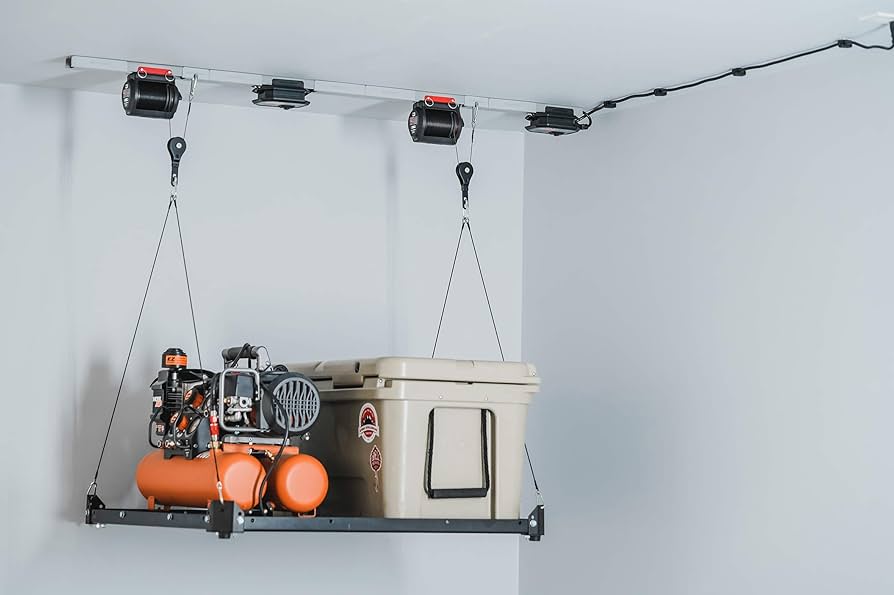
A Garage Smart lift system is a motorized overhead storage solution that allows homeowners to raise and lower items with ease. Instead of balancing on ladders or struggling with heavy bins, users can operate the lift through a smartphone app or remote control. These systems are engineered for strength and safety, with durable steel components, strong cables, and built-in load protection to prevent accidents.

Core Features of Garage Smart Lift Systems

  • Motorized Lifting Power – Heavy-duty electric motors do the hard work, lifting loads that would otherwise be difficult to store overhead.
  • App Integration – Many Garage Smart lifts connect to the MyLifter app, allowing you to control the system directly from your phone.
  • Adjustable Capacity – Units can be used individually for lighter items or synchronized together for heavier loads.
  • Safety Technology – Auto-locking mechanisms and overload sensors keep items secure once lifted.
  • Durable Build – With powder-coated steel frames and high-strength cables, these systems are designed to last.

Benefits of Choosing Garage Smart Lifts

Maximizing Garage Space

By lifting items overhead, Garage Smart lifts free up the ground for cars, workshops, or fitness areas.

Ease of Access

Lower your storage platform to ground level with a tap on your phone. This eliminates climbing, lifting, or straining.

Improved Safety

Reducing reliance on ladders lowers the risk of falls and injuries, making storage safer for the whole family.

Flexible Solutions

Whether you’re storing bikes, cargo boxes, kayaks, or storage bins, there’s a Garage Smart lift tailored to your needs.

Smart Technology Convenience

With app-based control, you can set height limits, check load balance, or operate multiple lifts at once.

Common Applications for Garage Smart Lift Systems

Bicycles – Keep bikes overhead yet easy to access for regular rides.

Sports and Outdoor Gear – Store kayaks, paddleboards, and camping equipment without cluttering the floor.

Automotive Accessories – Lift hard tops, cargo carriers, or roof racks out of the way.

Seasonal Items – Keep decorations or seasonal gear tucked away until needed.

What to Consider Before Installing

Before purchasing a Garage Smart lift, it’s important to evaluate your garage:

  • Ceiling Height – Ensure there’s enough clearance for the lift to operate smoothly.
  • Ceiling Strength – The joists must be able to support both the system and the maximum load.
  • Electrical Access – A reliable power source is required for motorized operation.
  • Usage Needs – Decide whether you’ll use the lift for everyday access or long-term storage.

Garage Smart lift systems provide a smarter, safer, and more efficient way to store items in your garage. By combining motorized lifting capacity with smartphone technology, they transform wasted ceiling space into functional storage. Whether you’re tired of tripping over bikes, running out of space for seasonal items, or looking for a modern solution to garage clutter, a Garage Smart lift system offers the ultimate answer.
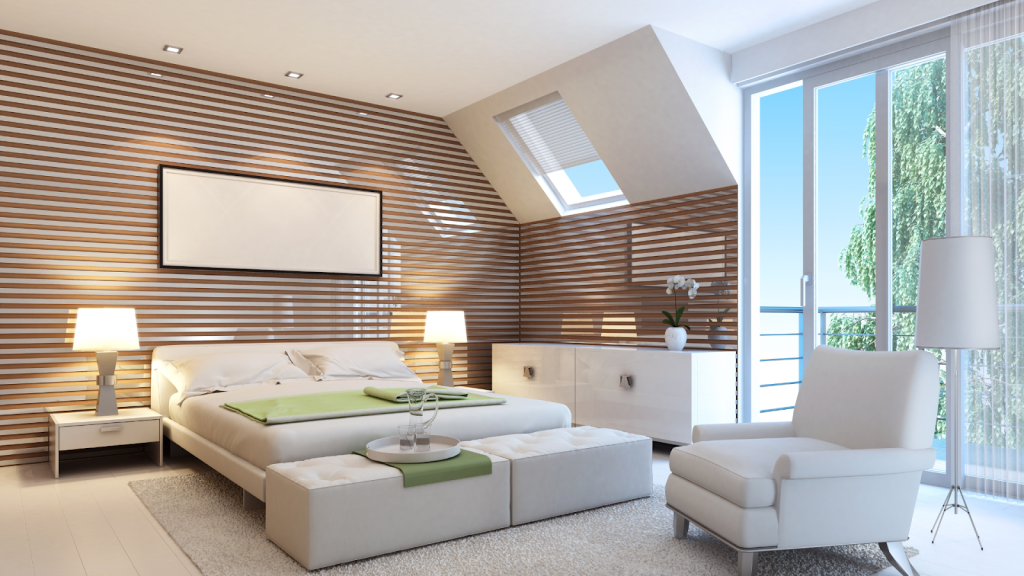
For centuries, architecture has been about shelter—protection from the elements, comfort, and security. Yet in today’s most exclusive homes, the idea of separation is evolving. High-end residential design is increasingly defined by its ability to merge interiors with the natural world, creating spaces where living rooms flow seamlessly into gardens, kitchens spill out onto terraces, and entire walls disappear to reveal panoramic views. This approach, known as indoor-outdoor living, has become one of the most sought-after hallmarks of luxury home design.

The Allure of Connection

At its core, indoor-outdoor living speaks to a timeless desire: the need to connect with nature. Urbanization and modern lifestyles often separate people from the outdoors, but architectural design is finding ways to bring that connection back—without sacrificing comfort or style. For homeowners, the result is a more fluid lifestyle, one where entertaining, relaxing, and dining are enriched by fresh air, natural light, and the beauty of landscaped surroundings.

High-end residences embrace this concept with designs that make boundaries feel almost invisible. When done well, a home can feel both expansive and intimate, offering the openness of the outdoors and the refinement of interior comfort.

Disappearing Walls and Expansive Views

One of the most striking features of indoor-outdoor living is the use of large, retractable glass walls. These operable systems allow entire façades to slide away, erasing the division between inside and out. For residents, it means that a living room can open to a pool deck in seconds, or a dining space can extend into a lush courtyard for an al fresco experience.

High-performance glazing ensures that even when closed, these walls provide uninterrupted views, insulation, and protection. This technology allows architects to design homes that embrace openness without compromising efficiency or safety.

Outdoor Rooms as Extensions of the Home

Gone are the days when outdoor areas were limited to a patio or a simple lawn. Today’s luxury residences feature outdoor “rooms” complete with kitchens, dining areas, lounges, and even wellness spaces. These areas are designed with the same attention to detail as their interior counterparts, featuring high-quality finishes, integrated lighting, and climate-control solutions such as retractable awnings or heated flooring.

Fireplaces, water features, and sculptural landscaping add ambiance, ensuring outdoor spaces feel just as refined as the interiors. In effect, the home’s footprint extends seamlessly, with no drop in comfort or sophistication.

Blending Natural and Built Environments

Indoor-outdoor living goes beyond open walls and terraces. It also reimagines how nature itself is integrated into the architecture. Courtyards, green roofs, and interior gardens blur the line between built space and landscape, creating immersive environments that surround occupants with greenery.

Biophilic design—an approach that emphasizes the human connection to nature—plays a key role here. Elements like natural wood, stone, and water features help soften transitions and create a holistic sense of harmony between the home and its environment.

Climate-Sensitive Design

Indoor-outdoor living requires sensitivity to climate. In tropical or coastal regions, shade and airflow are prioritized to keep spaces cool and inviting. In cooler climates, heated outdoor areas and insulated glazing extend the usability of terraces and patios year-round.

Smart systems also play a role, with retractable shading, motorized screens, and automated heating or cooling responding to weather conditions in real time. These innovations ensure that outdoor spaces are not just seasonal luxuries but practical, comfortable areas throughout the year.

Entertaining Without Boundaries

For those who love to entertain, indoor-outdoor living offers unmatched possibilities. Guests can move seamlessly between indoor lounges, outdoor kitchens, and landscaped gardens, enjoying a cohesive environment without crowding or constraints.

Architects often design these spaces with a central flow in mind, ensuring that indoor and outdoor zones complement one another. The result is not just visual harmony but also functional efficiency—a hallmark of high-end design.

Wellness and Lifestyle Benefits

The integration of outdoor living is more than an aesthetic choice; it also supports health and well-being. Natural light and ventilation improve air quality and support circadian rhythms, while access to outdoor spaces encourages physical activity and relaxation. For many residents, the ability to wake up, step onto a terrace, and enjoy the sunrise is as much a luxury as any high-end finish or technology.

The Role of Luxury Residential Architects

Indoor-outdoor living requires vision, precision, and innovation. It demands more than simply adding sliding doors or patios—it calls for a thoughtful reimagining of spatial flow, materiality, and environmental context. This is why the expertise of luxury residential architects is so crucial. Their role is to create seamless transitions that enhance lifestyle while ensuring structural integrity, energy efficiency, and aesthetic distinction.

By balancing artistry and engineering, architects design homes that capture the essence of modern luxury: spaces that celebrate openness, connection, and harmony with the natural world.

Indoor-outdoor living represents the next evolution in high-end residential design. It allows homes to become sanctuaries that are at once open and private, expansive and intimate, natural and sophisticated. By erasing boundaries, architects are redefining how people experience luxury living.

In these spaces, the walls may disappear, but the sense of comfort, beauty, and refinement only grows stronger. It is proof that true luxury lies not in isolation, but in connection—connection to the environment, to community, and to the simple joys of living both indoors and out.

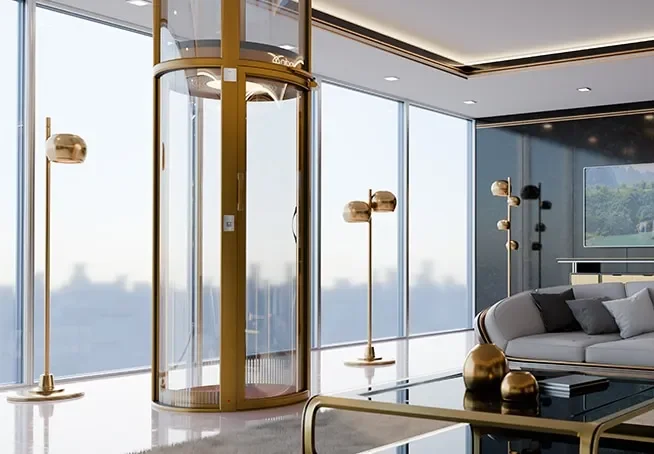
Today’s homeowners want more than just functionality in a home elevator. They look for a balance of reliability, safety, and design that fits seamlessly with their interiors. Modern manufacturers are meeting this demand with systems that combine dependable engineering and personalized style. In the middle of these choices, home lifts price often depends on both performance and custom finishes. Well-designed elevators offer smooth, quiet travel while enhancing the home’s look. They prove that practicality and elegance can go hand in hand, making them a natural addition to modern, comfortable living spaces. 

Let us delve into five vital aspects about designing dependable home elevators that blend seamlessly into modern interiors mobility needs. 

Strong engineering for lasting reliability

Dependable performance starts with solid engineering. Manufacturers use high-quality materials, precision parts, and advanced technology to ensure smooth rides and minimal breakdowns. While home lifts cost can vary, investing in well-built models often means fewer repairs and better value over time. Reliability also means peace of mind for families using the lift daily. 

Custom finishes to match interiors

A modern elevator doesn’t have to look industrial. Manufacturers offer finishes that blend perfectly with flooring, wall colors, and overall décor. From wood panels to glass sides, the design can match the home’s style. This level of personalization makes the elevator feel like part of the home rather than an addition. 

Smooth and quiet operation

Noise and vibration can disrupt the feel of a home. Advanced drive systems, soundproofing, and vibration control make modern elevators nearly silent. Whether looking at a full-size option or checking a 2 person lift cost, choosing a model designed for quiet operation improves comfort and keeps the home’s atmosphere peaceful. 

Compact designs for flexible placement

Not every home has space for a large elevator shaft. Manufacturers now create compact models that fit into smaller areas without heavy construction. This flexibility allows more homeowners to enjoy the benefits of a lift without losing valuable living space or altering the home’s layout significantly. 

Safety features built for everyday use

Dependable elevators must also be safe. Modern systems include sensors to detect obstacles, emergency brakes, and backup power for power cuts. These features protect passengers while ensuring consistent performance. Safety is built into the design without affecting the elegant look of the elevator. 

The conclusion 

Designing dependable home elevators is about more than mechanical performance. It is about creating a system that works every day without trouble, looks beautiful in the space, and matches the homeowner’s lifestyle. With strong engineering, custom finishes, quiet rides, flexible placement, and built-in safety, today’s elevators are a perfect blend of form and function. They show that reliability and beauty can exist together, adding lasting value and comfort to modern homes.

When it comes to protecting your home and loved ones from pests, professional fogging treatments can be highly effective. However, one of the most common questions homeowners ask is: How long should you stay indoors after fogging? Understanding the right time to re-enter your home after a fogging treatment is crucial for your safety and for ensuring the treatment works as intended.

Recommended Waiting Time After Fogging

Most pest control experts recommend staying out of your home for two to four hours after a fogging treatment. The exact time depends on the type of fogging product used, the severity of the infestation, and the ventilation in your home. This waiting period allows the pesticide droplets to settle and work effectively against pests while minimizing your exposure to the chemicals.

It’s best to ask your pest control technician for specific recommendations, as they will know the products and treatment methods applied to your space.

Why Is It Important to Wait?

Fogging products contain chemicals that can irritate your skin, eyes, and respiratory system if you return too soon. Giving the treatment enough time to dissipate helps prevent allergic reactions, headaches, or respiratory discomfort. In addition, the pesticides need time to penetrate cracks, crevices, and hidden pest hotspots to eliminate insects at all life stages.

Tips for After Fogging

When you return home after the recommended waiting period, follow these simple steps to protect your family and pets:

  • Open windows and doors to ventilate the area and remove any lingering chemical odors.

  • Wipe down surfaces that come into contact with food, especially countertops and dining tables.

  • Vacuum floors and clean pet areas to remove dead pests and pesticide residues.

  • Follow your technician’s instructions for any additional steps to maintain pest control effectiveness.

What If You Have Kids or Pets?

Children and pets are often more sensitive to pesticides. If possible, extend the waiting period for them by an additional hour and thoroughly air out the home before allowing them back inside. Always store toys, pet bowls, and baby items away from treated areas during fogging to reduce exposure.

Trust Progreen Pest Control & Lawn

At Progreen Pest Control & Lawn, we put your family’s safety first while delivering the most effective pest control solutions. Our licensed technicians will explain the treatment process clearly and give you precise guidance on how long you should stay indoors after fogging. We use eco-friendly, regulated products and industry best practices to keep your home pest-free without compromising your health.

Ready to protect your home from pests while keeping your family safe? Call Progreen Pest Control & Lawn today or request a free quote online!

This post was written by a professional at Progreen Pest Control & Lawn. For over 30 years, ProGreen Pest Control has provided trusted pest control, lawn fertilization, and tree care throughout Pinellas County, FL, including St. Petersburg and Tierra Verde. Our certified team takes the time to understand each customer’s concerns, offering tailored solutions for pests, weeds, diseased trees, and lawn issues. We provide reliable mosquito fogging St Pete Beach FL residents can count on to help keep outdoor living spaces comfortable and mosquito-free. We prioritize communication, offering follow-ups and expert advice to maintain healthy landscapes. Dependable, prompt, and committed, ProGreen delivers personalized service you can rely on every time.

Designing your own space can be an exciting and creative experience. By creating your own interior plan, you can express yourself, take thoughtful decisions and bring your vision to life. It is important to have a plan before you begin looking at furniture and paint samples.

Why make your own interior design plan?

When you design your own interior, you are in total control of the look and feel of your home. You know best what you like, how you live and what your daily routines are. By planning your design, you can create a space that is both functional and aesthetic.

It is also cost-effective to create your own space. You can plan carefully to save money, reuse furniture that you already have and avoid costly mistakes. Enjoy the thrill of seeing your ideas come to life, one step at a time.

Step One: Determine Your Purpose

Before choosing colors or furniture, define the purpose of your space. Ask yourself: “What is the purpose of this space?” You can use it for sleeping, relaxing, working or entertaining. Each room’s layout, lighting, furniture, and decorative items can be determined by its purpose.

For example, a home office may need practical storage and task lighting, while a living room may focus more on comfort and ambience.

Step Two: Know your style

Your personal style will influence your design choices. Are you more attracted to minimalist or modern design? Do you prefer rustic textures or bold colors and eclectic patterns, or a combination of both? Find inspiration by browsing magazines, online galleries and social media platforms.

Your design decisions can be guided by a mood board or digital collage with images, textures and colors.

Step Three: Measure and map the project

A successful design plan is built on good measurements and careful planning. Measure the space, including windows, doors, and ceiling height. Plan where to place large furniture, and ensure there is space for movement.

Before moving anything, you can draw out a plan on graph paper or digital design software. You can also avoid buying furniture that’s too big for your room.

Step Four: Choose colors and materials

The color of an area can significantly impact its mood. Neutral colors can be calming, while brighter colors bring personality and energy. Select a color scheme that is cohesive and consider how each room interacts with the others.

Consider materials that match your lifestyle–easy-to-clean fabrics for busy households, natural textures for a warm, inviting vibe, or sleek finishes for a modern look.

You need to have a vision, pay attention to detail and time to develop an interior design plan for your home. This will improve the quality of your life and transform your home. With a little creativity and planning, you can make your home.

This post was written by a professional at Miracle Furniture. Miracle Furniture is your destination for creating beautiful, comfortable living spaces in Tampa and St Petersburg furniture stores. We pride ourselves on offering a thoughtfully curated collection of high-quality furniture and decor to suit every style, from timeless classics to sleek modern designs. Whether you’re looking to refresh a room or furnish an entire home, our wide selection combines exceptional craftsmanship with affordable options to fit any budget. Our friendly, knowledgeable team is dedicated to helping you find pieces that reflect your personality and enhance your daily life. Visit our showroom today and let us help you turn your house into the home of your dreams.

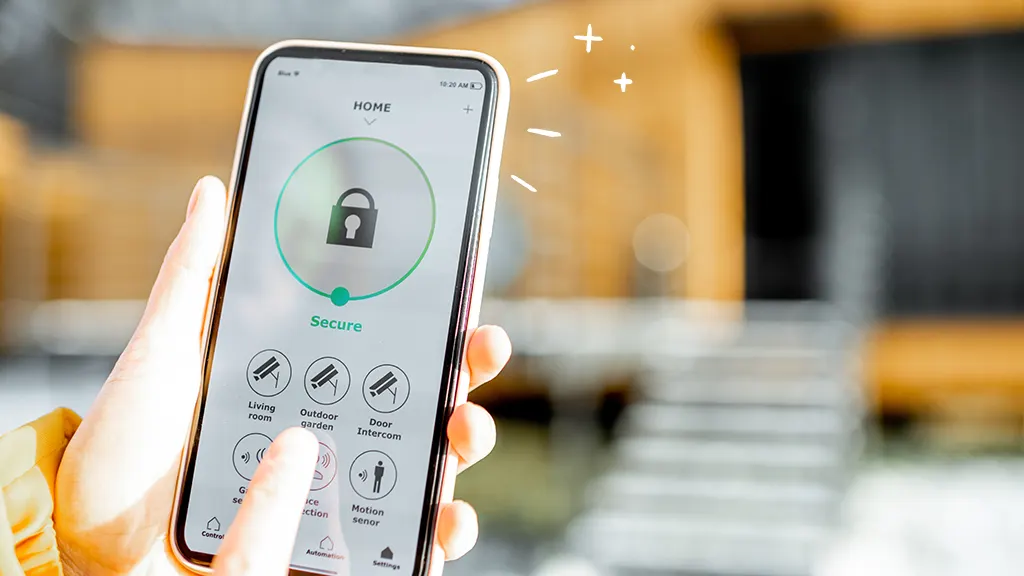
Home security has come a long way over the years, with today’s models featuring all the bells and whistles that allow for them to be fully integrated with home networking systems and smart devices. As a homeowner in Melbourne, if you want to give your home security a bit of a boost, you may wish to wire your alarm system into smart devices.

Hooking up your security alarms Melbourne residents have trusted for generations that the very latest smart tech is simpler than you may think-and the benefits can be quite impressive.

So, here’s a step-by-step look at what’s happening.

Why Hook Up Your Alarm to Smart Devices?

It’s not just bells and whistles. Smart integration lets you:

  • Using your mobile smartphone or tablet, you can ensure that your home is under surveillance from any location
  • Receive instant alerts if anything looks amiss
  • All of your cameras, locks, and lights can be controlled from a single app
  • Automate behaviors, such as lights coming on when an alarm is detected

Place your trust in top providers of security alarms in Melbourne and know that your system has been professionally prepared for ultimate smart compatibility right from the start.

Step-by-Step: How to Connect Your Alarm to the Tech World

 Ensure You Have the Appropriate Alarm System

Not all alarms are smart-ready. Find one that’s compatible with a platform you use (such as Alexa, Google Home, or Apple HomeKit). Look for these key features:

  • Mobile app access
  • Wi-Fi, Z-Wave, or Zigbee support
  • Smart assistant compatibility

It’s also a good idea to buy from a reliable local vendor to ensure you get a compatible replacement.

Install a Smart Hub (If Necessary)

If all your gadgets run on different networks (say, Wi-Fi for lights and Z-Wave for alarms), then you’ll need a hub. 

Make the Alarm a Part of Your Home’s Wireless Network

The home security alarms Melbourne system has an app; the setup instructions guide you through connecting it to your Wi-Fi network. Once connected, you can:

  • Assign permissions to other users
  • Set up alert settings
  • Try short running to see if it is responsive

Link with Other Smart Devices

After your alarm’s online, link it to compatible gadgets like:

  • Smart lights: Flash in an emergency or make it look like someone is home
  • Smart locks: Auto-lock with alarm arm
  • Smart cameras: Begin recording when a sensor triggers movement detection

With most systems you can create “scenes” or routines to automate those actions by triggers.

Add Voice Control

Here’s what you can do if your soundbar is compatible with Google Assistant or Alexa, you can:

  • Voice arm (with code for security)/disarm the system
  • Ask for system status
  • Activate routines such as “Goodnight” to switch off the lights and arm the alarms

Set Smart Automation Triggers

What will make it even simpler? Set up automations:

  • In the event that you leave your residence, your system will automatically arm itself (geofencing in action)
  • Disable it when your phone is home
  • Text a phone, light up a bulb if one of the sensors is activated

These small automations are helpful for daily life – and for emergencies.

Quick Tips for Staying Secure

  • Firmware update: Be protected with the latest software
  • Use strong passwords: Don’t rely on the default login and password that came with the gadget-or with anything else, for that matter
  • Add a backup battery to the package: In the case that there is a power outage, make sure that your system is maintained

Final Thoughts: Beginning to Secure What Smarter Will Mean

Connecting your alarm system to smart technology is no longer a nice to have, it’s the smart way to protect your home in a connected world.

Choose from any of the smart-enabled home security alarms in Melbourne and we will provide you with more than just a notification. Control, automation, and a sense of calm are all made available to you.

And if you need assistance, reputable companies know the local terrain and can install systems that work with your lifestyle and tech preferences.

So come on—get your home organised with one of these home automation systems while you automate your security, and get control from anywhere!

Homeowners enjoy backyard barbecues, gardening, and evenings on the patio when warm weather arrives in Manchester. Sadly, a swarm of mosquitoes can quickly ruin the fun. These tiny pests can turn a relaxing afternoon into an itchy nightmare. Mosquitoes are drawn to certain spots in your backyard. Knowing where to look allows you to address the mosquito issue with the right Manchester mosquito control solutions. Here are common mosquito hotspots found in Manchester backyards and what you can do about them:
Standing Water
Mosquitoes lay their eggs in still, shallow water. These eggs turn into hungry adult mosquitoes in just a few days. That is why any area in your yard that collects water can be a potential breeding ground. Common sources include birdbaths, kiddie pools, and pet bowls left outside. Also, clogged gutters, buckets or flower pots that collect rain, and pool covers with puddles can be breeding spots for mosquitoes. Even a bottle cap filled with rainwater can support mosquito larvae.
Manchester’s spring rains and humid summers often lead to water buildup. Check your yard after storms or watering days to ensure no standing water is present. Also, empty or refresh water containers regularly.
Overgrown Grass and Bushes
Mosquitoes need shade and shelter. Tall grass, thick shrubs, and overgrown gardens provide the cool, damp hiding places they love during the day. Keeping your lawn trimmed, bushes neat, and garden beds tidy can reduce the number of places mosquitoes can rest. It also makes your yard less appealing to ticks and fleas.
Damp Soil and Mulch Beds
Soil does not drain well in some parts of Manchester, especially after a big rain. Damp soil and mulch beds hold moisture longer than other surfaces, creating the perfect habitat for mosquitoes to hang out close to the ground. Areas that stay soggy or shaded can be prime mosquito zones.
Try using mulch sparingly and turning it over every few days to let it dry out. Also, consider improving drainage in low-lying areas or using gravel around garden beds to reduce moisture buildup.
Under Decks and Porches
It is usually dark and moist underneath a raised deck or porch., which is what mosquitoes want. Plus, the presence of damp leaves or standing water offers a great hidden hotspot for mosquitoes.
Anchor Pest Services, a trusted pest control company in Manchester, often finds mosquito activity hiding under decks during inspections. Their team recommends installing mesh barriers or lattice with proper airflow to prevent these areas from becoming breeding zones. They apply targeted treatments to eliminate hidden mosquito resting spots if needed.
Gutters and Downspouts
Gutters that are clogged with leaves or debris become mini ponds after every rain. Mosquitoes will quickly take advantage of the standing water. Even a few inches of water sitting in a gutter can host hundreds of mosquito larvae. So, clean your gutters regularly, especially in spring and fall. Also, ensure downspouts are draining away from your foundation. Anchor Pest Services offers gutter inspections as part of their pest control evaluations, helping homeowners catch these hidden water sources before mosquitoes do.
Toys, Tools, and Backyard Gear
Garden tools, kids’ toys, or old tires can be left outside. Unfortunately, many of these items can trap rainwater and become mosquito magnets. You can prevent this by walking around your yard every week and turning over or covering anything that can hold water. Keep items you want to store outside under a roof or tarp to prevent water from collecting.
Outdoor Furniture and Planters
Outdoor furniture with hollow frames or cushions that stay wet can attract mosquitoes as resting areas. The same goes for decorative planters and pots with saucers underneath. Water that sits in these places too long becomes a mosquito haven.
Many Manchester homeowners do not realize their beautiful patio setup was part of the problem. Pest control experts suggest using self-draining pots and water-resistant furniture, and wiping down cushions after rain or heavy dew.

But hiring a pest control company is a wise investment when it comes to ensuring the safety and security our most important investment: our home. But before that begins, most companies will require you to sign a pest control service agreement. This agreement describes the service, pests to be treated and terms of your rights and responsibilities as our client. Knowing what the fine print says will help you ensure you’re getting the protection and service you want — with no hidden surprises. In this article, Get started with getting to know the summary that can help you interpret and get the most out of your Reston pest control service agreement.

Know What Pests Are Covered

By far one of the most critical portions of this type of service agreement is the covered pests list. Many pest control contracts don’t cover all pests. Although general pests such as ants, spiders, cockroaches, and mice are usually covered in general service agreements, more problematic pests such as termites, bedbugs and wildlife require an additional service or specific treatment. If you’re worried about specific pests that are prevalent in Reston — like mosquitoes in the summer, or stink bugs in the fall — confirm that they’re included in the contract. If they’re not, inquire about adding them, or whether a separate treatment plan is needed.

Get to Know the Service Frequency and Duration

Pest control contracts commonly include a schedule of how frequently treatment will occur and for how long. It might be monthly, bi-monthly or quarterly, depending on the needs of your home and local pest activity. In Reston’s fickle weather, you may need to come a bit more frequently in the high seasons. Be clear about whether the contract is for just one job, for a certain period of time (one client of mine puts clients on a 12-month contract, which auto-renews), or a recurring contract.

Read the Guarantee or Warranty

A good pest control firm will usually have some sort of guarantee. That means if those pests come back within a certain time frame after treatment, the company will return to retreat your home at no cost to you. Here is what you will want the agreement to specify:

  • What is covered by the warranty
  • How long the guarantee is (usually 30 to 90 days)
  • Re-treatment scheduling process

In Reston VA, where pests that are seasonal could be quick to return, this guarantee helps to establish peace of mind.

Explain How Pricing and Payment Works

A pest control contract with good wording, can prevent misunderstandings and complaints from occurring. This will include the price for each visit or service, any initial inspection fee, and whether you’ll be charged separately for certain treatments or types of pests. Be sure to also check:

  • When payment is due (upon service or on a payment schedule)
  • If there’s a cancellation fee
  • If there are any incentives, such as a discount when you pay the full amount upfront, or if you sign a longer contract

Some companies in Reston may give you a bundle pricing or specials for homeowners which are known to have a problem with pests, especially if the latter is present during the peak pest seasons in Reston. So it’s a good idea to ask about it before you sign their contract and finally hire them.

A pest control service contract or agreement is an important paper that safeguards both the owner and the company. By taking the time to look at each section — especially the pests included, service frequency, guarantee, price and legal terms — you will be in a better position to select the right company and prevent any unwelcome costs or areas without coverage. In Reston, where the types and levels of pest activity can change with the seasons, this commitment is even more crucial, and with pest-prevention service customized according to the conditions of your community, no one knows Reston better.

If you think your home is immune to pests, you are mistaken. Reston is a great place to live, but when it comes to pests, residents encounter all kinds of species. It’s a common misconception that pests only enter dirty homes. The truth is something else – Most pest species need a place to hide and food sources to survive, and as long as insects and bugs can find a way, they will get in. How can you deal with pests in Reston? The answer lies in professional assistance. While many companies offer services here, we have enlisted the critical aspects that matter when choosing a pest exterminator.

  • Always go for a trusted service: Almost all pest control services claim to be the best in the industry, making it hard for consumers to make the right choice. If you can get references from someone you know, consider those choices. Alternatively, check what other customers are saying. Reviews on social media sites and Google, along with ratings on independent sites, are useful for comparing companies. Look for patterns – Do most complaints sound the same? 
  • Safety first: Pest control is an inherently risky field, and unless the exterminators are trained, experienced, and insured, you cannot trust them. When you work with a professional company, ask about the measures they take to counter the common concerns associated with pest control. The company must have liability insurance to cover any damages caused to your home during the work.
  • Green solutions: Many people don’t want to call exterminators because they are worried about the risks of pesticides and chemicals. Fortunately, the business has changed drastically, and over the years, companies have drastically invested in better products and methods. Today, pest experts don’t just focus on killing insects or rodents. Instead, the idea is to use safe and green products that are better for your home and the environment. You can always ask whether their solutions are kid and pet-friendly. 
  • Quick services: Pest infestations only get worse with time, and while finding rodents in your house may not sound like a ticking bomb, you still have to act soon. Ensure that you call the experts on the same day and schedule an assessment of your property. An inspection and immediate remediation can prevent the infestation from getting worse. 
  • Evaluate estimates wisely: Homeowners often choose the cheapest pest exterminator they can find, only to feel sorry later. When it comes to something as serious as pest control, you should focus on the value of service and not the price. Check what is included in the contract, if they have offered a guarantee, and whether they would offer preventive pest control. 
  • Consider periodic services: Make sure that you spend on seasonal and yearly pest control. Typically, we only think of exterminators or pest control when there is a major issue at hand. Instead of being reactive, think of getting the property checked by experts from time to time, and as they recommend suggestions and tips, ensure that you follow the same. For example, simple steps like cleaning the clutter and landscaping the yard can make a difference in pest activity.  

Proactive pest control – Your home deserves the best!

Teaming with the right pest exterminator can change the way you deal with bugs and rodents. If you notice signs of any species, get help and fix the infestation before things get worse. Also, spending a tad more on preventive measures and regular home cleaning can be useful in avoiding extreme situations where pests, especially rodents and termites, damage your home. Consider spending on keeping a pest-free home rather than losing money on medical bills and property repairs. 

Mobile technology is transforming the pest control industry. Already, Bend Exterminator Services and traditional pest management companies are being supplemented by smartphone applications designed to make pest identification and control easier for homeowners. This sudden shift is opening up the doors to new concepts in pest management, complete with technological tools that promise an easier pest problem solution technology, including digital identification, treatment suggestions, and direct integration with Bend Exterminator Services.

As these new applications grow in popularity, many are left wondering if they genuinely provide insights that improve pest control effectiveness or if all that technology just makes a hands-on problem more complicated to solve.

History of Technology in Pest Control

From simple tools to advanced integrated pest management systems, pest control methods have evolved greatly from the earliest days. Professionals and homeowners alike have been well served by the most recent evolution, an expanding crop of mobile apps. These applications range in functionality from basic pest identification to robust platforms that link users with local exterminators, offer treatment recommendations, and track pest activity over time.

This is another step at a time when digital solutions for home maintenance are on the rise. About 47 percent of homeowners currently utilize some form of digital resource when dealing with pest issues. The speed at which these technologies are being adopted indicates an increasing confidence in technology-assisted pest control strategies.

The Advantages of Pest Control Applications

The benefits of technology in pest management are:

  • Early detection 

The sooner you identify a pest through the use of apps that help users visually identify materials, the sooner you can intervene and this can be used in the prevention of full infestations. Such forward-thinking can help minimize both property damage and the cost of treatment.

  • Informed Decisions

Immediate access to information about pests and treatment options enables homeowners to decide better whether to handle a problem themselves or hire pros.

  • Professional Efficiency

Pest control businesses can use apps to optimize operations through improved scheduling, digital documentation, and more accurate initial assessments.

  • Long-term Pest Tracking

Certain apps monitor pest activity over time, enabling data-driven prevention and treatment methods.

  • Considerations of the Environment

Many current apps utilize integrated pest management principles, encouraging less-toxic solutions as needed.

Limitations and Challenges

Though it has its benefits, pest control apps have their roadblocks:

  • Accuracy Concerns

No identification app is 100 percent accurate, most especially with a comparable species or when you submit a low-quality picture. Misidentification may result in ineffective treatment strategies.

  • Need for Professional Assessment

Some infestations may require assessment beyond what an app can provide, such as structural evaluations or consideration of local regulations.

  • Too Much Do-It-Yourself

The apps could give homeowners a lot of information and potentially lead to homeowners attempting to fix problems that need pro-intervention, resulting in a lingering infestation.

  • Technology Barriers

Older homeowners may not be adept at using smartphone applications for pest management.

  • Security and Privacy Risks

The information collected by these apps about homes and pests poses risks to data security and privacy.

This is not to say that these smart pest control devices are bound to fail; however, it does underscore some limitations and that technology can improve pest control but never completely take over a professional in most cases.

Finding Balance Between Technology and Professional Expertise

The best approach to pest management is probably a combination of high-tech tools and professional know-how. Homeowners may use apps for first identification, rudimentary prevention, and surveillance but will seek certified professionals in the face of difficult infestations, safety issues, or compliance concerns.

Our best defense is to have a clear understanding of the limitations of tech. Software is more effective if used within a broader pest management strategy than a single solution. Companies that adopt emerging technologies while treating their customers with integrity may also gain a competitive edge.