Tag

creating

Browsing

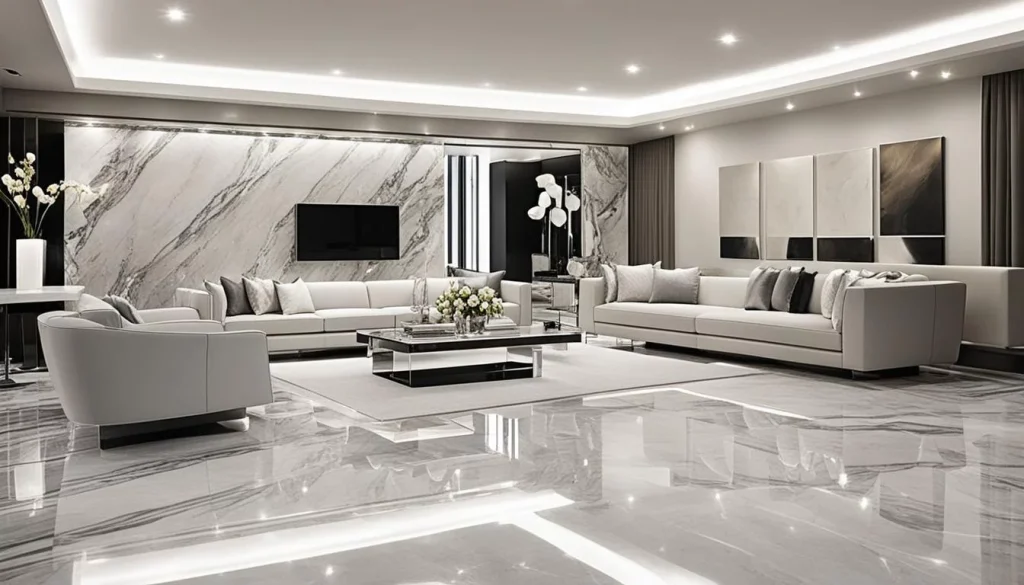
When it comes to creating elegant and timeless interiors, few materials can match the beauty and sophistication of marble and travertine tiles. These natural stones are celebrated for their refined appearance, durability, and the sense of luxury they bring to both residential and commercial spaces.

The Timeless Appeal of Natural Stone Flooring

Natural stone flooring adds depth and character to any room. Each tile carries unique veining and color variations, ensuring that no two surfaces look exactly alike. This natural individuality turns floors and walls into bespoke works of art, enhancing both the design and value of your home. Whether it’s a grand entryway or a serene bathroom, stone flooring creates an immediate sense of quality and permanence.

Marble, in particular, has long been associated with prestige and sophistication. Travertine, on the other hand, introduces a more organic warmth, perfect for interiors that seek to balance elegance with comfort. Together, these materials define the modern concept of luxurious living.

Marble Tiles: Elegance and Refinement

Marble remains one of the most desirable materials for interior design. Its polished surfaces, soft luminosity, and intricate veining patterns give it unmatched visual appeal. Large-format marble and travertine tiles are often used for open-plan living spaces, hallways, and statement bathrooms.

Designers love experimenting with marble mosaic tile designs, which allow for endless creativity. From geometric patterns to classic herringbone layouts, mosaics bring a dynamic element to floors and walls. The result is a balance between artistry and function — durable surfaces that double as design features.

In bathrooms and kitchens, luxury marble for bathrooms and kitchen design transforms everyday routines into indulgent experiences. A marble backsplash or shower wall creates a spa-like atmosphere, while marble countertops and flooring exude refinement and luxury.

Travertine Tiles: Natural Warmth and Texture

Travertine offers a completely different, yet equally beautiful, aesthetic. Formed by natural mineral springs, travertine tiles display rich earthy tones ranging from soft ivory to deep walnut. This natural color palette complements both modern and rustic interiors.

Travertine tile flooring is particularly valued for its textured surface, which provides grip while maintaining a soft, inviting feel underfoot. Finishes such as honed, brushed, or tumbled enhance its organic charm. Whether used indoors or outdoors, travertine creates a warm and grounded atmosphere that ages gracefully over time.

Because of its resilience and slip resistance, travertine is an ideal choice for kitchens, pool areas, patios, and bathrooms. It stands up to daily wear while maintaining a refined, natural appearance.

Creative Marble Mosaic Tile Designs

For homeowners and designers seeking to make a visual statement, marble mosaic tile designs offer endless possibilities. Combining different shapes, colors, and finishes, mosaics can highlight architectural features, define spaces, or add texture to an otherwise minimalist room.

Classic combinations like black-and-white checkerboards or intricate floral patterns never go out of style. More contemporary designs might use narrow strips of marble and travertine to form subtle linear effects or bold contrasts. The key lies in blending precision with artistry to achieve balance and harmony.

Designing with Luxury in Mind

Choosing marble and travertine tiles means investing in more than aesthetics — it’s about creating a space that tells a story of craftsmanship and quality. From natural stone flooring in living areas to luxury marble for bathrooms and kitchen spaces, these materials elevate interiors through timeless design and natural elegance.

Pair marble’s cool sophistication with travertine’s warmth to achieve a layered, multidimensional feel. Add lighting that enhances the stone’s natural shine, and use complementary textures such as wood or metal for a balanced effect.

Long-Term Value and Care

Beyond beauty, marble and travertine are built to last. When properly sealed and maintained, they can endure for decades. Regular cleaning with pH-neutral products helps preserve the surface and prevents staining. Sealing the tiles once or twice a year protects them from moisture, ensuring that they retain their luxurious appearance for generations.

The Essence of Lasting Luxury

From refined marble mosaics to rustic travertine floors, natural stone flooring remains a cornerstone of interior elegance. Whether used in grand living rooms, serene bathrooms, or modern kitchens, marble and travertine tiles add an unmistakable sense of sophistication. They embody the perfect blend of strength, artistry, and timeless appeal — a true expression of enduring luxury.
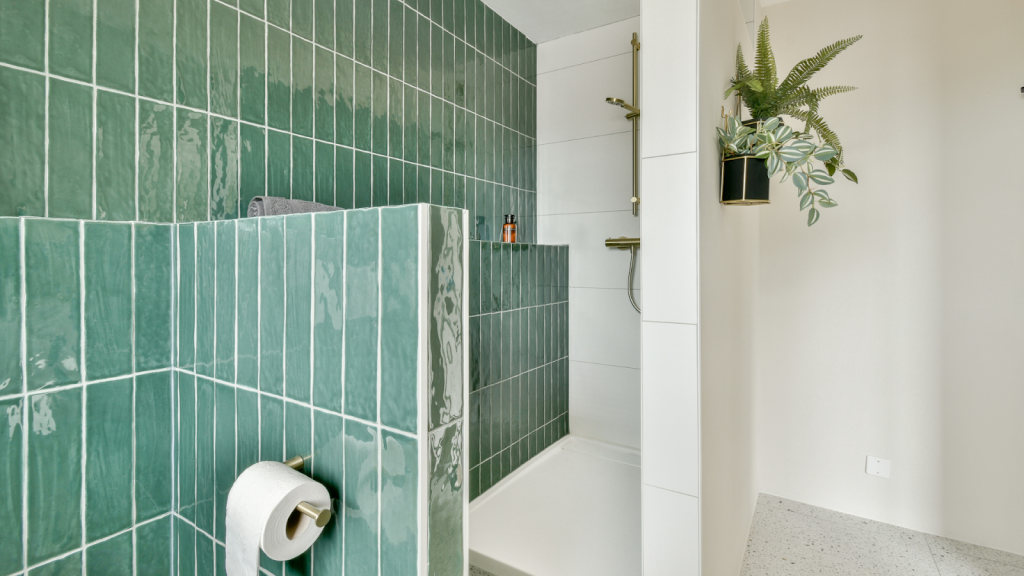

The right tile can transform a bathroom from purely functional to genuinely memorable. Pattern, scale, color, and grout all work together to influence how big a space feels, where the eye lands, and how the room ages over time. Here’s a practical guide to tile choices that consistently elevate bathrooms—whether you’re refreshing a powder room or redesigning a full primary suite.

Start with Pattern: Shape Guides the Mood

Subway (Classic Stacked or Offset).
A timeless option that plays well with nearly any style. A 1/3 or 1/2 offset adds movement; a stacked layout reads modern and minimal. Use vertically to visually heighten walls in low-ceiling spaces.

Herringbone & Chevron.
These diagonal patterns inject energy and direction. Narrow planks or 2×8/2×10 ceramics set in herringbone elongate a room; chevron delivers a crisper, tailored look. Great for feature walls behind vanities or in shower stalls.

Basketweave & Pinwheel.
Perfect in traditional or transitional spaces, these micro-patterns bring subtle detail without shouting. They pair well with marble or marble-look porcelain and feel “finished” in small baths.

Hexagon (Micro to XL).
From 1″ mosaics to 12″+ slabs, hexes adapt to many aesthetics. Smaller hexes deliver vintage charm; larger formats skew contemporary. Use a tonal grout to keep it calm or a contrast grout to show off geometry.

Kit-Kat/Mosaic Finger Tiles.
These skinny strips create gorgeous texture, particularly when run vertically. They suit spa-like, modern designs and shine as vanity splashes or shower accents.

Large-Format Porcelain Slabs.
Fewer grout lines equal a cleaner, more expansive feel. Book-matched veining or subtle cement looks can turn a compact bathroom into a serene retreat.

Color Strategies That Always Work

Monochrome with Texture.
Stay within one hue family (e.g., warm whites or greige) but layer textures: matte wall tile, glossy shower tile, honed floor. Light bounces differently across finishes, creating depth without visual clutter.

Tone-on-Tone Neutrals.
Mix warm beiges, creams, and light taupes for a soft, elevated palette that flatters skin tone in mirrors and feels timeless. Ideal for small baths and resale.

High-Contrast Black & White.
A classic that photographs beautifully. Keep the balance roughly 70/30 (more white than black) for brightness, using black as frames (niche insets, base borders, or a single feature wall).

Earthy Greens & Blues.
Sage, eucalyptus, and ocean blues feel fresh yet restful. Pair with warm brass or brushed nickel fixtures and lightly variegated white tiles to avoid heaviness.

Color Blocking for Impact.
Use one saturated hue (midnight blue, forest green, terracotta) on a single surface—the vanity wall or shower—and keep all other planes neutral. This isolates color as a focal point and prevents overwhelm.

Grout: The Unsung Design Tool

  • Match for Minimalism: A grout that closely matches tile color creates a seamless, larger look—great for small rooms.
  • Contrast for Pattern Pop: Dark grout with white tile (or vice versa) emphasizes shape (subway, hex, herringbone).
  • Practicality: In high-traffic or family baths, medium-tone grout hides wear better than pure white or deep charcoal.

Finish, Sheen, and Slip

  • Matte Floor, Satin Wall: Matte floors increase traction; satin or semi-gloss walls are easier to clean.
  • Glazed Texture in Showers: Slightly rippled or zellige-style glazes add artisanal depth and reflect light beautifully.
  • Stone-Look Porcelain: Delivers luxury vibes with less maintenance than natural stone—especially smart for steam showers.

Layout Tactics to “Grow” the Room

  • Run Tile Vertically: Makes ceilings feel taller (great behind mirrors and in showers).
  • Continue Floor Tile into Shower: One plane, one pattern—reduces visual breaks and expands the perceived footprint.
  • Frame a Feature: Border a herringbone or mosaic panel with field tile to create a custom focal point at a reasonable cost.

Sample Palettes That Elevate

Spa-Soft Neutral

  • Walls: 3×12 off-white finger tiles (vertical stack)
  • Floor: 2″ warm gray hex mosaics (matte)
  • Accents: Natural oak vanity, champagne bronze fixtures
  • Grout: Matching off-white walls, mid-gray floors

Modern Monochrome

  • Walls: 24×48 white porcelain slabs (honed)
  • Floor: 24×24 light gray concrete-look
  • Feature: Black hex niche back and shower base border
  • Fixtures: Polished nickel for crisp contrast

Earthy Luxe

  • Walls: Hand-glazed sage subway, 1/3 offset
  • Floor: Honed marble-look porcelain with soft veining
  • Feature: Herringbone insert behind vanity in the same sage
  • Metals: Brushed brass; Wood: walnut vanity

Common Mistakes—and Easy Fixes

  • Too Many “Stars.” Pick one hero (pattern, color, or material). Keep others supportive.
  • Ignoring Undertones. Warm floors (orange oak) can clash with cool grays. Sample tiles in your actual light, against your existing finishes.
  • Over-Small Tiles on Large Floors. Excess grout can visually shrink the room. Use mosaics selectively (showers, niches, borders).
  • Skimping on Waterproofing. Stunning tile won’t save a poorly prepped substrate. Confirm membranes, slopes, and transitions.

Where Professional Help Pays Off

Complex mixes—patterned floors, niche accents, slab walls—demand careful planning for cuts, slopes, and grout joints. A seasoned bathroom remodel contractor can map layouts to avoid sliver cuts, align sightlines, and coordinate waterproofing so your design endures daily use.

Thoughtful tile pattern and color choices amplify light, clarify sightlines, and add personality without sacrificing longevity. Start with the room’s constraints (size, light, existing finishes), choose a single focal idea, and let every other decision reinforce it. The result: a bathroom that feels balanced, beautiful, and built to last.

For centuries, architecture has been about shelter—protection from the elements, comfort, and security. Yet in today’s most exclusive homes, the idea of separation is evolving. High-end residential design is increasingly defined by its ability to merge interiors with the natural world, creating spaces where living rooms flow seamlessly into gardens, kitchens spill out onto terraces, and entire walls disappear to reveal panoramic views. This approach, known as indoor-outdoor living, has become one of the most sought-after hallmarks of luxury home design.

The Allure of Connection

At its core, indoor-outdoor living speaks to a timeless desire: the need to connect with nature. Urbanization and modern lifestyles often separate people from the outdoors, but architectural design is finding ways to bring that connection back—without sacrificing comfort or style. For homeowners, the result is a more fluid lifestyle, one where entertaining, relaxing, and dining are enriched by fresh air, natural light, and the beauty of landscaped surroundings.

High-end residences embrace this concept with designs that make boundaries feel almost invisible. When done well, a home can feel both expansive and intimate, offering the openness of the outdoors and the refinement of interior comfort.

Disappearing Walls and Expansive Views

One of the most striking features of indoor-outdoor living is the use of large, retractable glass walls. These operable systems allow entire façades to slide away, erasing the division between inside and out. For residents, it means that a living room can open to a pool deck in seconds, or a dining space can extend into a lush courtyard for an al fresco experience.

High-performance glazing ensures that even when closed, these walls provide uninterrupted views, insulation, and protection. This technology allows architects to design homes that embrace openness without compromising efficiency or safety.

Outdoor Rooms as Extensions of the Home

Gone are the days when outdoor areas were limited to a patio or a simple lawn. Today’s luxury residences feature outdoor “rooms” complete with kitchens, dining areas, lounges, and even wellness spaces. These areas are designed with the same attention to detail as their interior counterparts, featuring high-quality finishes, integrated lighting, and climate-control solutions such as retractable awnings or heated flooring.

Fireplaces, water features, and sculptural landscaping add ambiance, ensuring outdoor spaces feel just as refined as the interiors. In effect, the home’s footprint extends seamlessly, with no drop in comfort or sophistication.

Blending Natural and Built Environments

Indoor-outdoor living goes beyond open walls and terraces. It also reimagines how nature itself is integrated into the architecture. Courtyards, green roofs, and interior gardens blur the line between built space and landscape, creating immersive environments that surround occupants with greenery.

Biophilic design—an approach that emphasizes the human connection to nature—plays a key role here. Elements like natural wood, stone, and water features help soften transitions and create a holistic sense of harmony between the home and its environment.

Climate-Sensitive Design

Indoor-outdoor living requires sensitivity to climate. In tropical or coastal regions, shade and airflow are prioritized to keep spaces cool and inviting. In cooler climates, heated outdoor areas and insulated glazing extend the usability of terraces and patios year-round.

Smart systems also play a role, with retractable shading, motorized screens, and automated heating or cooling responding to weather conditions in real time. These innovations ensure that outdoor spaces are not just seasonal luxuries but practical, comfortable areas throughout the year.

Entertaining Without Boundaries

For those who love to entertain, indoor-outdoor living offers unmatched possibilities. Guests can move seamlessly between indoor lounges, outdoor kitchens, and landscaped gardens, enjoying a cohesive environment without crowding or constraints.

Architects often design these spaces with a central flow in mind, ensuring that indoor and outdoor zones complement one another. The result is not just visual harmony but also functional efficiency—a hallmark of high-end design.

Wellness and Lifestyle Benefits

The integration of outdoor living is more than an aesthetic choice; it also supports health and well-being. Natural light and ventilation improve air quality and support circadian rhythms, while access to outdoor spaces encourages physical activity and relaxation. For many residents, the ability to wake up, step onto a terrace, and enjoy the sunrise is as much a luxury as any high-end finish or technology.

The Role of Luxury Residential Architects

Indoor-outdoor living requires vision, precision, and innovation. It demands more than simply adding sliding doors or patios—it calls for a thoughtful reimagining of spatial flow, materiality, and environmental context. This is why the expertise of luxury residential architects is so crucial. Their role is to create seamless transitions that enhance lifestyle while ensuring structural integrity, energy efficiency, and aesthetic distinction.

By balancing artistry and engineering, architects design homes that capture the essence of modern luxury: spaces that celebrate openness, connection, and harmony with the natural world.

Indoor-outdoor living represents the next evolution in high-end residential design. It allows homes to become sanctuaries that are at once open and private, expansive and intimate, natural and sophisticated. By erasing boundaries, architects are redefining how people experience luxury living.

In these spaces, the walls may disappear, but the sense of comfort, beauty, and refinement only grows stronger. It is proof that true luxury lies not in isolation, but in connection—connection to the environment, to community, and to the simple joys of living both indoors and out.

Today’s homeowners want more than just functionality in a home elevator. They look for a balance of reliability, safety, and design that fits seamlessly with their interiors. Modern manufacturers are meeting this demand with systems that combine dependable engineering and personalized style. In the middle of these choices, home lifts price often depends on both performance and custom finishes. Well-designed elevators offer smooth, quiet travel while enhancing the home’s look. They prove that practicality and elegance can go hand in hand, making them a natural addition to modern, comfortable living spaces. 

Let us delve into five vital aspects about designing dependable home elevators that blend seamlessly into modern interiors mobility needs. 

Strong engineering for lasting reliability

Dependable performance starts with solid engineering. Manufacturers use high-quality materials, precision parts, and advanced technology to ensure smooth rides and minimal breakdowns. While home lifts cost can vary, investing in well-built models often means fewer repairs and better value over time. Reliability also means peace of mind for families using the lift daily. 

Custom finishes to match interiors

A modern elevator doesn’t have to look industrial. Manufacturers offer finishes that blend perfectly with flooring, wall colors, and overall décor. From wood panels to glass sides, the design can match the home’s style. This level of personalization makes the elevator feel like part of the home rather than an addition. 

Smooth and quiet operation

Noise and vibration can disrupt the feel of a home. Advanced drive systems, soundproofing, and vibration control make modern elevators nearly silent. Whether looking at a full-size option or checking a 2 person lift cost, choosing a model designed for quiet operation improves comfort and keeps the home’s atmosphere peaceful. 

Compact designs for flexible placement

Not every home has space for a large elevator shaft. Manufacturers now create compact models that fit into smaller areas without heavy construction. This flexibility allows more homeowners to enjoy the benefits of a lift without losing valuable living space or altering the home’s layout significantly. 

Safety features built for everyday use

Dependable elevators must also be safe. Modern systems include sensors to detect obstacles, emergency brakes, and backup power for power cuts. These features protect passengers while ensuring consistent performance. Safety is built into the design without affecting the elegant look of the elevator. 

The conclusion 

Designing dependable home elevators is about more than mechanical performance. It is about creating a system that works every day without trouble, looks beautiful in the space, and matches the homeowner’s lifestyle. With strong engineering, custom finishes, quiet rides, flexible placement, and built-in safety, today’s elevators are a perfect blend of form and function. They show that reliability and beauty can exist together, adding lasting value and comfort to modern homes.

Designing your own space can be an exciting and creative experience. By creating your own interior plan, you can express yourself, take thoughtful decisions and bring your vision to life. It is important to have a plan before you begin looking at furniture and paint samples.

Why make your own interior design plan?

When you design your own interior, you are in total control of the look and feel of your home. You know best what you like, how you live and what your daily routines are. By planning your design, you can create a space that is both functional and aesthetic.

It is also cost-effective to create your own space. You can plan carefully to save money, reuse furniture that you already have and avoid costly mistakes. Enjoy the thrill of seeing your ideas come to life, one step at a time.

Step One: Determine Your Purpose

Before choosing colors or furniture, define the purpose of your space. Ask yourself: “What is the purpose of this space?” You can use it for sleeping, relaxing, working or entertaining. Each room’s layout, lighting, furniture, and decorative items can be determined by its purpose.

For example, a home office may need practical storage and task lighting, while a living room may focus more on comfort and ambience.

Step Two: Know your style

Your personal style will influence your design choices. Are you more attracted to minimalist or modern design? Do you prefer rustic textures or bold colors and eclectic patterns, or a combination of both? Find inspiration by browsing magazines, online galleries and social media platforms.

Your design decisions can be guided by a mood board or digital collage with images, textures and colors.

Step Three: Measure and map the project

A successful design plan is built on good measurements and careful planning. Measure the space, including windows, doors, and ceiling height. Plan where to place large furniture, and ensure there is space for movement.

Before moving anything, you can draw out a plan on graph paper or digital design software. You can also avoid buying furniture that’s too big for your room.

Step Four: Choose colors and materials

The color of an area can significantly impact its mood. Neutral colors can be calming, while brighter colors bring personality and energy. Select a color scheme that is cohesive and consider how each room interacts with the others.

Consider materials that match your lifestyle–easy-to-clean fabrics for busy households, natural textures for a warm, inviting vibe, or sleek finishes for a modern look.

You need to have a vision, pay attention to detail and time to develop an interior design plan for your home. This will improve the quality of your life and transform your home. With a little creativity and planning, you can make your home.

This post was written by a professional at Miracle Furniture. Miracle Furniture is your destination for creating beautiful, comfortable living spaces in Tampa and St Petersburg furniture stores. We pride ourselves on offering a thoughtfully curated collection of high-quality furniture and decor to suit every style, from timeless classics to sleek modern designs. Whether you’re looking to refresh a room or furnish an entire home, our wide selection combines exceptional craftsmanship with affordable options to fit any budget. Our friendly, knowledgeable team is dedicated to helping you find pieces that reflect your personality and enhance your daily life. Visit our showroom today and let us help you turn your house into the home of your dreams.

The Michigan housing market is shifting in favor of buyers, and Detroit is leading the change. With more inventory and growing price stability, homebuyers are finally gaining the upper hand. Detroit stands out for its rare combination of affordable prices and fast growth.

Statewide, the median home price is $269K, up 4.7% year-over-year. But in Detroit, the median is just $99,000—making it one of the most budget-friendly big cities in the U.S. Plus, 26.5% of homes sold in Detroit had a price drop, giving buyers even more leverage.

Detroit: Your Affordable City Choice

Detroit remains an affordable market with a median home price of around $99K, giving buyers a rare chance to enter a major city at a low cost. While some homes have sold below the asking price recently, this buyer-friendly market means you can negotiate well.

Thanks to ongoing neighborhood improvements and city revitalization efforts mentioned earlier, Detroit’s housing market is positioned for future appreciation. Buyers targeting homes in need of repairs are likely to see long-term value growth as the city continues to attract investment and new residents.

Detroit City Advantages:

  • Home prices are affordable at $99K, with huge growth potential.
  • The market now favors buyers, giving you better negotiation opportunities.
  • City improvements and neighborhood development offer high future value.

Michigan Statewide: Your Balanced Market Choice

Across Michigan, the housing market is fairly balanced between buyers and sellers. This balance attracts young people, remote workers, and families looking for affordable living with a good quality of life.

Why Michigan Is an Attractive Option:

  • Home prices are about 25% lower than the national average, helping buyers save money.
  • Job opportunities across multiple industries support steady housing demand.

Grand Rapids: Your Steady Growth Choice

Grand Rapids offers a steady housing market with consistent growth. The median home price is around $311K, with a 2.5% year-over-year increase. The city’s economy is supported by healthcare, manufacturing, and technology industries, creating reliable jobs.

Grand Rapids is perfect for families and investors interested in rental properties. It offers a suburban lifestyle with easy access to city amenities, making it popular among young professionals and growing families.

Grand Rapids Growth Benefits:

  • A diverse job market reduces risks from industry downturns.
  • 6% of young renters can afford to buy homes; now is a great time to buy before prices increase.
  • New construction projects are driving home values up.

Market Changes and Timing

All three markets in Michigan offer great opportunities for smart buyers. Detroit’s market provides negotiation power for buyers, while the city’s improvements create potential for long-term growth. Interest rates around 6.5% also create opportunities for cash buyers and qualified investors.

Before making any purchase, do your research on neighborhood development plans and economic trends. With increased inventory across Michigan, buyers can expect better selection without losing out on competition.

👉 Ready to explore your options? Browse 143,000+ homes for sale in Michigan, including top listings in Detroit and Grand Rapids. Use Houzeo, America’s leading home buying and selling website, with real-time market data and smart tools to help you buy with confidence.

Your Michigan Investment Decision

Michigan’s housing market changes provide great opportunities for different buyer types and investment plans. Detroit delivers maximum money returns through city revival and dramatic affordability advantages. On the other hand, Grand Rapids offers economic stability with moderate growth and strong rental demand from jobs.

Current conditions favor buyers, with increased inventory and better negotiation opportunities. With continued population growth and economic improvements, Michigan remains an attractive market for long-term investments.

👉 Ready to make a smart investment in Michigan? Download the Houzeo mobile app to explore homes for sale in Detroit, Grand Rapids, and across the state. Track market changes, analyze neighborhoods, and submit offers—all from your phone with America’s #1 home buying app.

There’s something deeply satisfying about seeing years of grime vanish with a well-aimed spray of water. It’s one of those household jobs that brings instant results and a surprising amount of joy.

The trick is knowing when to do it, so you get the glow-up without the hassle.

Spring Into Action: The Ideal Time to Refresh

Spring feels like nature’s reset button, so it makes sense to give your home a proper refresh, too.

After months of rain, wind, and general muck, your exterior is probably looking a little weary. Pressure washing at this time clears away winter’s residue and sets the stage for a brighter season.

With temperatures on the rise, you’re not battling icy water or frosty mornings, and surfaces dry at a pleasant pace. Spring’s moderate weather means you can tackle the job thoroughly, without overheating or rushing.

It’s also a good opportunity to spot any damage that’s been hiding beneath the dirt, giving you time to sort things before summer fun kicks in.

Give your patios and driveways a bit of attention now, and they’ll be spotless for all those outdoor get-togethers on the horizon. Tackling mildew and mould early on helps prevent them from settling in and spreading over time.

Scheduling yearly pressure cleaning in spring is an easy yet effective way to maintain your home’s exterior, keeping it well-protected and looking its best as the warmer months arrive.

Sizzling Summers: Wash Before the Barbecue Starts

Summer brings endless daylight and warm air, which sounds perfect for pressure washing, and in many ways, it is.

Surfaces dry quickly, so there’s a smaller risk of lingering moisture causing problems like damp patches or discolouration. It’s the season for hosting, too, so getting your garden paths, fences, and decks looking their best is a worthwhile task.

That said, the heat does come with a few quirks.

Water can evaporate faster than you’d like, especially on concrete or stone. You might find yourself chasing wet patches before the cleaning solution has even had a chance to do its job.

Washing early in the morning or as the day cools down in late afternoon tends to work better as well.

It’s also worth noting that high heat can make some materials a bit more fragile. Timber, for instance, is prone to cracking if it’s already dry, and you blast it with cold water.

So keep an eye on the forecast, pick a cooler window, and avoid cleaning in the direct glare of the midday sun.

Autumn Clean-Up: Tidy Before the Chill Sets In

Autumn is one of the most overlooked seasons for outdoor maintenance, but it might just be the smartest time to get stuck in.

The weather is generally cooperative, neither too hot nor bitterly cold, so pressure washing becomes less of a sweaty slog and more of a productive afternoon.

More importantly, cleaning now helps protect your home ahead of winter. Removing leaves, algae, and other autumn debris stops moisture from building up and creating slippery surfaces or long-term damage.

It’s a preventative measure that saves both time and money when the colder months roll in.

You’re also less likely to find yourself elbow-deep in sludge or tackling baked-on grime, as dirt is typically fresh and loose.

It’s a tempting chance to make some changes before everything turns dreary and grey. Think of it as giving your home a coat of armour before the elements arrive.

Winter Woes: Why Cold Weather Isn’t Your Cleaning Mate

Pressure washing in winter comes with a set of obstacles that make it less than ideal.

For one, freezing temperatures can turn your freshly washed paths into skating rinks, not to mention the risk of water freezing in your equipment. Cleaning solutions often lose effectiveness too, making the whole task a bit of a headache.

More fragile surfaces, like wood cladding or painted trims, can suffer in the cold. Sudden changes in temperature, especially if using warm water, can cause warping or cracking.

If you’re keen to clean during winter, it’s usually best left to a professional who has the tools and experience to manage it safely.

That said, this season isn’t without value. Use the downtime to inspect your kit, replenish supplies, and plan a solid strategy for spring.

Where You Live Matters: Tailoring to the Forecast

Where you live plays a big part in deciding when to pressure wash. Those in the south of the UK, for instance, often enjoy milder winters and longer dry spells, making it easier to clean almost year-round.

Even so, humidity can throw a spanner in the works by slowing down drying and encouraging mould if you’re not careful.

If your patch tends to swing between extremes—think snow in March and heatwaves in May—then spring and autumn will likely be your safest bets.

These shoulder seasons offer more reliable weather, allowing time for surfaces to dry without exposure to intense sun or freezing winds.

For coastal areas, salt and moisture are the main culprits behind rust, staining, and stubborn build-up. Frequent washes are usually needed, even if conditions feel mild.

Keep an eye on local weather patterns, especially rainfall and humidity, to strike the right balance between too soon and too late.

Ready, Set, Spray: Prepping Like a Pro

A little preparation can make a world of difference when it comes to pressure washing.

First things first, clear the area. Move furniture, flowerpots, and anything else that could get soaked or damaged. This not only protects your belongings but gives you proper access to every nook and cranny.

Next, pick a day when conditions are calm. A surprise shower halfway through will undo all your hard work, while excessive heat can cause uneven drying or surface cracks.

Have a quick walk around and check for any loose tiles, cracks in render, or crumbling pointing. High-pressure water can easily worsen these issues.

Furthermore, getting your equipment ready in advance helps avoid mid-job delays. Make sure the hose is untangled, the nozzle is clean, and you’ve got enough cleaning fluid to finish the job.

If you’re using an eco-friendly solution—which is always a wise move—it’s good to double-check that it won’t harm nearby plants or wildlife.

Keep It Gleaming: Aftercare That Pays Off

Once the cleaning is done, it’s tempting to pack everything away and put your feet up but hold off just a little longer. Post-wash care is where the magic really settles in.

For wooden surfaces, applying a protective sealant once they’re fully dry is a smart move. It keeps moisture out and extends their lifespan considerably.

If you’ve cleared moss or weeds from paving stones, consider using a joint stabiliser or filler sand to stop them creeping back in. It’s a minor step that prevents re-growth and keeps everything looking neat.

Your future self will thank you when spring arrives and the garden’s still tidy.

Don’t forget to check your gutters and drains for leftover debris. Pressure washing can dislodge bits of muck that end up blocking things down the line.

A quick sweep through with a gloved hand or a small scoop can prevent water damage and save costly repairs. It’s the sort of chore that seems insignificant until it’s not.

Conclusion

A well-timed pressure wash does more than brighten your brickwork—it helps protect your home from wear and tear.

Getting the timing right saves effort and keeps everything looking sharp. It’s one of those little wins that makes a big difference.

Homeowners enjoy backyard barbecues, gardening, and evenings on the patio when warm weather arrives in Manchester. Sadly, a swarm of mosquitoes can quickly ruin the fun. These tiny pests can turn a relaxing afternoon into an itchy nightmare. Mosquitoes are drawn to certain spots in your backyard. Knowing where to look allows you to address the mosquito issue with the right Manchester mosquito control solutions. Here are common mosquito hotspots found in Manchester backyards and what you can do about them:
Standing Water
Mosquitoes lay their eggs in still, shallow water. These eggs turn into hungry adult mosquitoes in just a few days. That is why any area in your yard that collects water can be a potential breeding ground. Common sources include birdbaths, kiddie pools, and pet bowls left outside. Also, clogged gutters, buckets or flower pots that collect rain, and pool covers with puddles can be breeding spots for mosquitoes. Even a bottle cap filled with rainwater can support mosquito larvae.
Manchester’s spring rains and humid summers often lead to water buildup. Check your yard after storms or watering days to ensure no standing water is present. Also, empty or refresh water containers regularly.
Overgrown Grass and Bushes
Mosquitoes need shade and shelter. Tall grass, thick shrubs, and overgrown gardens provide the cool, damp hiding places they love during the day. Keeping your lawn trimmed, bushes neat, and garden beds tidy can reduce the number of places mosquitoes can rest. It also makes your yard less appealing to ticks and fleas.
Damp Soil and Mulch Beds
Soil does not drain well in some parts of Manchester, especially after a big rain. Damp soil and mulch beds hold moisture longer than other surfaces, creating the perfect habitat for mosquitoes to hang out close to the ground. Areas that stay soggy or shaded can be prime mosquito zones.
Try using mulch sparingly and turning it over every few days to let it dry out. Also, consider improving drainage in low-lying areas or using gravel around garden beds to reduce moisture buildup.
Under Decks and Porches
It is usually dark and moist underneath a raised deck or porch., which is what mosquitoes want. Plus, the presence of damp leaves or standing water offers a great hidden hotspot for mosquitoes.
Anchor Pest Services, a trusted pest control company in Manchester, often finds mosquito activity hiding under decks during inspections. Their team recommends installing mesh barriers or lattice with proper airflow to prevent these areas from becoming breeding zones. They apply targeted treatments to eliminate hidden mosquito resting spots if needed.
Gutters and Downspouts
Gutters that are clogged with leaves or debris become mini ponds after every rain. Mosquitoes will quickly take advantage of the standing water. Even a few inches of water sitting in a gutter can host hundreds of mosquito larvae. So, clean your gutters regularly, especially in spring and fall. Also, ensure downspouts are draining away from your foundation. Anchor Pest Services offers gutter inspections as part of their pest control evaluations, helping homeowners catch these hidden water sources before mosquitoes do.
Toys, Tools, and Backyard Gear
Garden tools, kids’ toys, or old tires can be left outside. Unfortunately, many of these items can trap rainwater and become mosquito magnets. You can prevent this by walking around your yard every week and turning over or covering anything that can hold water. Keep items you want to store outside under a roof or tarp to prevent water from collecting.
Outdoor Furniture and Planters
Outdoor furniture with hollow frames or cushions that stay wet can attract mosquitoes as resting areas. The same goes for decorative planters and pots with saucers underneath. Water that sits in these places too long becomes a mosquito haven.
Many Manchester homeowners do not realize their beautiful patio setup was part of the problem. Pest control experts suggest using self-draining pots and water-resistant furniture, and wiping down cushions after rain or heavy dew.

When it comes to creating an energy-efficient home, your roof plays a significant role. It serves as a barrier between your living space and the outdoor environment, impacting temperature regulation and utility usage. Partnering with a roofing company in Sandy Springs can make a noticeable difference in your home’s energy performance. Their expertise ensures you’re maximizing efficiency while adding long-term value to your property. For homeowners looking to reduce energy costs without compromise, professional roofing services are the best way to ensure results. Below, we explore how professional roofing services can improve energy efficiency and why turning to experts is a smart investment.

The Impact of Roofing on Energy Efficiency

The roof is your home’s first line of defense against harsh weather conditions. Beyond protection, it directly influences how much energy your home consumes. From the materials you choose to proper insulation, every roofing element affects how well your home retains heat in the winter and stays cool in the summer. A reliable roofing contractor will assess your current setup, offer actionable improvements, and carry out installations that fit within your budget. By choosing professional services, you can avoid exceeding your budget while achieving cost-effective energy solutions.

Quality Insulation and Ventilation

Efficient insulation and ventilation are two pillars of an energy-saving roof. Proper insulation prevents heat from escaping during colder months and keeps cool air inside during summer. Meanwhile, ventilation systems ensure excess heat and moisture don’t accumulate in your attic, which can lead to damage and increased cooling costs.

An experienced roofing company will ensure your insulation and ventilation are optimized, making it easier for your home to maintain consistent indoor temperatures without overloading your HVAC system.

Energy-Efficient Roofing Materials

Upgrading to energy-efficient roofing materials is another step toward sustainability. Metal roofs, reflective shingles, and tiles designed to reduce heat absorption minimize the strain on air conditioning systems. These materials significantly reduce “heat island” effects, keeping the roof cooler under intense sun.

Professional roofers help you choose materials that not only improve energy efficiency but are also durable and suited to your specific climate and property type.

The Role of Professional Installation

Even high-quality materials won’t perform properly without expert installation. Incorrectly installed roofs can lead to air leaks, faulty drainage, and uneven insulation, undermining the effort to improve energy efficiency. Professionals follow precise methods to ensure every aspect of your roof works as intended.

A properly executed roofing project guarantees that your investment translates into measurable savings. When deciding between a roofing company vs DIY repairs, it’s important to weigh expertise against cost savings.

Roof Maintenance and Inspections

Routine inspections and maintenance are key to sustaining an energy-efficient home. Worn-out shingles, leaks, or sagging areas compromise your roof’s ability to regulate temperatures. Professional roofing companies provide regular assessments and proactive repairs to keep your roof in peak condition year after year.

Conclusion

Investing in professional roofing services isn’t just about reducing energy bills; it’s about creating a comfortable, eco-friendly home with enduring value. With advanced tools and a thorough understanding of roofing systems, professionals ensure you get the best returns on your investment.

Professional roofing services deliver more than just short-term fixes. They establish a strong and sustainable foundation for your home, making them a smart investment in every sense. Wherever you are in your roofing journey, always trust experts to handle the details and provide the energy-efficient improvements your home deserves.

Storms can cause significant damage to properties, with fallen trees and branches being one of the most common causes of destruction. Proactively maintaining your trees can reduce these risks and protect your home and surroundings. For residents in need of expert services, tree trimming in Canton, GA, offers specialized care to keep trees healthy and minimize storm-related hazards. Understanding the role of tree trimming and how it helps prevent storm damage is key to safeguarding your property.

How Tree Trimming Prevents Storm Damage

Proper tree maintenance is more than an aesthetic choice—it’s also a protective measure against unpredictable weather. Regular trimming enhances tree health while addressing potential risks. Below are the ways tree trimming helps prevent storm damage:

  1. Removing Weak or Dead Branches

Trees naturally accumulate dead or weak branches over time. These limbs may seem harmless on sunny days but become dangerous projectiles during high winds. Whether due to advanced age, pests, or diseases, weak limbs can snap off and cause damage to roofs, vehicles, or even people. Trimming these branches early significantly reduces their ability to cause harm when storms hit.

  1. Reducing Wind Resistance

One of the primary reasons trees fall during storms is their inability to withstand fierce winds. Overgrown canopies act like sails, catching wind and creating resistance, which can push trees over. Thinning out the canopy during routine trims allows wind to pass through instead of exerting full force on the tree. This simple precaution can prevent uprooting and protect nearby structures from damage.

  1. Keeping Trees Balanced

A tree with uneven or lopsided growth is more likely to topple during storms. Regular trimming corrects this imbalance by redistributing weight equally throughout the tree. Balanced trees are better equipped to withstand turbulent weather conditions, ensuring both the tree’s survival and the safety of your property.

Knowing the Right Techniques

Effective trimming goes beyond cutting off a few branches—it requires proper methods to promote the health and longevity of a tree. For example, understanding the essential guide to trimming lower tree branches helps homeowners ensure they’re not only protecting their property but also encouraging proper tree growth and structural integrity. Techniques like these ensure your trees remain robust and resilient year-round.

Tree Trimming and Property Protection

Trees do a lot of good for your property, but without routine maintenance, they can also pose serious risks. Falling branches during storms can shatter windows, puncture roofs, and damage fences or power lines. Worse yet, an unstable tree can completely collapse, causing massive destruction to your home or yard.

Investing in professional tree trimming not only protects your property during storms but can help reduce long-term costs. Post-storm clean-ups and repairs due to unchecked tree damage often cost homeowners far more in the long run than preventative maintenance.

Why Professional Tree Services Matter

While DIY tree care may seem tempting, storm damage prevention often requires the expertise of professional arborists. Professionals understand tree structures and know how to identify issues beyond the surface, such as diseases or internal decay. They also have the equipment to safely manage large or hard-to-reach branches.

Homeowners benefit from services like the importance of professional tree trimming for homeowners, which highlights how professional expertise can save time, money, and potential hazards. Additionally, professionals can ensure compliance with local regulations concerning tree removal or maintenance, keeping you out of legal trouble.

Long-Term Benefits of Tree Trimming

Beyond storm prevention, regular tree trimming offers numerous long-term benefits. A well-maintained tree is less likely to harbor pests or diseases that could weaken it over time. Additionally, proper trimming improves sunlight penetration and airflow, which promotes healthy growth. Overall, these benefits contribute to creating a safer, healthier, and more attractive landscape.

Conclusion

Storm-related damage can often be prevented with regular tree maintenance. By addressing weak limbs, reducing wind resistance, and maintaining tree balance, trimming serves as a crucial step in safeguarding your home and yard during extreme weather. By consulting experts and committing to regular upkeep, you not only reduce risks but also enhance the beauty and longevity of your outdoor spaces. Make tree trimming a priority today to protect and preserve your home for years to come.