Tag

Pest

Browsing

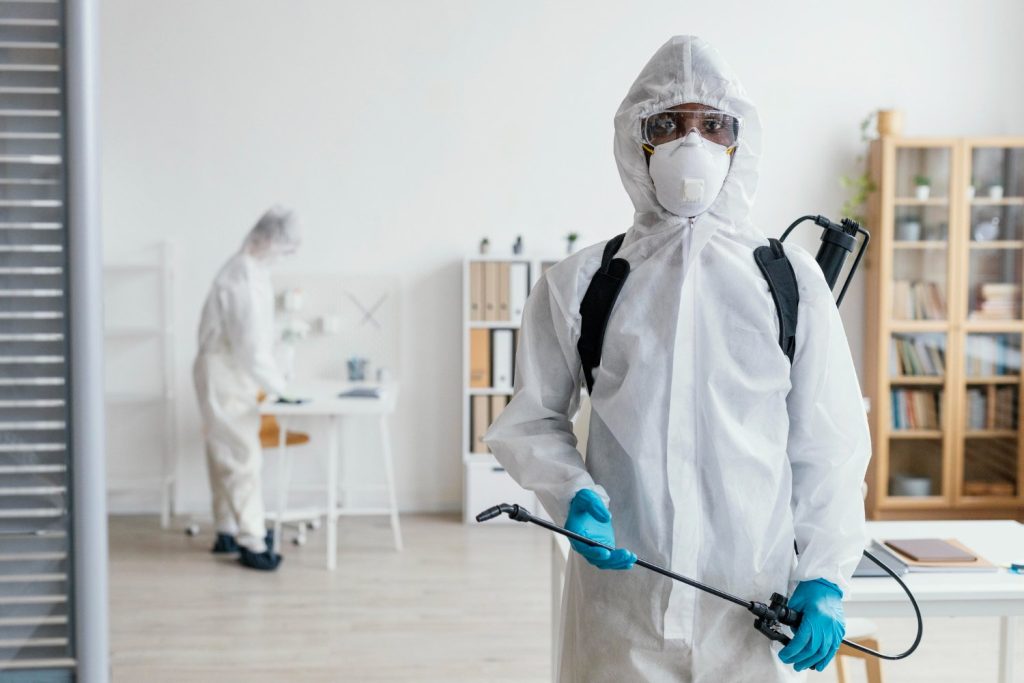
When it comes to protecting your home and loved ones from pests, professional fogging treatments can be highly effective. However, one of the most common questions homeowners ask is: How long should you stay indoors after fogging? Understanding the right time to re-enter your home after a fogging treatment is crucial for your safety and for ensuring the treatment works as intended.

Recommended Waiting Time After Fogging

Most pest control experts recommend staying out of your home for two to four hours after a fogging treatment. The exact time depends on the type of fogging product used, the severity of the infestation, and the ventilation in your home. This waiting period allows the pesticide droplets to settle and work effectively against pests while minimizing your exposure to the chemicals.

It’s best to ask your pest control technician for specific recommendations, as they will know the products and treatment methods applied to your space.

Why Is It Important to Wait?

Fogging products contain chemicals that can irritate your skin, eyes, and respiratory system if you return too soon. Giving the treatment enough time to dissipate helps prevent allergic reactions, headaches, or respiratory discomfort. In addition, the pesticides need time to penetrate cracks, crevices, and hidden pest hotspots to eliminate insects at all life stages.

Tips for After Fogging

When you return home after the recommended waiting period, follow these simple steps to protect your family and pets:

  • Open windows and doors to ventilate the area and remove any lingering chemical odors.

  • Wipe down surfaces that come into contact with food, especially countertops and dining tables.

  • Vacuum floors and clean pet areas to remove dead pests and pesticide residues.

  • Follow your technician’s instructions for any additional steps to maintain pest control effectiveness.

What If You Have Kids or Pets?

Children and pets are often more sensitive to pesticides. If possible, extend the waiting period for them by an additional hour and thoroughly air out the home before allowing them back inside. Always store toys, pet bowls, and baby items away from treated areas during fogging to reduce exposure.

Trust Progreen Pest Control & Lawn

At Progreen Pest Control & Lawn, we put your family’s safety first while delivering the most effective pest control solutions. Our licensed technicians will explain the treatment process clearly and give you precise guidance on how long you should stay indoors after fogging. We use eco-friendly, regulated products and industry best practices to keep your home pest-free without compromising your health.

Ready to protect your home from pests while keeping your family safe? Call Progreen Pest Control & Lawn today or request a free quote online!

This post was written by a professional at Progreen Pest Control & Lawn. For over 30 years, ProGreen Pest Control has provided trusted pest control, lawn fertilization, and tree care throughout Pinellas County, FL, including St. Petersburg and Tierra Verde. Our certified team takes the time to understand each customer’s concerns, offering tailored solutions for pests, weeds, diseased trees, and lawn issues. We provide reliable mosquito fogging St Pete Beach FL residents can count on to help keep outdoor living spaces comfortable and mosquito-free. We prioritize communication, offering follow-ups and expert advice to maintain healthy landscapes. Dependable, prompt, and committed, ProGreen delivers personalized service you can rely on every time.

Homeowners enjoy backyard barbecues, gardening, and evenings on the patio when warm weather arrives in Manchester. Sadly, a swarm of mosquitoes can quickly ruin the fun. These tiny pests can turn a relaxing afternoon into an itchy nightmare. Mosquitoes are drawn to certain spots in your backyard. Knowing where to look allows you to address the mosquito issue with the right Manchester mosquito control solutions. Here are common mosquito hotspots found in Manchester backyards and what you can do about them:
Standing Water
Mosquitoes lay their eggs in still, shallow water. These eggs turn into hungry adult mosquitoes in just a few days. That is why any area in your yard that collects water can be a potential breeding ground. Common sources include birdbaths, kiddie pools, and pet bowls left outside. Also, clogged gutters, buckets or flower pots that collect rain, and pool covers with puddles can be breeding spots for mosquitoes. Even a bottle cap filled with rainwater can support mosquito larvae.
Manchester’s spring rains and humid summers often lead to water buildup. Check your yard after storms or watering days to ensure no standing water is present. Also, empty or refresh water containers regularly.
Overgrown Grass and Bushes
Mosquitoes need shade and shelter. Tall grass, thick shrubs, and overgrown gardens provide the cool, damp hiding places they love during the day. Keeping your lawn trimmed, bushes neat, and garden beds tidy can reduce the number of places mosquitoes can rest. It also makes your yard less appealing to ticks and fleas.
Damp Soil and Mulch Beds
Soil does not drain well in some parts of Manchester, especially after a big rain. Damp soil and mulch beds hold moisture longer than other surfaces, creating the perfect habitat for mosquitoes to hang out close to the ground. Areas that stay soggy or shaded can be prime mosquito zones.
Try using mulch sparingly and turning it over every few days to let it dry out. Also, consider improving drainage in low-lying areas or using gravel around garden beds to reduce moisture buildup.
Under Decks and Porches
It is usually dark and moist underneath a raised deck or porch., which is what mosquitoes want. Plus, the presence of damp leaves or standing water offers a great hidden hotspot for mosquitoes.
Anchor Pest Services, a trusted pest control company in Manchester, often finds mosquito activity hiding under decks during inspections. Their team recommends installing mesh barriers or lattice with proper airflow to prevent these areas from becoming breeding zones. They apply targeted treatments to eliminate hidden mosquito resting spots if needed.
Gutters and Downspouts
Gutters that are clogged with leaves or debris become mini ponds after every rain. Mosquitoes will quickly take advantage of the standing water. Even a few inches of water sitting in a gutter can host hundreds of mosquito larvae. So, clean your gutters regularly, especially in spring and fall. Also, ensure downspouts are draining away from your foundation. Anchor Pest Services offers gutter inspections as part of their pest control evaluations, helping homeowners catch these hidden water sources before mosquitoes do.
Toys, Tools, and Backyard Gear
Garden tools, kids’ toys, or old tires can be left outside. Unfortunately, many of these items can trap rainwater and become mosquito magnets. You can prevent this by walking around your yard every week and turning over or covering anything that can hold water. Keep items you want to store outside under a roof or tarp to prevent water from collecting.
Outdoor Furniture and Planters
Outdoor furniture with hollow frames or cushions that stay wet can attract mosquitoes as resting areas. The same goes for decorative planters and pots with saucers underneath. Water that sits in these places too long becomes a mosquito haven.
Many Manchester homeowners do not realize their beautiful patio setup was part of the problem. Pest control experts suggest using self-draining pots and water-resistant furniture, and wiping down cushions after rain or heavy dew.

But hiring a pest control company is a wise investment when it comes to ensuring the safety and security our most important investment: our home. But before that begins, most companies will require you to sign a pest control service agreement. This agreement describes the service, pests to be treated and terms of your rights and responsibilities as our client. Knowing what the fine print says will help you ensure you’re getting the protection and service you want — with no hidden surprises. In this article, Get started with getting to know the summary that can help you interpret and get the most out of your Reston pest control service agreement.

Know What Pests Are Covered

By far one of the most critical portions of this type of service agreement is the covered pests list. Many pest control contracts don’t cover all pests. Although general pests such as ants, spiders, cockroaches, and mice are usually covered in general service agreements, more problematic pests such as termites, bedbugs and wildlife require an additional service or specific treatment. If you’re worried about specific pests that are prevalent in Reston — like mosquitoes in the summer, or stink bugs in the fall — confirm that they’re included in the contract. If they’re not, inquire about adding them, or whether a separate treatment plan is needed.

Get to Know the Service Frequency and Duration

Pest control contracts commonly include a schedule of how frequently treatment will occur and for how long. It might be monthly, bi-monthly or quarterly, depending on the needs of your home and local pest activity. In Reston’s fickle weather, you may need to come a bit more frequently in the high seasons. Be clear about whether the contract is for just one job, for a certain period of time (one client of mine puts clients on a 12-month contract, which auto-renews), or a recurring contract.

Read the Guarantee or Warranty

A good pest control firm will usually have some sort of guarantee. That means if those pests come back within a certain time frame after treatment, the company will return to retreat your home at no cost to you. Here is what you will want the agreement to specify:

  • What is covered by the warranty
  • How long the guarantee is (usually 30 to 90 days)
  • Re-treatment scheduling process

In Reston VA, where pests that are seasonal could be quick to return, this guarantee helps to establish peace of mind.

Explain How Pricing and Payment Works

A pest control contract with good wording, can prevent misunderstandings and complaints from occurring. This will include the price for each visit or service, any initial inspection fee, and whether you’ll be charged separately for certain treatments or types of pests. Be sure to also check:

  • When payment is due (upon service or on a payment schedule)
  • If there’s a cancellation fee
  • If there are any incentives, such as a discount when you pay the full amount upfront, or if you sign a longer contract

Some companies in Reston may give you a bundle pricing or specials for homeowners which are known to have a problem with pests, especially if the latter is present during the peak pest seasons in Reston. So it’s a good idea to ask about it before you sign their contract and finally hire them.

A pest control service contract or agreement is an important paper that safeguards both the owner and the company. By taking the time to look at each section — especially the pests included, service frequency, guarantee, price and legal terms — you will be in a better position to select the right company and prevent any unwelcome costs or areas without coverage. In Reston, where the types and levels of pest activity can change with the seasons, this commitment is even more crucial, and with pest-prevention service customized according to the conditions of your community, no one knows Reston better.

If you think your home is immune to pests, you are mistaken. Reston is a great place to live, but when it comes to pests, residents encounter all kinds of species. It’s a common misconception that pests only enter dirty homes. The truth is something else – Most pest species need a place to hide and food sources to survive, and as long as insects and bugs can find a way, they will get in. How can you deal with pests in Reston? The answer lies in professional assistance. While many companies offer services here, we have enlisted the critical aspects that matter when choosing a pest exterminator.

  • Always go for a trusted service: Almost all pest control services claim to be the best in the industry, making it hard for consumers to make the right choice. If you can get references from someone you know, consider those choices. Alternatively, check what other customers are saying. Reviews on social media sites and Google, along with ratings on independent sites, are useful for comparing companies. Look for patterns – Do most complaints sound the same? 
  • Safety first: Pest control is an inherently risky field, and unless the exterminators are trained, experienced, and insured, you cannot trust them. When you work with a professional company, ask about the measures they take to counter the common concerns associated with pest control. The company must have liability insurance to cover any damages caused to your home during the work.
  • Green solutions: Many people don’t want to call exterminators because they are worried about the risks of pesticides and chemicals. Fortunately, the business has changed drastically, and over the years, companies have drastically invested in better products and methods. Today, pest experts don’t just focus on killing insects or rodents. Instead, the idea is to use safe and green products that are better for your home and the environment. You can always ask whether their solutions are kid and pet-friendly. 
  • Quick services: Pest infestations only get worse with time, and while finding rodents in your house may not sound like a ticking bomb, you still have to act soon. Ensure that you call the experts on the same day and schedule an assessment of your property. An inspection and immediate remediation can prevent the infestation from getting worse. 
  • Evaluate estimates wisely: Homeowners often choose the cheapest pest exterminator they can find, only to feel sorry later. When it comes to something as serious as pest control, you should focus on the value of service and not the price. Check what is included in the contract, if they have offered a guarantee, and whether they would offer preventive pest control. 
  • Consider periodic services: Make sure that you spend on seasonal and yearly pest control. Typically, we only think of exterminators or pest control when there is a major issue at hand. Instead of being reactive, think of getting the property checked by experts from time to time, and as they recommend suggestions and tips, ensure that you follow the same. For example, simple steps like cleaning the clutter and landscaping the yard can make a difference in pest activity.  

Proactive pest control – Your home deserves the best!

Teaming with the right pest exterminator can change the way you deal with bugs and rodents. If you notice signs of any species, get help and fix the infestation before things get worse. Also, spending a tad more on preventive measures and regular home cleaning can be useful in avoiding extreme situations where pests, especially rodents and termites, damage your home. Consider spending on keeping a pest-free home rather than losing money on medical bills and property repairs. 

When we are thinking of pests, we are usually assuming of small, annoying bugs you see around our home and garden. But some pests have incredible powers that make them incredibly strong and difficult to kill. It has these tiny little creatures inside that destroy buildings and spread nasty diseases and are incredibly strong in their fight against exterminators. 

Knowing about these pesky pests is key to preventing them from coming. Professional Hinsdale Exterminator Services can help you locate and eliminate these not-so-easy-to-kill bugs with methods that work best for each type. Here are the most powerful pests on Earth and the reasons they’re so hard to fend off.

8 Most Powerful Pests In the World

  • Termites

Termites head our list because they can cause so much damage. They are able to bite with strength 500 times their body weight, and other specialized mouth parts enable them to break down wood, which allows them to eat a building from the inside out. Many people do not know that they have termites until the bugs have caused a lot of damage.

  • Fire Ants

Red fire ants are mighty and chemical weapons. They can hoist 20 times their weight and create floating rafts in floods—linking their bodies, keeping them alive on the water for weeks. Their painful sting injects venom into the skin that produces welts and can make some people very ill. 

  • Mosquitoes

Mosquitoes are tiny, but they transmit disease. They kill more humans than any other animal — more than 700,000 people each year are killed by diseases, including malaria, dengue fever, Zika , and West Nile virus. Female mosquitoes can smell the carbon dioxide in our breath from a distance of up to 50 meters, and their specialized mouth parts can pierce the skin and suck blood without us feeling it. 

  • Bed Bugs

Bed bugs are really quite hardy pests. These nocturnal bugs can go without food for up to a year while in snooze mode and also can withstand temperatures ranging from nearly freezing to very hot (122°F). Their flat bodies allow them to slip into cracks as narrow as a credit card, and research shows they have developed resistance to many types of bug killers. 

  • German Cockroaches

These cockroaches are true survival masters. They can survive without their heads for about a week (they die only because they can’t get any water), resist levels of radiation many times that are fatal to humans, and pass through openings just 3/8 inch wide. They breed rapidly, with one female able to produce a colony of 30,000 in a single year. 

  • Rats

Brown rats are strong and smart. With teeth that exert pressure of up to 7,000 pounds per square inch, these rodents can gnaw through aluminum, concrete, pipes, and electrical wires. To get around treacherous areas and evade traps, they work through problems. Rats can pass through holes the size of a quarter, swim half a mile, and survive falls of 50 feet. They also carried diseases, including a few that have wrought terrible illnesses over the centuries.

  • Carpenter Ants

Carpenter ants don’t consume wood like termites but burrow into it to create nests. A colony can consist of up to 50,000 workers, each able to carry objects many times its own weight. They are very careful when chewing through wood, when attempting to chew through good wood, insulation, and even plastic. What gives carpenter ants their superpower is their colony system.

  • Ticks

These tiny critters have specialized parts inside their mouths that allow them to attach tightly to animals and humans and remain concealed as they feed for days. Some produce poisons in their saliva that can induce paralysis, and they transmit more than 15 serious diseases, including Lyme disease, which afflicts about 476,000 Americans every year. Their hard outer shells make it difficult to crush them, and they remain without food for up to 3 years while waiting for someone to bite. 

Mobile technology is transforming the pest control industry. Already, Bend Exterminator Services and traditional pest management companies are being supplemented by smartphone applications designed to make pest identification and control easier for homeowners. This sudden shift is opening up the doors to new concepts in pest management, complete with technological tools that promise an easier pest problem solution technology, including digital identification, treatment suggestions, and direct integration with Bend Exterminator Services.

As these new applications grow in popularity, many are left wondering if they genuinely provide insights that improve pest control effectiveness or if all that technology just makes a hands-on problem more complicated to solve.

History of Technology in Pest Control

From simple tools to advanced integrated pest management systems, pest control methods have evolved greatly from the earliest days. Professionals and homeowners alike have been well served by the most recent evolution, an expanding crop of mobile apps. These applications range in functionality from basic pest identification to robust platforms that link users with local exterminators, offer treatment recommendations, and track pest activity over time.

This is another step at a time when digital solutions for home maintenance are on the rise. About 47 percent of homeowners currently utilize some form of digital resource when dealing with pest issues. The speed at which these technologies are being adopted indicates an increasing confidence in technology-assisted pest control strategies.

The Advantages of Pest Control Applications

The benefits of technology in pest management are:

  • Early detection 

The sooner you identify a pest through the use of apps that help users visually identify materials, the sooner you can intervene and this can be used in the prevention of full infestations. Such forward-thinking can help minimize both property damage and the cost of treatment.

  • Informed Decisions

Immediate access to information about pests and treatment options enables homeowners to decide better whether to handle a problem themselves or hire pros.

  • Professional Efficiency

Pest control businesses can use apps to optimize operations through improved scheduling, digital documentation, and more accurate initial assessments.

  • Long-term Pest Tracking

Certain apps monitor pest activity over time, enabling data-driven prevention and treatment methods.

  • Considerations of the Environment

Many current apps utilize integrated pest management principles, encouraging less-toxic solutions as needed.

Limitations and Challenges

Though it has its benefits, pest control apps have their roadblocks:

  • Accuracy Concerns

No identification app is 100 percent accurate, most especially with a comparable species or when you submit a low-quality picture. Misidentification may result in ineffective treatment strategies.

  • Need for Professional Assessment

Some infestations may require assessment beyond what an app can provide, such as structural evaluations or consideration of local regulations.

  • Too Much Do-It-Yourself

The apps could give homeowners a lot of information and potentially lead to homeowners attempting to fix problems that need pro-intervention, resulting in a lingering infestation.

  • Technology Barriers

Older homeowners may not be adept at using smartphone applications for pest management.

  • Security and Privacy Risks

The information collected by these apps about homes and pests poses risks to data security and privacy.

This is not to say that these smart pest control devices are bound to fail; however, it does underscore some limitations and that technology can improve pest control but never completely take over a professional in most cases.

Finding Balance Between Technology and Professional Expertise

The best approach to pest management is probably a combination of high-tech tools and professional know-how. Homeowners may use apps for first identification, rudimentary prevention, and surveillance but will seek certified professionals in the face of difficult infestations, safety issues, or compliance concerns.

Our best defense is to have a clear understanding of the limitations of tech. Software is more effective if used within a broader pest management strategy than a single solution. Companies that adopt emerging technologies while treating their customers with integrity may also gain a competitive edge.

Bed bug infestations are on the rise in homes, hotels, and apartment buildings across the United States. These sneaky pests can be very hard to catch in the early days, so they will often be hiding in mattress seams, gaps in furniture, and wall voids during the day. Conventional inspection approaches are labor-intensive and can overlook early infestations. Meet the latest allies in pest detection: specially trained dogs. These four-legged weenies are changing the game for pest control pros, helping them find and prove bed bugs are there. 

Dog inspection teams are now a powerful weapon in the battle against these resilient parasites, with detection accuracies as high as 97% in controlled studies. Using a unique blend of a dog’s super sense of smell with specific training methods, this method can provide a fast and reliable detection solution and help Exterminator in Rockwall.

Can Dogs Sniff Bed Bugs?

Yes, dogs are able to sniff out bed bugs with great accuracy. Bed Bug Dog Their acute sense of smell allows dogs to identify the exact pheromones and scents emitted by bed bugs, even when they are hiding in small numbers or hard-to-reach areas.

Dogs have about 300 million olfactory receptors compared to only 6 million in humans, giving them 10,000 to 100,000 times the sensitivity — if not more. With the proper training, dogs are able to detect insects with an accuracy rate of 95-98% in a controlled environment. This sensitivity allows them to detect as few as one or two live bed bugs or viable eggs, sometimes even before visual signs of an infestation appear. They are able to search a room in 2-3 minutes on average, an athletic gain compared to, for instance, the visual inspection, which could take 20-30 minutes per room with a lower detection rate. 

How Dogs Sniff Bed Bugs? 

Training Methodology

These dogs are required to finish 800-1,000 hours of training before they can work as professional bed bug detection dogs. Dogs are rewarded when correctly identifying the scent of live bed bugs or viable eggs based on positive reinforcement techniques. Training starts with basic scent identification and grows in complexity until it includes realistic situations with multiple distractions. To maintain a consistent quality of detection abilities, the NESDCA and World Detector Dog Organization (WDDO) have created certification standards.

Inspection Process

Handlers methodically move their canine partners through the designated areas during an inspection. When they pick up a bedbug scent, the dogs are trained to give a specific alert sign — usually a sit or down. Professional teams follow strict protocols to avoid contamination between inspection sites. The handler guides the dog through an inspection, encouraging the dog to check particular areas while watching for the dog’s “indications” that an explosive has been located. According to research, canine teams can check 20 rooms per hour, while traditional visual inspection can check only 2-4 rooms per hour.

Accuracy Factors

Detection accuracy is affected by several factors. The breed of dog is less important than its individual aptitude—the beagle, labrador, and Belgian Malinois are commonly used. Handlers must have ongoing training and practice with known samples to maintain their skills. Performance can be affected by environmental issues, from extreme temperatures to competing odors to the handler effect. Trained dogs can maintain accuracy rates above 90 percent under ideal working conditions. In comparison, their accuracy in more challenging environments can drop to around 80-85 percent yet still remain significantly more accurate than simply relying on human visual inspection.

Offering an alternative to traditional pest control methods, these specialized teams emphasize efficiency, precision, and non-invasive inspection techniques. Bed bug infestations plague owners of residential and commercial properties nationwide, and highly trained detection dogs offer an early warning system, saving thousands of treatment costs with early intervention. 

Pest problems can sneak up on even the cleanest and most well-maintained homes. Without regular attention, these tiny, often invisible invaders can silently damage your property and threaten your health. That’s where routine pest inspections and Belleville Exterminator Services come in. Taking a proactive approach to identifying and addressing pest issues is one of the most effective ways to protect your home and everything in it. 

Here’s why regular inspections are so important and how they can benefit you.

1. Early Detection Saves Time and Money

Pests like termites, rodents, and cockroaches are notorious for staying hidden until the damage is done. For example, termites can chew through wooden structures for months before you notice signs like hollow-sounding wood or discarded wings. By the time many infestations become obvious, you could be looking at thousands of dollars in repairs.

Regular inspections allow you to catch these problems early, often before significant damage has occurred. A professional pest controller can identify the warning signs of an infestation, allowing you to address the issue before it spirals out of control. The earlier you act, the less time and money you’ll need to spend solving the problem.

2. Protect Your Property Value

Your home is likely one of your biggest financial investments. Pests pose a serious risk to its value, especially if the damage becomes significant. A termite infestation, for instance, can weaken beams, flooring, and even the structural integrity of a home. Rodents or squirrels in the attic can chew through insulation and electrical wiring, leading to costly repairs.

Visible signs of pests during a home appraisal or inspection can deter potential buyers and result in a lower property value. So, keeping up with pest inspections is a smart way to safeguard your home’s worth. With routine checks and follow-up action, you can ensure your property stays in great shape and retains its market appeal.

3. Maintain a Healthy Living Environment

Pests don’t just affect your property, they can also impact your health. Cockroaches, for example, can spread bacteria such as E. coli and Salmonella, as well as trigger asthma and allergies. Rodents bring their own set of health risks, including the potential for hantavirus, while mosquitoes and ticks are carriers of more serious diseases like Lyme disease and Zika virus.

Routine pest inspections help you identify and eliminate these risks at their source. Health issues related to pests may take time to appear, but by regularly checking your home, you can ensure that these threats are minimized. A pest-free home is a healthier home for you and your family.

4. Peace of Mind Leads to Long-Term Savings

Routine pest inspections aren’t just about identifying existing problems; they provide peace of mind that your home is safe and secure. Even if no pest issues are found during an inspection, knowing that your property is being proactively monitored can help you sleep easier at night. Over time, this proactive approach reduces the likelihood of significant expenses related to pest damage or health risks.

When and How to Inspect for Pests?

A good rule of thumb for pest inspections is to conduct them at least once a year. However, homes located in areas prone to specific pests, like termites in warmer regions, may require more frequent checks. Seasonal changes, such as the onset of spring or fall, are also great opportunities to carry out inspections, as pests often become more active during these times.

Conclusion

Pests can cause a lot of harm, but their impact is often preventable with routine inspections. By committing to regular checks of your home and property, you can detect problems early, preserve your home’s value, maintain a healthy environment, and save money over time. Whether you choose to inspect your home yourself or work with a professional pest control service, the effort is well worth it.

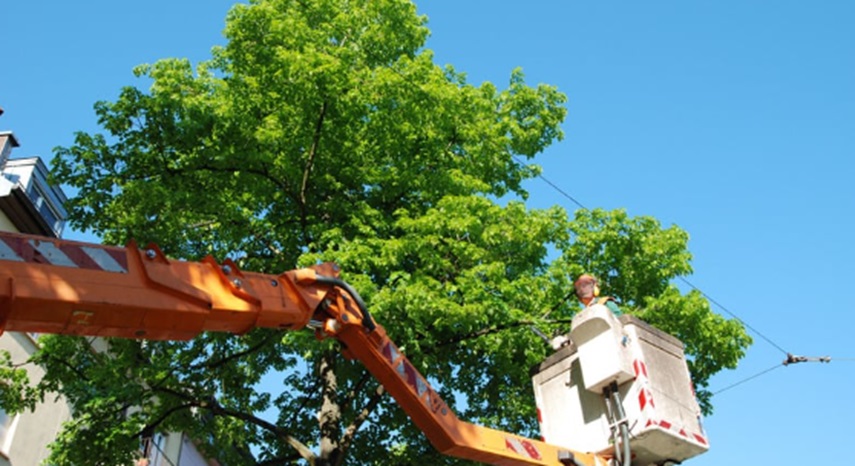
Storms can cause significant damage to properties, with fallen trees and branches being one of the most common causes of destruction. Proactively maintaining your trees can reduce these risks and protect your home and surroundings. For residents in need of expert services, tree trimming in Canton, GA, offers specialized care to keep trees healthy and minimize storm-related hazards. Understanding the role of tree trimming and how it helps prevent storm damage is key to safeguarding your property.

How Tree Trimming Prevents Storm Damage

Proper tree maintenance is more than an aesthetic choice—it’s also a protective measure against unpredictable weather. Regular trimming enhances tree health while addressing potential risks. Below are the ways tree trimming helps prevent storm damage:

  1. Removing Weak or Dead Branches

Trees naturally accumulate dead or weak branches over time. These limbs may seem harmless on sunny days but become dangerous projectiles during high winds. Whether due to advanced age, pests, or diseases, weak limbs can snap off and cause damage to roofs, vehicles, or even people. Trimming these branches early significantly reduces their ability to cause harm when storms hit.

  1. Reducing Wind Resistance

One of the primary reasons trees fall during storms is their inability to withstand fierce winds. Overgrown canopies act like sails, catching wind and creating resistance, which can push trees over. Thinning out the canopy during routine trims allows wind to pass through instead of exerting full force on the tree. This simple precaution can prevent uprooting and protect nearby structures from damage.

  1. Keeping Trees Balanced

A tree with uneven or lopsided growth is more likely to topple during storms. Regular trimming corrects this imbalance by redistributing weight equally throughout the tree. Balanced trees are better equipped to withstand turbulent weather conditions, ensuring both the tree’s survival and the safety of your property.

Knowing the Right Techniques

Effective trimming goes beyond cutting off a few branches—it requires proper methods to promote the health and longevity of a tree. For example, understanding the essential guide to trimming lower tree branches helps homeowners ensure they’re not only protecting their property but also encouraging proper tree growth and structural integrity. Techniques like these ensure your trees remain robust and resilient year-round.

Tree Trimming and Property Protection

Trees do a lot of good for your property, but without routine maintenance, they can also pose serious risks. Falling branches during storms can shatter windows, puncture roofs, and damage fences or power lines. Worse yet, an unstable tree can completely collapse, causing massive destruction to your home or yard.

Investing in professional tree trimming not only protects your property during storms but can help reduce long-term costs. Post-storm clean-ups and repairs due to unchecked tree damage often cost homeowners far more in the long run than preventative maintenance.

Why Professional Tree Services Matter

While DIY tree care may seem tempting, storm damage prevention often requires the expertise of professional arborists. Professionals understand tree structures and know how to identify issues beyond the surface, such as diseases or internal decay. They also have the equipment to safely manage large or hard-to-reach branches.

Homeowners benefit from services like the importance of professional tree trimming for homeowners, which highlights how professional expertise can save time, money, and potential hazards. Additionally, professionals can ensure compliance with local regulations concerning tree removal or maintenance, keeping you out of legal trouble.

Long-Term Benefits of Tree Trimming

Beyond storm prevention, regular tree trimming offers numerous long-term benefits. A well-maintained tree is less likely to harbor pests or diseases that could weaken it over time. Additionally, proper trimming improves sunlight penetration and airflow, which promotes healthy growth. Overall, these benefits contribute to creating a safer, healthier, and more attractive landscape.

Conclusion

Storm-related damage can often be prevented with regular tree maintenance. By addressing weak limbs, reducing wind resistance, and maintaining tree balance, trimming serves as a crucial step in safeguarding your home and yard during extreme weather. By consulting experts and committing to regular upkeep, you not only reduce risks but also enhance the beauty and longevity of your outdoor spaces. Make tree trimming a priority today to protect and preserve your home for years to come.

It is a constant fight to keep pests out of our fields and houses. More and more people are looking for eco-friendly ways to get rid of pests because they care about the earth. There is, however, a lot of misunderstanding about this method. 

Are eco-friendly methods really better? Are they really safer for people and animals? Let us separate fact from myth. If you are looking for a pest company that values eco-friendly solutions, you might want to give us a call. 

Myth 1: Eco-friendly pest control does not work.

A lot of people think this way. Pest control methods that are good for the environment use natural ingredients and biological treatments to get rid of pests. These ways can work really well, especially when used as a preventative measure or to get rid of pests quickly. 

For example, closing holes and getting rid of places where pests can hide can greatly lower their numbers. Natural substances, such as diatomaceous earth, can also dry out and kill insects. For bigger pests, you might need to use more than one eco-friendly way.

Myth 2: Eco-friendly pest control costs more.

A lot of people think that eco-friendly ways to get rid of pests cost more than chemical methods. It is not always like this. The original cost of an eco-friendly treatment might be about the same as a regular treatment, but they usually need to be used less often. 

This could save you money in the long run. On top of that, you will not have to worry about the damage and health risks that come with chemical insecticides.

Myth 3: Eco-friendly pest control keeps you safe.

Chemical herbicides are usually more dangerous for people and pets than eco-friendly methods. However, it is important to remember that some natural substances can still be damaging if they are not used correctly. For eco-friendly pest control, always read and carefully follow the directions on the packaging. 

Some essential oils, for example, can make your skin and eyes itch. If you are not sure about using a product around kids or pets, you should always talk to a professional pest control service. 

Myth 4: Eco-friendly ways to get rid of pests are only good for small problems. 

For early infestations, preventative steps and eco-friendly ways work well. They can also be used for more serious problems. Integrated pest management (IPM) strategies are used by professional pest control companies. These strategies mix focused treatments with eco-friendly methods. 

Some of these tactics are keeping them out, keeping things clean, catching them, and using biological controls. Pests can not get into homes through exclusion, which means closing entry spots, fixing cracks, and putting up screens. 

Keeping homes clean, storing food correctly, getting rid of food sources, using gentle traps, and bringing in natural predators or bugs to control pest numbers are all parts of sanitation. Working with a trained pest control expert can help you come up with a plan that works for you. 

The truth about eco-friendly pest control. 

Eco-friendly pest control can help with a lot of different pest problems. Getting rid of bugs in your home or yard may not be easy, but this method can work well and be safe. 

You can keep pests out of your home without hurting the environment or your health by taking preventative steps and using focused, eco-friendly treatments. 

Additional benefits of eco-friendly pest control methods. 

Here are some more perks of eco-friendly pest control besides the ones listed above:

  • Protects good bugs: Chemical poisons can kill good bugs like spiders and ladybugs, but these bugs actually help keep pest numbers in check. Eco-friendly ways get rid of certain pests without hurting good bugs.
  • Helps keep the earth healthy: Using eco-friendly ways keeps our water and land from getting polluted. This makes the place healthy for everyone.

When it comes to getting rid of pests, eco-friendly ways are a great choice. You can make an informed choice about what is best for your home and family if you know the myths and facts about this method.